
Most sustainable packaging looks good in a presentation, but fewer products hold up in real use. That is where many campaigns lose impact. Items get distributed, but they are not used. Or worse, they feel cheap despite the eco-friendly message.
Rice husk packaging sits in a different space. It is not just about reducing waste. It is about creating products people actually carry, reuse, and keep in their daily routine.
If you are considering this material, the real question is not what it is. It is where it works, where it fails, and how to design it so your brand benefits.
This guide breaks that down with real applications, not theory.
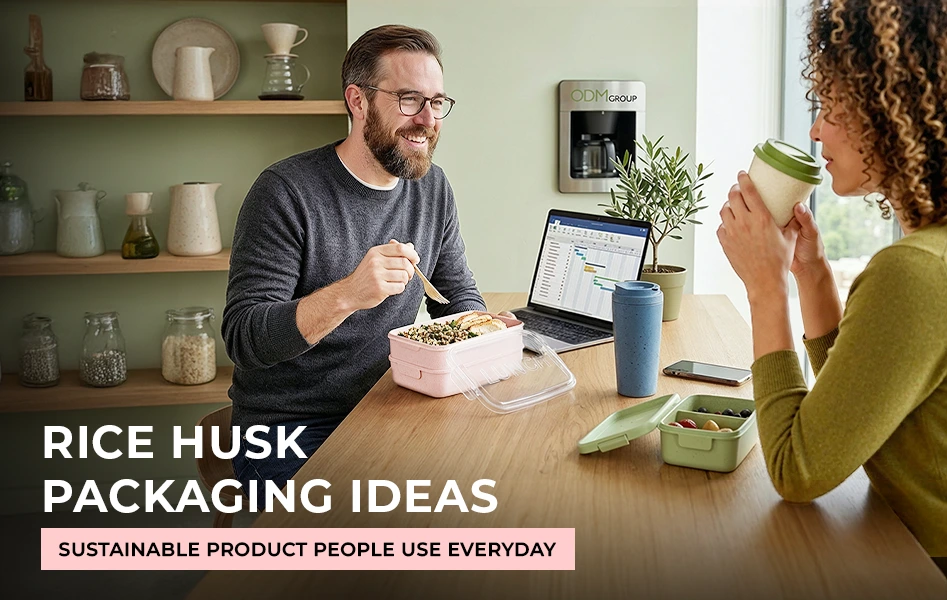
What Makes Rice Husk Packaging Different From Other Eco Materials
Rice husk is not just another sustainable material. It comes from agricultural waste, giving it a compelling story that many other materials cannot match. Unlike paper or molded pulp, it offers more structure and durability, making it suitable for reusable items rather than just disposable packaging.
Compared to bamboo or wood-based materials, rice husk products often feel lighter and more adaptable in manufacturing. They can be molded into different shapes while maintaining a natural texture that signals sustainability without looking overly processed.
This combination of story, structure, and usability is what makes rice husk packaging stand out in real campaigns.
Where Rice Husk Packaging Performs Best in Real Campaigns
This is where most blogs fall short. The material is only valuable if it works in real usage.
1. Daily Meal and Office Use
The rice husk lunch box works because it fits into everyday routines.
Employees bring it to work, students use it daily, and it stays visible over time.
This creates repeated brand exposure without feeling like a promotional item.

2. On-the-Go Beverage Culture
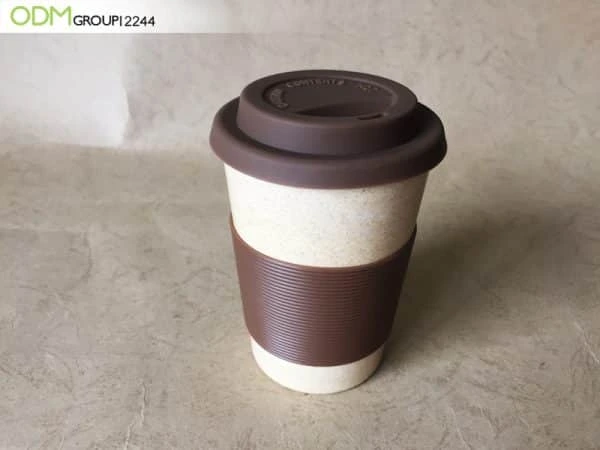
The rice husk coffee cup fits perfectly into café culture and takeaway habits.
It aligns with sustainability messaging while still delivering a functional product that people actually carry around.
3. Retail and Lifestyle Accessories
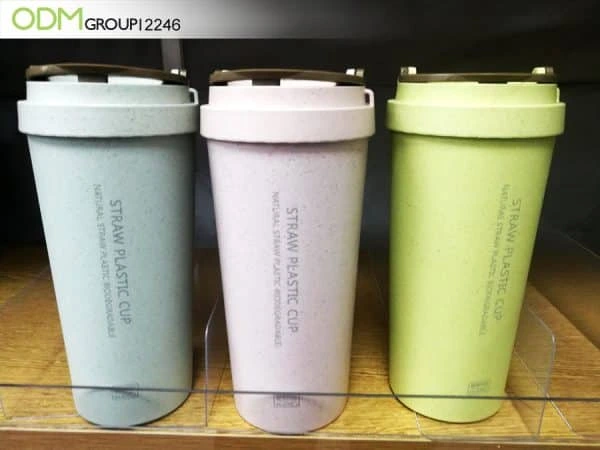
The rice husk tumbler bottles are ideal for gyms, offices, and travel.
These are environments where branding is naturally seen, making them effective tools for long-term visibility.
What Makes Rice Husk Packaging Feel Premium to Customers
A common mistake is assuming that eco-friendly automatically feels premium. It does not. Rice husk packaging feels premium when:
- The surface finish is smooth and consistent
- The color tone is well controlled (not uneven or dull)
- The design is minimal and intentional
- Branding is subtle, not overpowering
The natural speckled texture can enhance perception, but only when paired with clean design and proper molding. Otherwise, it risks looking unfinished.
Where Rice Husk Packaging Can Fail (And How to Avoid It)
This is where brands often get it wrong.
- Poor finishing makes the product feel cheap instead of natural
- Wrong product choice leads to low usage and wasted budget
- Over-branding destroys the premium look
- Ignoring structural limits can cause durability issues
The fix is simple: Design for use first, branding second.
How to Design Rice Husk Packaging That Actually Works
Good design is not just about the material. It is about how the product fits into real life. Rice husk packaging performs well when every decision is tied to how people will actually use it.
Here are the key factors that make the difference:
1. Start With Real Usage Scenarios
Before thinking about shape or branding, define where the product will live. A lunch box used in an office needs to feel clean and practical. A coffee cup used on the go must be comfortable to hold and easy to carry. Travel items need to be lightweight but durable.
When the design matches the environment, the product becomes part of a routine instead of a one-time giveaway.
2. Keep Branding Subtle and Intentional
Rice husk has a natural texture that already communicates sustainability. Overloading it with large logos or bright prints often reduces that effect.
Subtle branding, such as debossed logos, tonal prints, or small placements, allows the material to stand out while still keeping your brand visible. This approach feels more premium and more aligned with modern design preferences.
3. Combine Materials to Improve Performance
Rice husk works best when supported by the right components. Adding silicone lids, PP seals, or grip elements can significantly improve usability.
This is not a compromise. It is a practical way to ensure the product performs well in daily use while maintaining its sustainable positioning.
4. Design for Long-Term Use, Not First Impression
A product that looks good once but fails after a few uses will not deliver value. Focus on durability, ease of cleaning, and comfort.
- Ask simple but important questions.
- Is it easy to open and close?
- Can it handle repeated use?
- Will people want to carry it every day?
When the answer is yes, the product becomes a long-term brand touchpoint.
Is Rice Husk Packaging Right for Your Brand?
Rice husk packaging is a strong fit if:
- You want daily-use visibility
- Your brand values sustainability and wants to show it clearly
- You are building a cohesive product set, not just a single item
It may not be ideal if:
- You need ultra-premium luxury finishes
- The product will not be used regularly
How ODM Group Can Help
From concept to production, ODM helps you turn ideas into functional, high-quality products that actually perform in the market.
We support:
- Product design and sketch
- Prototyping and sampling
- Factory selection and audits
- Quality control and global logistics
Final Thoughts
Rice husk packaging is not just about switching materials. It is about making smarter product decisions that stay visible long after distribution.
When done right, these products move beyond packaging. They become part of daily routines. That is where real brand value is created. Not in the moment of giving, but in repeated use over time.
The difference comes down to execution. Choosing the right product, refining the design, and ensuring quality production all determine whether the item is kept or forgotten.
If you are ready to turn this into a real campaign, now is the time to get the foundation right. Contact our team today to start your project and develop rice husk packaging that is designed for real-world use and long-term brand impact.
More ideas


FAQs about Rice Husk Packaging
What is rice husk packaging made of?
Rice husk packaging is made from the outer shell of rice grains, which is usually treated as agricultural waste. The husk is combined with binding agents and molded into durable products such as containers, cups, and bottles.
Is rice husk packaging biodegradable?
Rice husk products are partially biodegradable, depending on the material mix and production process. Some versions break down under industrial composting conditions, while others are designed for long-term reuse rather than disposal.
Is rice husk packaging safe for food use?
Yes, most rice husk packaging is food-safe when produced under proper standards. It is commonly used for lunch boxes, cups, and containers. Always check for certifications such as FDA or LFGB compliance when sourcing.
Is rice husk packaging cost-effective for campaigns?
It can be cost-effective when used strategically. While unit cost may be higher than basic plastic, the longer usage lifecycle often delivers better return on investment through repeated brand exposure.
What to Read Next
8 Cutting-Edge Sustainable Packaging Ideas for Eco-Conscious Brands
Shifting to sustainable packaging ideas is a great start [...]
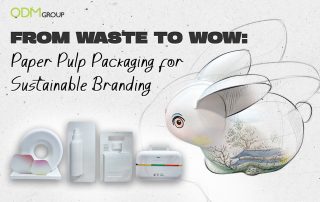
9 Ways to Leverage Paper Pulp Packaging for Sustainable Branding
Sustainable packaging is becoming increasingly important for businesses in [...]

Green To Go: Custom Sustainable Take Out Containers For Your Brand
People live in a fast pace world nowadays. They're [...]
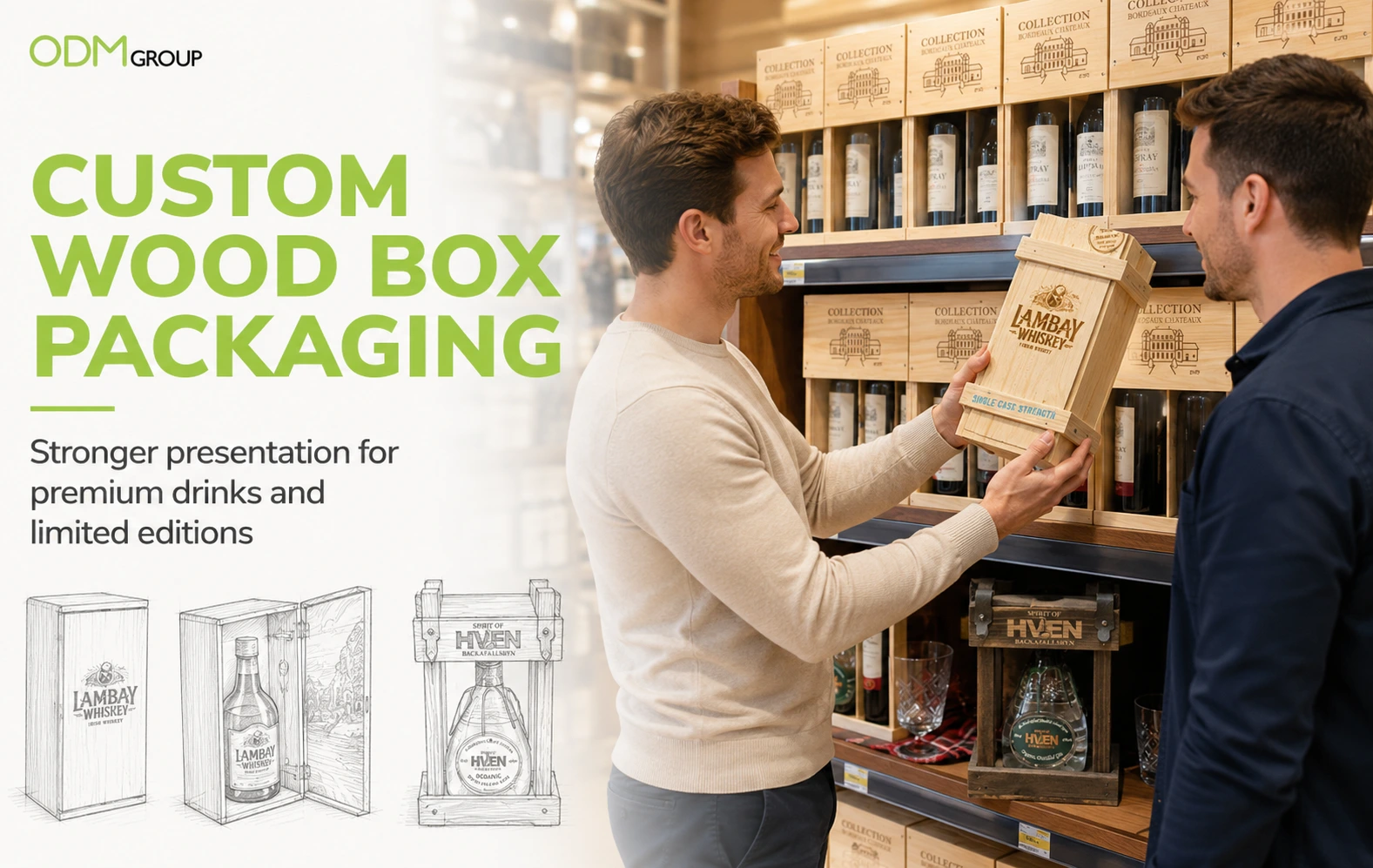
5 Advantages of Custom Wood Box Packaging for Marketing Drinks
Custom wood box packaging does more than protect a [...]
Post Consumer Recycled Packaging: 4 Reasons to Make the Switch
The advent of sustainable marketing has seen the rise [...]

Molded Pulp Packaging Manufacturers: Why Should You Switch?
We've already established we have finite resources; hence, individuals [...]
Related posts:
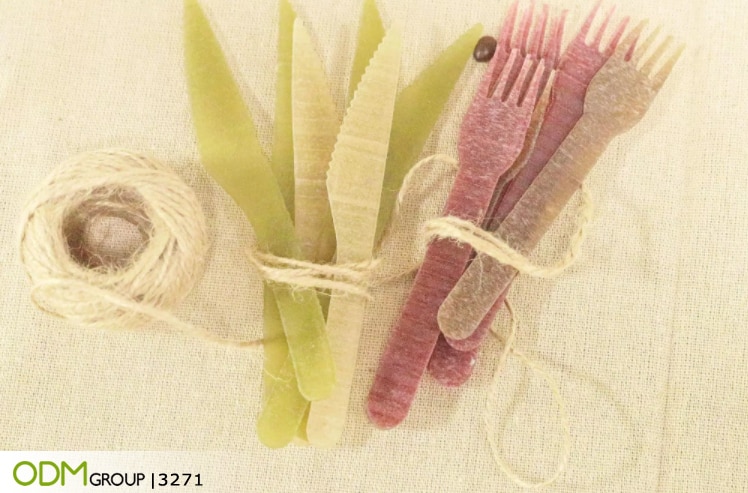 Green Marketing Products: Surprising Benefits of Rice Husk Cutlery
 What We Learned from Penfolds Custom Wine Packaging Design
 Branded Mugs That Drive Daily Visibility for Modern Brands
 Why We Love Oreo’s Custom Food Packaging for Brand Promotion
 Best Promotional Products for 2026: Top Picks to Boost Your Brand Visibility