
Most brands invest heavily in acquiring new customers. Far fewer invest in keeping them. Corporate gifting is often seen as a simple solution. Send a branded item, stay top of mind, build loyalty. In reality, most corporate gifts fail to deliver meaningful impact.
The issue is not the concept. It is execution.
Low-quality items, excessive branding, and a lack of relevance mean many gifts are used once or not at all. If the product is not kept, it cannot reinforce your brand.
When done correctly, corporate gifting becomes something else entirely. It shifts from a giveaway into a retention tool that builds repeated visibility, emotional connection, and long-term brand recall.
Why Most Corporate Gifts Fail to Retain Customers
It is worth being direct. Most corporate gifting campaigns do not work. Common issues include:
- Products with no clear use case
- Overbranding that reduces perceived value
- Low-quality materials that feel disposable
- A disconnect between the product and the audience
These decisions lead to one outcome. The product is not used.
Retention does not come from distribution. It comes from continued interaction. If the item does not become part of the customer’s routine, the campaign ends the moment it is received.
What Customers Actually Keep And Why It Matters
If the goal is retention, the most important question is not what to give, but what will still be in use 30 days later.
There is a consistent gap between what brands distribute and what customers actually keep. The difference comes down to how well the product fits into real behavior, not internal assumptions.
Products that remain in use typically share the following characteristics:
1. They Serve a Clear, Repeated Function
Items such as drinkware, bags, or desk accessories work well because they do not require users to change their habits. They solve a simple, recurring need. The more naturally a product fits into an existing routine, the more often it is used, and the more consistently your brand is seen over time.
2. They Feel Like a Product the Customer Would Choose
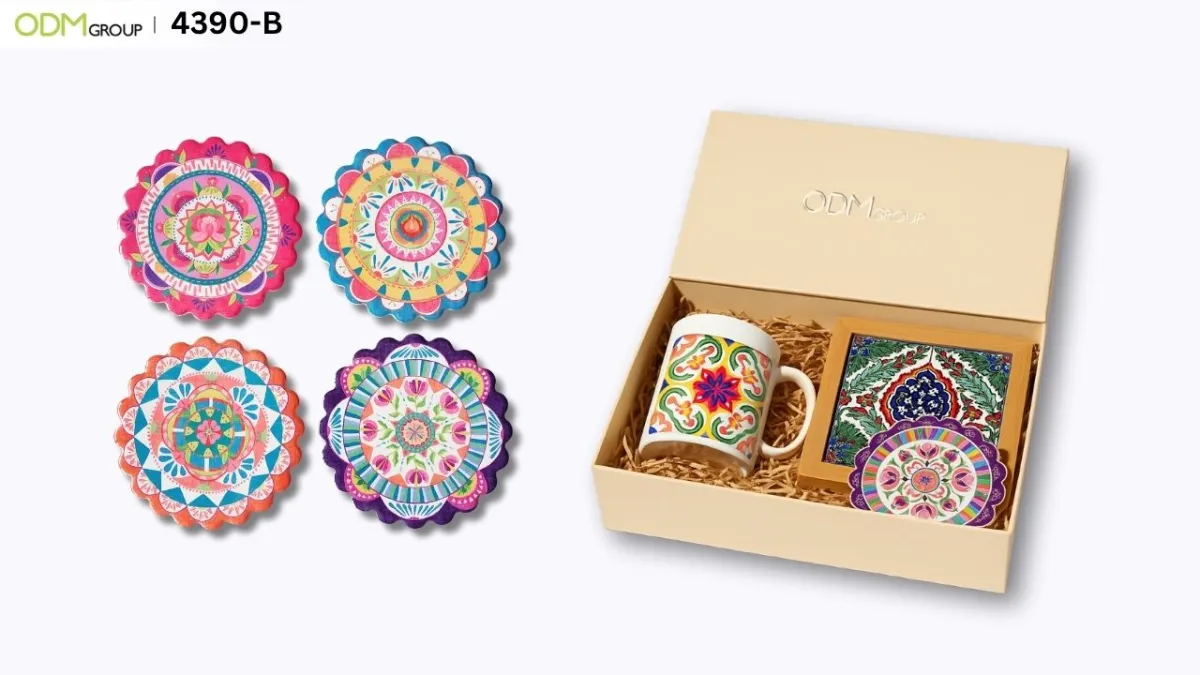
Material quality, finish, and overall design directly influence perceived value. When a product feels comparable to something found in retail, it is far more likely to be used in daily life. In contrast, items that feel overly promotional or low-quality are quickly set aside, regardless of their function.
3. Branding Is Integrated, Not Dominant
Subtle branding allows the product to remain versatile across different environments, whether at work, at home, or in public. When logos are too large or visually intrusive, the product becomes restrictive in use. This limits how often it is carried or displayed, reducing long-term exposure.
4. Context Supports the Product
Packaging, messaging, and timing all influence how the product is perceived. A well-positioned gift feels intentional and relevant, which increases the likelihood that it will be kept. Without this context, even a well-designed product can feel generic and forgettable.
Corporate Gifting Is No Longer About Volume
There has been a clear shift in how brands approach corporate gifting.
Instead of distributing large quantities of low-cost items, many are moving toward curated, smaller-scale campaigns.
This shift is driven by:
- Rising expectations around quality
- Sustainability concerns
- The need for measurable impact
A single well-designed gift kit can deliver more value than hundreds of generic items. It creates a more complete experience and allows brands to communicate a clearer message.
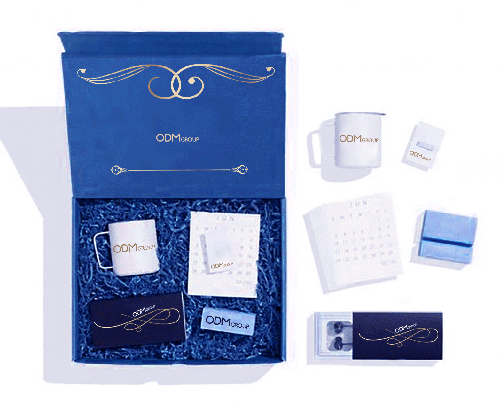
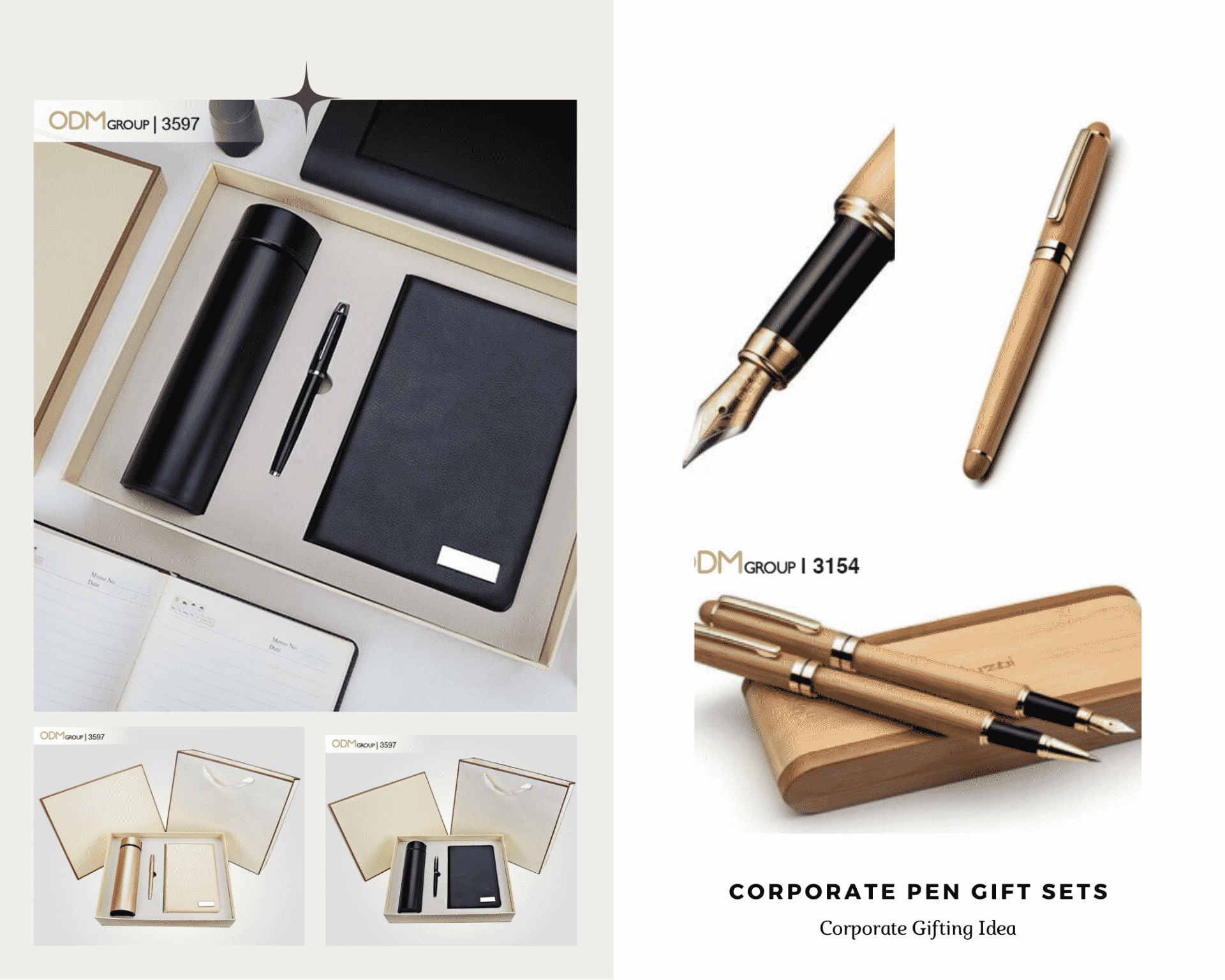
The key is to move beyond generic items and build a kit with purpose. For example, a customer retention kit could include:
- A premium everyday item– Double-wall bottle, smart tumbler, or collapsible cup that stays in daily use
- An interactive element– QR code card, scratch-to-win voucher, or personalized message to drive engagement
- A comfort or lifestyle product– Neck pillow, eye mask, or scented candle that connects the brand to downtime moments
- A collectible item– Blind box figurine or limited-edition pin to encourage repeat interaction
- A practical tech accessory– Wireless charger, phone stand, or cable organizer for everyday visibility
- Structured packaging– A well-designed box that guides the unboxing and reinforces the campaign story
Each item supports the overall theme, reinforcing the brand message from multiple angles.
More importantly, this approach extends interaction time. Instead of a single moment, the customer engages with the brand across multiple touchpoints.
Where Corporate Gifts Fit in the Customer Journey
Corporate gifting delivers the strongest results when it is tied to specific moments in the customer journey, not used as a one-off gesture. Relevance comes from timing. When the gift aligns with a meaningful interaction, it reinforces the relationship instead of interrupting it.
Some of the most effective applications include:
1. Customer Onboarding
The first interaction sets the tone for everything that follows. A well-designed welcome kit helps establish brand perception early and signals the level of quality and attention customers can expect. This is not just about gifting. It is about shaping the first impression in a tangible way.
2. Loyalty Milestones
Recognizing key moments such as anniversaries or long-term partnerships strengthens emotional connection. These gifts work because they acknowledge commitment, not just transactions. When done well, they make customers feel valued rather than marketed to.
3. Re-engagement Campaigns
When customers become inactive, a well-timed and relevant gift can reopen the conversation. The key here is relevance. The product should feel considered and connected to their past interaction with the brand, giving them a reason to re-engage.
4. Seasonal Campaigns
High-competition periods, such as holidays or industry events, create opportunities for visibility. Gifting during these moments helps brands stay present when customers are already in a decision-making mindset, increasing the chance of recall and action.
From Concept to Production: Where Execution Makes the Difference
Even well-developed ideas can fall short if they are not executed properly. The transition from concept to production introduces a range of challenges that can affect the final outcome.
These challenges often include maintaining consistent quality across production runs, ensuring materials meet expectations, and managing timelines effectively. Small discrepancies between the initial concept and the final product can significantly impact how the gift is perceived.
Managing this process requires a structured approach, from initial design and prototyping through to manufacturing and quality control. Attention to detail at each stage helps ensure that the final product aligns with the original vision and supports the campaign objectives.
A More Strategic Approach to Corporate Gifting
If you are planning a corporate gifting campaign, it is worth taking a step back and evaluating how the product fits into your overall marketing strategy.
Rather than starting with the product itself, begin with the objective. Are you trying to improve retention, strengthen relationships, or re-engage existing customers? From there, consider how the product can support that goal in a practical and measurable way.
At ODM, this is typically where the process begins. Instead of focusing only on sourcing, the approach centers on developing products that align with campaign objectives, user behavior, and brand positioning. This includes concept development, prototyping, and factory selection and audit to ensure consistency and quality.
If you are exploring new ideas for customer retention or looking to improve the effectiveness of your current gifting strategy, it may be useful to review your approach from both a product and campaign perspective.
Speak with the ODM team to develop corporate gifting strategies that are designed to be used, kept, and remembered.
ODM Services
FAQs about Corporate Gifts
What makes a corporate gift effective for customer retention?
An effective corporate gift is one that is used repeatedly, not just received once. This usually comes down to three factors: utility, quality, and relevance. Products that fit naturally into daily routines, such as drinkware or tech accessories, create ongoing brand exposure.
Are gift kits more effective than single promotional items?
In most cases, yes. Gift kits create a more complete experience and increase perceived value. Instead of relying on a single interaction, kits allow brands to engage customers across multiple touchpoints.
When is the best time to use corporate gifting in a campaign?
Corporate gifting works best when it is tied to key moments in the customer journey. This includes onboarding, loyalty milestones, re-engagement efforts, and seasonal campaigns. Timing adds context to the gift.
How do you choose the right products for a corporate gift?
Start with the objective of the campaign rather than the product itself. Consider how the recipient will use the item in real life. Focus on practicality, material quality, and design.
What To Read Next?
Best End of Year Employee Gifts for Staff Recognition
Choosing the right end of year employee gifts is [...]
Gifts for Leaders: 30 Ideas Executives Actually Want to Keep
The conversation around gifts for leaders has evolved significantly. [...]
Foster Team Productivity With this Employee Appreciation Gift Idea!
84% of companies gift employees, yet half miss the mark. Find an employee appreciation gift idea that creates a lasting impact instead of gathering dust.

Client Thank You Gifts That Strengthen Business Relationships
A thank-you gift should do more than show appreciation. [...]
Business Personalized Gifts: Custom Options For Corporate Gifting 2026
In 2026, personalized gifts will be strategic instruments that [...]

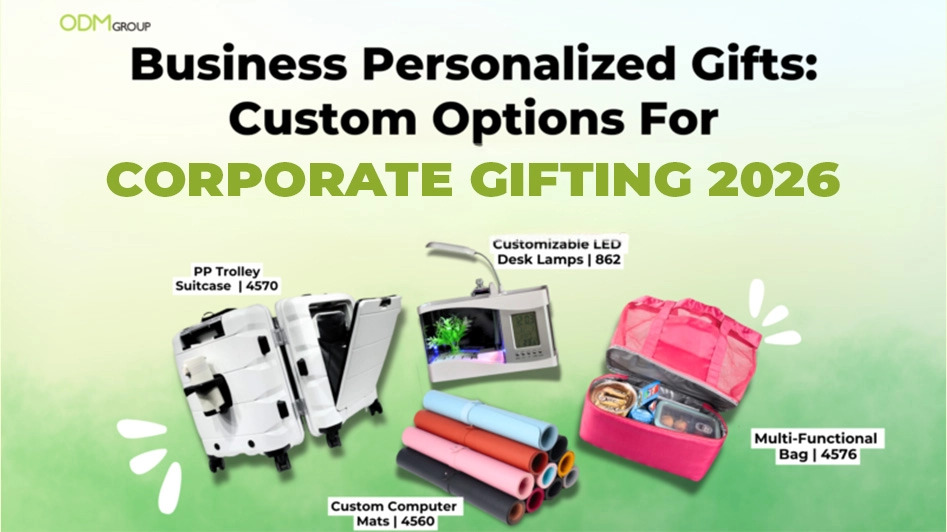
25 Best Gifts for Coworkers: Custom Ideas for Every Budget
The best gifts for coworkers are useful, appropriate, and personal [...]
Related posts:
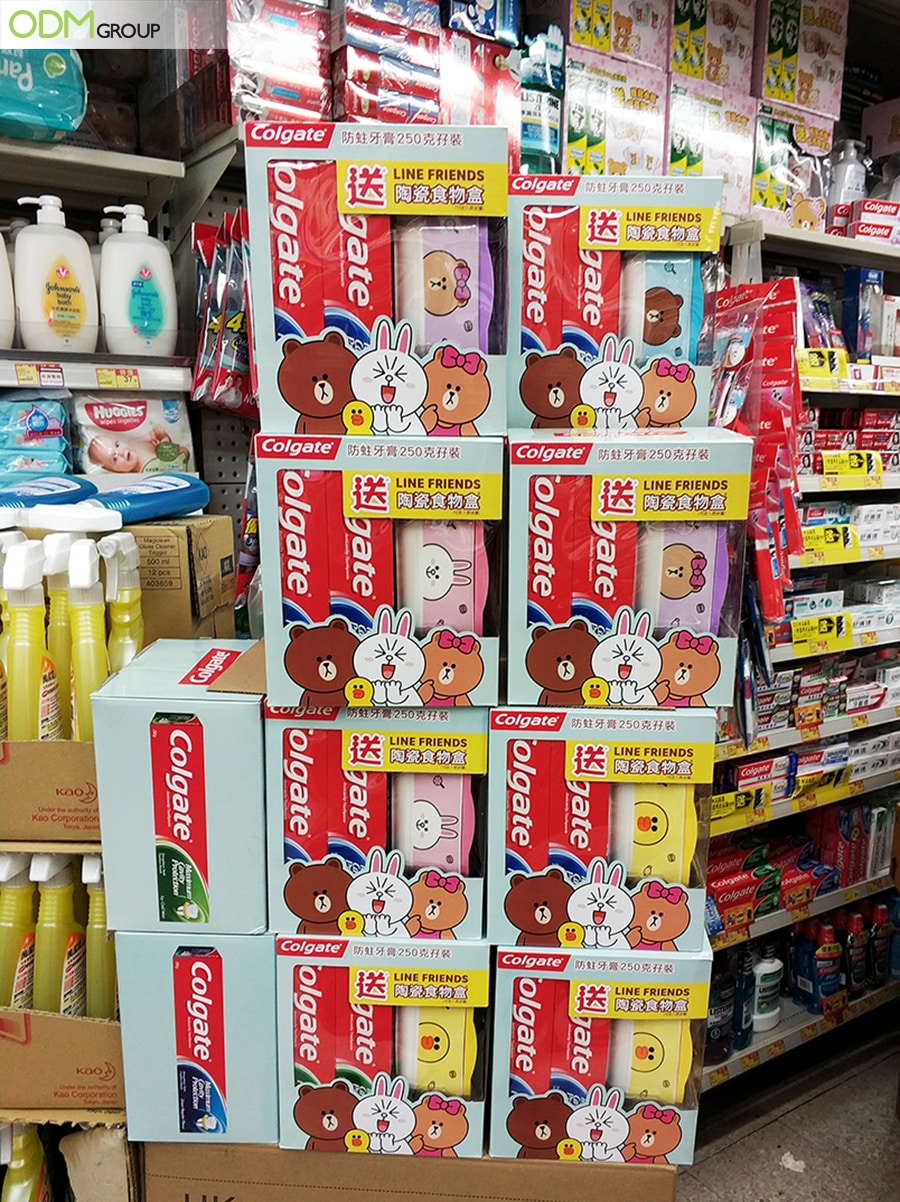 How Colgate Use On Pack Premium for Customer Retention
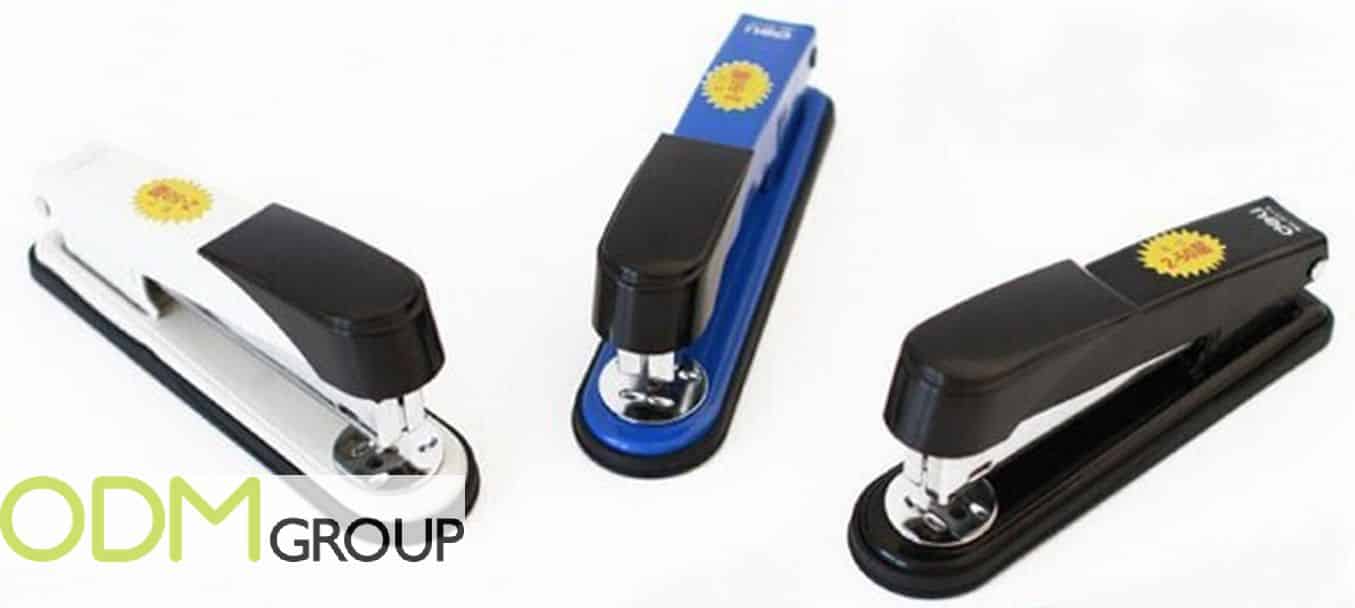 Advertising office products to improve customer retention
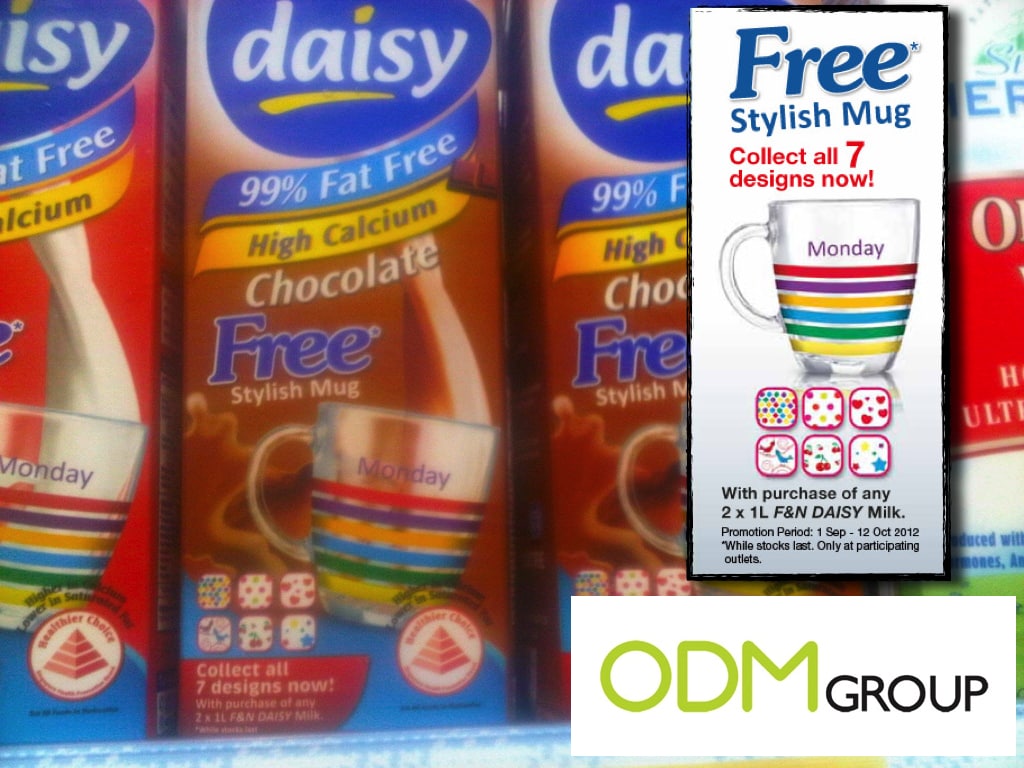 Daisy Milk Free Milk Promo Gifts for Customer Retention
 Why Promotional Products Work At Driving Customer Engagement and Retention
 Corporate Gifting: How to Impress Customers with Custom Pen Gift Sets