
Summer beer promotions need merchandise that fits the occasion and a retail offer customers can understand quickly. Corona’s summer gift campaign brought these elements together through branded towels, a cooler bag, and playing cards linked to qualifying purchases.
For drinks marketers, the useful lesson is how to connect the gift, purchase mechanic, and display. A relevant product still needs thoughtful design, dependable construction, and a clear path from purchase to collection.
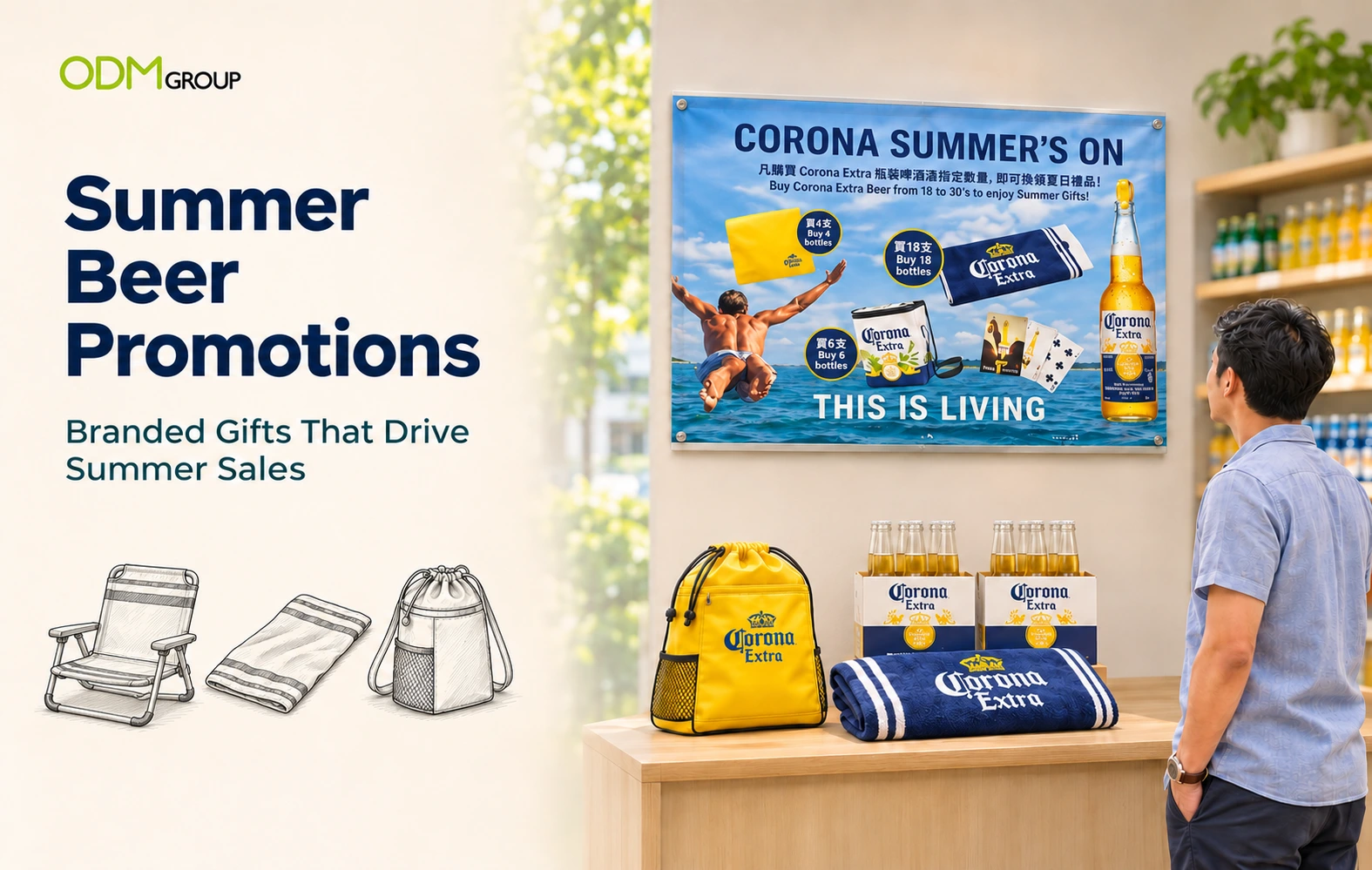
This article analyzes a historical third-party Corona promotion for marketing and design inspiration. It is not presented as an ODM-designed or manufactured project.
How Corona’s Summer Promotion Worked
The documented campaign offered the following gifts:
| Qualifying purchase | Promotional gift |
|---|---|
| 4 bottles | Hand towel |
| 6 bottles | Cooler bag or playing cards advertised as waterproof |
| 18 bottles | Beach towel |
These are historical offer details, not a current promotion. The available record does not establish present availability, full redemption terms, or campaign results. theodmgroup.com
The assortment connected the brand with summer leisure through items people could carry, use, or bring to a social gathering.
Choose Merchandise Around the Adult Audience’s Plans
Start with what recipients are likely to do with the gift. A compact item for an event giveaway has different requirements from a larger reward collected at a retail counter.
For a new campaign, compare the options against audience relevance, perceived value, packed size, and distribution cost. The most elaborate item is not automatically the best fit.
A focused gift-with-purchase concept should make the relationship between product and reward easy to understand. Choose the gift and offer together, rather than adding a purchase threshold after the merchandise has been selected.
Design Considerations for Summer Promotional Gifts
Towels: Plan the artwork for actual use
A towel provides a generous design surface, but it will often be folded, draped, or partly covered. Place a recognizable brand element where it remains visible in more than one orientation.
Compare fabric feel, absorbency, weight, drying behavior, and packed volume through samples. Review printed or woven artwork alongside the material choice, since each approach can affect detail and appearance.
ODM Insight: Approve towel artwork in both its open and folded states. The design that works best for a full-size presentation may disappear when the gift is packed for distribution.
Cooler bags: Define capacity before choosing the shape
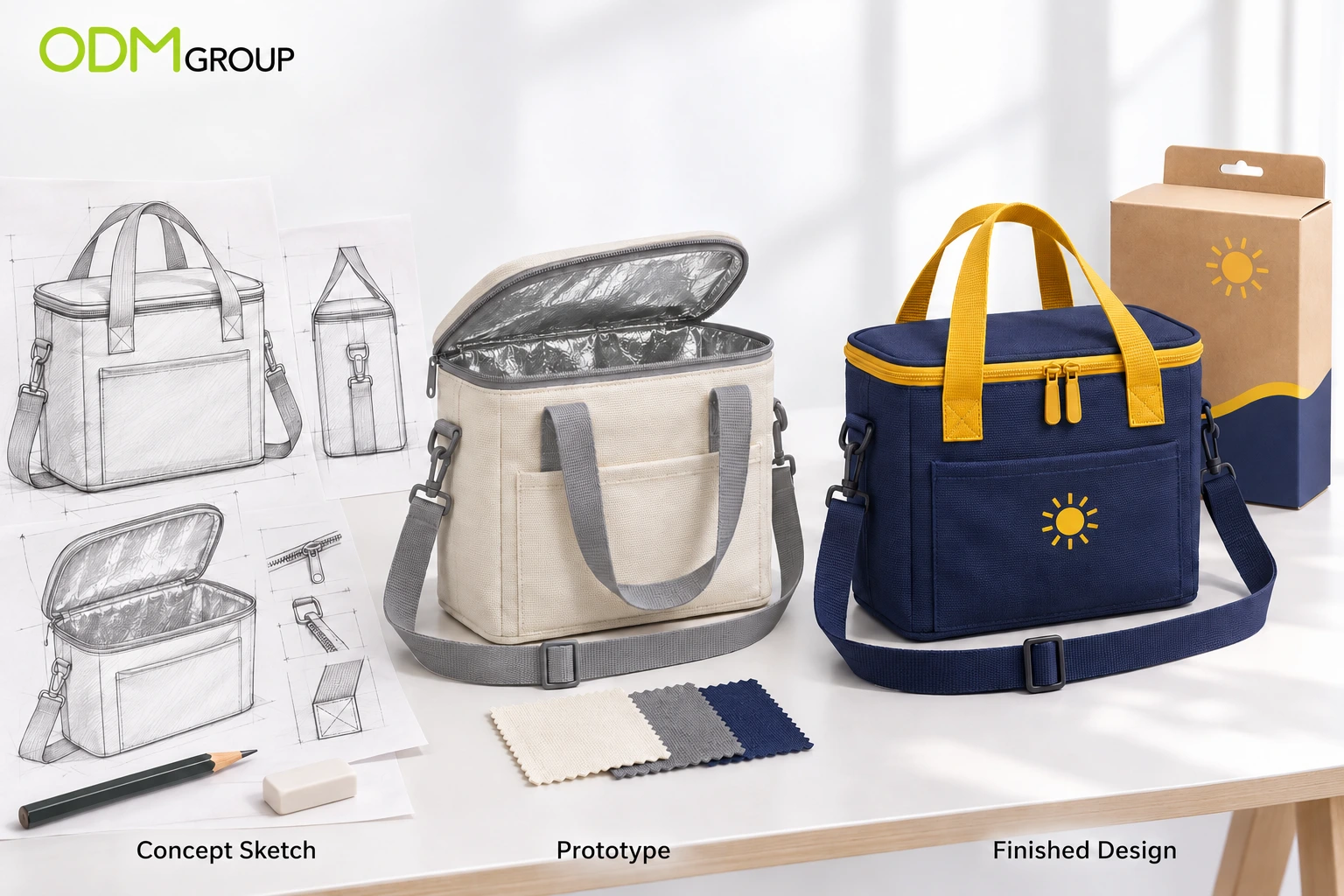
Build the brief around the actual bottles or cans the bag needs to hold. Include space for any intended cooling medium and confirm how the loaded bag will be carried.
Review the opening, handles, stitching, lining, and closure on a complete sample. If the campaign requires a particular temperature-retention period, agree on the conditions and evidence needed to support that claim.
Keep branding clear without making the bag awkward to use. A large graphic should work around seams, pockets, and handle attachments.
Playing cards: Assess the whole deck and its case
For a deck intended for outdoor use, review shuffling, grip, readability, and how the cards behave after exposure to the intended conditions. Confirm the material and test any water-resistance claim rather than relying on appearance.
Develop the card backs and storage case together. A distinctive back design creates consistency across the deck, while the case can carry the campaign message and keep the set organized.
ODM Insight: Assess the packed gift as one product. Durable cards still need a case suited to the same use conditions.
Make the Retail Offer Easy to Compare
When a promotion includes several gifts, give each offer a clear place in the display. Customers should be able to match the qualifying purchase to the correct reward without searching through competing graphics.
A practical layout can pair one product image with one requirement, supported by concise collection instructions. Keep eligibility details and terms readable, and distinguish alternatives from items included together.
Before approving the display, review it at the distance and angle customers will encounter in-store. Check whether shelving, products, or counter fixtures obscure the message.
For a new campaign, also define where gifts will be stored, who will hand them over, and how staff will handle unavailable options. These decisions belong in the campaign brief alongside the visual design.
Build a Coherent Merchandise Collection
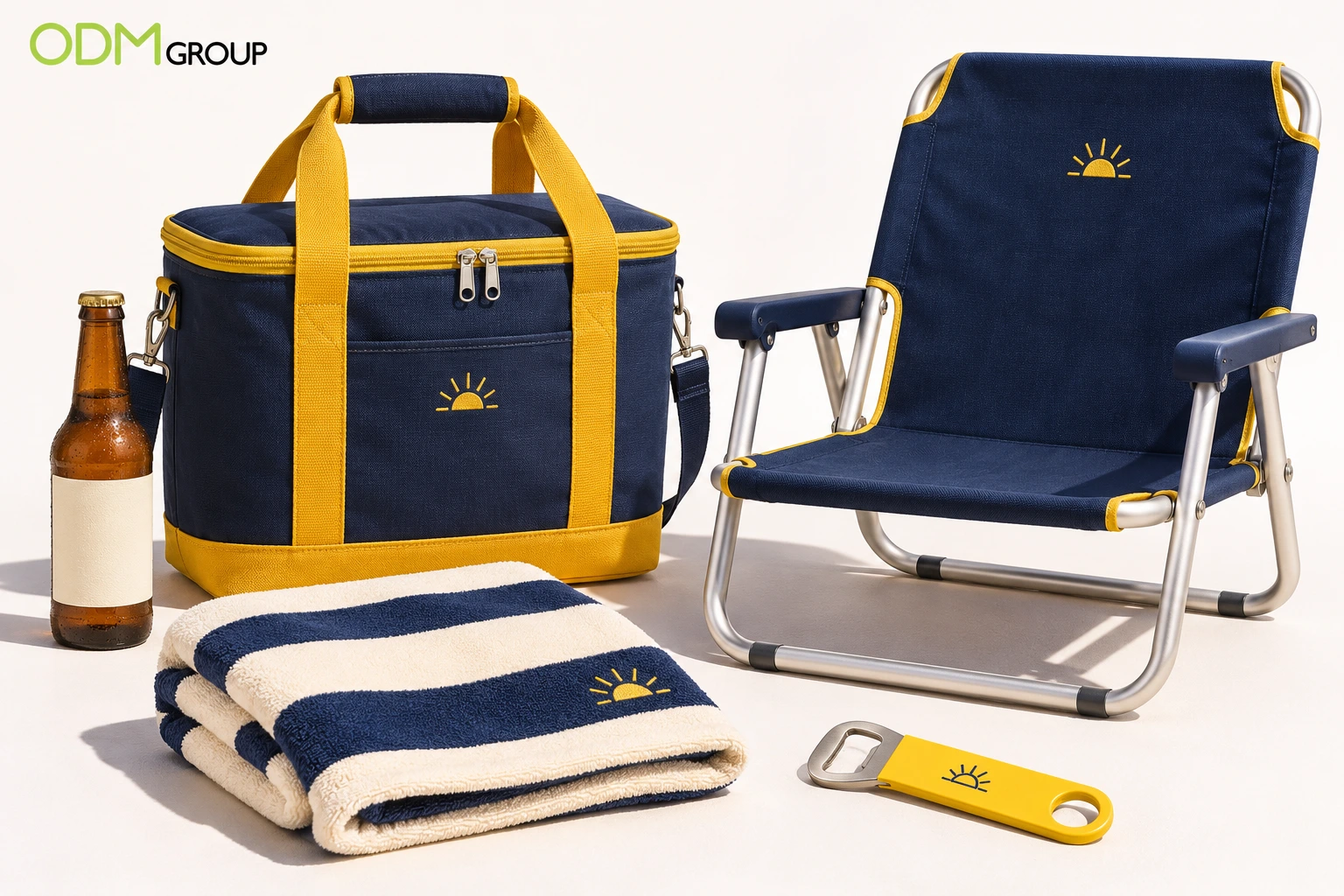
A shared color palette, illustration style, or graphic motif can connect several products while allowing each to suit its own shape and material.
Avoid simply enlarging the same logo file across every item. Map the artwork to the towel, bag, and card case separately, then review them together to check that they still feel like one collection.
For another observed approach to the category, explore Corona’s branded duffle-bag promotion. Use it as a separate reference for how the choice of bag and visual identity can support a campaign theme.
What to Confirm Before Launch
Define the adult audience, destination market, retail channel, target quantity, budget, and delivery date before finalizing the merchandise. Confirm market-specific requirements for alcohol-related offers and branded gifts as part of campaign planning.
The development review should cover:
- Specifications: Dimensions, materials, decoration, construction, and packed format.
- Performance: Any agreed requirements for absorbency, carrying load, cooling, or water resistance.
- Sampling: Decorated samples that represent the proposed finished products.
- Retail handling: Storage space, gift protection, collection instructions, and stock allocation.
- Schedule: Artwork approval, prototype review, revisions, testing where required, and delivery.
Minimum quantities and costs depend on the product, custom materials, decoration, packaging, and number of variants. Compare the complete campaign cost, including distribution and unused stock, rather than the gift’s unit price alone.
Measure the Campaign Against Its Objective
Set the success criteria before launch. Depending on the objective, track gift redemption, stock availability, customer feedback, and sales performance against a suitable comparison period or group of stores.
Keep participation separate from profitability. A high redemption rate needs to be assessed alongside merchandise costs, operational effort, and whether the offer reached the intended audience.
Develop Your Summer Merchandise Concept with ODM
ODM develops creative concepts for promotional merchandise, packaging, and retail displays. A summer drinks brief can bring together relevant gifts, coordinated artwork, and a retail presentation built around the intended audience.
Share your campaign brief with ODM, including the audience, market, distribution channel, quantity, budget, and deadline, to explore a merchandise direction for your brand.
More Product Ideas


What to Read Next?
Custom Beer Merchandise Ideas: Is It Worth Selling Them?
Beer has long transcended its role as a simple [...]

Swing for Success: 6 Branding Benefits of Baseball Bat Beer Cup
Sports festivals and events are highly anticipated dates for [...]

Cyprus Promotional Products: How to Market Drinks with Swag?
Promotional merchandise is indeed one of the most crucial [...]
Striking Metal POP Display: How Skol Captured Shoppers’ Interest?
A point-of-purchase (POP) display is made to showcase a [...]
Beer Discovery Zone: What Made Tiger Beer Store Display A Success?
Shoppers usually go to stores with lists of things [...]




Drink Up! How Beer Glasses with Logos Make Great Promo Gifts
Nothing complements a refreshing beer quite like a quality [...]