Promotional products are often treated as a cost, rather than an investment. This usually happens when the product delivers value only at the point of distribution. Once it is handed over, it has little influence on brand recall or ongoing engagement.
To improve return on investment, brands need to focus on products that remain in use. Silicone tea infusers offer a practical example. They are cost-efficient to produce, easy to distribute, and most importantly, integrated into daily routines. This combination allows them to deliver repeated brand exposure without additional spend.
Why Most Promotional Campaigns Underperform
Many campaigns are built around short-term visibility. The focus is on attracting attention at events, in-store displays, or online promotions. While this can drive initial engagement, it rarely translates into sustained brand presence.
The core issue is misalignment with user behavior.
If a product does not integrate into everyday life, it becomes an extra item. Even well-designed merchandise can quickly lose relevance if it requires effort to use or does not serve a clear purpose.
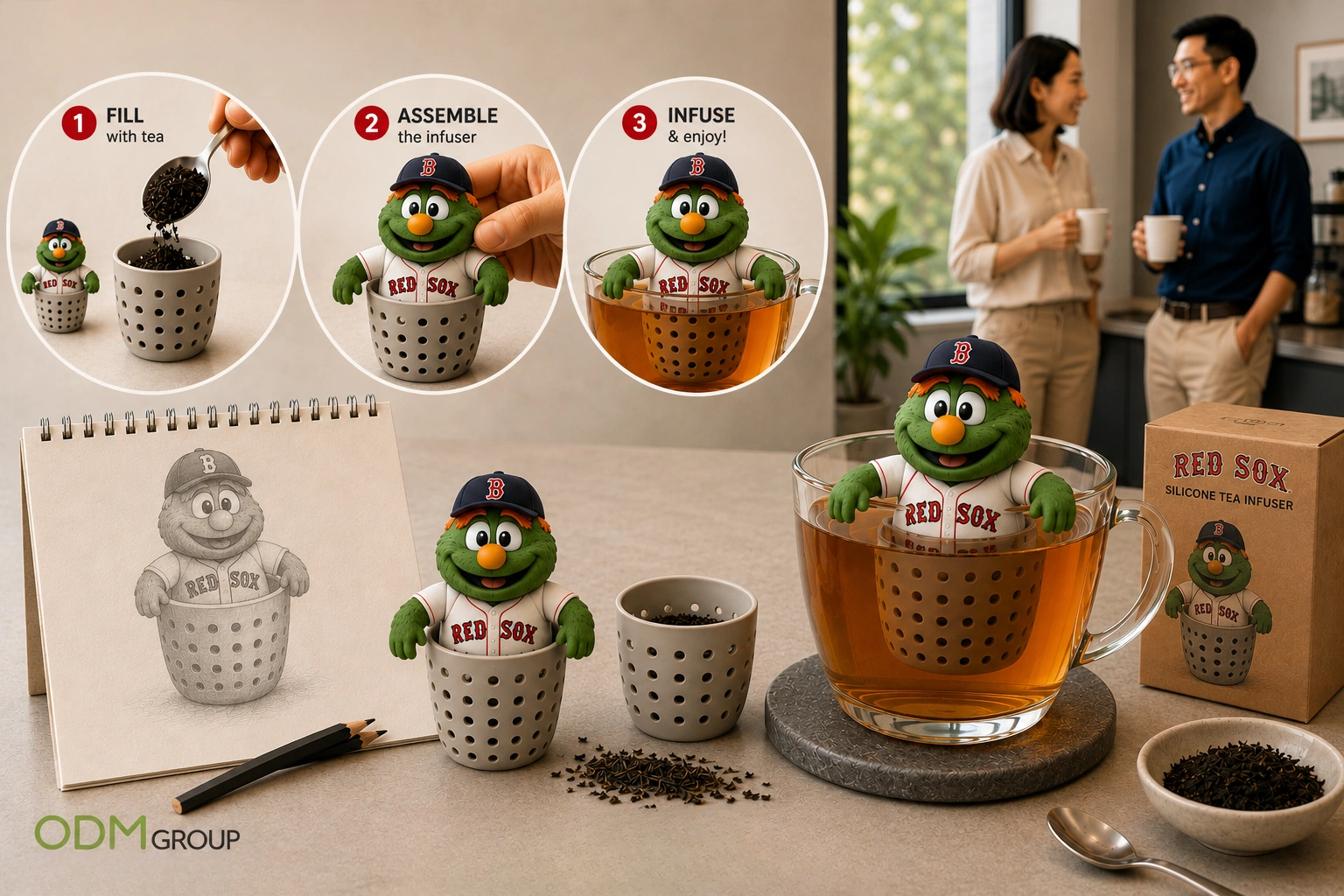
In contrast, products that align with existing habits create ongoing interaction. Tea consumption already happens in homes, offices, and shared spaces. By placing your brand within that routine, you move from a single impression to repeated exposure over time.
This is where campaign ROI begins to shift. The product continues to work long after the initial distribution, without requiring additional investment.
The Real Advantage: Where the Product Lives After the Campaign
The effectiveness of a promotional product is largely determined by where it ends up after it is received.
Most items are designed for the moment of handover. Few are designed for the environment in which they will actually be used. This disconnect is one of the main reasons campaigns fail to deliver long-term value.
A silicone tea infuser is naturally suited to high-frequency environments such as kitchens, office pantries, and desks. These are locations where users interact daily, ensuring the product remains visible and functional over time.
Equally important is the context of use. Tea is typically consumed during moments of relaxation or routine. This places the product and, by extension, the brand within a positive, low-pressure setting.
Instead of competing for attention, the product becomes part of the user’s daily experience. This type of exposure is both subtle and highly effective.
The Difference Between a Giveaway and a Campaign
A product alone does not create impact. The way it is integrated into a campaign determines its effectiveness. To maximize value, the silicone tea infuser should be positioned within a broader campaign structure:
1. Use it as a gift-with-purchase incentive
Encourage higher spending thresholds by offering the infuser as a reward. This increases perceived value at checkout while supporting immediate sales.
2. Bundle it into a complete product experience
Pair it with loose-leaf tea, branded mugs, or curated kits. This transforms a simple item into a cohesive and memorable package.
3. Introduce limited or seasonal variations
Custom colors or themed designs can create urgency and encourage repeat engagement across multiple campaigns.
4. Leverage packaging as a strategic touchpoint
Packaging can communicate brand messaging, include QR codes, or connect users to digital campaigns.
5. Extend usage beyond the initial purchase
The goal is to ensure the product continues to deliver value over time, reinforcing brand presence through repeated use.
For example, a tea brand launching a new collection could include a custom infuser in orders above a certain value. When paired with the product itself, the infuser becomes part of the consumption experience rather than an unrelated add-on. Weeks later, the brand remains present in the customer’s routine without additional marketing spend.
Why Design Directly Impacts Retention
Functionality ensures usability, but design determines whether the product is actually used.
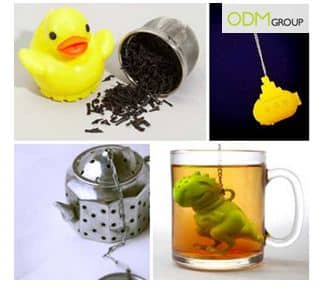
Silicone provides flexibility that allows brands to go beyond standard forms. Character-based or custom-shaped infusers can create a more engaging experience while maintaining practicality. The human-shaped design, for instance, adds a subtle interaction that makes the product more memorable.
This is not simply an aesthetic choice. It directly influences perceived value and retention.
Products that feel considered and well-designed are more likely to:
From a cost perspective, silicone infusers offer a strong balance. They deliver a higher perceived value compared to basic promotional items, while remaining cost-efficient for large-scale campaigns.


Where This Product Delivers the Most Value
The silicone tea infuser is versatile, but its effectiveness depends on alignment with user behaviour and campaign objectives.
Ideal for tea and beverage companies looking to extend product experience beyond consumption.
Enhances guest experience when included in room amenities or welcome kits, while reinforcing brand perception.
Offers a practical alternative to standard merchandise, suitable for both clients and employees.
Aligns naturally with themes of relaxation, mindfulness, and daily rituals.
Works effectively in bundled offers or seasonal campaigns to increase basket size and perceived value.
Across these use cases, the common factor is simple: the product integrates into an existing routine without requiring effort from the user.
Moving Beyond Logo Placement
One of the most common mistakes in promotional products is treating branding as an afterthought, limited to logo placement.
Effective branding requires a more integrated approach. With silicone tea infusers, this can be achieved through:
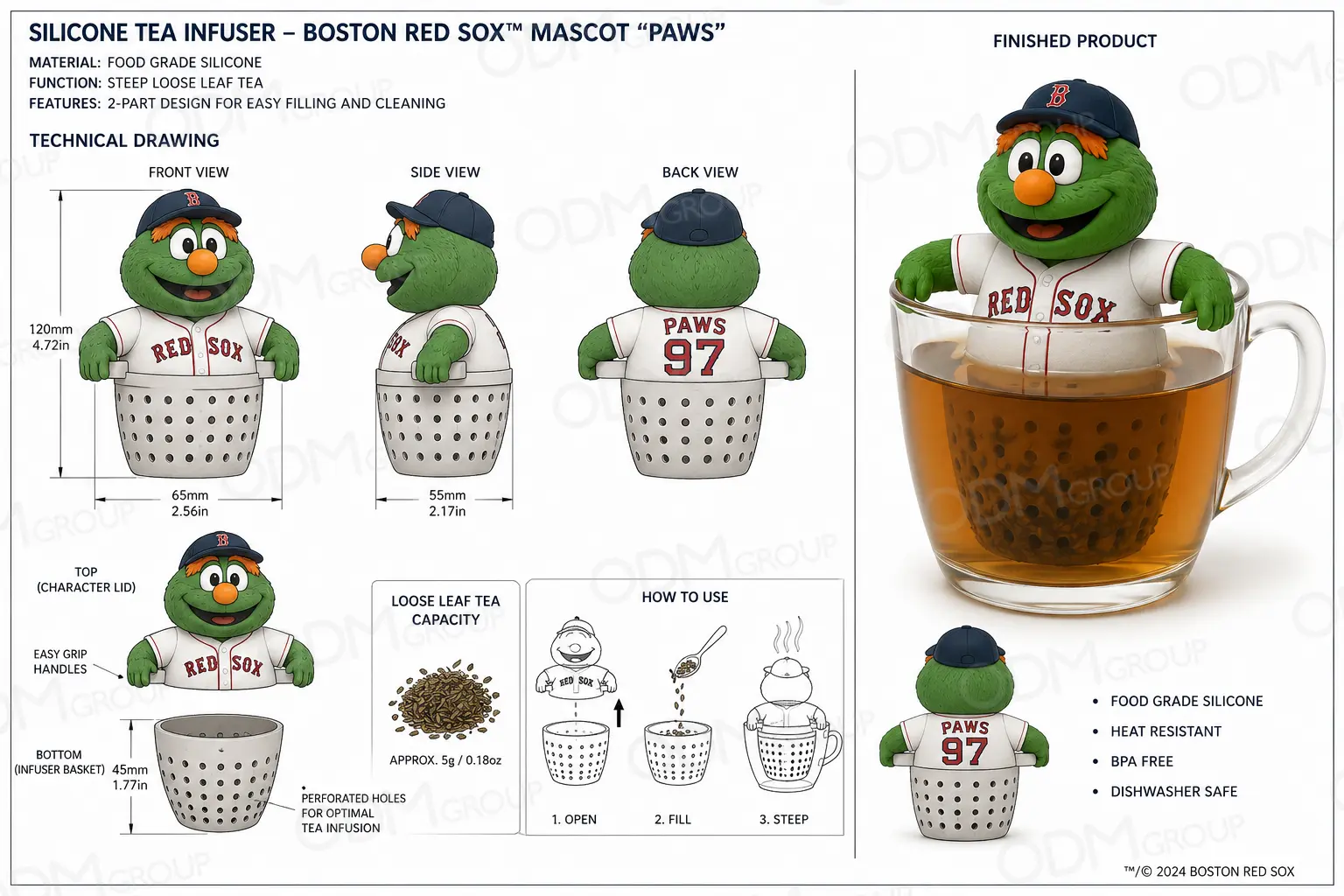
1. Shape and concept development
Designing the product around a mascot or campaign theme rather than applying branding to a generic item.
2. Color and material consistency
Ensuring the product aligns with the brand identity cohesively.
3. Packaging as part of the experience
Using packaging to communicate messaging, tell a story, or enhance perceived value.
When branding is integrated at the design stage, the product feels intentional and aligned with the campaign rather than purely promotional.
Key Questions Before You Launch
Before including this product in a campaign, it is important to define its role clearly:
1. Where will the product be used after distribution?
2. Does it align with the daily habits of the target audience?
3. Will it be offered as part of a bundle or as a standalone item?
4. How does the design reflect the brand beyond logo placement?
5. What outcome is the product expected to drive within the campaign?
These questions help ensure that the product contributes to measurable results rather than acting as a generic giveaway.
Execution: Where Strategy Becomes Reality
A strong concept requires equally strong execution. Silicone products demand precision in both design and manufacturing to ensure consistent quality and usability.
Key considerations include:
1. Mold development and detailing to achieve the intended design
2. Material quality and compliance to meet food safety standards
3. Structural balance to ensure the product functions correctly across different cup types
4. Consistency across production runs for large-scale campaigns
This stage is often where campaigns break down. Without proper oversight, even well-designed products can fail to perform as expected.
This is also where the role of a partner becomes critical. Managing design, prototyping, sourcing, and quality control as a single process ensures that what is planned is delivered accurately.
Final Thoughts
The effectiveness of a promotional product is not determined by how eye-catching it is at the moment of distribution. It is determined by how consistently it is used afterward.
Promotional tea infusers work because they fit naturally into an existing routine. They do not require users to change their behavior, making them more likely to be retained and reused.
For brands looking to improve campaign performance, this represents a shift in thinking. Instead of focusing on visibility alone, the focus should be on long-term usage and integration into everyday environments.
Work With a Partner Who Thinks Beyond the Product
Developing effective promotional products requires more than sourcing. It requires a clear understanding of how products function within a campaign, how they are used in real environments, and how they contribute to measurable outcomes.
ODM Group works with brands as a strategic partner across the entire process—from concept development and design to prototyping, sourcing, and production. The goal is not simply to deliver products, but to create solutions that support campaign objectives and drive long-term value.
If you are planning a campaign where product retention and real usage matter, the conversation should start at the strategy level, not the product level.
Connect With Our Team. We’re always ready to review your next project. Let’s design and manufacture something special together.
More Ideas


FAQs about Silicone Tea Infusers
Are silicone tea infusers safe for everyday use?
Yes, silicone tea infusers are safe for everyday use when made from food-grade silicone, as they are heat-resistant, non-toxic, and suitable for repeated contact with hot liquids.
Can silicone tea infusers be customized for branding?
Yes, silicone tea infusers can be fully customized in terms of shape, color, and packaging, allowing brands to move beyond simple logo placement and create products that reflect their identity more effectively.
What makes silicone tea infusers effective as promotional products?
Silicone tea infusers are effective because they are used regularly in daily routines, which creates repeated brand exposure over time rather than a single interaction.
How can brands use tea infusers in marketing campaigns?
Brands can use tea infusers as part of gift-with-purchase promotions, bundled kits, seasonal campaigns, or hospitality experiences to enhance perceived value and extend engagement beyond the initial interaction.
Latest Blogs
Light-Up Labels for Beverage Promotions and Custom Packaging
Light-up labels give beverage brands another option when standard [...]
Split-Flap Displays for Events, Retail and Brand Activations
Struggling to make your brand stand out in a crowded [...]
Beer Swag Ideas: Lessons from Heineken Silver’s Taiwan Campaign
Beer swag is evolving beyond traditional bottle openers and [...]
Car Tissue Holder: A Creative Automotive Promotional Gift
A car tissue holder can be more than a [...]
6 Tips for a Sustainable and Functional Promotional Travel Kit
A promotional travel kit combines practical travel essentials with [...]
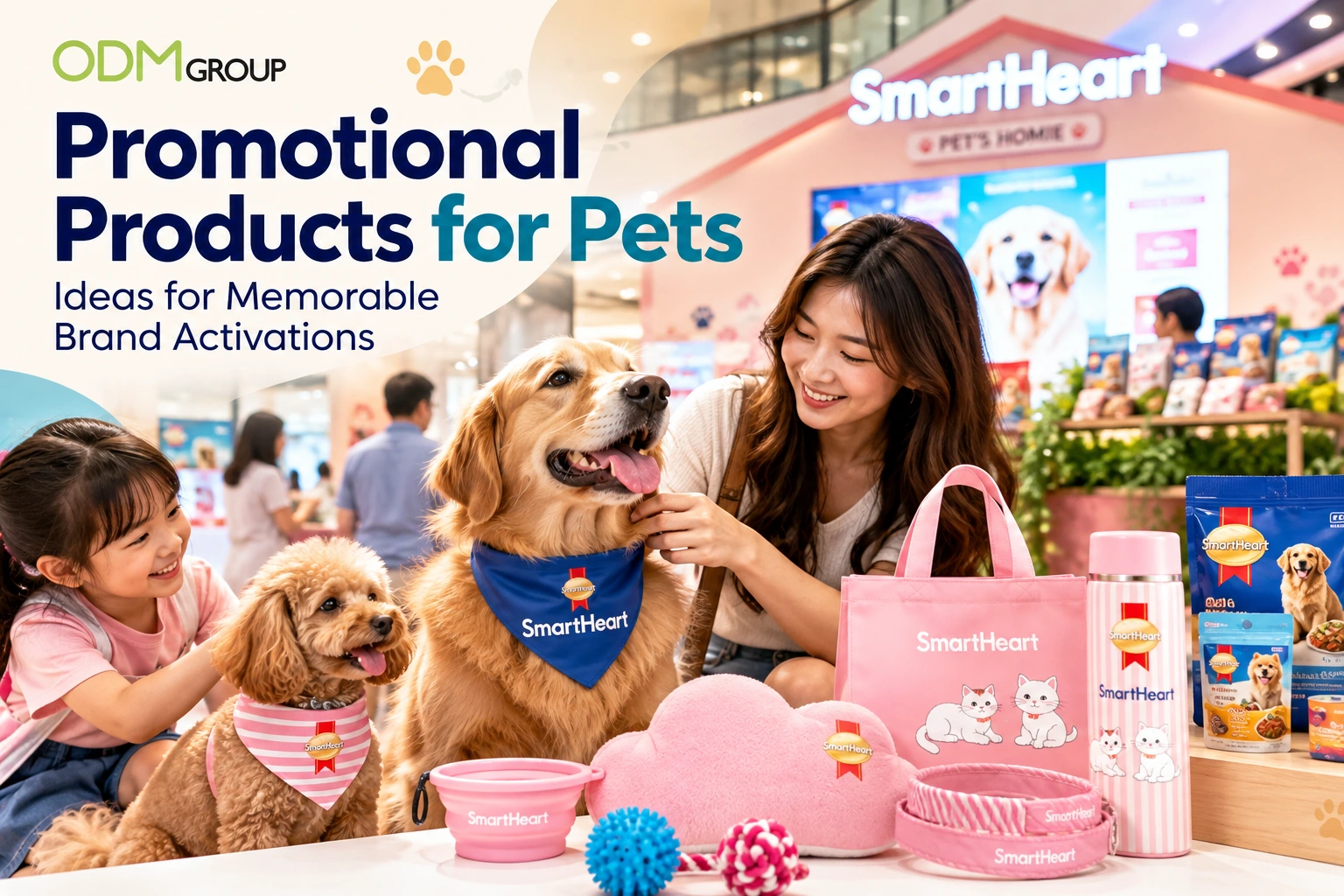
Promotional Products for Pets: Ideas Inspired by SmartHeart Pet’s Homie
During a visit to Vietnam, the ODM team came [...]