Wine packaging trends in 2027 are being shaped by more than visual design. Bottle weight, recyclability, packaging regulations, changing drinking occasions and the continued shift toward premium products are influencing how wine brands present their products.
For marketing and packaging teams, this creates an interesting challenge. Packaging still needs to attract attention, protect the wine and communicate value, but brands are also under pressure to reduce unnecessary materials and rethink traditional assumptions about what makes a wine look premium.
Current industry data already points toward several changes that are likely to become more important going into 2027.
Why Is Wine Packaging Changing Going Into 2027?
Three forces are particularly important: environmental impact, regulation and changing wine consumption.
Wine Australia estimates that packaging accounts for 44% of greenhouse gas emissions from the Australian grape and wine sector, with heavy glass bottles alone contributing approximately 34.4% of total emissions. This has put bottle weight and alternative packaging formats firmly on the industry’s agenda.
Packaging rules are also becoming more demanding. The EU Packaging and Packaging Waste Regulation began applying from 12 August 2026, with further recyclability and recycled-content requirements being introduced over the coming years. Without additional action, packaging waste in the EU had been projected to increase by 19% by 2030, with plastic packaging waste potentially increasing by 46%.
At the same time, the wine market itself is changing. Wine Australia, citing IWSR forecasts, reported that commercial wine sales could decline by 117 million cases over five years, while premium wine sales could grow by around 18 million cases.
For packaging teams, the message is clear: wine packaging needs to do more while often using less.
Top Wine Packaging Trends to Watch in 2027
1. Lightweight Glass Gains Ground
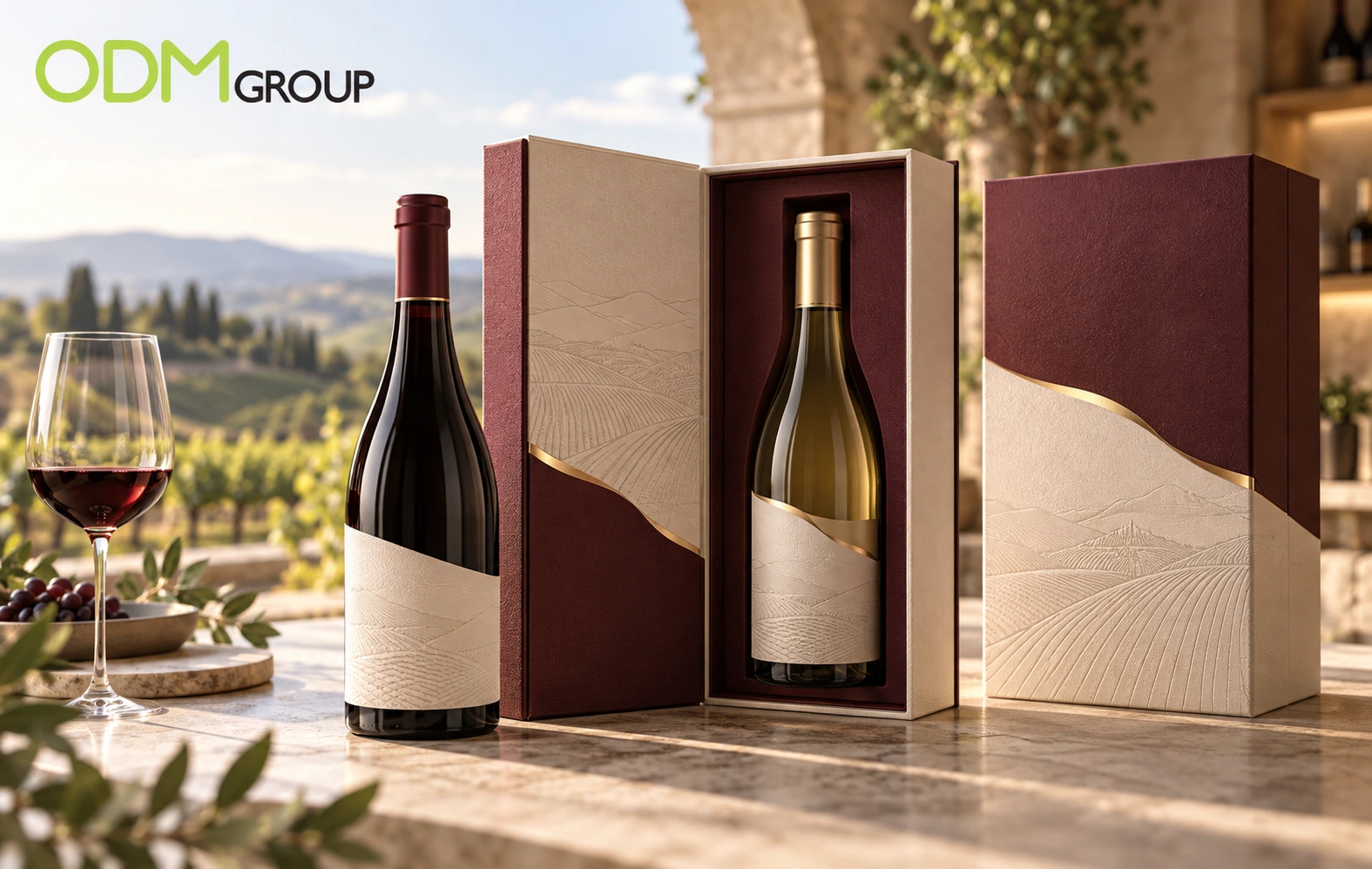
Wine Australia estimates packaging accounts for 44% of sector emissions, with heavy glass a major contributor. Its roadmap targets 40% of bottles at 380g or less by 2030, reinforcing the shift toward lighter bottles.
2. Recyclability Becomes More Important
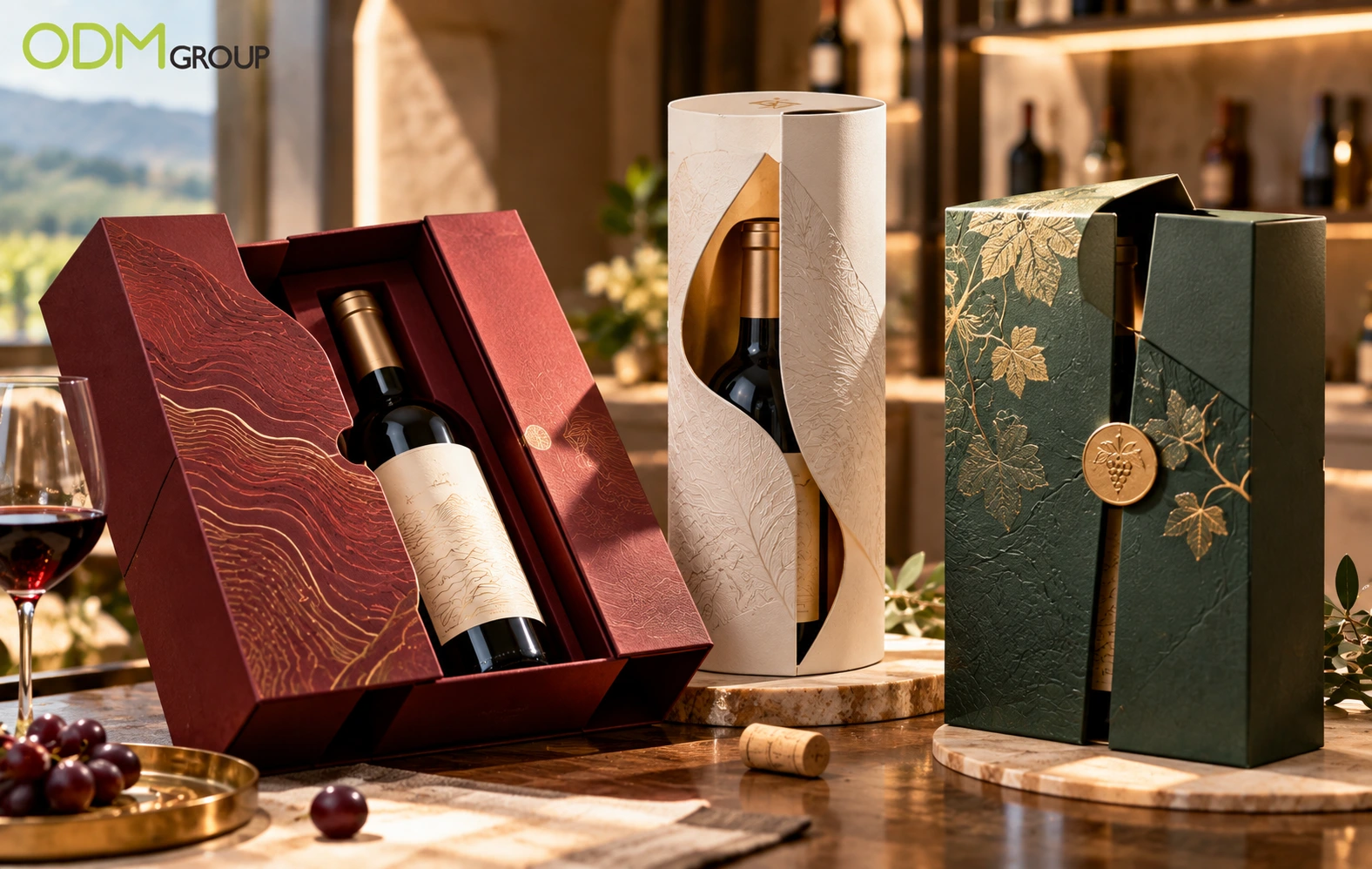
UK recycling targets for 2027 rise to 79% for paper and board, 78% for glass, 63% for aluminium and 59% for plastic. New recyclability assessments can also influence producer fees, making material choice more commercially important.
3. Alternative Formats Continue Growing
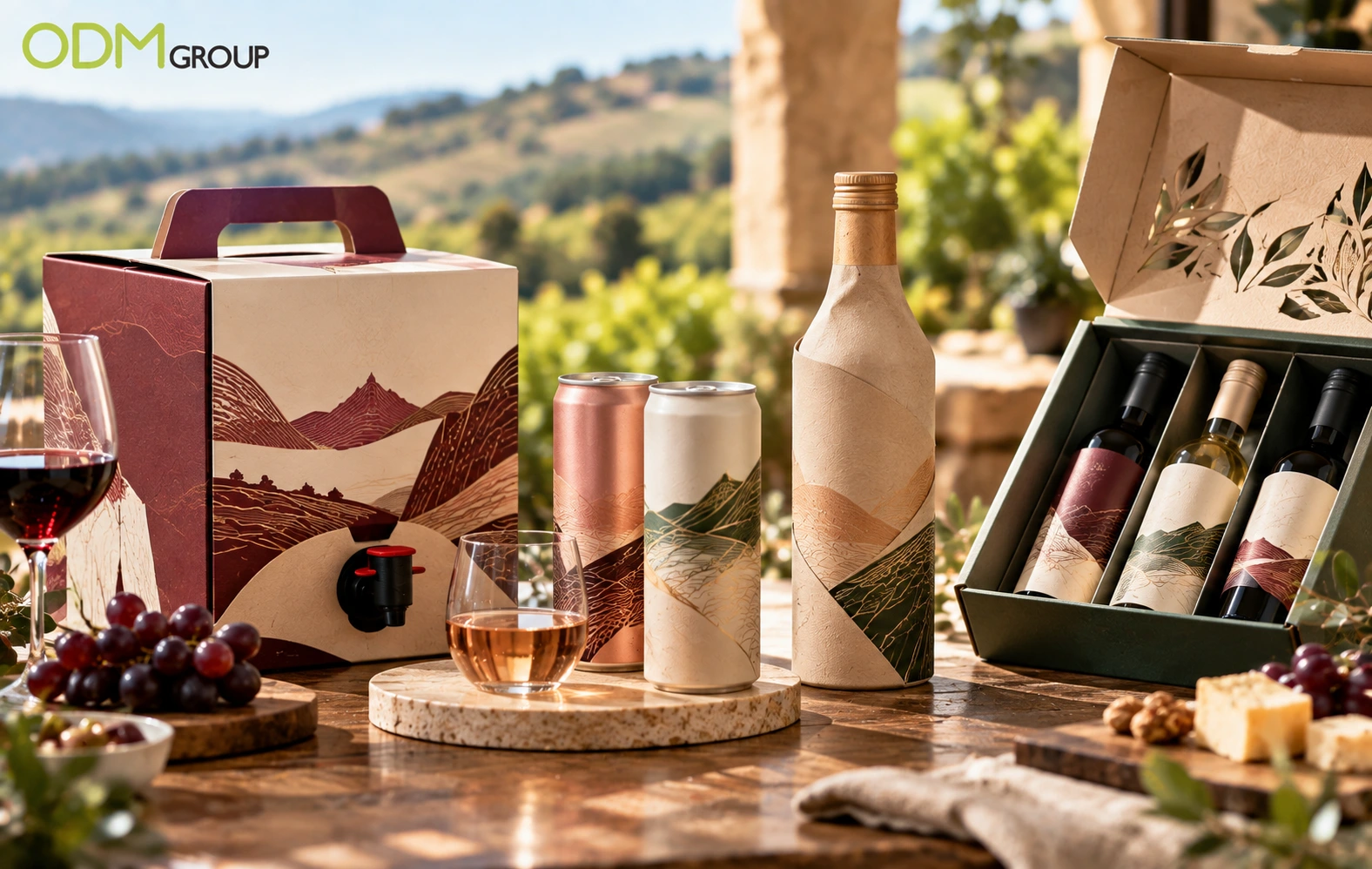
In Sweden, Australian wine sold in PET bottles increased 11% in 2024, while cans grew 18% and pouches 74%, although from smaller bases. This supports greater use of alternative formats for specific occasions and markets.
4. Sustainable Packaging Moves Upmarket
Premium packaging is no longer limited to heavy glass. Wine producers are testing lighter and alternative formats while still focusing on quality, design and presentation.
5. QR Codes Become Part of Label Design
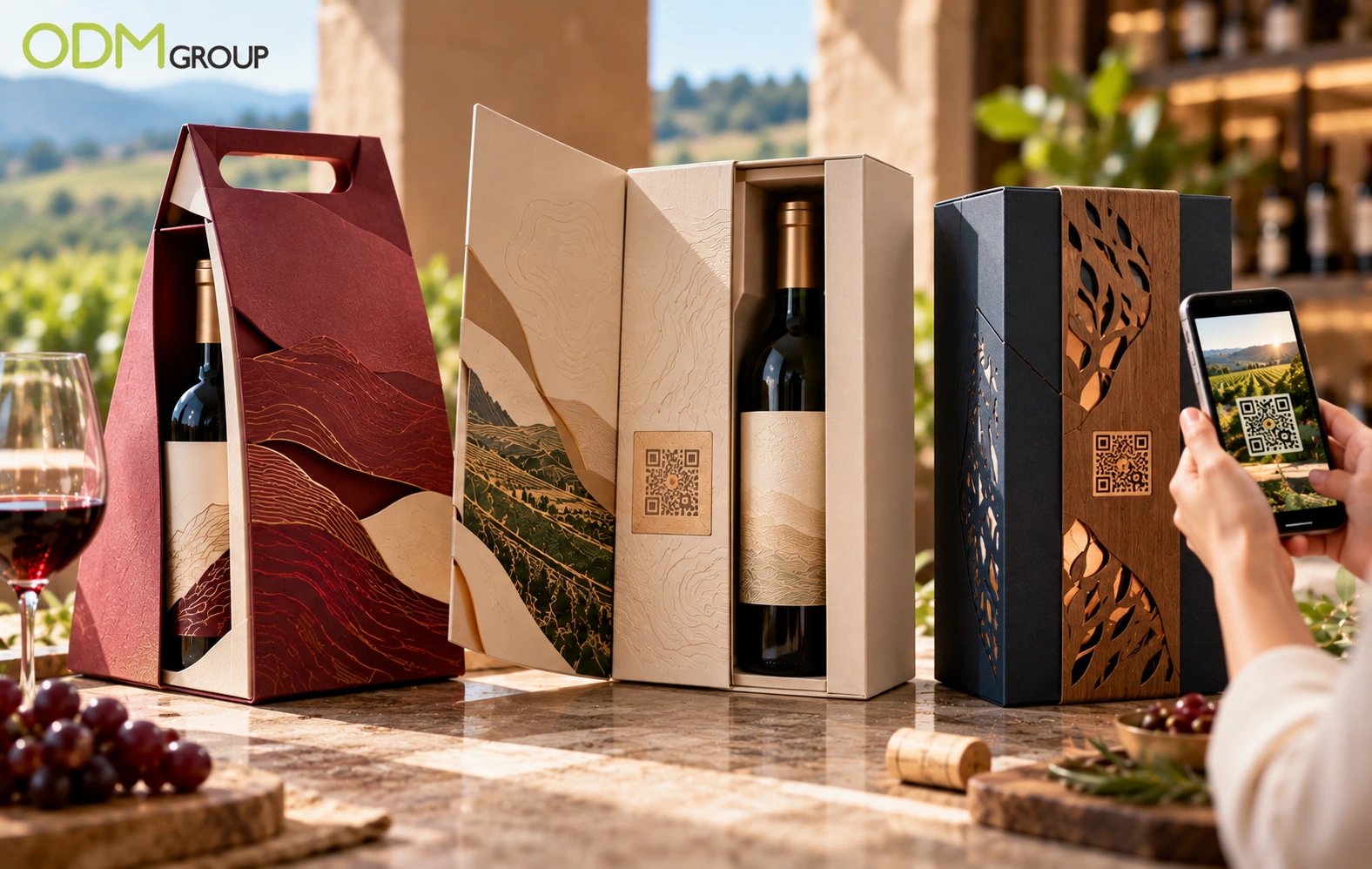
EU wine rules allow ingredient and nutrition information to be provided electronically, including through QR codes. This makes digital information an increasingly important part of label planning.
6. Premium Packaging Uses Materials More Efficiently
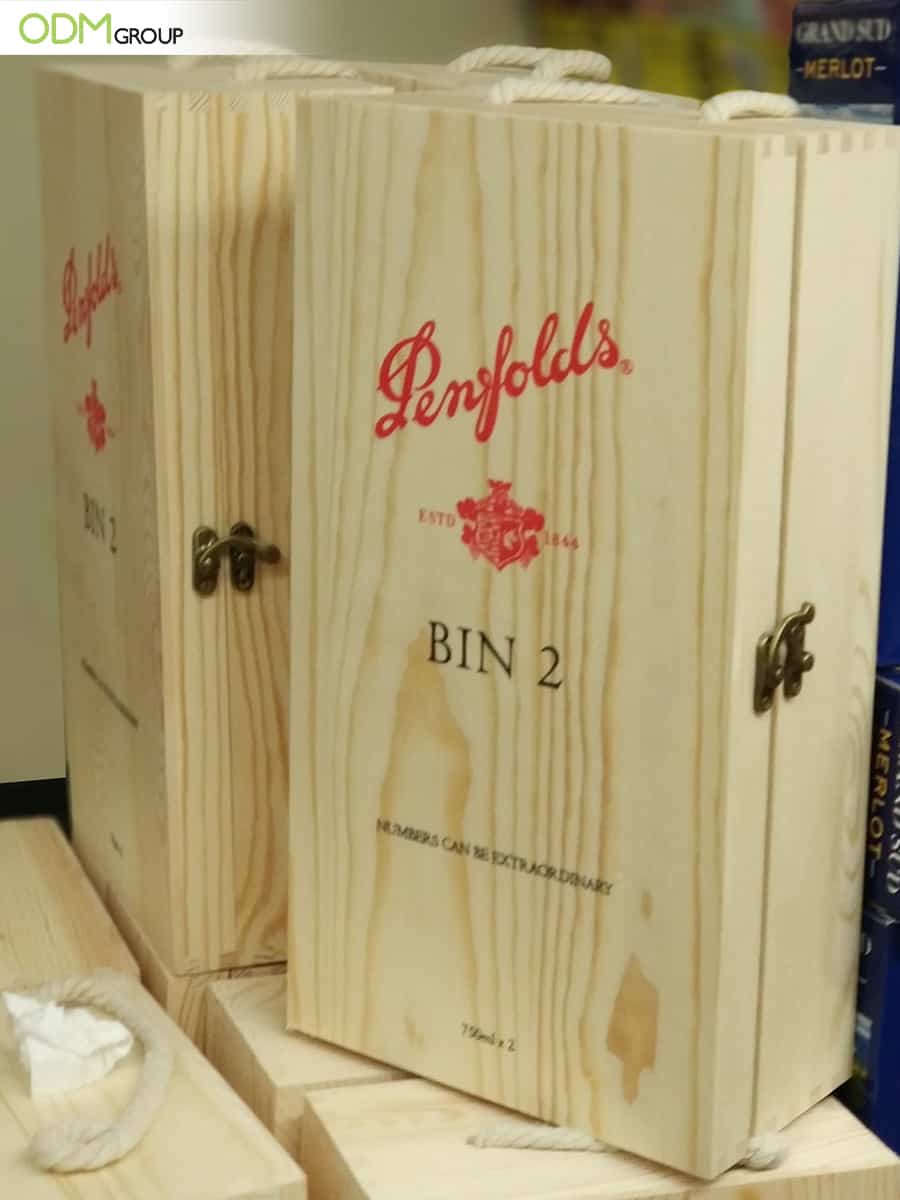
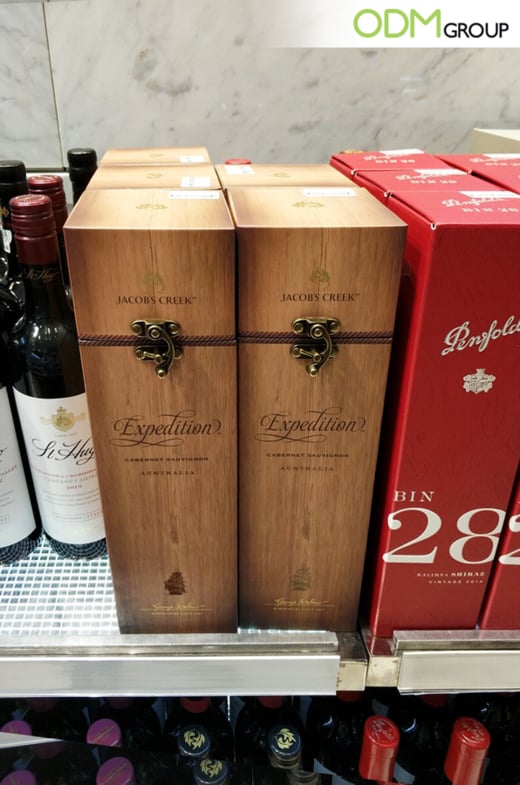
Regulations and producer-responsibility schemes are encouraging brands to reduce unnecessary packaging and improve recyclability. For premium wine, this is pushing designers toward right-sized boxes, simpler material combinations and more reusable structures.
7. Packaging Has to Communicate More Value
IWSR forecasts cited by Wine Australia show commercial wine sales declining by 117 million cases over five years, while premium wine sales are expected to grow by 18 million cases. As consumers buy less wine overall, packaging can play a bigger role in communicating quality and differentiation.
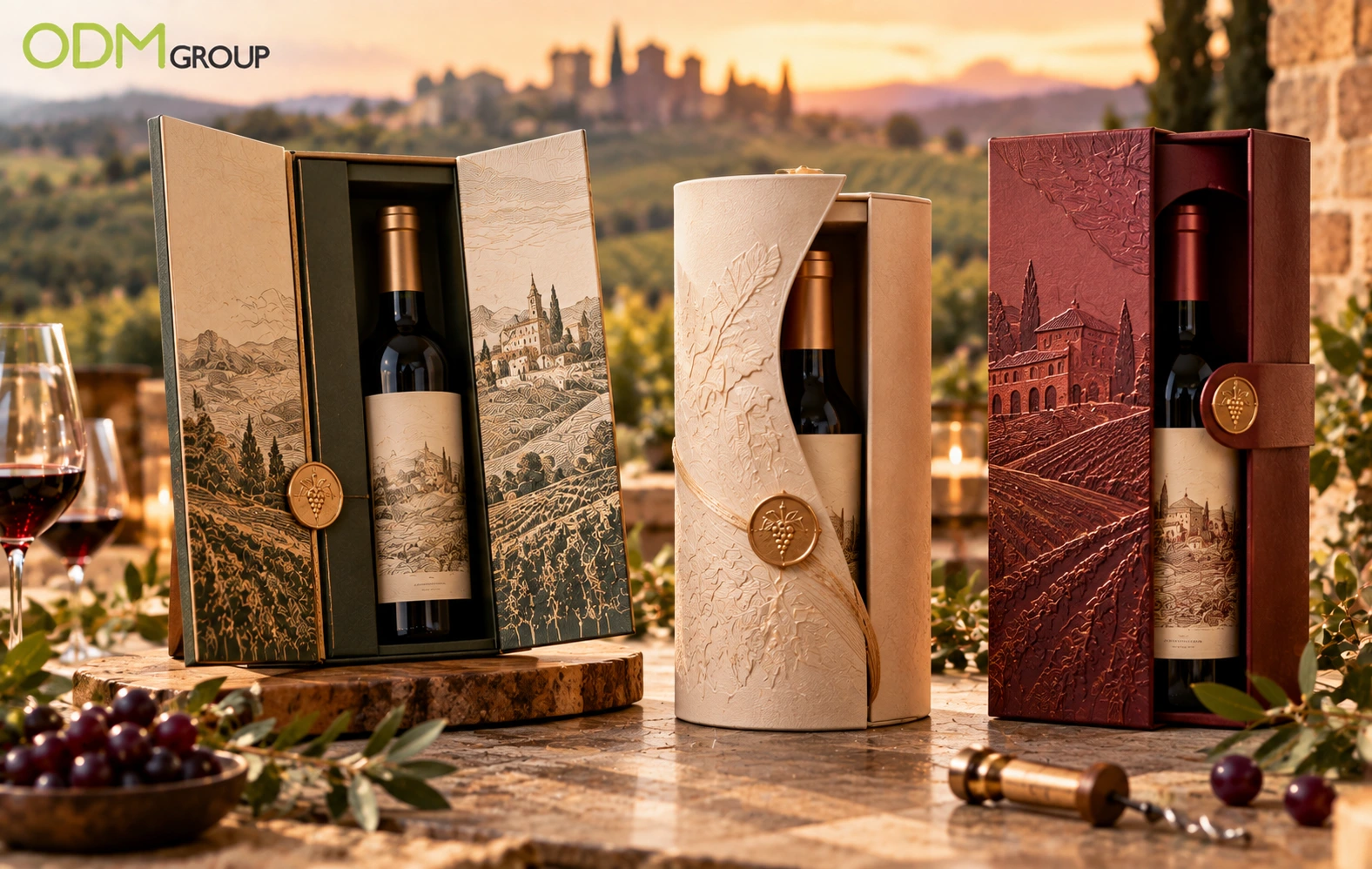
Regal Rogue’s Paper-Wrapped Wine Packaging
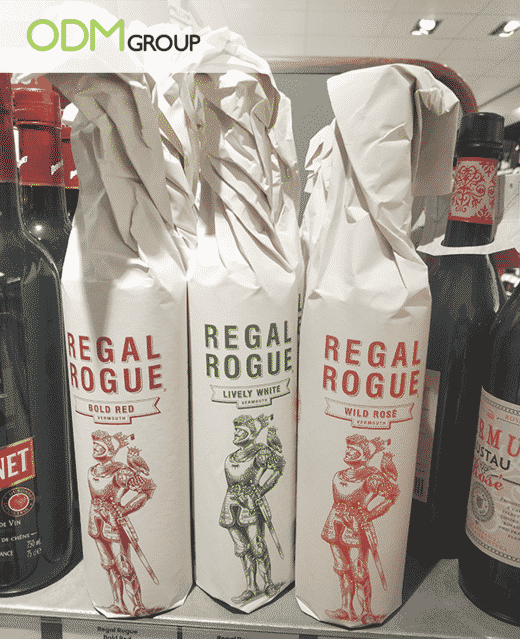
Wine is a major commodity across the globe. And there’s a lot of wine brands that compete to become the top wine seller. And for your brand to emerge as one of the top brands, you’ll need to have effective marketing gimmicks. Most of the brands offer promotional products, whilst some improve their merchandise POS displays. Others invest in effective and high-quality packaging. The use of eco-friendly, sustainable materials is just one of the many innovative wine packaging trends today. In this blog, we’ll take a look at Regal Rogue and how effective its packaging is!
Tear Off Your Old Design And Unfold New Wine Packaging Trends
What Can Brands Learn From This Approach?
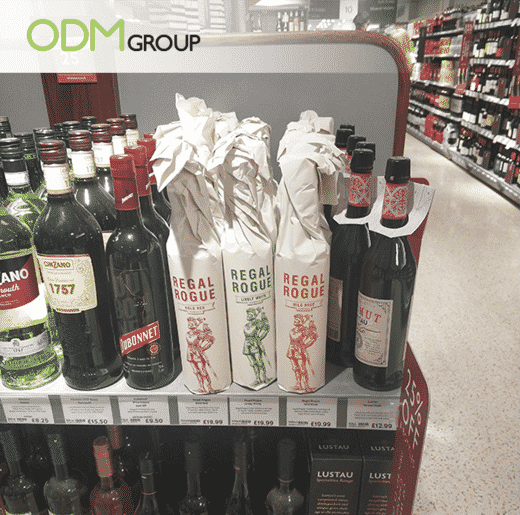
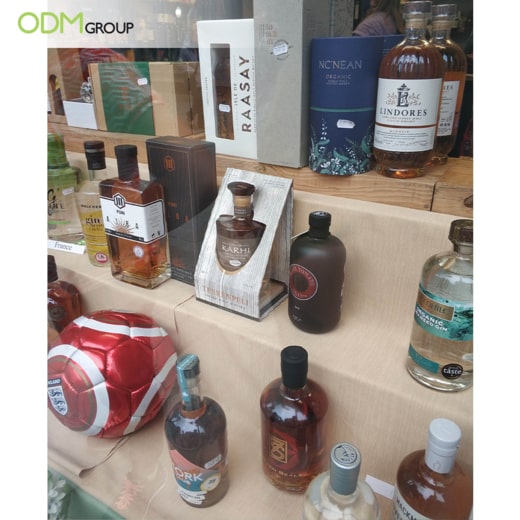
- Eye-catching – Joining the bandwagon has incredible benefits for the brand. Most of the time it brings positive results which stimulate sales and improves brand perception. And customers are familiar with these trends (because they always see it in the retail shops) therefore, it makes it easy for brands to catch the attention of these shoppers. Just take a look at our sample from Regal Rogue, they wrapped their wine bottles in a custom printed wrapping paper to stand out from the shelves. This is a great idea because not only did the bottle bottles stand out from the dullness of the shelf, it also conveyed their brand image. Colors vary to differentiate the variant. We can even spot it even from afar!
- Eco-friendly – Since Regal Rogue uses paper instead of plastic, it goes to show that the brand is environmentally-conscious. Making a stand and showing your customers that you use sustainable materials is a good marketing move. This attracts people with the same advocacy and values. Thus, it improves brand perception which is beneficial in the long run. If you’d like to see another eco-friendly drinks or wine packaging design, check out the blog below:
- Affordable – Paper is cheap hence any promotion that involves it would surely be cost-effective. Therefore, it allows one to reach more audience at a minimal cost. Furthermore, this boosts brand promotion by setting your brand apart from competitors. This is one great example of shelf marketing done right!
Tear Off Your Old Design And Unfold New Wine Packaging Trends
Why We Love This Packaging Design
It’s cost-effective and novel. The crumpled paper packaging looks vintage-y and the choice of colors for the graphic designs completed the look. However, this may bot be the best option as it’s not as durable as corrugated cardboard or wood.
Overall, this eco-friendly design is a huge step for the brand. It’s extremely beneficial because it’s recyclable, thus, showing that they care for the environment whilst promoting their brand.
How Should Wine Brands Choose a Packaging Direction?
Following a packaging trend simply because it is popular does not always lead to the right result. The best packaging direction should reflect the brand position, sales channel, target audience, budget and practical production requirements.
1. Start With the Sales Channel
The sales channel should influence the packaging structure from the beginning. A bottle sold in a supermarket needs strong shelf visibility and easy product recognition, while an e-commerce pack needs to prioritize bottle protection, shipping efficiency and a good unboxing experience. Corporate gifting may require a stronger presentation element, while hospitality packaging may focus more on durability, handling and convenience.
2. Consider the Brand Positioning
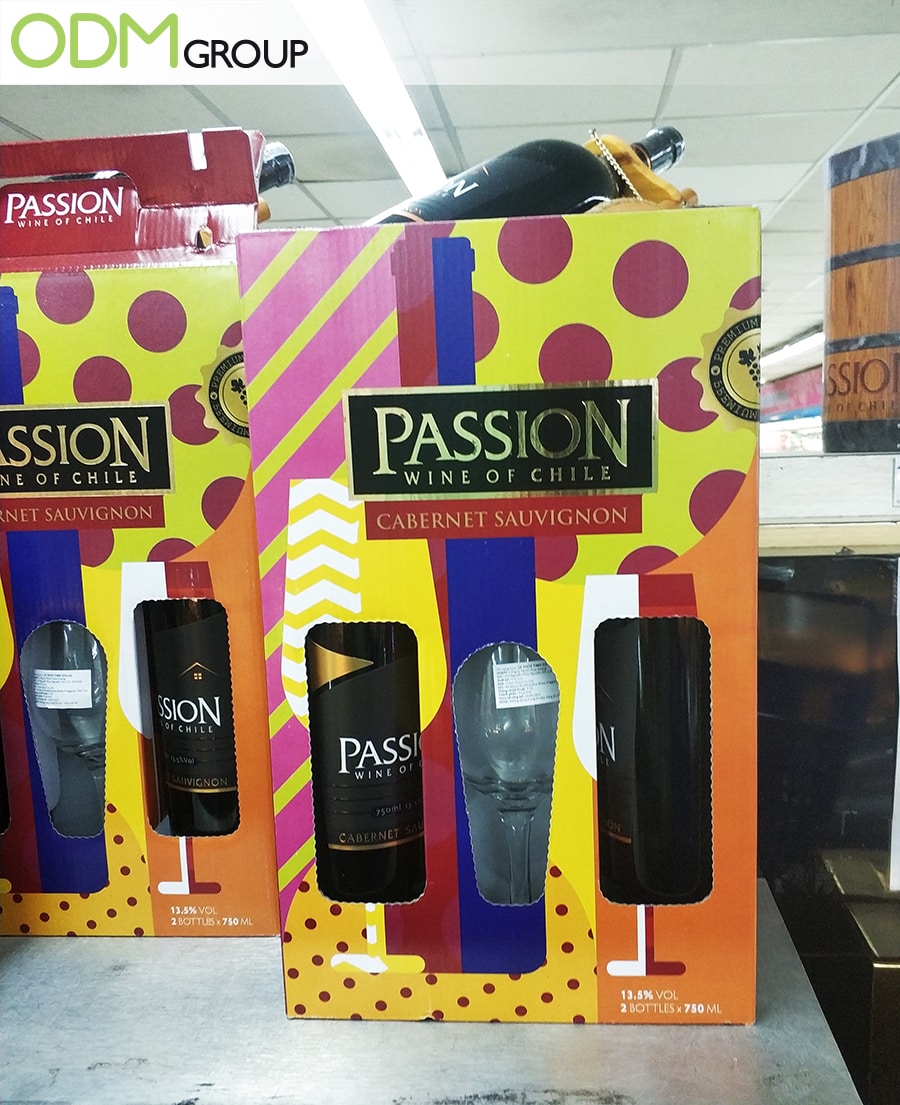
Packaging should reinforce how the wine is positioned in the market. A premium vineyard release may benefit from refined materials, subtle finishes and a carefully designed presentation box, while a casual or lifestyle-focused wine may suit a lighter, more playful format. The aim is to make the packaging feel consistent with the product rather than simply following a visual trend.
3. Consider the Full Packaging System
Wine packaging should be viewed as a complete system rather than only the outer box. The bottle, closure, label, insert, secondary packaging, shipping carton and protective materials all affect cost, weight, recyclability and production efficiency. Looking at these elements together can help brands avoid unnecessary materials and create a more practical final solution.
4. Think About Production and Logistics Early
A packaging concept may look impressive in a render but still create problems during manufacturing or shipping. Bottle dimensions, insert fit, carton size, assembly time, pallet efficiency and transport conditions should all be considered before the structure is finalized. Early technical checks can reduce the risk of costly changes later in development.
5. Test Before Moving Into Production
Prototyping is especially important for custom or unusual wine packaging. Samples can be used to check structural strength, bottle fit, print quality, opening experience and overall presentation before mass production begins. For products intended for e-commerce or long-distance shipping, additional transport and drop testing may also be necessary.
6. Balance Sustainability With Brand Experience
Sustainability should not be treated as a separate feature added at the end of the project. Material choice, packaging weight, recyclability and reusability should be considered alongside appearance and user experience. The strongest solutions are often those that reduce unnecessary material while still delivering the level of presentation expected from the brand.
From Packaging Trend to Brand-Specific Concept
Trends are useful for identifying where the market is moving, but they should be treated as a starting point.
A lightweight bottle may make sense for one brand. Another may gain more value from a reusable presentation box, a moulded-fibre structure or an alternative format designed specifically for events.
The goal is not to use every new packaging idea.
It is to find the combination of structure, material, visual identity and user experience that supports the product and the campaign.
For additional inspiration, brands can also explore ODM’s work around custom packaging for wine bottles, premium wine gift packaging and other drinks-industry promotions.
How ODM Group Supports Custom Wine Packaging Development
ODM Group works with brands across packaging, promotional merchandise, POS displays and custom product development.
For a new wine packaging project, our team can support the process from the early concept through to production.
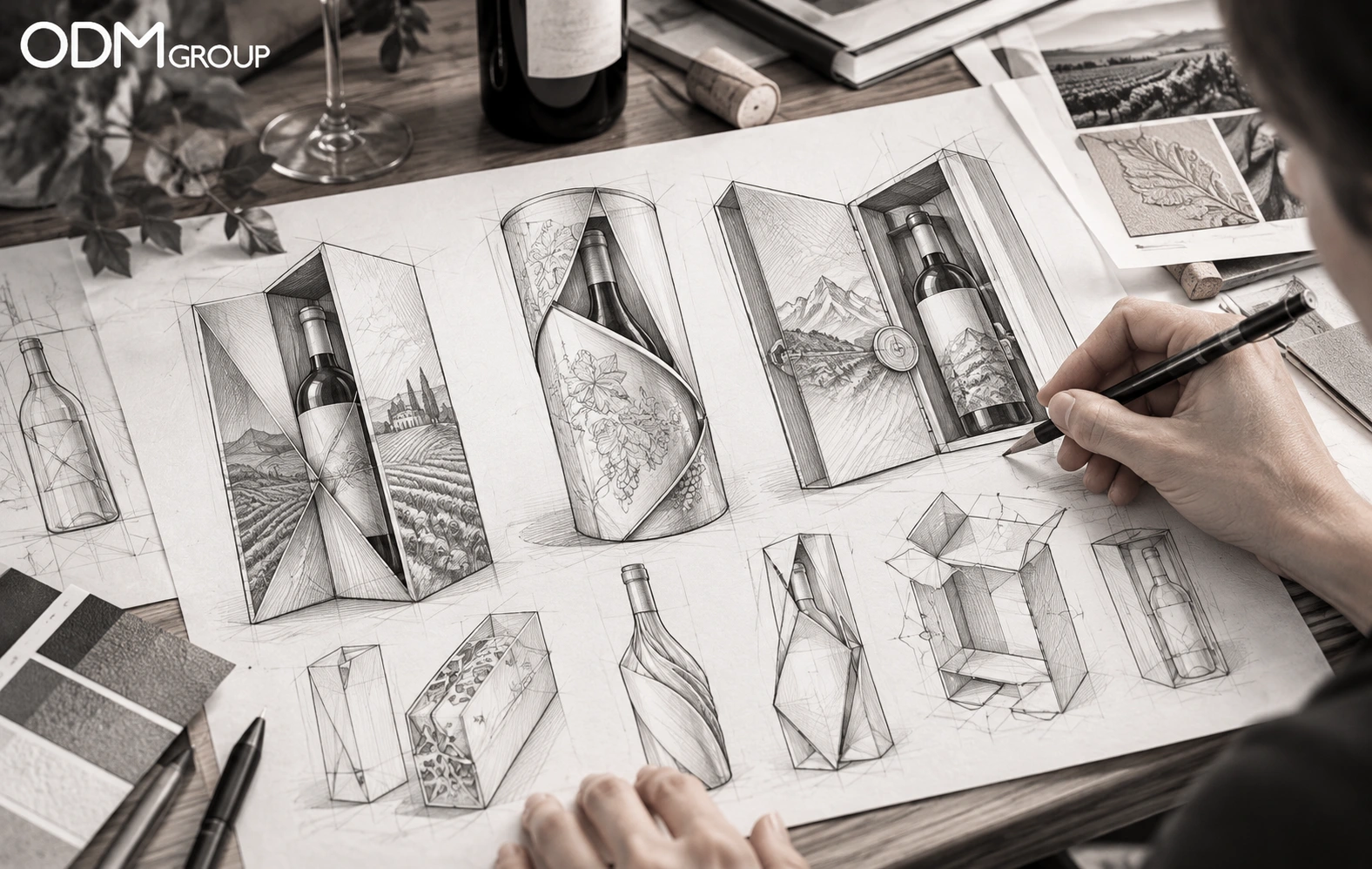
This may involve understanding the campaign objective and target market, developing structural and visual concepts, preparing sketches and 3D visualisations, prototyping packaging, identifying suitable manufacturing partners, conducting quality control and coordinating production and logistics.
This approach is particularly useful when a brand wants to develop packaging beyond an existing catalogue format.
Instead of selecting a box first and adding branding later, the structure can be developed around the bottle, sales channel, budget, consumer experience and marketing objective.
Final thought
Pétanque sets succeed in promotional campaigns because they are quietly powerful. They do not demand attention; they invite participation. They do not shout a brand message; they allow the brand to be present in moments that matter.
As brands move towards fewer, more meaningful promotional products, objects like pétanque sets offer a compelling balance of function, culture, and emotion. When thoughtfully designed and well manufactured, they become more than a game—they become part of how a brand is remembered.
At The ODM Group, we specialize in transforming creative concepts into market-ready merchandise through precision printing, professional design, and global manufacturing expertise. Contact us today to learn how we can help you design, source, and manufacture high-quality promotional products that elevate your brand awareness.
- Website: www.theodmgroup.com
- Email: info@theodmgroup.com
Frequently Asked Questions
What are the biggest wine packaging trends for 2027?
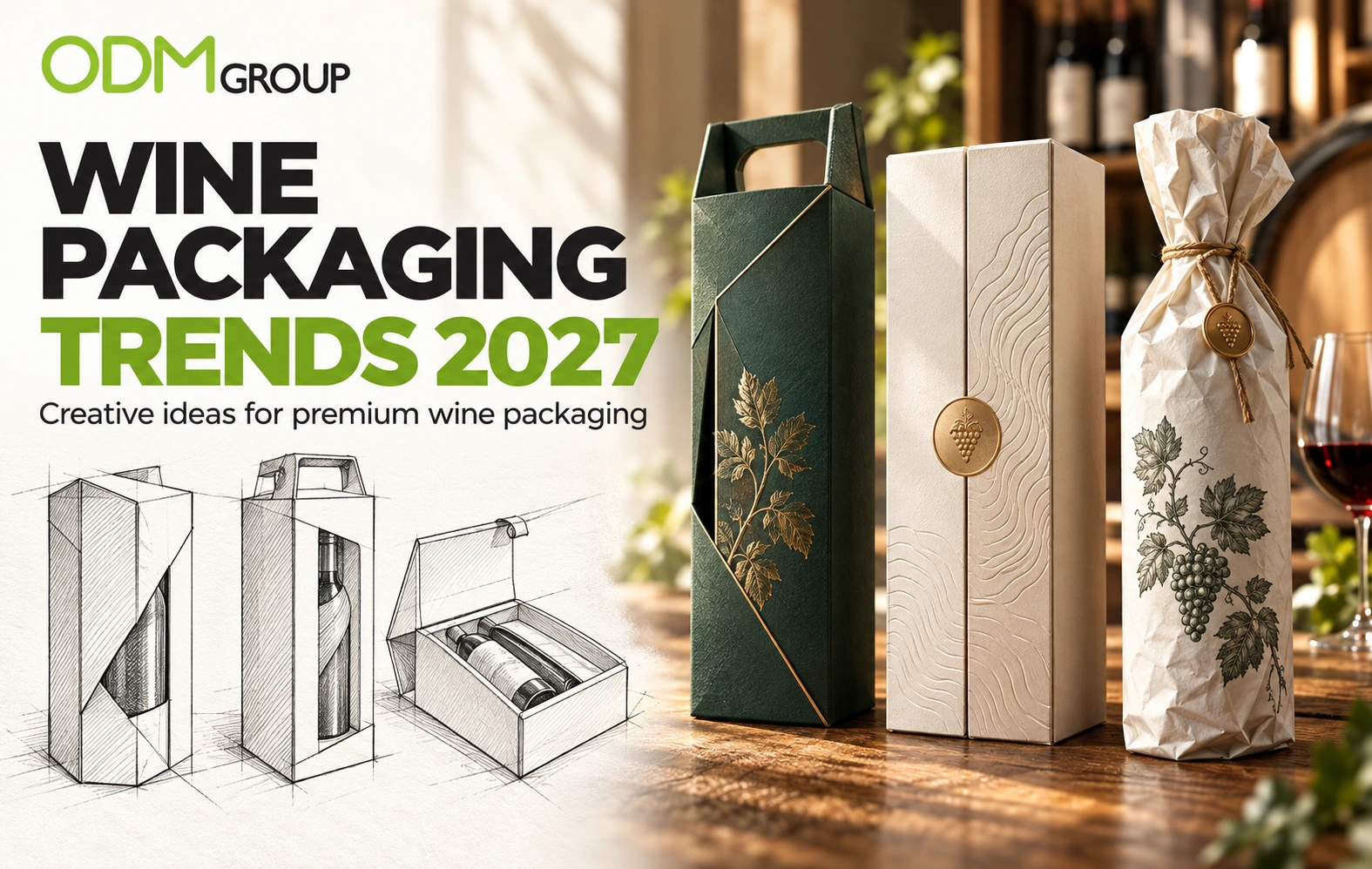
Key trends include lightweight glass, more recyclable structures, alternative formats, QR-enabled labels, premium sustainable packaging and more efficient use of materials.
Are lightweight wine bottles becoming more common?
Yes. Wine Australia’s roadmap targets wider adoption of bottles weighing 380g or less, reflecting industry efforts to reduce emissions linked to heavy glass packaging.
Can sustainable wine packaging still look premium?
Yes. Premium perception can come from structure, label design, texture, finishing and the overall opening experience rather than bottle weight or excessive materials.
Are alternative wine formats replacing glass bottles?
Not entirely. Cans, PET bottles, pouches and bag-in-box are growing for specific occasions such as events, casual consumption and at-home use, while glass remains important for traditional and premium wine.
Why are QR codes becoming more important on wine packaging?
QR codes can support digital product information, including ingredient and nutrition details in markets such as the EU, while also giving brands space for provenance, tasting notes and storytelling.
How should wine brands choose a packaging direction?
Brands should consider their target audience, sales channel, product positioning, budget, logistics and recyclability before selecting a packaging format. The best solution should balance presentation with practical production requirements.
Related Blogs:
Not all paper packaging is created equal. You can dispose of compostable paper packaging products in a home or industrial composting environment and then have the micro-organisms remove all the packaging threats. This is what separates the paper bag from other paper bags.
Russian Dolls are popular because of its unique and fun design. But it is more than just a decorative item. When done right, this could be used as an excellent product packaging solution.
Instead of the widely used and seen rectangular promotional packaging design, why not go for the distinctive and different style like the conical packaging? What makes it special is the pointed top and broad base. Shaped like a mini mountain, people will certainly be curious to what could fit in there. This raises awareness about your brand as customers pick it up to find out more about the unique design and the product itself.
Tear Off Your Old Design And Unfold New Wine Packaging Trends
Wine packaging trends in 2027 are being shaped by more than visual design. Bottle [...]
5 Guide Questions to Craft Enticing Wine Gift Box Packaging
Product packaging informs consumers a lot about the brand and the product. It sets [...]
4 Reasons You Need this Wine Opener Gift Set for Your Drinks Promotion
Are you in the distillery industry? Do you want to get a leg up [...]
6 Ways How A Unique Alcohol Bottle Design Can Drive Retail Sales!
Liquor brands are constantly looking to create an edge in the marketplace. Many factors can [...]

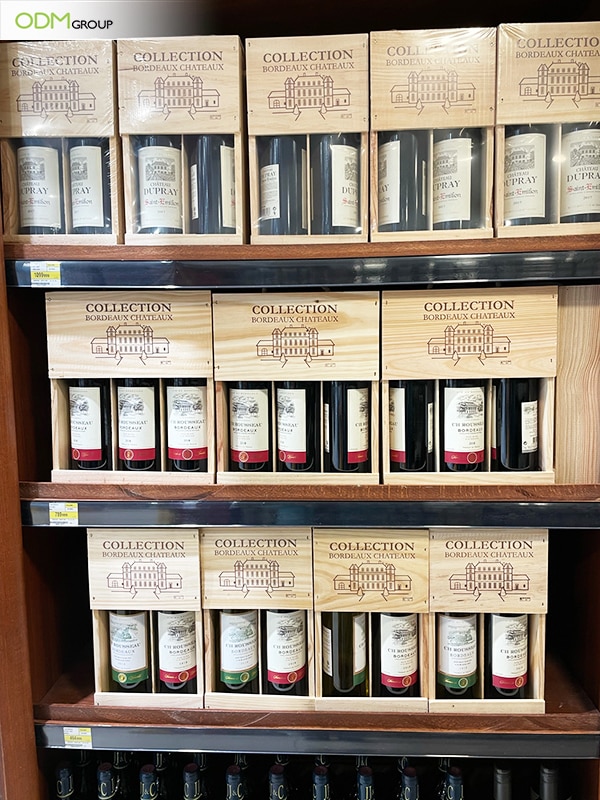
5 Tips to Find the Best Wine Box Manufacturer for Your Drinks Business
Over the years, and through the power of advanced technology, wooden packaging has started to [...]
4 Reasons Creative Bottle Packaging Is Important for Drink Promotion
When walking down the aisle of a retail store, you can notice that all products [...]
Branded Wine Box- A Winederful Packaging Idea to Impress Customers
The wine business is definitely a jam-packed retail space. Every retail store has filled its [...]
 Gallery
Sustainable Packaging Concepts: Nonwoven Beverage Carrier
Branded promotional products, Custom packaging, Custom Products, Drinks promotional products, In-pack promotions, Marketing, Outdoor promotional items, Personalized promotional gifts, promotional gift, Promotional gifts for food industry, Promotional Products, Purchase with purchase-
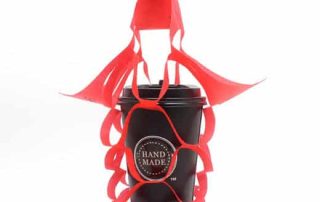
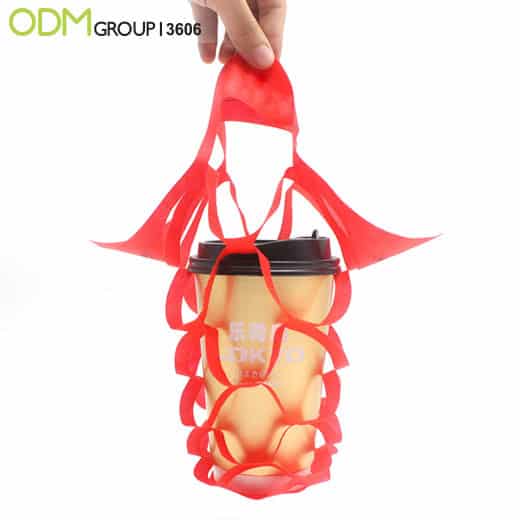
Sustainable Packaging Concepts: Nonwoven Beverage Carrier
Sustainable packaging captivates the eyes of both brands and consumers as never before. The pressing [...]