
Most retail signage gets ignored within seconds. Consumers move through stores, bars, exhibitions, and pop-up activations surrounded by competing visuals fighting for attention. Static displays often disappear into the background, especially in immersive retail environments where atmosphere matters just as much as the product itself.
That is why more brands are investing in LED advertising signage ideas that combine lighting, storytelling, and visual experience to create spaces customers actually remember.
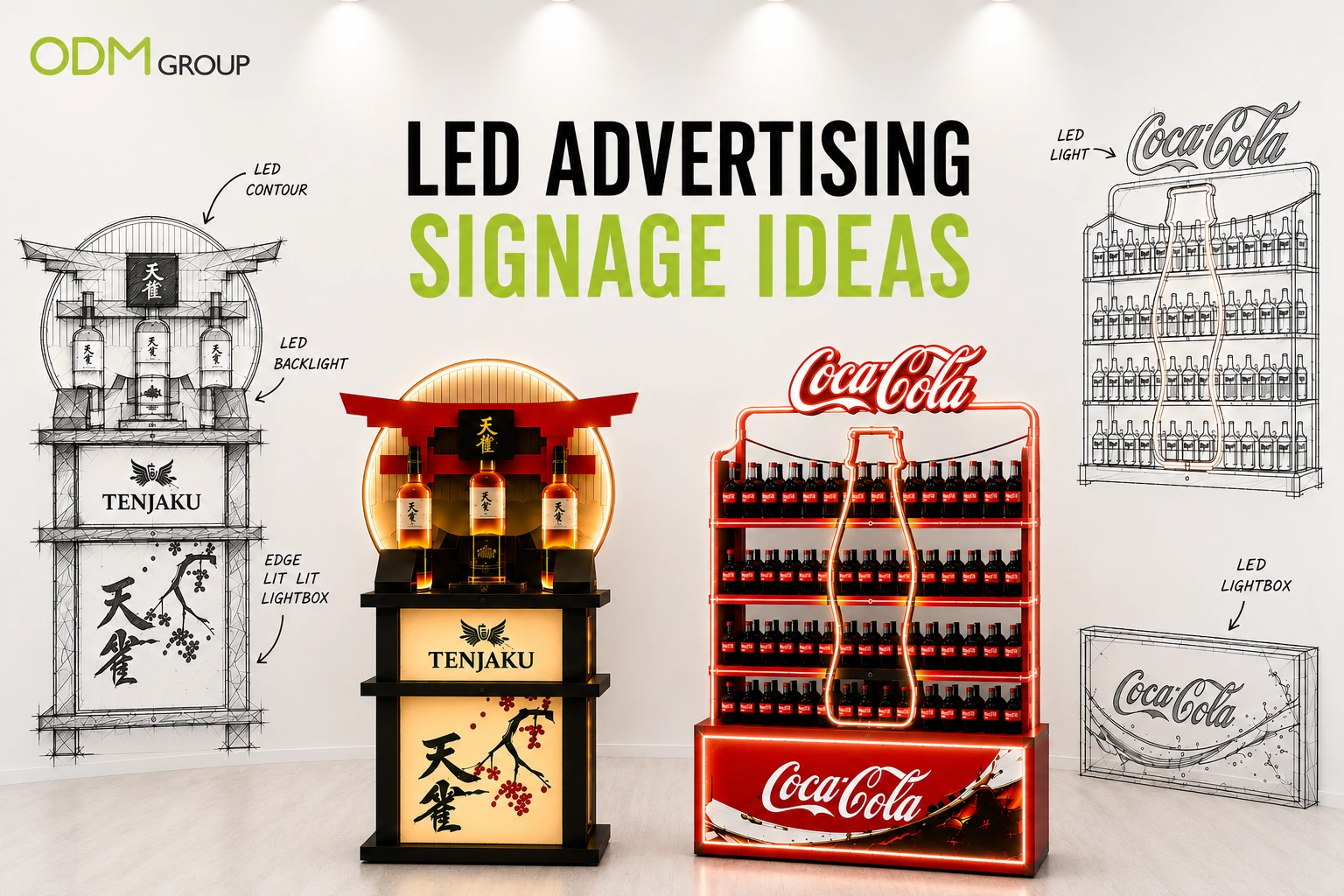
Modern Retail Is Designed Around Visual Interruption
Consumers are exposed to thousands of visual messages every day.
Retail shelves compete aggressively for attention. Shopping malls layer multiple campaigns into a single environment. Trade shows place dozens of brands side by side under constant visual stimulation.
As a result, flat printed signage often disappears into the background unless it creates some form of environmental contrast.
Lighting changes that dynamic immediately.
Human attention naturally prioritizes:
- brightness
- movement
- glow
- contrast
- illuminated edges
- visual depth
This is one reason illuminated environments consistently attract more engagement in:
- shopping malls
- nightlife venues
- experiential activations
- exhibitions
- airport retail
- premium retail spaces
Instead of forcing customers to read more information, promotional LED sign guides attention instinctively through atmosphere and visual hierarchy. The environment itself becomes part of the communication.
Stores Are Becoming Content Studios
One of the biggest shifts happening in retail today is the rise of “camera-first” environments. Consumers no longer experience retail spaces only in person. They experience them through:
- Instagram stories
- TikTok videos
- influencer photography
- customer-generated content
- livestreams
- event coverage
This changes how physical spaces are designed. Retail environments increasingly need to:
- photograph well
- create recognizable focal points
- encourage interaction
- feel immersive on camera
- reinforce lifestyle positioning visually
This is exactly why illuminated branding performs so effectively in modern retail.
Glowing installations, halo-lit product displays, and neon-inspired signage naturally create stronger contrast on camera. They help spaces feel more dynamic, immersive, and emotionally engaging, both physically and digitally.
Many brands are now designing environments specifically around “shareability.” The lighting itself becomes marketing content.
The Future of Signage Is Integrated, Not Decorative
One of the biggest misconceptions about LED and light-up signage is that it exists separately from the retail environment.
In reality, the strongest illuminated campaigns integrate lighting directly into the architecture of the customer experience.
Modern retail environments increasingly blur the lines between:
- signage
- fixtures
- lighting
- storytelling
- merchandising
- spatial branding
Instead of hanging signs in a space, brands are designing entire environments around illuminated focal points. This shift is especially visible in:
- luxury liquor retail
- cosmetics stores
- technology flagships
- gaming activations
- hospitality venues
- experiential pop-ups
Edge-lit shelving, integrated acrylic lighting, contour illumination, and illuminated product glorifiers all help transform functional retail fixtures into immersive visual experiences.
Lighting is no longer decoration. It is becoming part of the structure of modern retail storytelling.
Premium Spirits Are Using Lighting Like Luxury Fashion Brands
Alcohol merchandising has evolved dramatically over the past decade.
Premium beverage brands no longer rely only on packaging and bottle design to communicate exclusivity. Increasingly, they are using lighting to create a visual theatre around the product itself.
Warm halo lighting, glowing bottle outlines, illuminated shelving, and edge-lit bottle presentations help spirits feel:
- more premium
- more collectible
- more visually dominant
- more emotionally elevated
In nightlife environments, especially illuminated displays shape the mood of the entire space.

The bottle presentation becomes part of the atmosphere customers associate with the brand.
This is why whiskey, sake, tequila, and luxury liquor brands increasingly invest in:
- illuminated glorifiers
- LED-integrated shelving
- contour-lit bottle displays
- branded halo lighting systems
- experiential backbar displays
The objective is not simply visibility.
It is emotional positioning.
Beauty Retail Is Moving Toward Minimalist Illuminated Environments
Beauty and skincare retail has shifted toward cleaner and more architectural visual merchandising.
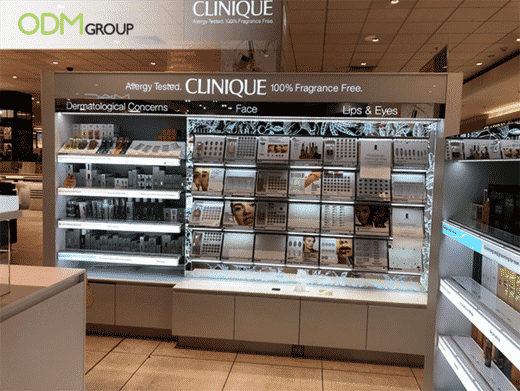
Rather than oversized promotional signage, many beauty brands now prefer:
- minimalist edge-lit acrylic
- floating illuminated displays
- integrated shelving systems
- subtle halo lighting
- clean contour illumination
This approach creates environments that feel:
- premium
- modern
- curated
- technology-driven
- social-media-friendly
Lighting also helps establish a stronger visual hierarchy inside crowded product displays by naturally guiding attention toward hero products and promotional zones.
In many beauty environments, the illuminated display itself becomes part of the luxury perception.
Temporary Retail Spaces Now Need Permanent Visual Impact
Experiential marketing continues growing across:
- festivals
- pop-up retail
- exhibitions
- gaming activations
- seasonal campaigns
- influencer events
The challenge is that temporary spaces still need to create immediate memorability.
This is where portable LED systems have become increasingly valuable.
Modern illuminated activation displays are now designed to be:
- modular
- lightweight
- rechargeable
- transport-friendly
- fast to install
- visually dominant
These systems help temporary spaces feel fully immersive without requiring large permanent installations.
For many experiential campaigns, illuminated displays are also designed specifically for audience photography and social sharing.
Customers may only spend a few minutes inside the activation, but the content created from that experience can continue circulating online long after the event ends.
Attention Is Driven by Contrast, Movement, and Atmosphere
Lighting affects customer behavior more deeply than many brands realize.
The brain naturally prioritizes visually dominant stimuli, particularly in environments with high sensory competition.
This is why illuminated displays consistently outperform static signage in areas such as:
- customer attention
- visual recall
- emotional engagement
- product focus
- environmental immersion
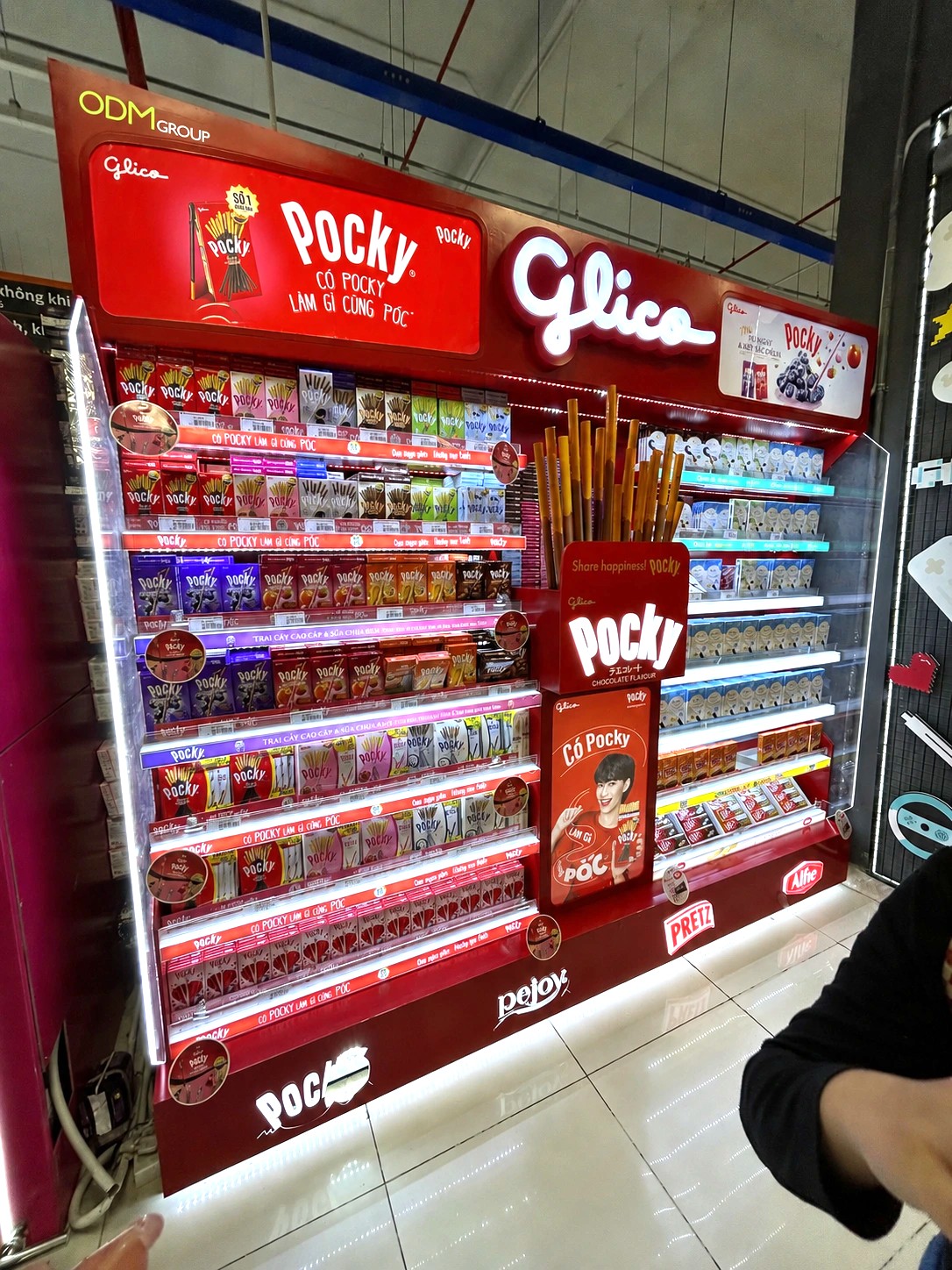
But brightness alone is not enough.
The strongest LED environments balance:
- lighting temperature
- contrast
- material finish
- environmental integration
- spatial hierarchy
Warm lighting often creates luxury and exclusivity. Cooler lighting feels more futuristic and energetic. Halo illumination creates softness and depth. Edge-lit acrylic creates cleaner architectural aesthetics.
The emotional atmosphere created by lighting becomes inseparable from how customers remember the brand itself.
Visibility Alone No Longer Creates Memorability
One of the biggest mistakes brands make with illuminated signage is focusing only on visibility.
Modern customers expect more than a bright logo.
The most effective LED campaigns are designed around:
- atmosphere
- emotional immersion
- environmental storytelling
- customer interaction
- visual rhythm
- shareability
Poorly executed displays often fail because they:
- overload messaging
- ignore environmental integration
- use weak materials
- rely on excessive brightness
- treat lighting as decoration rather than experience design
The strongest retail environments feel intentional, immersive, and emotionally aligned with the brand identity itself.
Turning Illuminated Concepts Into Real Retail Environments
At ODM Group, illuminated display development is approached as part of the broader retail experience, not simply as a production project. Our team collaborates with brands to shape environments that feel immersive, commercially relevant, and emotionally aligned with how customers interact with the space itself.
From concept ideation and industrial sketch development to lighting integration, structural refinement, and experiential display design, ODM helps transform creative ideas into retail environments built to capture attention and strengthen brand perception. Whether developing illuminated POS displays, edge-lit acrylic systems, branded bottle glorifiers, or experiential installations, the focus is always on how lighting, atmosphere, and visual hierarchy work together inside the customer journey.
Every detail — from material finishes and lighting balance to display flow and installation practicality — is considered part of the overall brand experience rather than a standalone signage element.
The objective is not simply to create illuminated displays. It is to help brands create environments that customers remember, photograph, and emotionally connect with long after they leave the space.
Final Thoughts
The brands creating the strongest retail impact today are no longer treating signage as a standalone display tool. They are using lighting, atmosphere, and environmental storytelling to shape how customers experience physical spaces.
As retail continues to move toward immersive, experience-driven environments, LED advertising signage is becoming far more than a visibility solution. It is becoming part of how brands create attention, influence perception, and build memorable customer engagement.
The future of retail belongs to brands that understand how environments affect emotion.
For businesses exploring custom illuminated retail displays, LED-integrated shelving, experiential activation signage, or immersive merchandising environments, ODM Group supports projects from concept development through final production and global delivery.
Contact ODM Group to explore custom LED advertising signage solutions tailored to your retail environment and campaign goals.
More Ideas


Frequently Asked Questions
Can LED signage influence how long customers stay inside a retail space?
Yes. Well-designed lighting helps create a more immersive atmosphere, encouraging customers to explore longer and interact more with products.
Why do illuminated displays often feel more premium?
Lighting adds depth, contrast, and atmosphere. Features like halo lighting and edge-lit acrylic naturally make products feel more elevated and modern.
Are brands designing LED displays differently because of TikTok and Instagram?
Absolutely. Many displays are now designed to be photographed and shared online, making visual impact and “shareability” a key part of retail design.
Can LED signage be customized for different retail moods?
Yes. Warm lighting creates a softer luxury feel, while cooler lighting often feels more modern and energetic.
Why are pop-up activations using more illuminated displays?
LED displays help temporary spaces create instant visual impact while also improving event photography and social sharing.
What to Read Next?
Creative LED POP Signage Ideas for In-Store Promotions
In a busy retail aisle, shoppers do not always [...]
LED Advertising Signage Ideas for Modern Retail Experiences
Flexible LED signs, LED or neon light signs, LED supplier China.
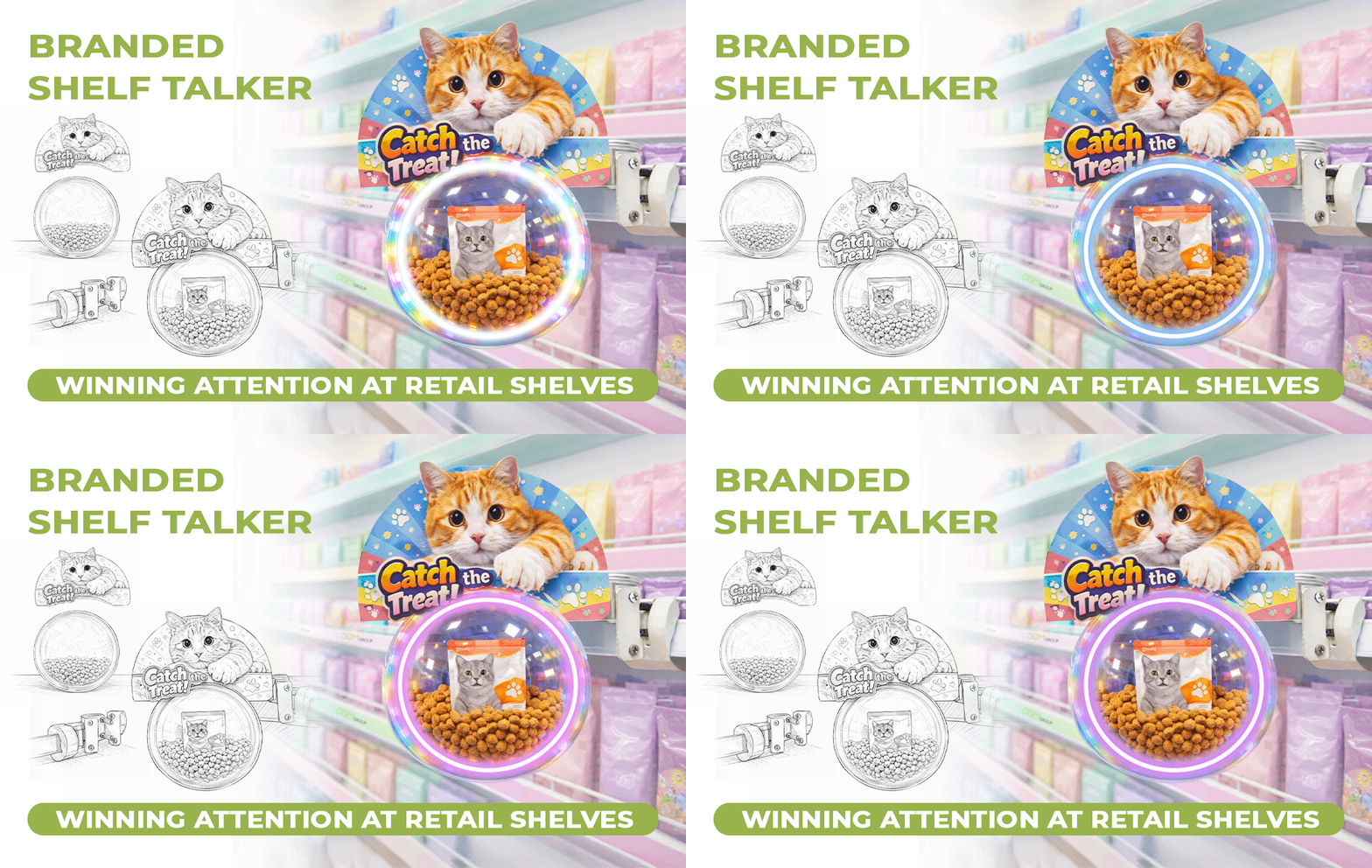
Branded Shelf Talker: Winning Attention at Retail Shelves
Shelf talkers are a widely used retail advertising tool, [...]
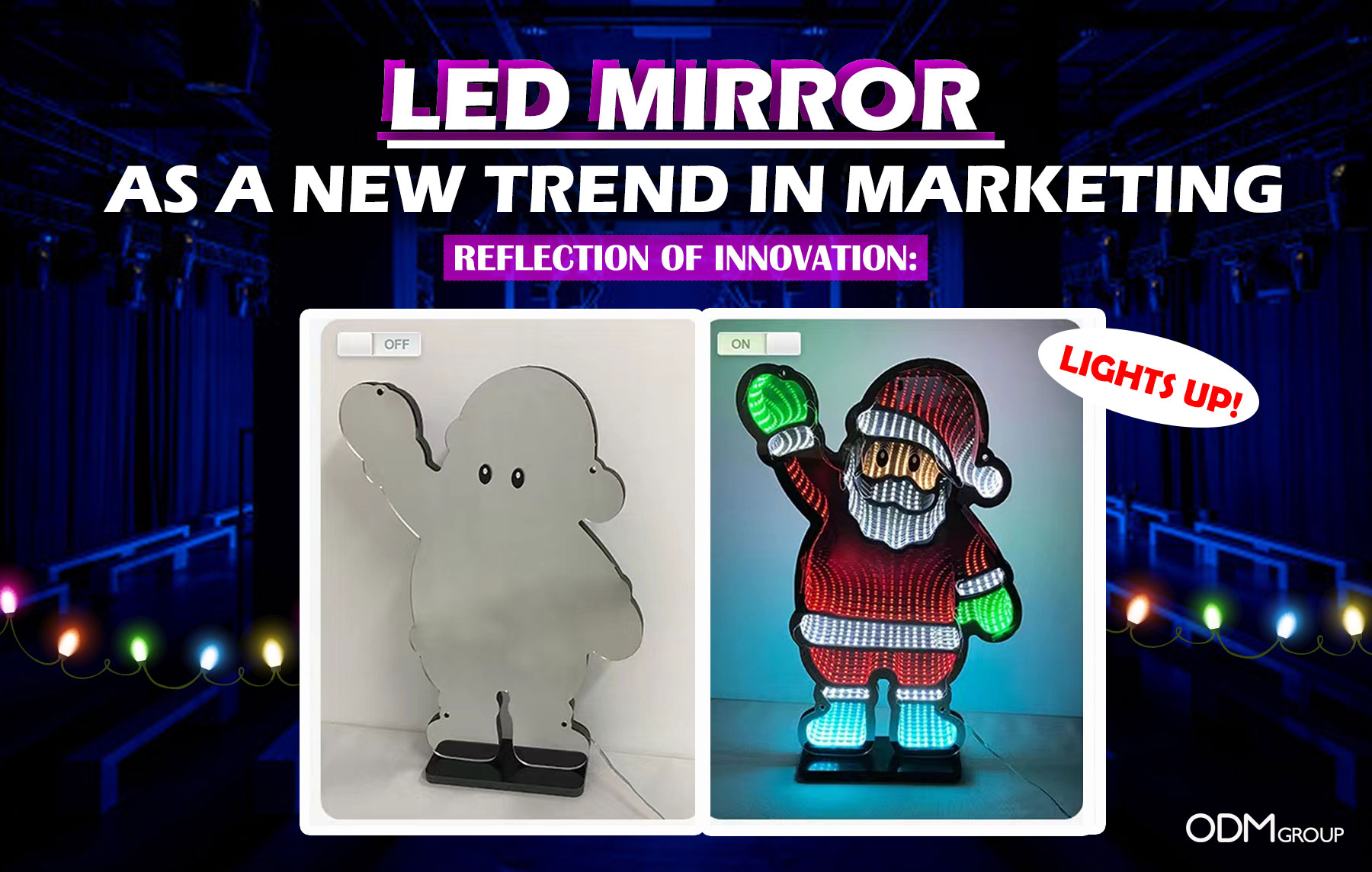
5 Ways to Improve Your Brand Image with Mirror LED Display
Needless to say, the concept of "mirror LED display" [...]
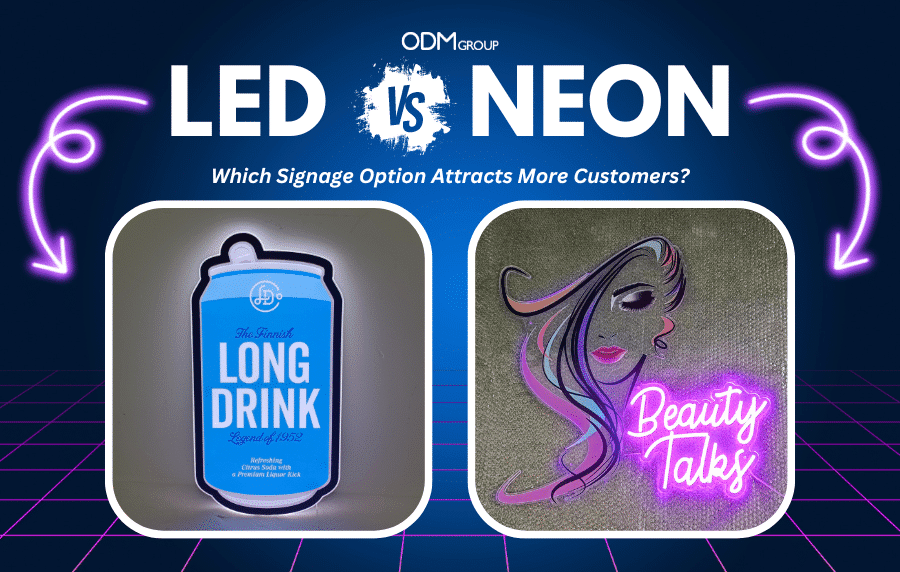
LED vs Neon Signs – Which One Should You Choose?
Neon signs have been around for decades and are [...]
LED Shelf Talker: 4 Best Tips to Highlight Your Offer in Retail
Getting your offer in front of your target audience [...]
Related posts:
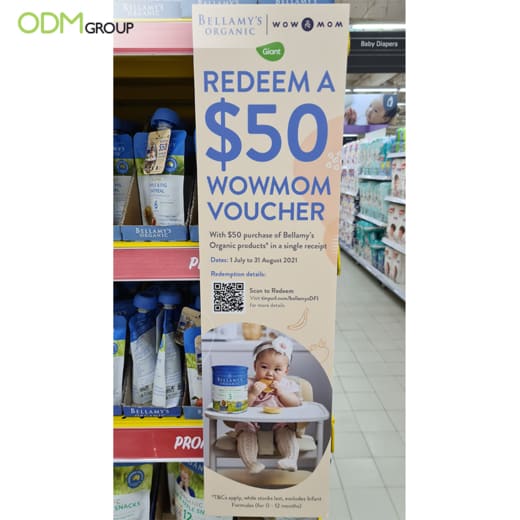 Bellamy’s Organic Builds Up In-Store Advertising With Retail Shelf Signage
 Acrylic Display Manufacturer: Why We Love This Signage From GCash
 Promotional Digital Signage: 5 Ways To Draw Customers In!
 Elevating Retail Impact with Innovative End Cap Display Ideas from The ODM Group
 POP Display Manufacturer: Why We Love Coca Cola’s Branded Signage