
Most tailgate campaigns don’t fail because of budget, but because brands show up with the wrong products. It’s a common pattern. Items get handed out, maybe used once, then forgotten. There’s no real connection between the product and what people are actually doing at the event.
That’s where the opportunity is. The best tailgate party gifts are not just giveaways. When your product fits naturally into the experience, your brand stops interrupting. It starts with belonging.
In this guide, we’ll walk through how to think about tailgate gifting in a more strategic way, so your campaign doesn’t just show up. It actually performs.
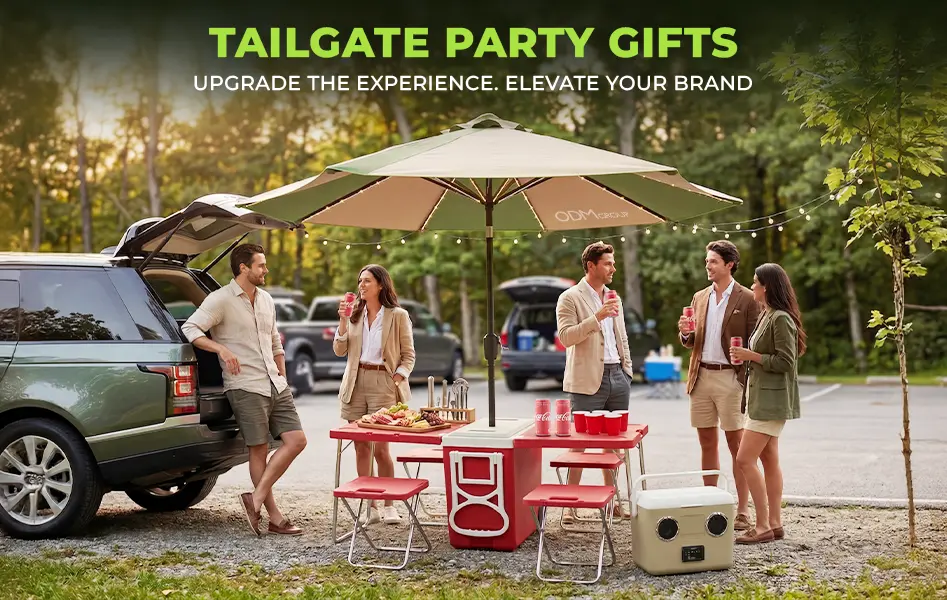
Think in Layers, Not Products
One of the biggest shifts high-performing brands make is this: they stop thinking about individual items and start thinking about how the entire setup works together.
A strong tailgate presence usually comes down to four simple layers. Each one plays a different role in how people experience your brand.
Tailgate Party Gifts from ODM
1. Start with Where People Naturally Gather
Every tailgate has a center. It’s where everything happens—food, drinks, conversations, and photos.
If your brand is present here, it becomes part of every interaction.
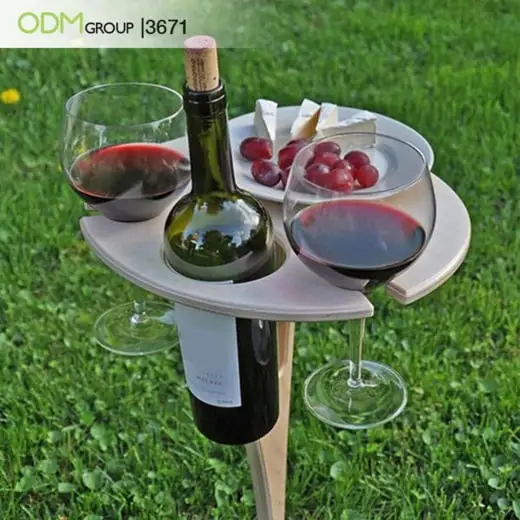
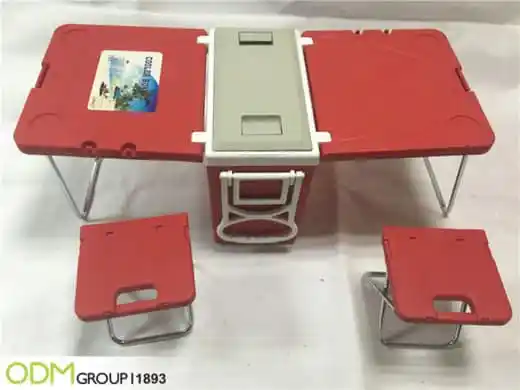
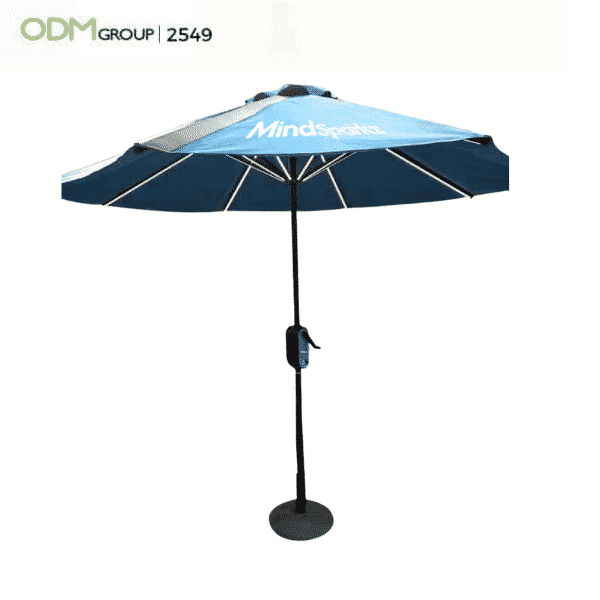
A foldable wooden table creates that shared space. A cooler box with table adds functionality. A solar umbrella defines the environment and extends usability.
Key products in this layer:
A portable, easy-to-set-up surface that becomes the focal point of any tailgate. It offers large branding space and is used continuously for food, drinks, and social interaction.
A dual-purpose product that stores beverages while functioning as a tabletop. Its repeated use throughout the event ensures consistent brand exposure.
Provides shade during the day and integrated lighting at night. It helps define the space while positioning your brand as modern and experience-focused.
These products anchor the entire setup and determine where attention naturally gathers.
2. Focus on What People Keep Reaching For
Once people settle in, the next layer is about frequency. What are they constantly using?
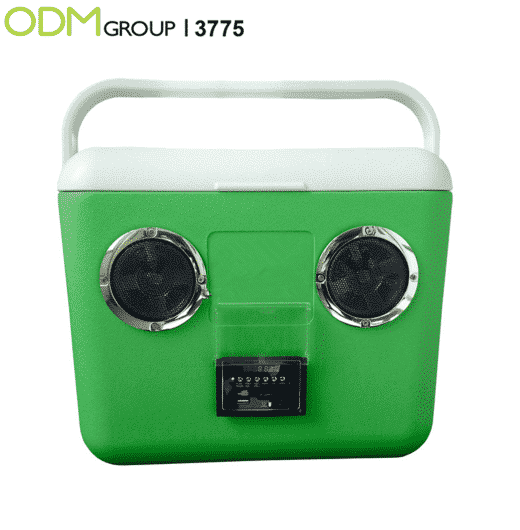
A cooler with speaker combines utility and entertainment, while smaller items like can coolers and bottle openers create repeated brand interactions.
Key products in this layer:
Combines beverage storage with built-in audio, making it both functional and social. It naturally becomes a central interaction point.
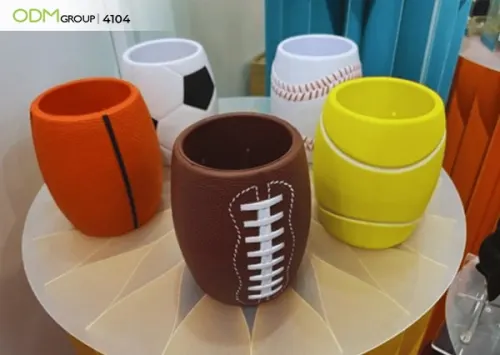
Keeps drinks cold while staying in hand throughout the event. A simple product that delivers constant brand visibility.
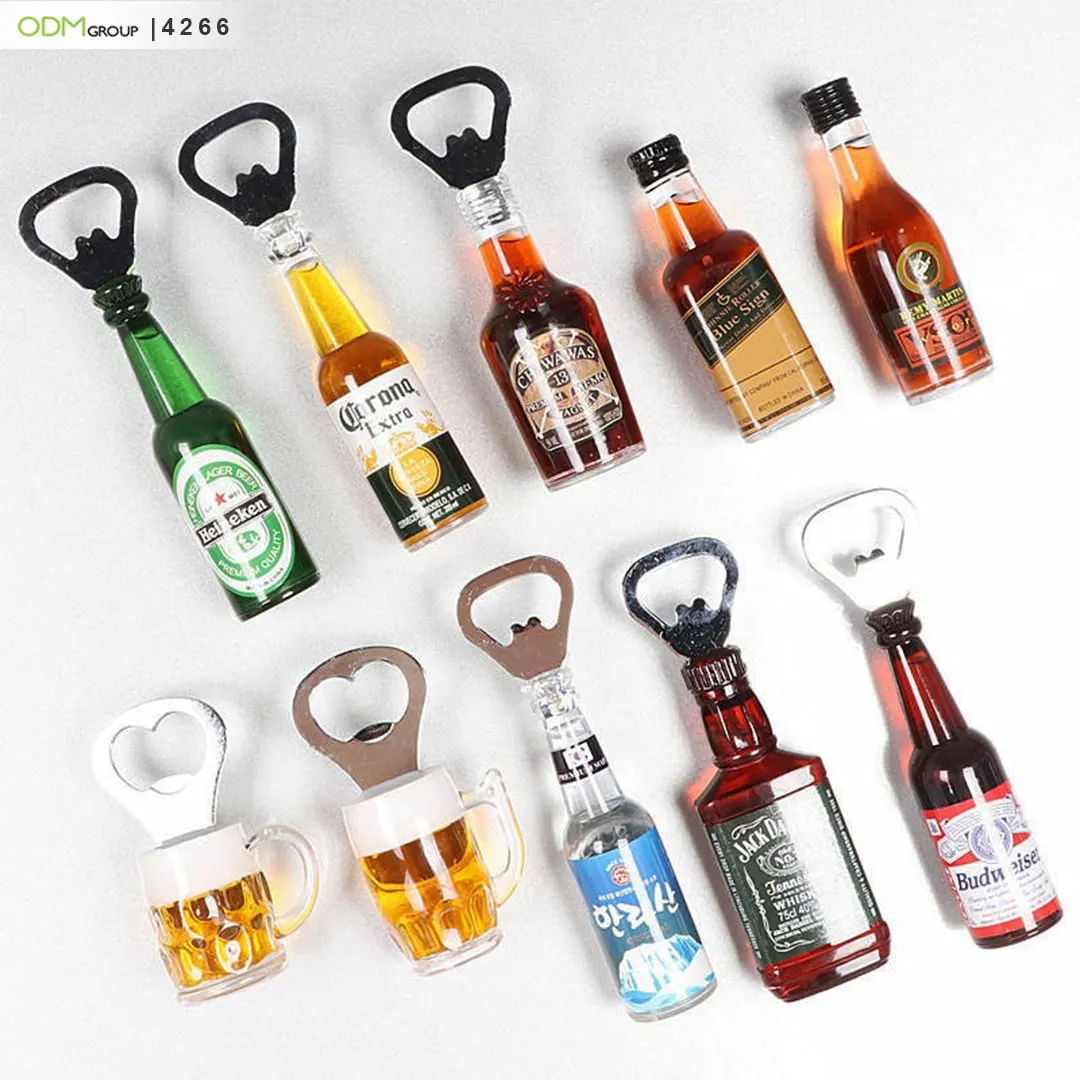
A small but essential tool used frequently during the event. High usage makes it a strong driver of repeated brand impressions.
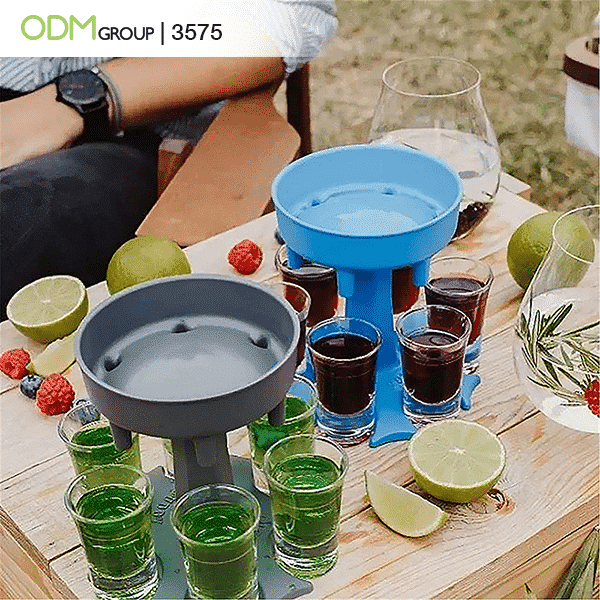
Elevates the drinking experience through greater interactivity. Ideal for premium positioning and encouraging group engagement.
These are high-frequency touchpoints that build strong brand recall over time.
3. Create Moments People Want to Join
Not everything should be functional. Some products exist to create interaction and energy.
This is where your brand becomes part of shared experiences.
Key products in this layer:
Encourage group participation and friendly competition. They increase dwell time and create memorable moments tied to your brand.
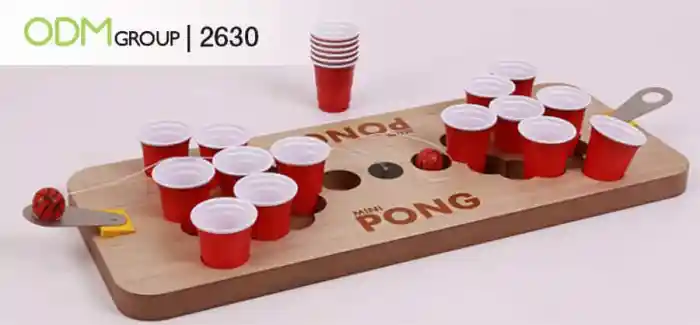
-
Speakers (recycled materials)
Provide music that shapes the event’s mood while reinforcing sustainability messaging. Your brand becomes part of the atmosphere.
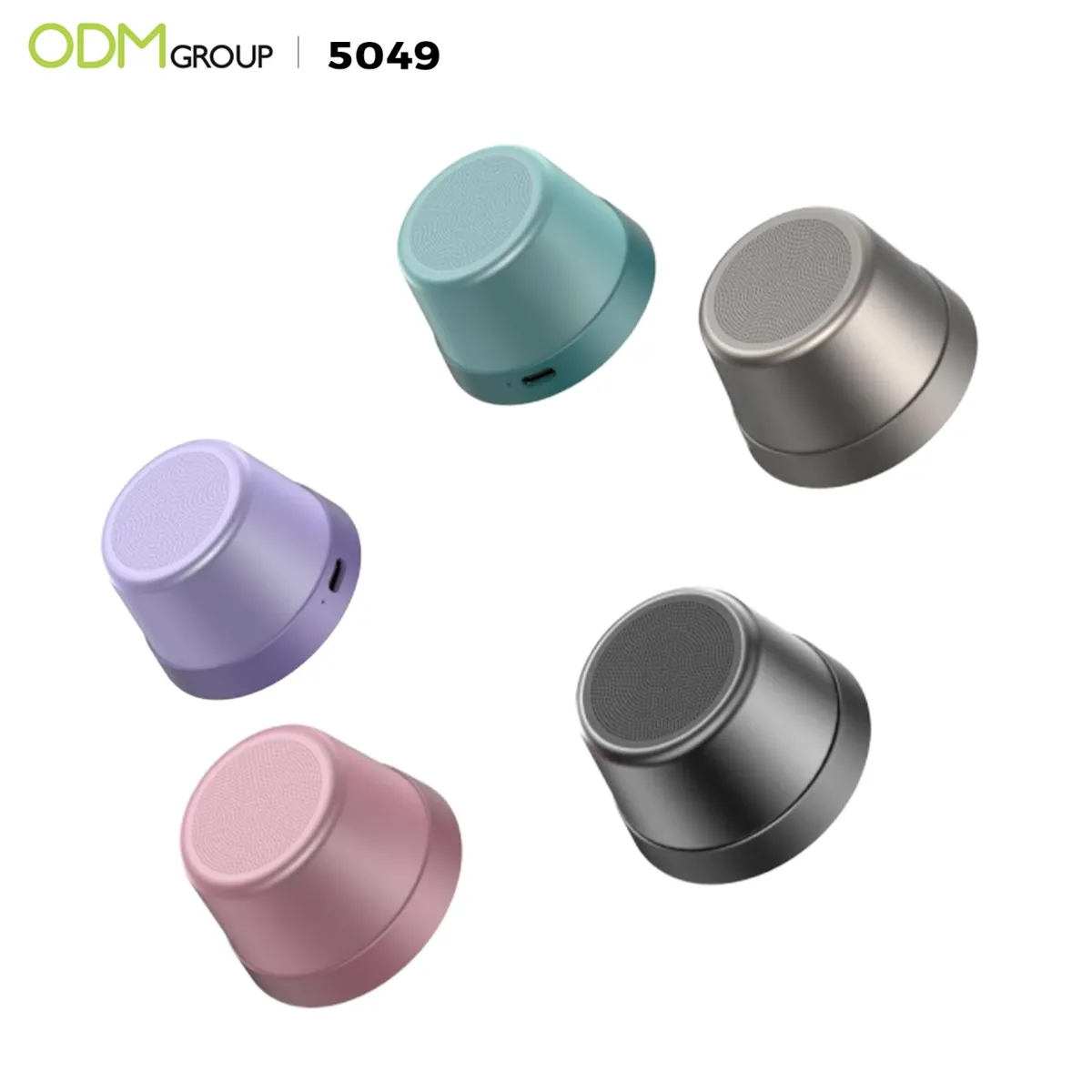
Interaction turns passive attendees into active participants—and that’s where real engagement happens.
4. Upgrade the Hosting Experience
Food and drinks are central to any tailgate, making this a strong opportunity to elevate your brand.
Key products in this layer:
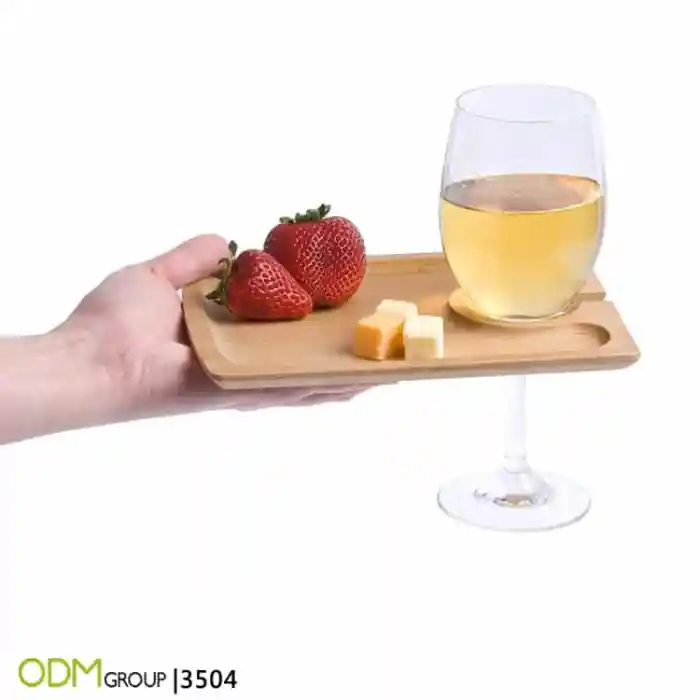
A visually appealing serving platform that encourages sharing and social interaction. It often becomes a centerpiece for photos and conversations.
A premium collection of tools for preparing drinks. It enhances perceived value and positions your brand as sophisticated and experience-driven.
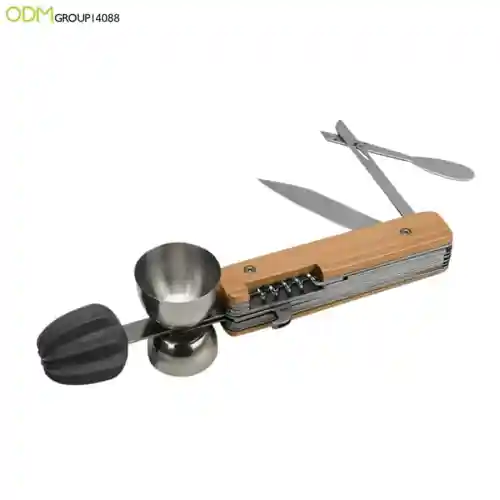
These products shift your brand from functional to premium and memorable.
5. Make It Easy for People to Stay Longer
The longer people stay, the more valuable your brand presence becomes. Comfort-focused products help extend engagement time naturally.
Key products in this layer:
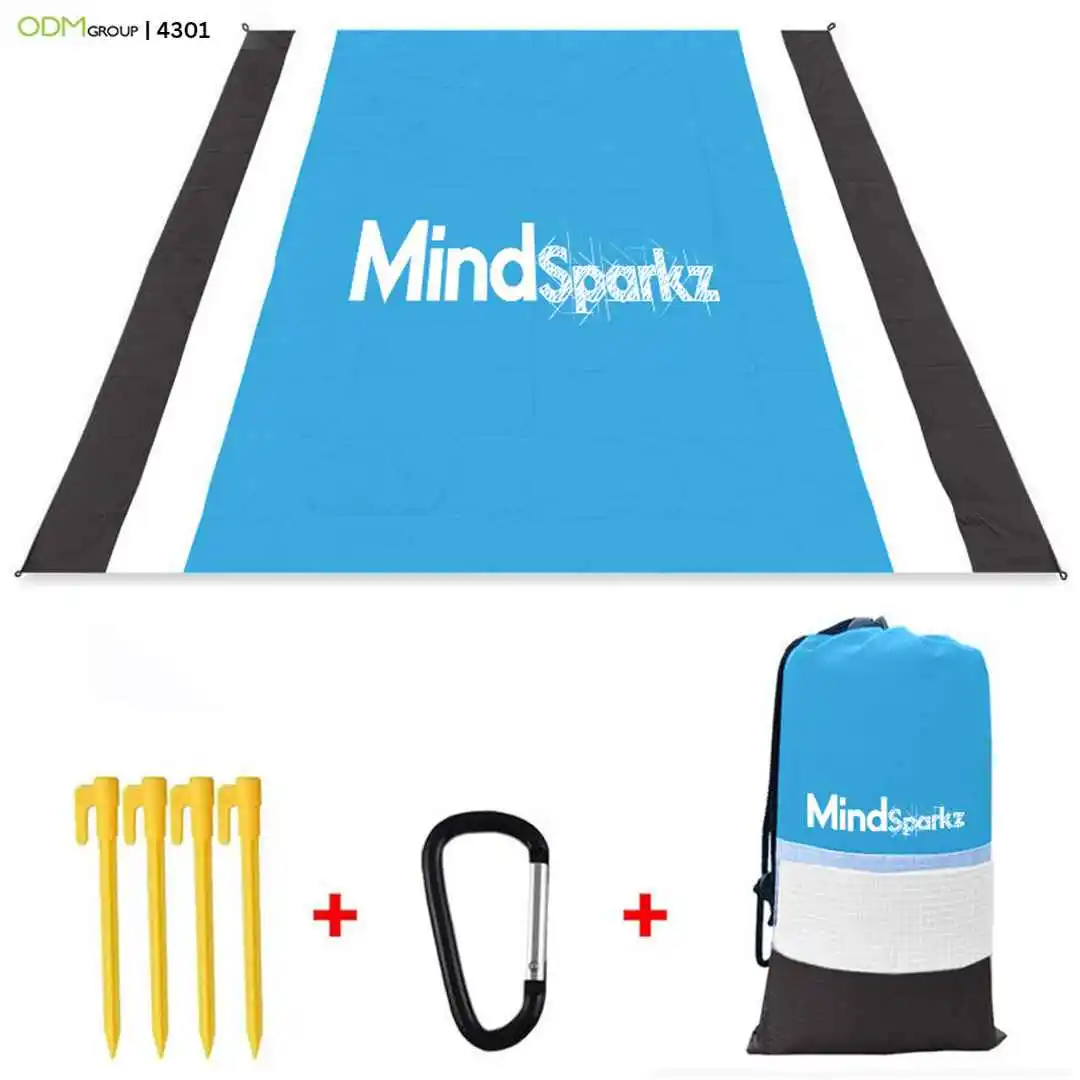
Provides a comfortable space for guests to relax. It encourages longer stays and continues to be used beyond the event.
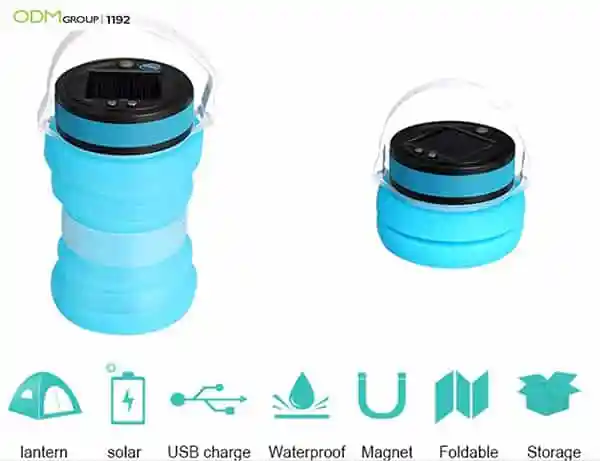
Extends usability into the evening without needing external power. Keeps your setup visible and functional after sunset.
These products quietly increase dwell time, which directly boosts brand exposure.
Where Tailgate Campaigns Fall Apart
Even strong ideas fail, but rarely because of a lack of creativity. Most of the time, the breakdown happens in how the campaign is planned and executed.
Here are the patterns we see most often:
1. Choosing low-cost items that don’t get used
It’s easy to maximize quantity, but if products stay in bags or get discarded, they create zero impact. Visibility only happens when items are actively used during the event.
2. Treating products as giveaways instead of experience tools
When items are handed out without a clear role in the setup, they feel disconnected. The most effective products are the ones that support what people are already doing—eating, drinking, and socializing.
3. No connection between items
Mixing random products without a clear structure leads to a fragmented experience. There’s no focal point, no flow, and no reason for people to engage consistently.
4. Underestimating logistics and timelines
Delays, inconsistent quality, or last-minute substitutions can weaken even the best ideas. Execution issues are often what turn a strong concept into a disappointing campaign.
The result is predictable: low engagement, weak brand recall, and a budget that doesn’t translate into meaningful impact.
How to Build a Tailgate Campaign That Actually Performs
This doesn’t need to be complicated, but it does require a shift in how you approach planning. Instead of starting with products, start with how the experience will unfold.
1. Start with behavior, not products
Map out what people will actually do. Where do they stand, sit, eat, and interact? Your product choices should support these behaviors, not interrupt them.
2. Design for visibility, not just distribution
It’s not about how many items you give away. It’s about where your brand shows up. Focus on touchpoints that are seen repeatedly throughout the event.
3. Bundle products into a system
Individual items can work, but a coordinated setup performs significantly better. When products work together, they create a more immersive and memorable experience.
4. Align product quality with your brand positioning
Every item reflects your brand. If the quality feels low, it directly affects perception. Investing in fewer, better products often delivers stronger results.
5. Plan early to protect execution quality
Strong campaigns are rarely rushed. Early planning allows time for design refinement, sampling, and proper production—reducing risk and improving outcomes.
From Idea to Execution: Why Strategy Alone Isn’t Enough
Most teams don’t struggle with ideas. They already know what they want to achieve. The real challenge is execution, making sure every detail, from design to delivery, aligns with that vision.
This is where many campaigns lose momentum:
- The wrong factory is selected
- Product quality doesn’t match expectations
- Timelines slip, affecting launch plans
- Logistics become fragmented and difficult to manage
That gap between idea and execution is where ODM adds value. We work as a strategic partner, supporting brands across the entire process:
- Concept development and product design- Turning campaign ideas into tangible, production-ready concepts.
- 3D CAD and prototyping– Visualizing and testing products before committing to full production.
- Factory sourcing and audit– Matching your project with the right manufacturing partners and ensuring compliance.
- Quality control at every stage- Monitoring production to maintain consistency and reduce risk.
- Global logistics and shipping– Coordinating timelines so everything arrives where and when it’s needed.
Explore more ideas


Frequently Asked Questions
What are the best tailgate party gifts for brand promotions?
Products that are used during the event work best. Tables, coolers, drinkware, and speakers keep your brand visible throughout the experience.
How do we choose tailgate party gifts people will actually use?
Focus on behavior. Choose products that support what people are already doing like eating, drinking, and socializing.
How much should we budget for tailgate promotional items?
Prioritize perceived value over quantity. Fewer, higher-quality items usually deliver better engagement and brand perception.
Is it better to create a full setup or give individual items?
A full setup performs better. Products that work together create stronger visibility and a more memorable experience.
What types of tailgate gifts create the most engagement?
High-use and shared items work best. Think drinkware, tables, games, and speakers that people interact with repeatedly.
What to Read Next?
6 Reasons Branded Tents Should Be Part of Your Outdoor Marketing
Promotional tents POS display outdoors events supplies branded
5 Ways to Elevate Brand Engagement Thru Custom Outdoor Chairs
When it comes to ingenious marketing strategies, sometimes all [...]
5 Ways to Boost Brand Visibility With Branded Bar Furniture
Everyone would agree that it's rare to find items [...]
Top 3 Ways to Get the Most Out of Your Custom Logo Umbrellas!
From being a simple protection against rain or sun, [...]
6 Important Things to Consider for Choosing Promotional Patio Umbrellas
Promotional patio umbrellas have great potential when it comes [...]
Branded Outdoor Umbrella: A Quick and Simple Guide
Promotional outdoor displays can help keep your business present [...]