
Marketing today is not a visibility problem. It’s an engagement problem. Brands are seen everywhere (online ads, retail shelves, social media), but most of these interactions are passive. Customers scroll, glance, and move on.
Brand activation changes that dynamic. It creates moments where customers don’t just see your brand. They interact with it, use it, and remember it.
The difference is simple: (1) Awareness gets attention, (2) Activation gets participation. And participation is what drives real results.
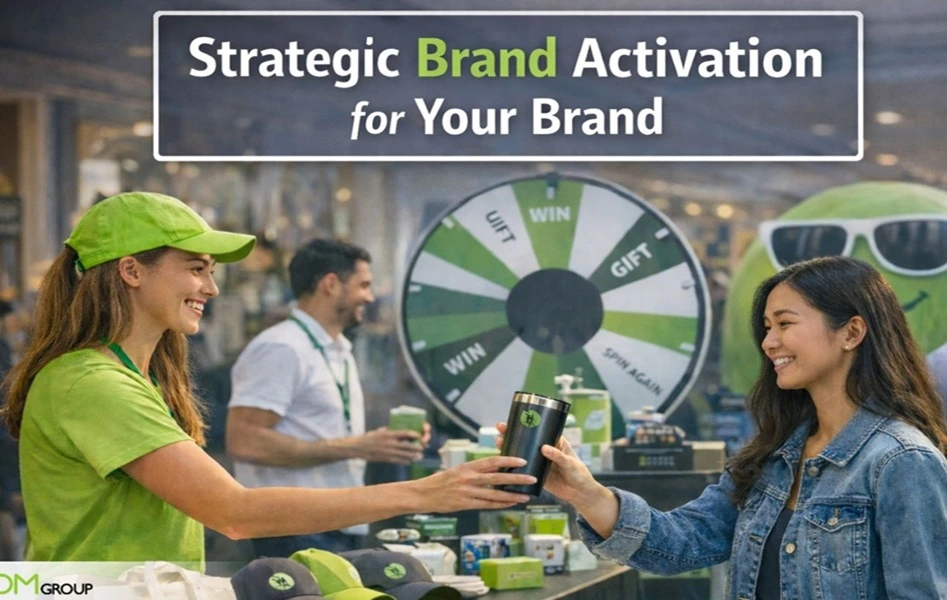
What Brand Activation Actually Means (In Practice)
Brand activation is often explained in abstract terms, but in reality, it comes down to one thing:
Getting your audience to do something with your brand. That could mean:
- Trying a product in-store
- Engaging at an event booth
- Sharing an unboxing experience
- Using a branded product in their daily routine
The stronger the interaction, the stronger the memory.
This is why leading brands are moving away from static campaigns and investing in experience-driven marketing supported by physical touchpoints.
The 5 Types of Brand Activation That Actually Work
1. In-Store Activation: Turning Browsers Into Buyers
Retail remains one of the most powerful environments for activation—if done right.
How brands execute it:
- LED-lit display stands
- Sampling stations
- Shelf-ready branded units
- Custom structural displays designed around the product
Example:
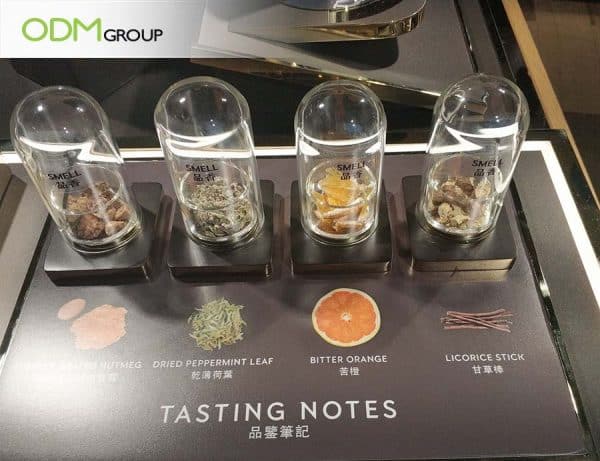
A strong example comes from alcoholic beverage displays, where structure plays a critical role in driving attention.
Instead of standard shelving, brands use custom-built display units shaped around the product—such as bottle-inspired structures or tiered stands that highlight multiple SKUs. These displays are often placed in high-traffic areas and designed to feel premium and giftable.
In some executions, the display is combined with sampling or promotional bundles, encouraging immediate trial while reinforcing brand perception.
Why it works:
- Breaks visual monotony in retail environments
- Elevates perceived product value through structure and design
- Encourages interaction and product discovery
- Bridges the gap between display and purchase decision
2. Event & Trade Show Activation: Driving Real Interaction
Trade shows are crowded. Standing out requires more than a visually appealing booth.
What works:
- Interactive games (spin wheels, instant prizes)
- Functional giveaways
- Hands-on product experiences
Where Smart Products Make the Difference
A strong example is a multi-function charging pen with integrated cables and a desk holder. At first glance, it looks like a simple item. In practice, it solves a real problem:
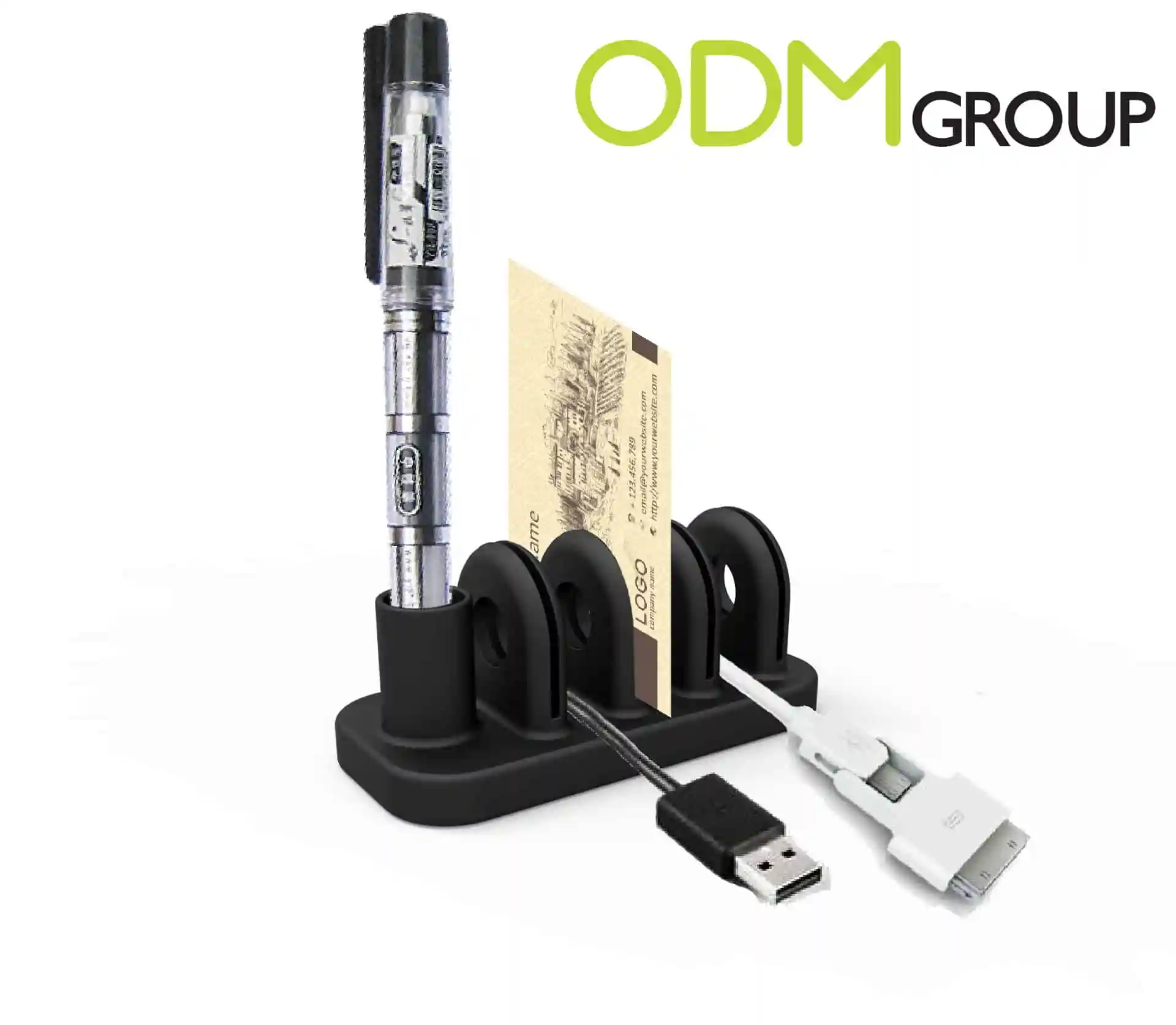
Visitors at events often need to charge their devices. Providing a charging solution at your booth naturally increases dwell time. Instead of handing out flyers, you create a functional interaction point.
Why it works:
- Immediate utility
- Encourages visitors to stay longer
- Transitions from booth tool to daily-use product
3. Influencer & PR Kit Activation: Creating Shareable Moments
In influencer campaigns, presentation is everything.
What leading brands do:
- Design layered unboxing experiences
- Use premium packaging structures
- Include collectible or personalized elements
Example:
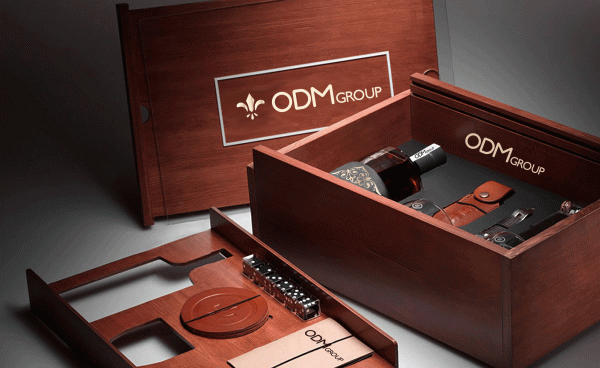
A beauty brand sends a custom PR kit with multiple compartments, each revealing a product step-by-step. This creates content that audiences want to watch and share.
Why it works:
Unboxing becomes part of the campaign—not just delivery.
4. Outdoor & Guerrilla Activation: Meeting Customers Where They Are
Not all engagement happens in controlled environments.
Effective formats include:
- Mobile pop-up stations
- Branded refreshment carts
- Interactive installations in high-traffic areas
Example:
A beverage brand sets up a portable hydration station in a busy urban location. People engage naturally because the activation aligns with their immediate needs.
5. Digital + Physical Hybrid Activation
The most advanced campaigns connect offline experiences with digital engagement.
How brands execute it:
- QR codes on products or packaging
- NFC-enabled items
- App-connected giveaways
Example: From Product to Participation
QR-code campaigns turn simple products into entry points for interaction. Customers scan to join promotions, access content, or enter competitions.
Real example: https://www.theodmgroup.com/qr-code-competition/
Why it works:
- Extends engagement beyond the physical moment
- Creates measurable interaction (scans, clicks)
- Connects offline campaigns with digital tracking
How to Build a Brand Activation That Performs
Successful brand activations don’t start with products or visuals. They start with how people behave in real environments.
1. Start With Real Behavior
Think about where and how your audience will interact with your brand. At a desk, in-store, at an event, or on the move—each context requires a different approach. The more your activation fits naturally into that moment, the more effective it becomes.
2. Design for Participation, Not Visibility
Visibility gets attention. Participation creates impact. The key question is simple: What will the user actually do?
Touch, use, play, scan, or share. These actions define whether your activation is remembered or ignored.
3. Turn Products Into Experience Tools
Promotional products should do more than display a logo. They should enable interaction. For example, a multi-function charging pen with cable integration becomes part of a user’s daily routine. It solves a real need, which means the brand stays visible through repeated use—not just a one-time impression.
4. Build a System, Not a Single Touchpoint
High-performing activations are rarely built around one item.
They combine:
- Display
- Product
- Packaging
- User journey
This creates a connected experience, where each element reinforces the next.
5. Plan Execution From the Start
Even strong ideas fail without proper execution.
Production involves multiple layers—sampling, material selection, quality control, and logistics. Planning early ensures consistency, reduces risk, and allows the final output to match the original concept.
Conclusion
Brand activation doesn’t succeed on ideas alone. It depends on how well those ideas are executed in the real world—where timelines are tight, product quality matters, and every detail affects the final experience.
This is where ODM Group acts as a strategic partner, not just a supplier. We work closely with brands from the early concept stage, helping shape ideas into practical, manufacturable solutions that align with real usage scenarios.
From initial design and 3D development to prototyping, factory sourcing, and quality control, every step is managed to ensure consistency between concept and final output.
Our team bridges the gap between marketing vision and production reality, making sure products are not only visually aligned with your campaign but also functional, scalable, and delivered on time. The result is a smoother process and a stronger activation.
We’re always ready to review your next project. Let’s design and manufacture something special together. Get in touch with us.
More Ideas


FAQs About Brand Activation
What is brand activation in marketing?
Brand activation is a strategy focused on engaging customers through real interactions, encouraging them to experience and connect with a brand directly.
What are examples of brand activation?
Examples include in-store sampling, event booths with interactive elements, influencer unboxing campaigns, and promotional products that users engage with daily.
What products work best for brand activation?
Products with practical use perform best—such as charging devices, desk tools, or interactive items that fit naturally into daily routines.
How do you measure brand activation success?
Metrics include engagement rate, dwell time, product usage, social shares, and conversion rates.
Latest Blogs
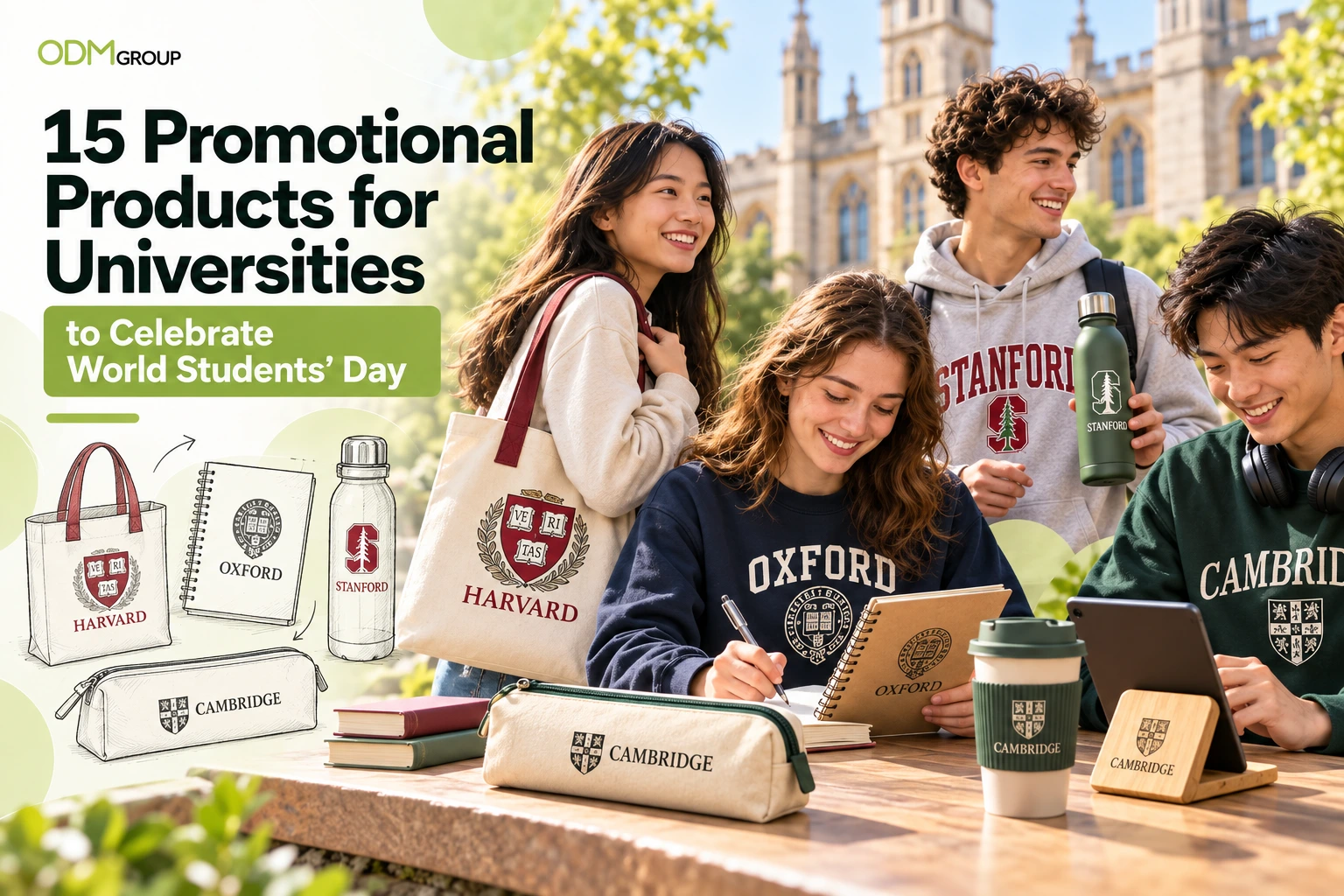
15 Promotional Products for Universities to Celebrate World Students’ Day
Promotional products for universities work best when they support [...]
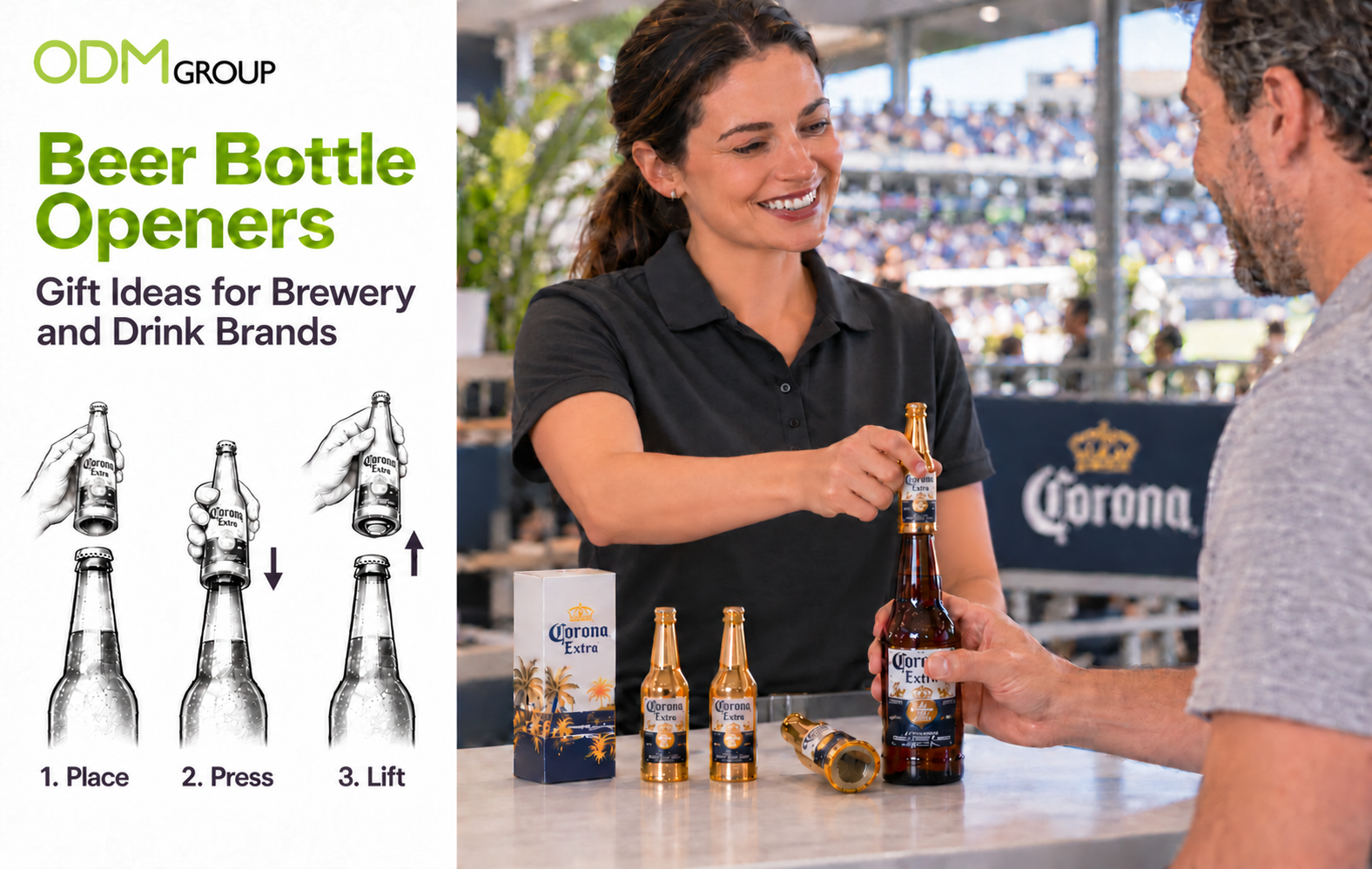
Promotional Beer Bottle Opener: A Bottle-Shaped Gift for Brewery Campaigns
bottle shaped bottle opener, automatic bottle opener, promotional product for beer, beer promos
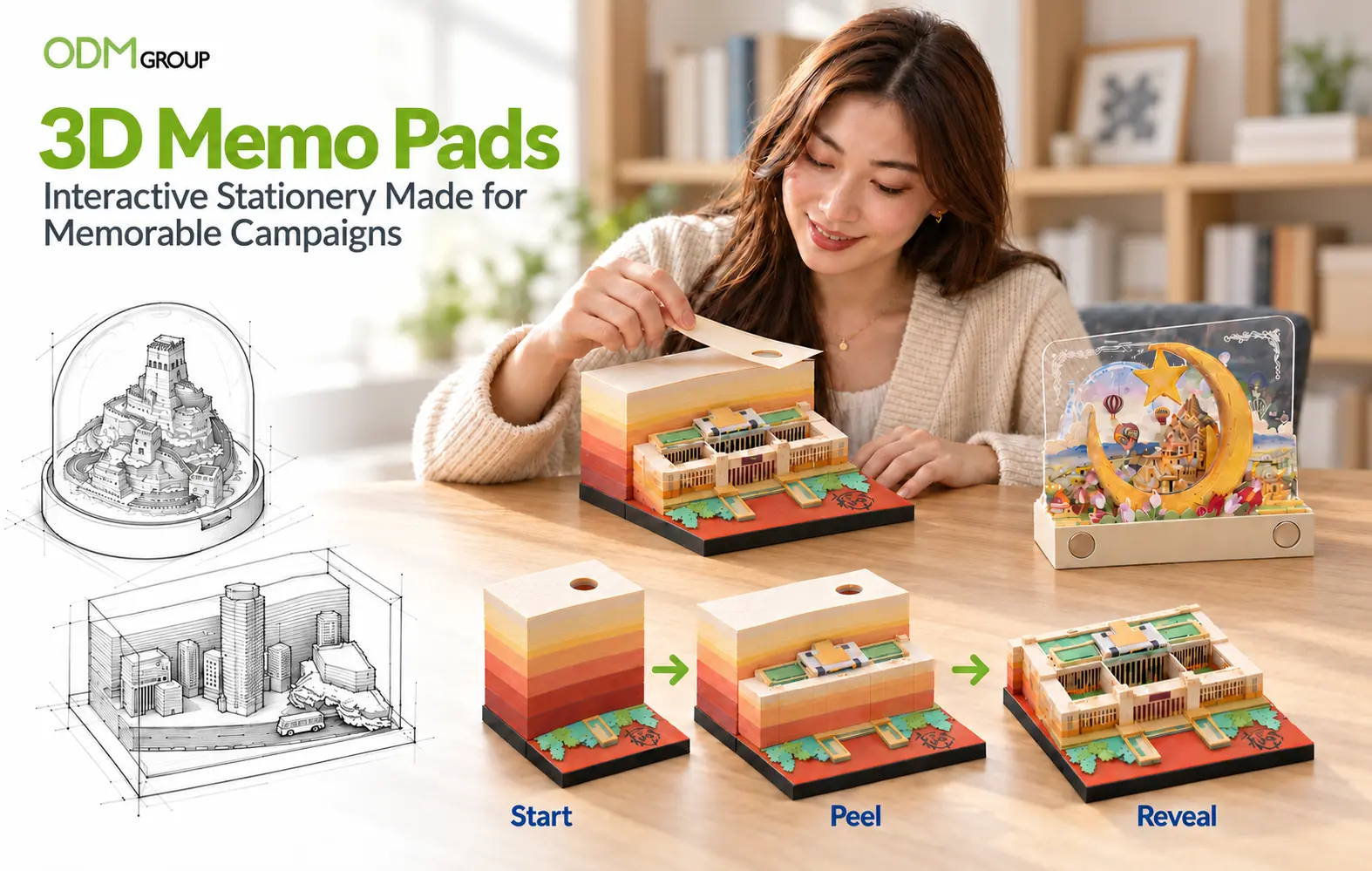
3D Memo Pads: Sculptural Designs for Brand Campaigns
3D memo pads combine an everyday office product with [...]
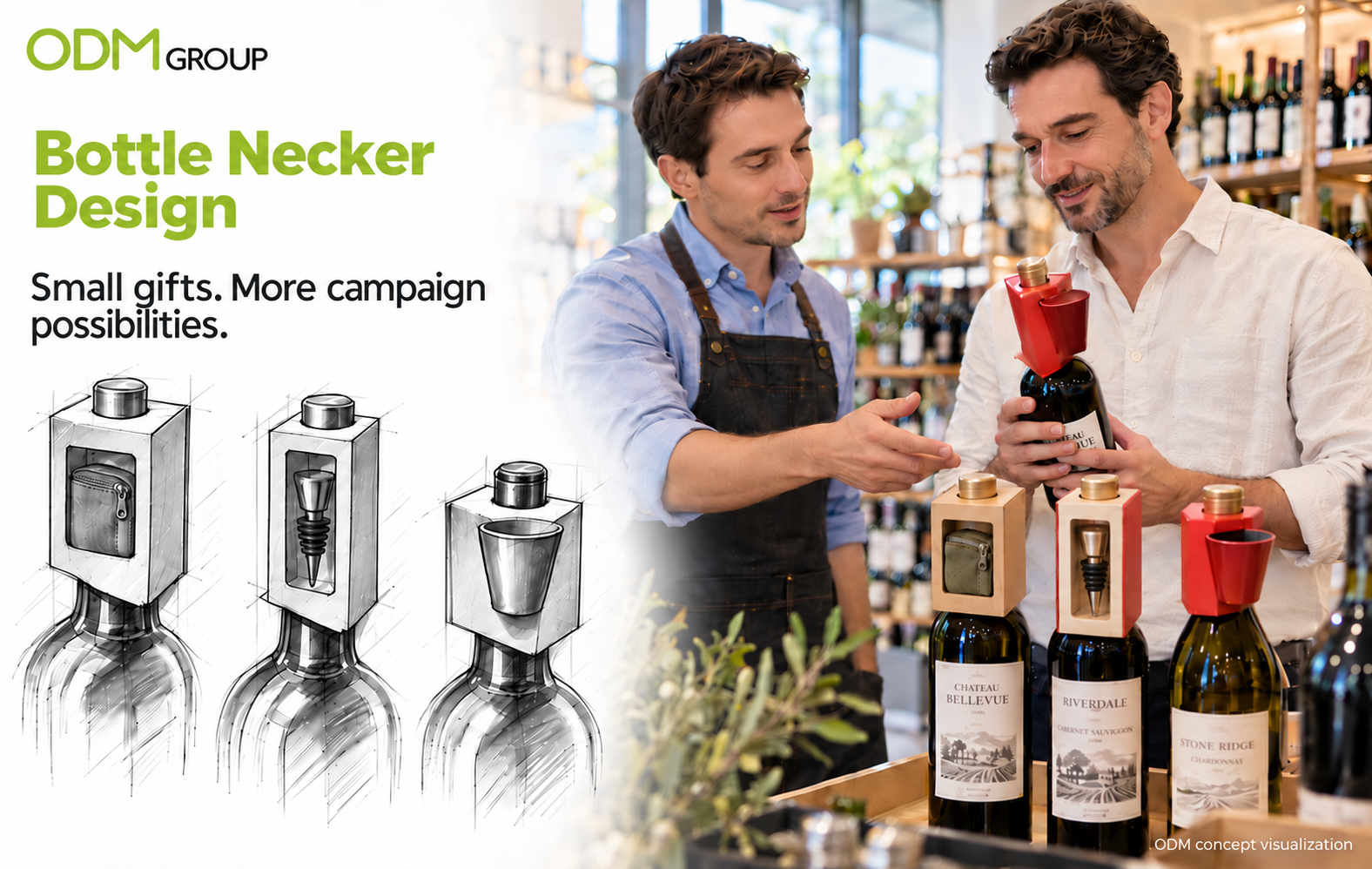
Bottle Necker Design: Creative Ideas for Your Next Promotion
A bottle necker gives a brand a little extra [...]
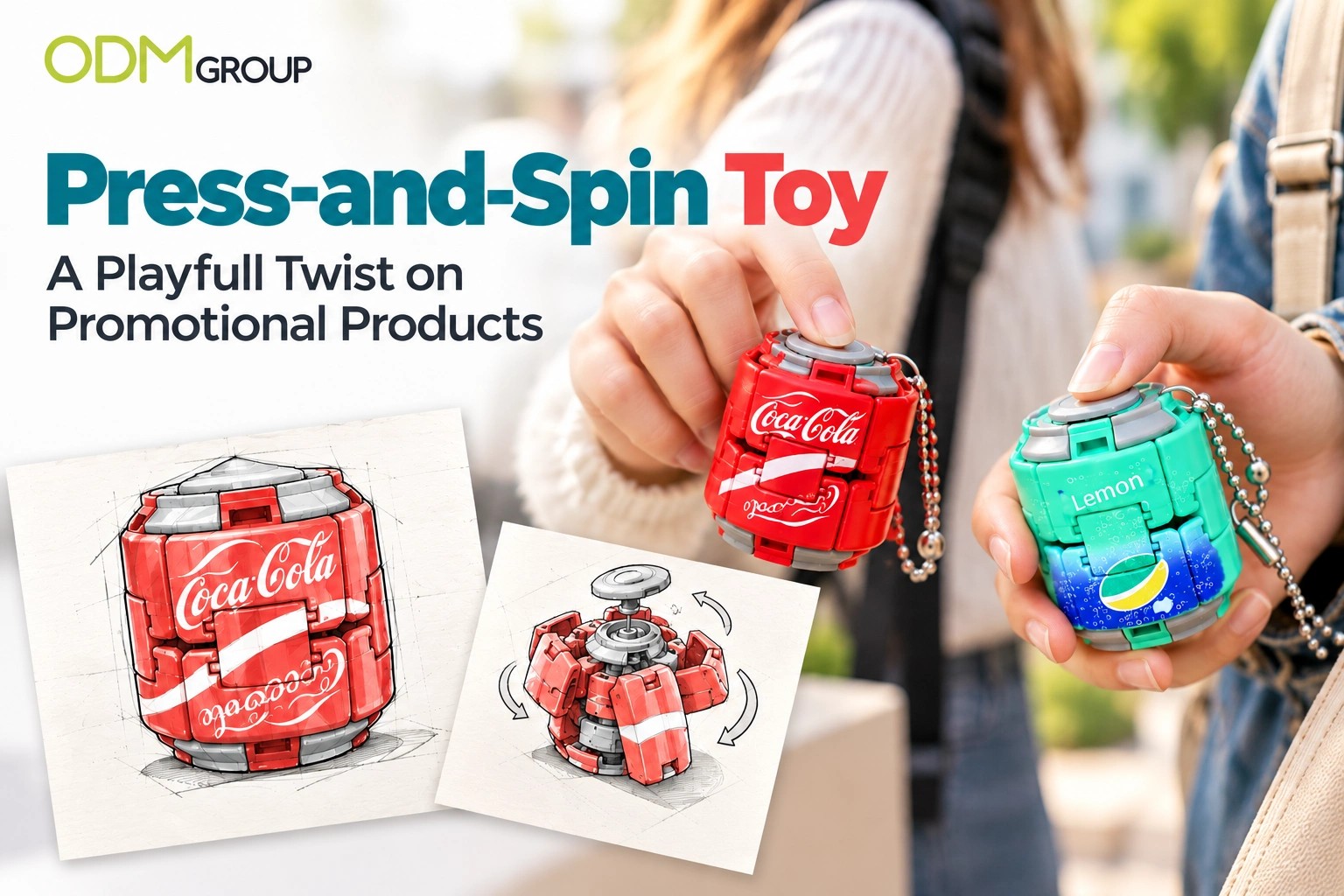
Press-and-Spin Toy: A Playful Twist on Custom Promotional Products
Promotional products are more memorable when they offer more [...]
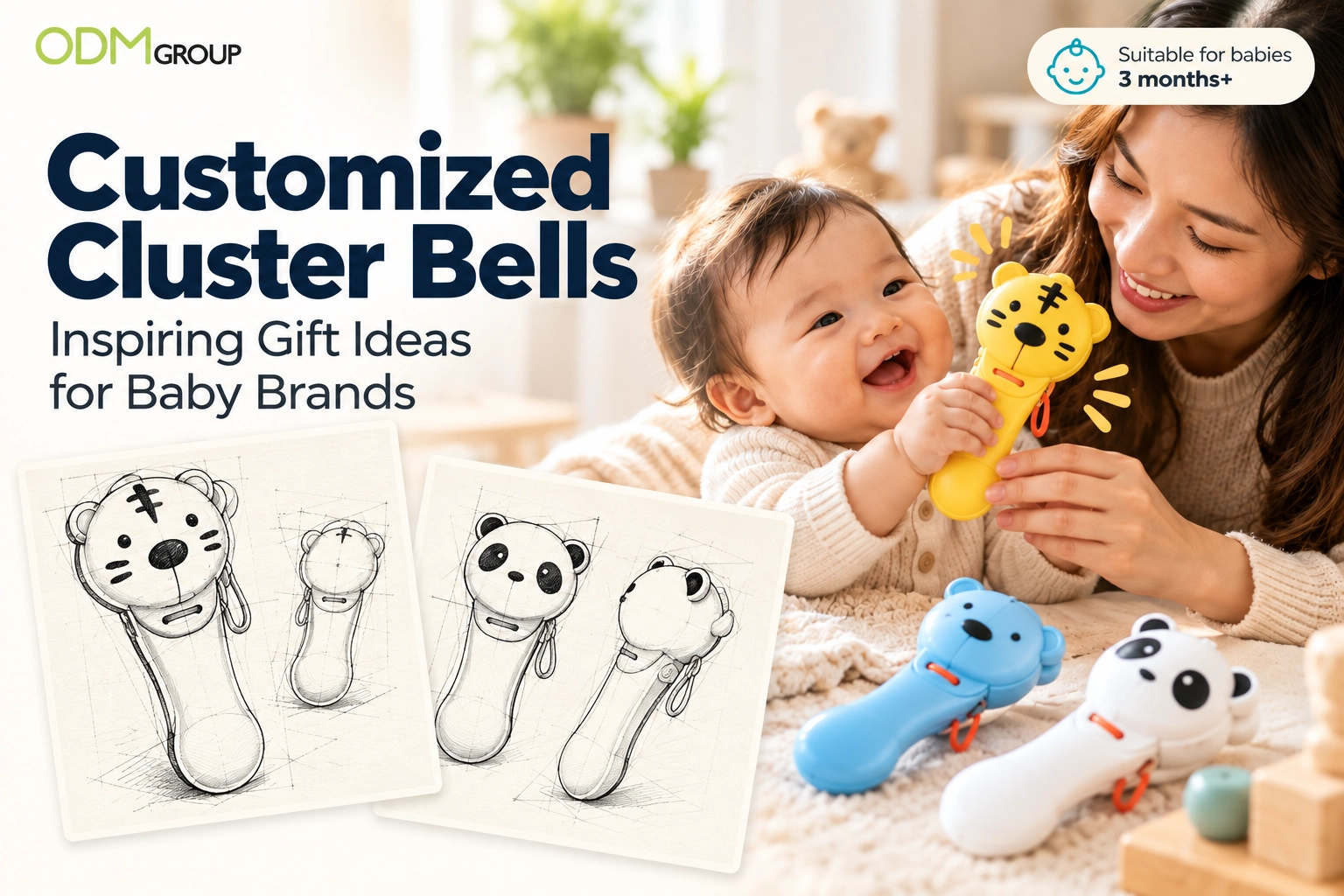
Customized Cluster Bells: Inspiring Promotional Gift Ideas for Baby Brands
Customized Cluster Bells offer an interesting example of how [...]


