
Branded plush toys have a special way of making a campaign feel warmer, more memorable, and easier for shoppers to connect with. Instead of offering another standard gift, brands can turn a mascot, product character, or campaign idea into something customers want to keep, collect, and share.
The Vinacafé Wake-Up capybara plush is a great example of this in action. By turning the character from its coffee packaging into a soft gift-with-purchase item, the brand created a promotion that feels fun, visible, and closely connected to the product on the shelf. This shows how a simple plush toy can become a powerful tool for FMCG.
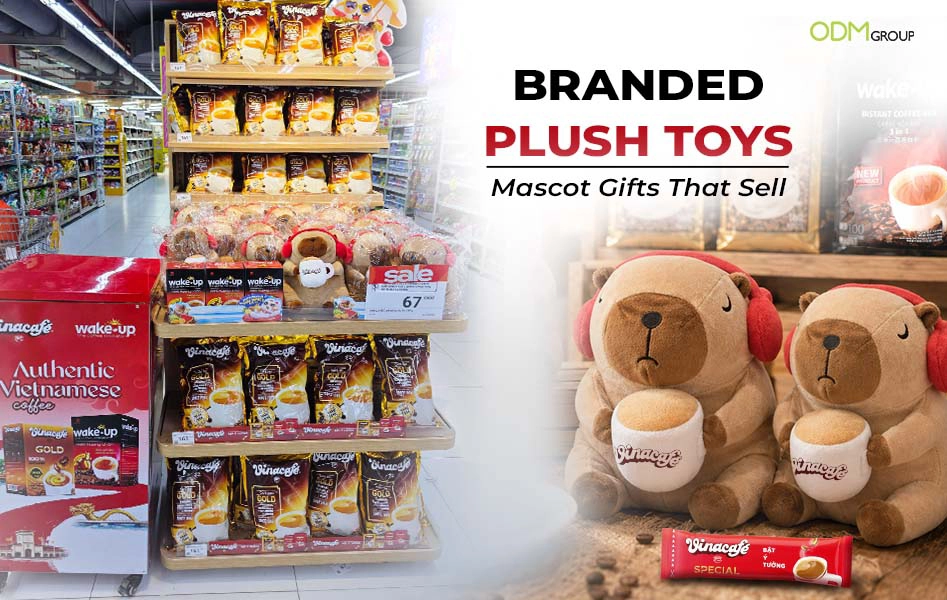
Table of Contents
- What Are Branded Plush Toys?
- Vinacafé Wake-Up Case Study: Turning a Coffee Mascot Into a Plush Gift
- How to Design Branded Plush Toys That Customers Actually Want
- Why Branded Plush Toys Work for FMCG and Beverage Brands
- What VN Toy and Baby Product Expo 2026 Shows About Plush Trends
- Which Industries Can Use Branded Plush Toys?
- Campaign Mechanics That Work Well With Branded Plush Toys
- Alternative Plush Toy Ideas to Expand Your Campaign
- How ODM Supports Branded Plush Toy Campaigns
- Final Thoughts
What Are Branded Plush Toys?
Branded plush toys are custom soft toys designed around a brand mascot, product shape, campaign character, or licensed identity. They are often used as gifts with purchase, event merchandise, loyalty rewards, retail collectibles, and limited-edition promotional gifts.
A plush toy can be simple, but it should never feel random. The strongest branded plush toys carry a clear brand story. They may reflect a mascot already used in packaging, a product character from a campaign, or a shape that customers instantly connect with the brand.
For example, a coffee brand can create a plush mascot holding a cup. A snack brand can turn its product into a soft character. A baby care brand can create a gentle animal plush for welcome kits. An entertainment brand can use plush toys as fan merchandise during concerts, events, or launches.
Vinacafé Wake-Up Case Study: Turning a Coffee Mascot Into a Plush Gift
Vinacafé Wake-Up’s capybara plush campaign is a strong example of how branded plush toys can support retail promotions. The capybara character appears on the product packaging, then appears again as a physical plush gift holding a coffee cup.
This connection is important. Shoppers see the character on the box, then see the plush version on the shelf. The campaign becomes easy to understand within seconds.
The promotion also uses a clear gift-with-purchase mechanic. Customers who buy multiple boxes of Vinacafé Wake-Up can receive the capybara plush while stocks last. This creates three useful effects for the brand.
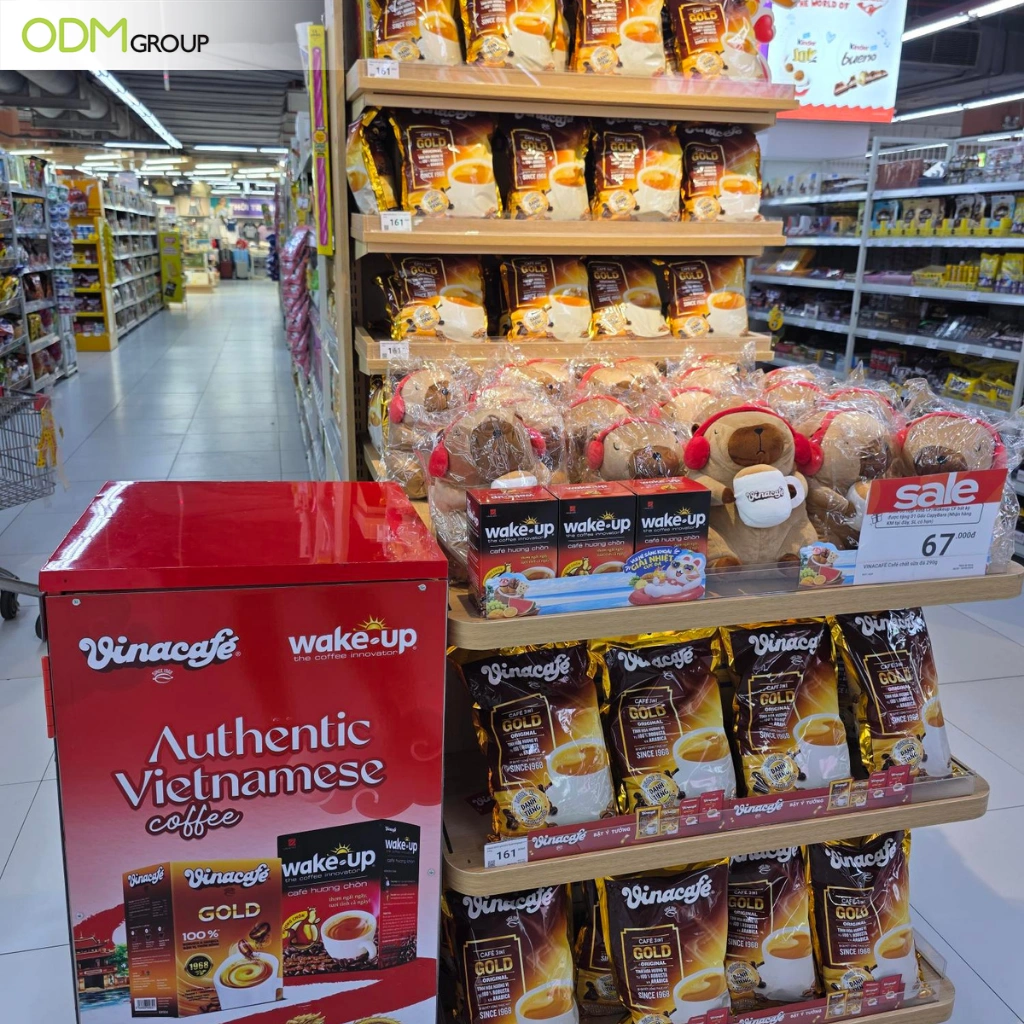
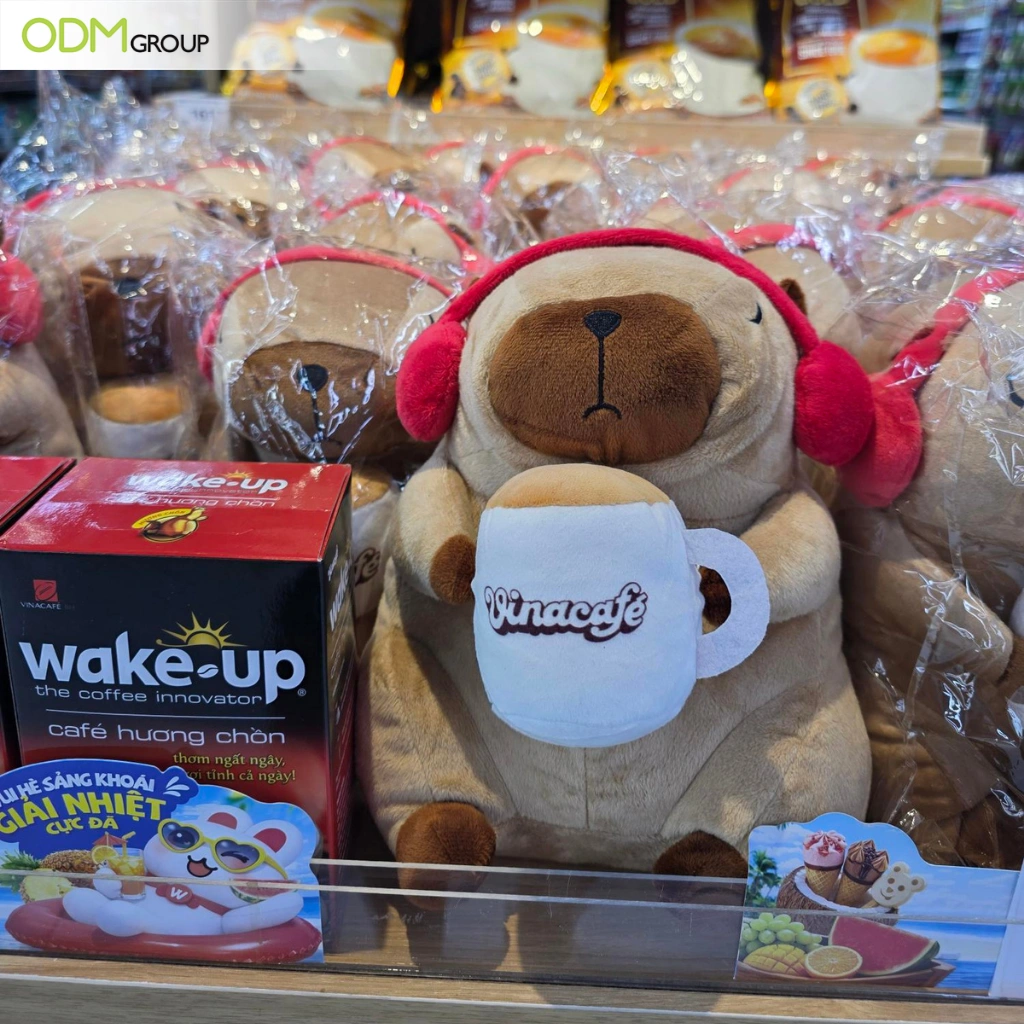
First, it encourages a higher purchase quantity. Instead of buying one box, shoppers have a reason to buy more.
Second, it gives the product stronger shelf visibility. A soft plush toy placed beside coffee boxes naturally attracts attention in a busy retail aisle.
Third, it creates emotional value. Coffee is usually a practical product, but the plush adds personality and charm. It makes the campaign feel more human and more memorable.
This is why the Vinacafé example works well. The plush is not just a cute freebie. It supports the product, the packaging, the shelf display, and the buying mechanic.
How to Design Branded Plush Toys That Customers Actually Want
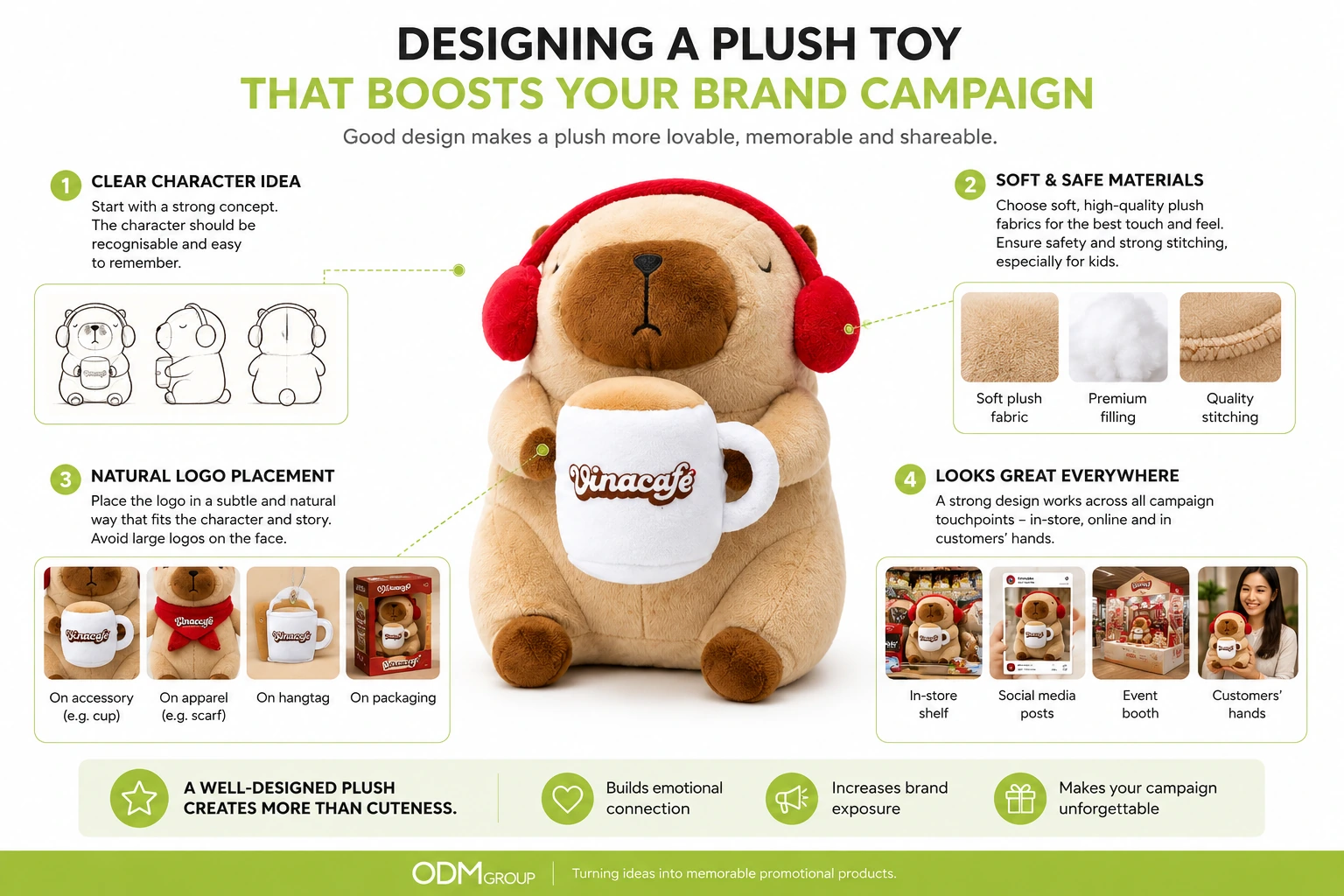
The success of a plush campaign depends heavily on design. A plush toy needs to look good, feel good, and make sense for the brand.
Start with a clear character idea. This could be an existing mascot, a product-inspired character, or a new campaign figure. The silhouette should be recognisable, even from a distance.
Next, think about materials. Soft plush fabric creates a better customer experience, but it also needs to suit the campaign budget and expected use. For baby or children’s campaigns, material safety and stitching quality become even more important.
Logo placement should feel natural. Instead of placing a large logo across the face, brands can use a small embroidered logo, a scarf, a cup, a shirt, a hangtag, or branded packaging.
The plush also needs to look good in campaign photos. It may appear on shelves, in social media posts, in event booths, and in customers’ hands. A strong design should work across all these touchpoints.
Why Branded Plush Toys Work for FMCG and Beverage Brands
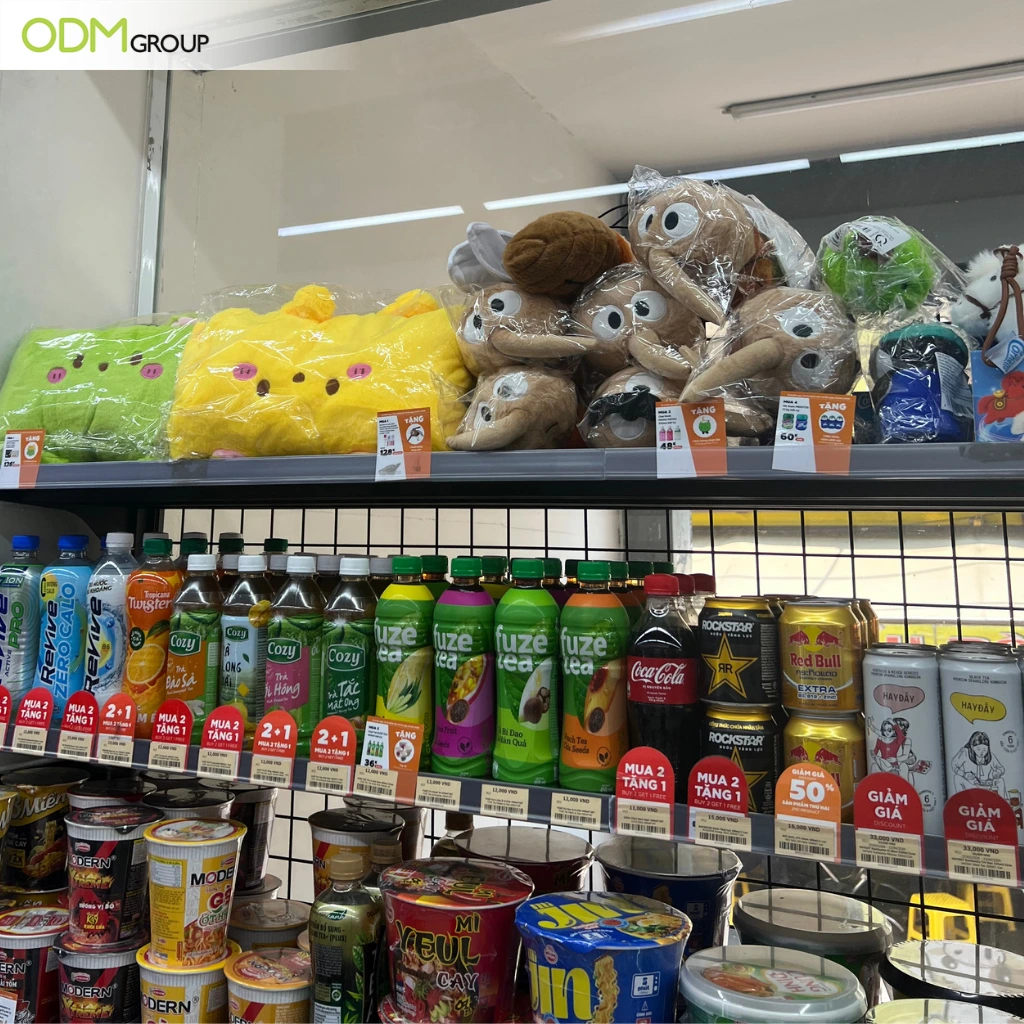
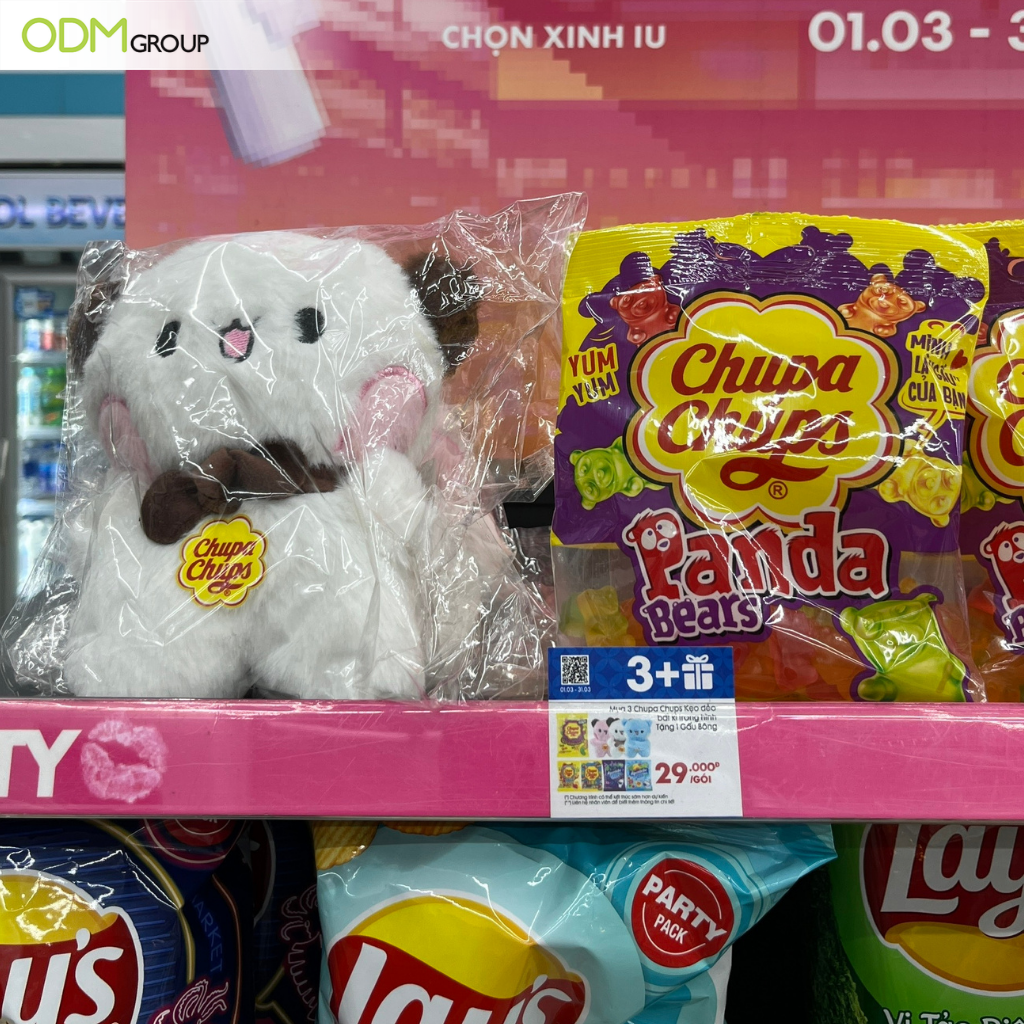
FMCG and beverage categories are highly competitive. Shoppers often compare similar products quickly, especially in supermarkets and convenience stores. A branded plush toy can interrupt that routine by giving customers something extra to notice.
For food and beverage brands, plush toys can help with:
- Shelf impact: A plush gift can make the promotion stand out from standard price tags and discount signs.
- Basket size: Multi-buy mechanics can encourage customers to purchase more products to receive the gift.
- Brand personality: A soft toy gives the brand a friendlier and more emotional identity.
- Retention: Customers may keep the plush at home, in their car, or on their desk.
- Social sharing: Cute plush gifts are more likely to be photographed and shared online.
This makes branded plush toys especially useful for coffee, milk tea, bottled drinks, snacks, sauces, confectionery, instant noodles, cereals, and seasonal gift campaigns.
A discount may help close a sale. A plush toy can help customers remember the brand after the sale.
What VN Toy and Baby Product Expo 2026 Shows About Plush Trends
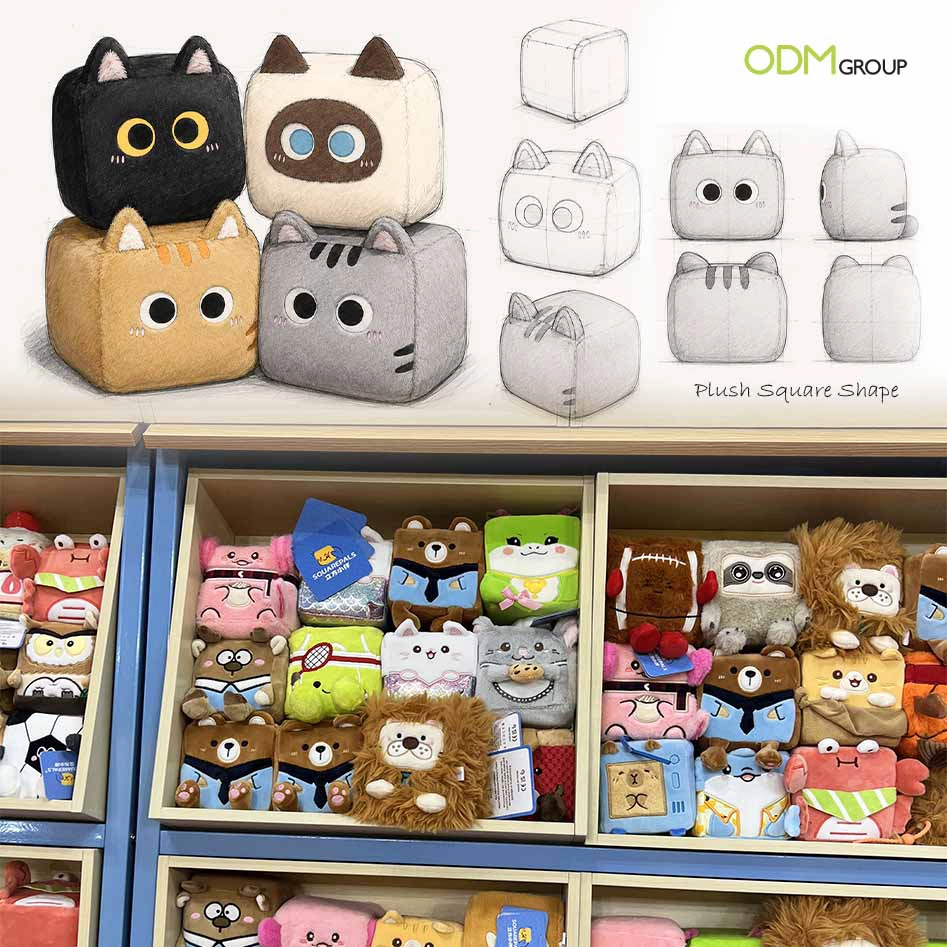
The plush references from the VN Toy and Baby Product Expo 2026 show that plush toys are becoming more design-led and campaign-ready. They are no longer limited to basic teddy bears or generic children’s toys.
At the expo, plush products appeared in many creative formats. Some were displayed as character cushions inside wooden display boxes. Others were arranged in lifestyle-style booths with pastel backdrops, baskets, shelves, and illustrated posters. There were also plush designs inspired by food, animals, fantasy characters, soft pillows, keychains, and collectible figures.
This matters for brand marketing because presentation changes how people perceive the product. A plush toy displayed as part of a character world feels more valuable than a loose toy placed on a table.
For brands, the expo references suggest several opportunities:
- Create full plush collections instead of one single item.
- Use themed retail displays to make the plush feel more premium.
- Develop soft characters based on products, flavours, moods, or campaign stories.
- Offer different sizes, from mini keychain plush to cushion-style plush.
- Use plush toys for retail, gifting, events, and loyalty campaigns.
The Vinacafé capybara plush fits this larger trend. It uses a character-led design, connects to the product packaging, and gives customers something collectible.
Which Industries Can Use Branded Plush Toys?
Branded plush toys are flexible because they can be adapted to many industries. The idea is not limited to children’s brands. Any business with a mascot, product story, campaign theme, or customer community can use plush toys creatively.
FMCG and Food Brands
Food brands can use plush toys to make everyday products more memorable. A sauce brand can create a chilli character plush. A snack brand can turn a popular flavour into a collectible mascot. A cereal brand can create a breakfast-themed plush collection for family promotions.
These campaigns work well in supermarkets because plush toys help products stand out at shelf level.
Beverage and Coffee Brands
Beverage brands can use plush toys to build stronger personality around their products. Coffee brands can create morning-themed mascots. Tea brands can create cup-shaped plush toys. Bottled drink brands can use animal characters or seasonal plush gifts.
For coffee and beverage campaigns, plush toys can also work well with multi-buy promotions, gift sets, and festive bundles.
Baby Care and Family Brands
Baby care brands can use soft plush characters for welcome kits, loyalty programmes, gift sets, and retail displays. However, baby-related plush products need careful planning. Brands should consider age suitability, fabric safety, stitching quality, filling material, detachable parts, and relevant safety testing.
The plush should look gentle, feel soft, and meet the correct product requirements for the target age group.
Entertainment and Licensing Brands
Entertainment brands, anime brands, film studios, music tours, and game companies can use plush toys as fan merchandise. Plush products work well because fans often want items that feel collectible and emotional.
Limited-edition plush toys can also support concerts, pop-ups, fan clubs, VIP packs, and licensing campaigns.
Retail and Loyalty Programmes
Retailers can use branded plush toys as spending rewards, membership gifts, supermarket stamp rewards, or seasonal collectibles. This can encourage repeat visits because customers may want to complete a collection.
A plush collection can also create stronger campaign storytelling across several weeks or months.
Hospitality and Travel Brands
Hotels, airlines, tourism boards, and family resorts can use plush mascots as welcome gifts or souvenir items. These gifts work particularly well for family travel, kids’ clubs, destination campaigns, and hotel loyalty programmes.
A well-designed plush mascot can become part of the customer experience, not just a product giveaway.
Campaign Mechanics That Work Well With Branded Plush Toys
A plush toy becomes more powerful when paired with the right campaign mechanic. Brands should decide this early because it affects size, cost, packaging, display method, and production volume.
Common mechanics include:
|
Campaign Mechanic |
How It Works |
|---|---|
| Gift with purchase | Customers buy a set quantity and receive a plush gift |
| Collect-to-redeem | Customers collect receipts, stamps, caps, or QR codes |
| Limited-edition drop | Brands release exclusive plush toys for a short campaign period |
| Blind-box plush | Customers receive surprise characters from a collection |
| Loyalty gift | Members receive exclusive plush toys as rewards |
| Event giveaway | Plush toys are used for launches, expos, concerts, and pop-ups |
| Premium bundle | Plush toys are packed inside gift sets or retail kits |
For Vinacafé, the gift-with-purchase mechanic works because it is simple. Buy multiple boxes and receive the capybara plush. The shopper understands the offer immediately.
Alternative Plush Toy Ideas to Expand Your Campaign
The Vinacafé capybara plush is a strong example of how a branded plush toy can make a retail promotion more emotional and memorable. However, brands do not need to stop at one plush format. The same mascot or campaign character can be adapted into different plush ideas depending on the target audience, product category, budget, and retail setting.
Below are related plush toy ideas to help brands build a more complete campaign and drive stronger customer engagement.
Interactive Plush Toys for Kids and Family Campaigns
Interactive plush toys can add movement, sound, music, or simple touch-based features to make the gift feel more engaging. This works especially well for baby care, family retail, entertainment, and children-focused promotions.
For brands targeting parents or young families, an interactive plush toy can feel more valuable than a basic giveaway. It can be used as part of a welcome kit, loyalty reward, event gift, or retail promotion.
Best used for: baby care brands, family events, education campaigns, children’s product launches, entertainment promotions.
Custom Plush Toys for Brand Mascots
Custom plush toys are ideal for brands that already have a mascot, character, or strong visual identity. A mascot plush helps customers form a stronger emotional connection with the brand because it turns a flat image into something physical and collectible.
This is where the Vinacafé case works well. The capybara character appears on the packaging, then becomes a plush gift that shoppers can take home. The same idea can work for beverage brands, snack brands, sports teams, hotels, banks, and retail chains.
Best used for: FMCG campaigns, beverage promotions, retail rewards, mascot marketing, customer loyalty gifts.
Custom Plush Keychains for Budget-Friendly Promotions
Not every campaign needs a full-size plush toy. Custom plush keychains are a practical alternative for brands that want something cute, lightweight, and easier to distribute at scale.
They can be attached to bags, keys, school items, or travel accessories, giving the brand daily visibility. Plush keychains also work well for blind-box campaigns or collectable character series, especially when brands want to create multiple designs without making the gift too expensive.
Best used for: trade shows, retail giveaways, event merchandise, loyalty programmes, student campaigns, travel promotions.
Mass Production of Plush Toys for Large Campaigns
For national retail campaigns or large FMCG promotions, plush toy mass production needs careful planning. Brands should think beyond the character design and consider materials, stitching, filling, colour matching, packaging, safety standards, QC checks, and shipping schedules.
This is especially important when the plush toy is tied to a purchase mechanic or limited-time campaign. The product must look consistent across all units and arrive on time for the retail launch.
Best used for: supermarket promotions, GWP campaigns, seasonal launches, licensed merchandise, large-scale redemption programmes.
How Soft Toys Are Made Inside a Plush Toy Factory
Understanding how soft toys are made can help brands plan better campaigns. Plush production usually starts with character artwork, pattern development, fabric selection, embroidery, cutting, sewing, stuffing, finishing, and inspection.
Small details can change the final result. The curve of the face, fabric texture, eye embroidery, logo placement, and filling firmness all affect how premium the plush feels. This is why sampling is important before mass production.
Best used for: brands developing mascot plush toys, premium plush gifts, baby-safe plush products, or character-based retail merchandise.
Why These Plush Ideas Matter for Brands
Branded plush toys are not limited to one format. A campaign can start with one hero mascot, then expand into mini keychains, interactive plush toys, pillow plush, blind-box characters, or limited-edition seasonal designs.
For brands planning long-term promotions, this creates more flexibility. One character can support multiple campaigns across retail, events, loyalty programmes, social media, and seasonal gifting.
ODM can support brands from early plush concept development to sourcing, sampling, quality control, packaging, and logistics. This helps turn a campaign character into a practical branded plush toy that fits the promotion, budget, and customer experience.
How ODM Supports Branded Plush Toy Campaigns
ODM helps brands develop branded plush toy campaigns from idea to delivery. This can include concept development, mascot adaptation, design direction, sourcing, sampling, factory coordination, quality control, packaging, and logistics.
This is where ODM can support:
Final Thoughts
Branded plush toys work because they bring emotion, visibility, and collectability into a campaign. The Vinacafé Wake-Up capybara plush shows how a simple mascot gift can support shelf impact, encourage multi-buy purchase, and create longer brand recall.
For FMCG, beverage, baby care, retail, entertainment, hospitality, and licensing brands, plush toys offer more than decoration. They can become campaign assets that customers notice, keep, and remember.
At The ODM Group, we specialize in transforming creative concepts into market-ready merchandise through precision printing, professional design, and global manufacturing expertise. Contact us today to learn how we can help you design, source, and manufacture high-quality promotional products that elevate your brand awareness.
- Website: www.theodmgroup.com
- Email: info@theodmgroup.com
Explore our promotional products




FAQs
What are branded plush toys?
Branded plush toys are custom soft toys designed around a brand mascot, product, character, or campaign theme. They are often used as gifts with purchase, event merchandise, loyalty rewards, retail collectibles, and promotional gifts.
Which industries can use branded plush toys?
Branded plush toys work well for FMCG, beverage, baby care, retail, entertainment, licensing, hospitality, travel, and loyalty campaigns. Any brand with a mascot, strong visual identity, or product story can use plush toys creatively.
Why are plush toys effective for marketing campaigns?
Plush toys create emotional value. Customers are more likely to keep, display, collect, or share them compared with standard promotional gifts. This gives the brand longer visibility after the campaign ends.
Can branded plush toys be used as gifts with purchase?
Yes. Plush toys are ideal for gift-with-purchase campaigns because they can increase perceived value and encourage customers to buy more products to receive the reward.
Discover our latest promotional insights
Discover more creative products solutions and branding ideas to elevate your next promotional campaign.
Multi-Purpose Takeout Packaging: Catering to Food Industry’s Diverse Need
Imagine providing your customers with a convenient and stable makeshift table, allowing them to enjoy their meals anywhere, from outdoor events to crowded spaces. With this multi-purpose takeout packaging, [...]
Green To Go: Custom Sustainable Take Out Containers For Your Brand
People live in a fast pace world nowadays. They're always on the run with things to do and finish which can be a reason for people skipping a meal [...]
What Made This Creative Food Packaging Idea A Hit For Travelers?
Designing food packaging can be a daunting task because it has to appeal to its target market, be safe for food containing and at the same time, take the [...]
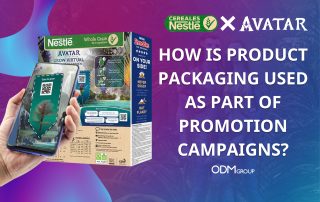
How Does Nestlé x Avatar Use Promotion Packaging in Movie Marketing?
We've already tackled how important product packagings are since they're the first point of contact of the brand with the consumers. To add to that, we'll talk about promotion [...]
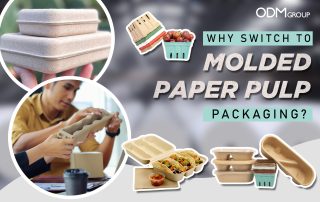
Go Green with Molded Paper Pulp Packaging!
Going green is all the rage these days. People want to be more environmentally conscious and businesses are trying to find ways to reduce their carbon footprint. Be economically [...]
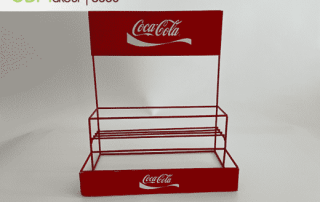
How to Nail Your Business Advertising with this Food Delivery Caddy?
In this era where the food delivery business is on the rise, how can you make your brand the go-to place of every food lover? As every business is competing [...]
Takeout Food Packaging Idea: 5 Ways to Intensify Your Food Business
There is no denying that the food delivery industry has skyrocketed due to the seismic changes brought by the pandemic. And this means that there is an increased need for [...]
 Gallery
The Future of Food Delivery Services: Branded Insulated Lunch Bags
Branded promotional products, Custom packaging, Custom Products, Drinks promotional products, Household promotional gifts, Marketing, Mergers & Acquisition, On-pack promotions, Outdoor promotional items, Premium promotional products, promotional gift, Promotional gifts for food industry, Promotional Products, Purchase with purchase, Trending innovative promotions-
-
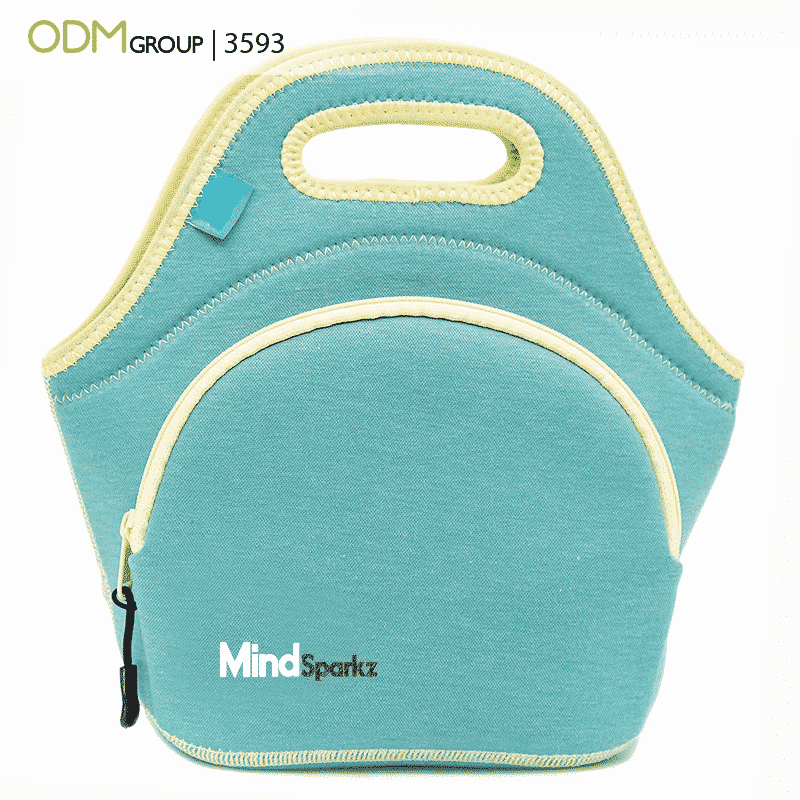
The Future of Food Delivery Services: Branded Insulated Lunch Bags
Did you know that the most common complaint that consumers have about food delivery is their food not being warm enough when it arrives? As food delivery owners, end this [...]
- Gallery
Kellogg’s On Pack Promotion: Custom Cereal Bowl Drives Impulse Buys!
Branded promotional products, Custom plush toys and mascots, FMCG Food, Gift with purchase, Giveaway promotional items, In-pack promotions, Kids promotional products, Marketing, On-pack promotions, Promotional gifts for food industry, Promotional Products -
Kellogg’s On Pack Promotion: Custom Cereal Bowl Drives Impulse Buys!
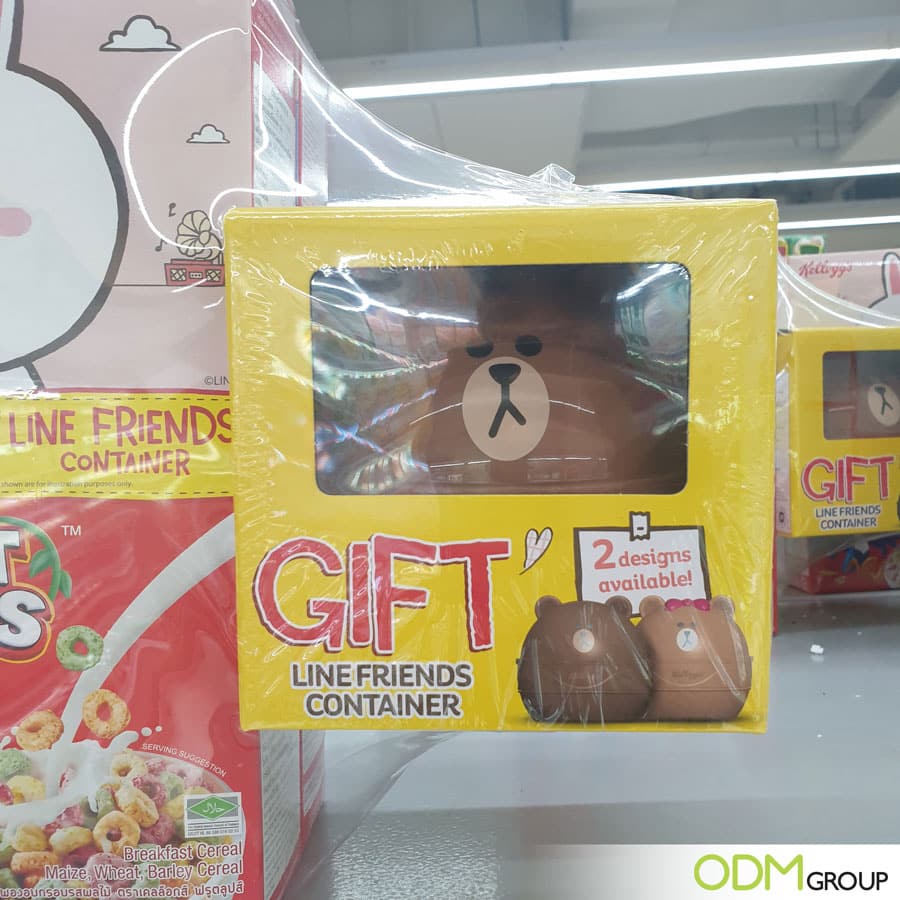
Recently, I came across this on-pack promotion in Singapore by Kellogg's for their various cereals. If shoppers buy 2 boxes of cereal, shoppers can get a Line Friends licensed branded [...]

Gift with Purchase Marketing: How to Advertise with Storage Jars
When it comes to gift with purchase marketing, you want your freebies to be useful to your customers. Personal items and kitchen products make a great complimentary gift with purchase [...]