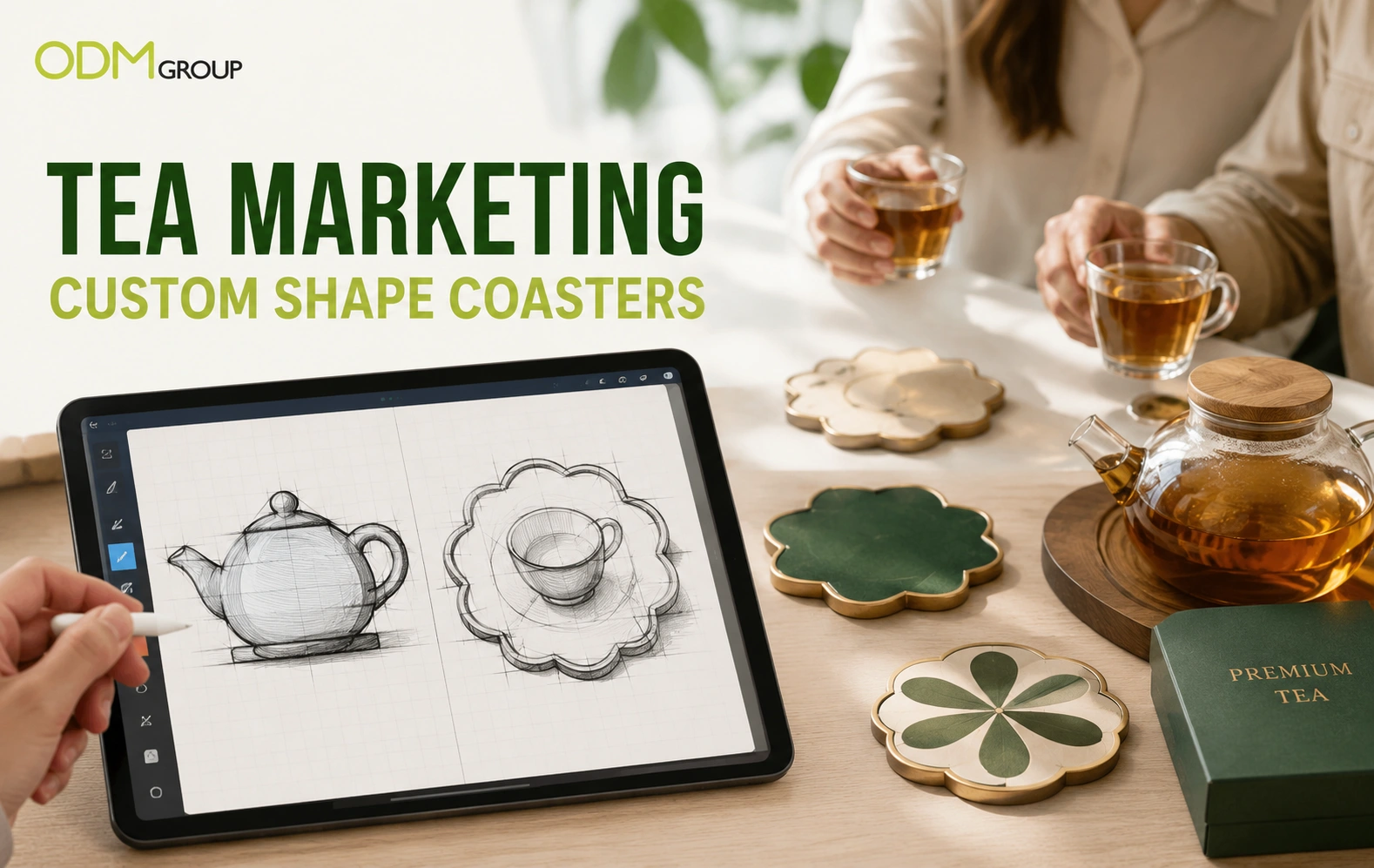
Custom shape coasters help tea brands become part of the everyday tea experience by using unique forms inspired by tea leaves, ingredients, packaging, brewing, or regional culture.
They protect surfaces while keeping the brand visible before, during, and after serving, making them ideal for cafés, hotels, retail, sampling, and gift sets.
Strong designs go beyond logos – shape, material, color, and function work together to express the tea brand’s identity.
Why Custom Shape Coasters Work for Tea Brands
Tea is often connected to repeated routines. Customers prepare a drink, place the cup on a table, take a break, and return to the same ritual later in the day.
A coaster fits naturally into this behavior. It does not interrupt the customer experience or require extra instructions.
Custom shape coasters can help tea brands:
- Place branding close to the product
- Add value to the serving experience
- Protect surfaces from heat and moisture
- Communicate flavor, origin, or brand heritage
- Create collectible promotional items
- Support retail, hospitality, and gifting campaigns
- Encourage repeated brand interaction
Because coasters remain visible while the drink is being consumed, they can provide more sustained exposure than many short-term promotional materials.
Case Study: Twinings Custom Shape Coasters
Twinings, one of the world’s most recognized tea brands, ran a promotional campaign in the Philippines that focused on enhancing the tea experience rather than interrupting it.
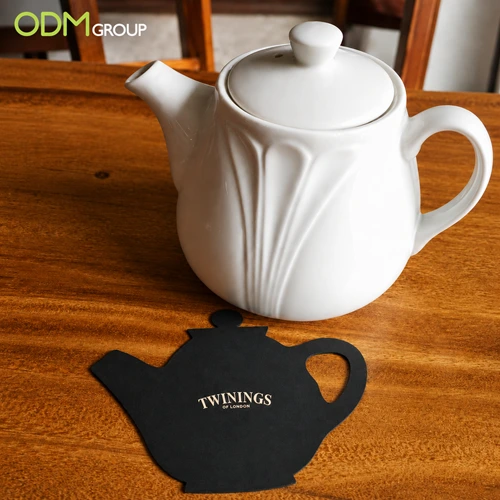
In a cake shop in Cebu, they introduced custom silicone coasters shaped like a minimalist teapot. The design reflected the brand identity while remaining subtle and elegant. At the same time, the coasters were practical—providing grip, protecting surfaces from heat, and being easy to clean for repeated use.
Why It Works
- Fits naturally into the tea ritual
- Combines function with thoughtful design
- Reinforces branding without being intrusive
- Encourages repeated, long-term exposure
Custom Shape Coaster Materials and Design Options
The material and finishing method determine how a coaster looks, feels, and performs. Brands should consider the serving environment, campaign positioning, target audience, and intended product life.
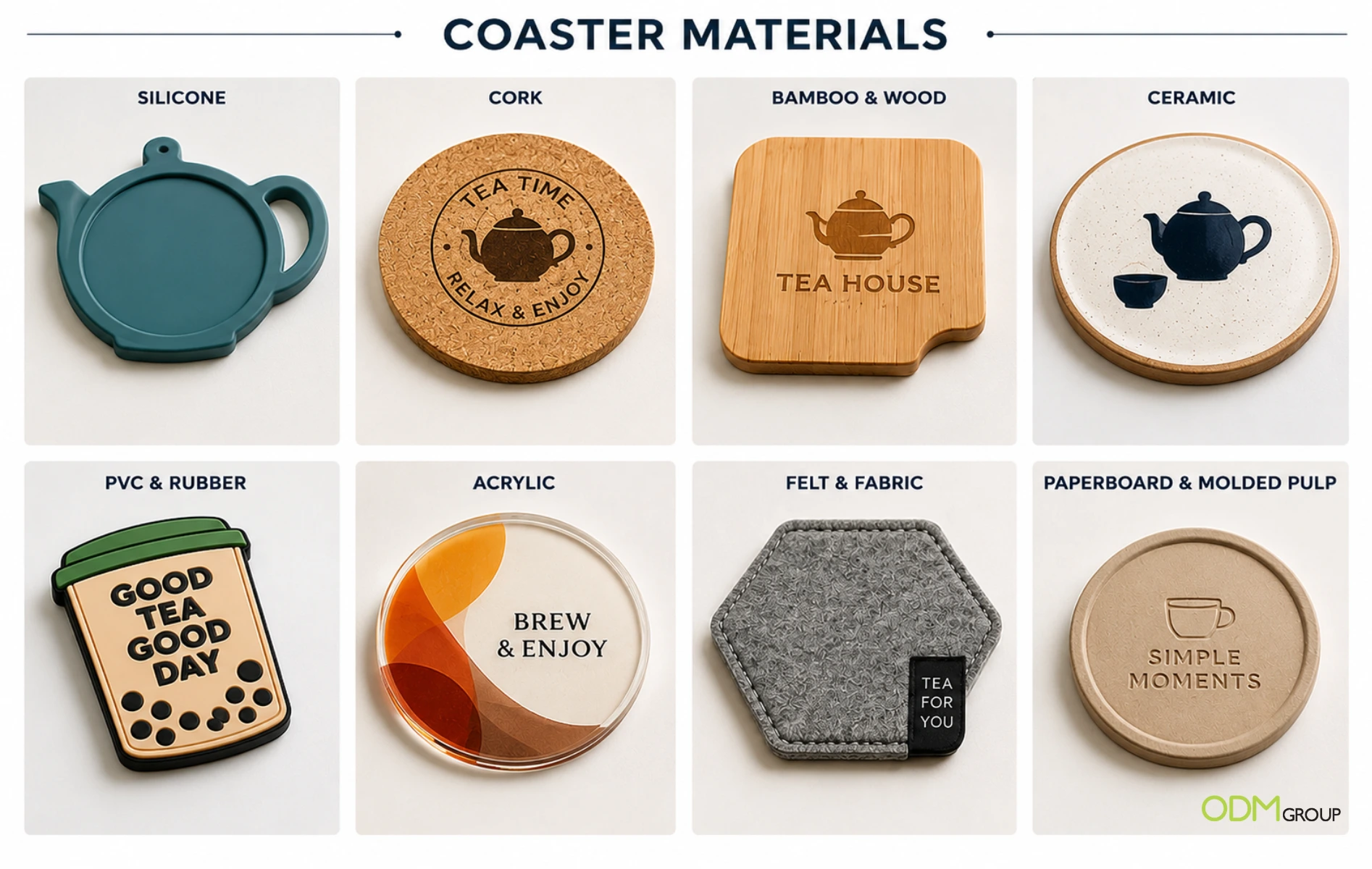
Coaster Materials
- Silicone – Flexible, heat-resistant, washable, and suitable for detailed molded shapes. Works well for playful designs, colorful collections, and high-frequency use.
- Cork – Lightweight and natural in appearance. Particularly suitable for organic tea brands, sustainability-led campaigns, and rustic packaging concepts.
- Bamboo and Wood – Create a premium tabletop product. Ideal for engraved branding, gift sets, tea houses, and hospitality campaigns.
- Ceramic – Offers a refined look for collector sets, premium tea ranges, and branded tea services. Glazed colors and surface textures add depth to the design.
- PVC and Rubber – Support detailed shapes, raised elements, bold colors, and durable construction. Suitable for mascots, character collections, and youth-focused campaigns.
- Acrylic – Can include transparent sections, layered graphics, printed gradients, or metallic details. Well suited to modern tea launches and influencer kits.
- Felt and Fabric – Create a softer, lifestyle-focused product. Can be used in gift boxes, travel kits, events, and premium promotional sets.
- Paperboard and Molded Pulp – Suitable for sampling campaigns, temporary promotions, cafés, and high-volume distribution. Also supports recyclable or low-material concepts.
Custom Design Options
Custom shape coasters can combine decorative finishes, practical features, and interactive technology to create a more distinctive brand experience.
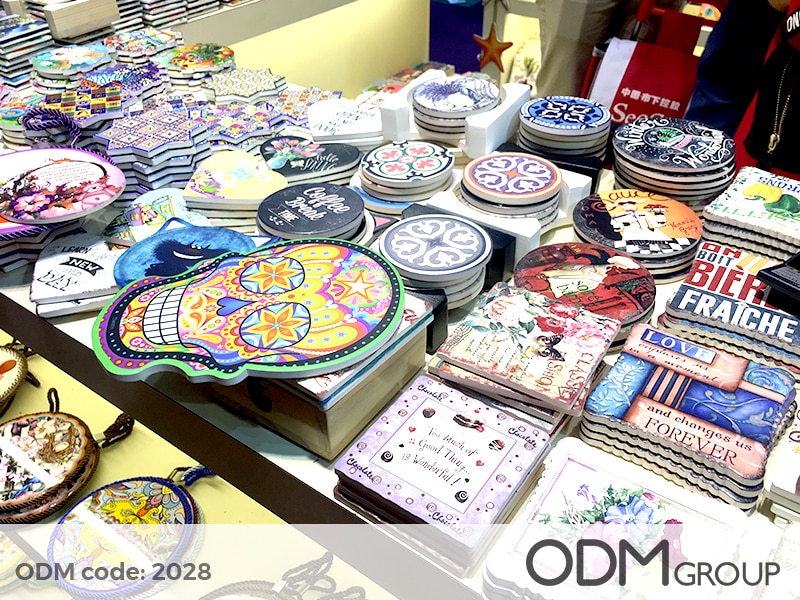
- Surface decoration – Full-color printing, laser engraving, embossed or debossed logos, raised molded details, metallic accents, transparent layers, and textured finishes.
- Functional features – Non-slip backing, condensation rims, drainage grooves, heat-resistant surfaces, tea-bag rests, spoon holders, stackable holders, and interlocking designs.
- Interactive technology – QR codes, NFC chips, loyalty program access, temperature-sensitive color changes, augmented reality content, and digital authentication for collectible editions.
Creative Custom Shape Coaster Ideas
The strongest custom shape coaster designs begin with a recognizable element from the tea product, production process, packaging, or brand story.
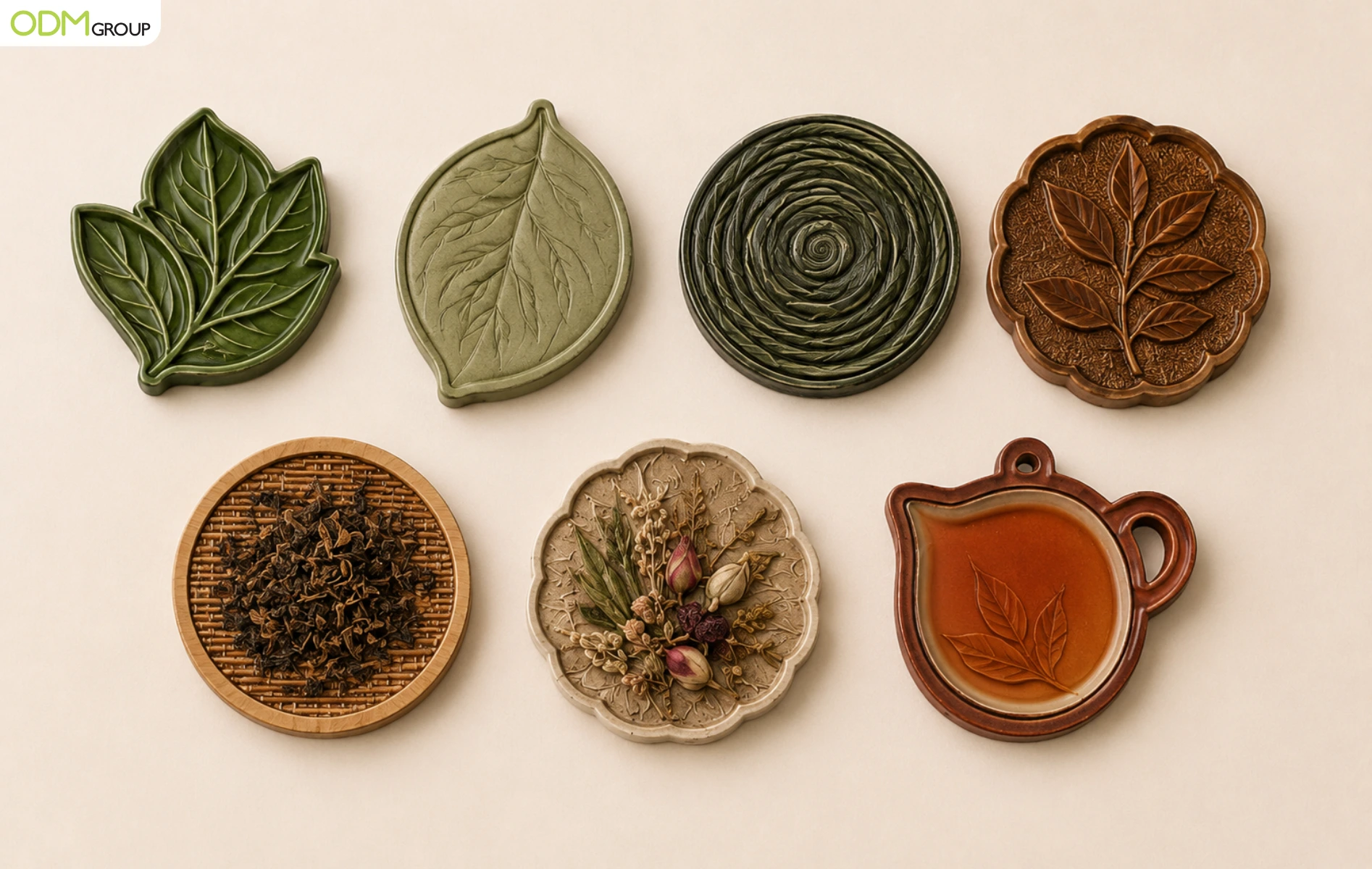
Tea-Production Collection
Create a coaster series that follows the journey from picking and withering to rolling, oxidation, drying, blending, and brewing. Together, the designs tell a complete production story, making them ideal for specialty tea brands, tasting events, and educational campaigns.
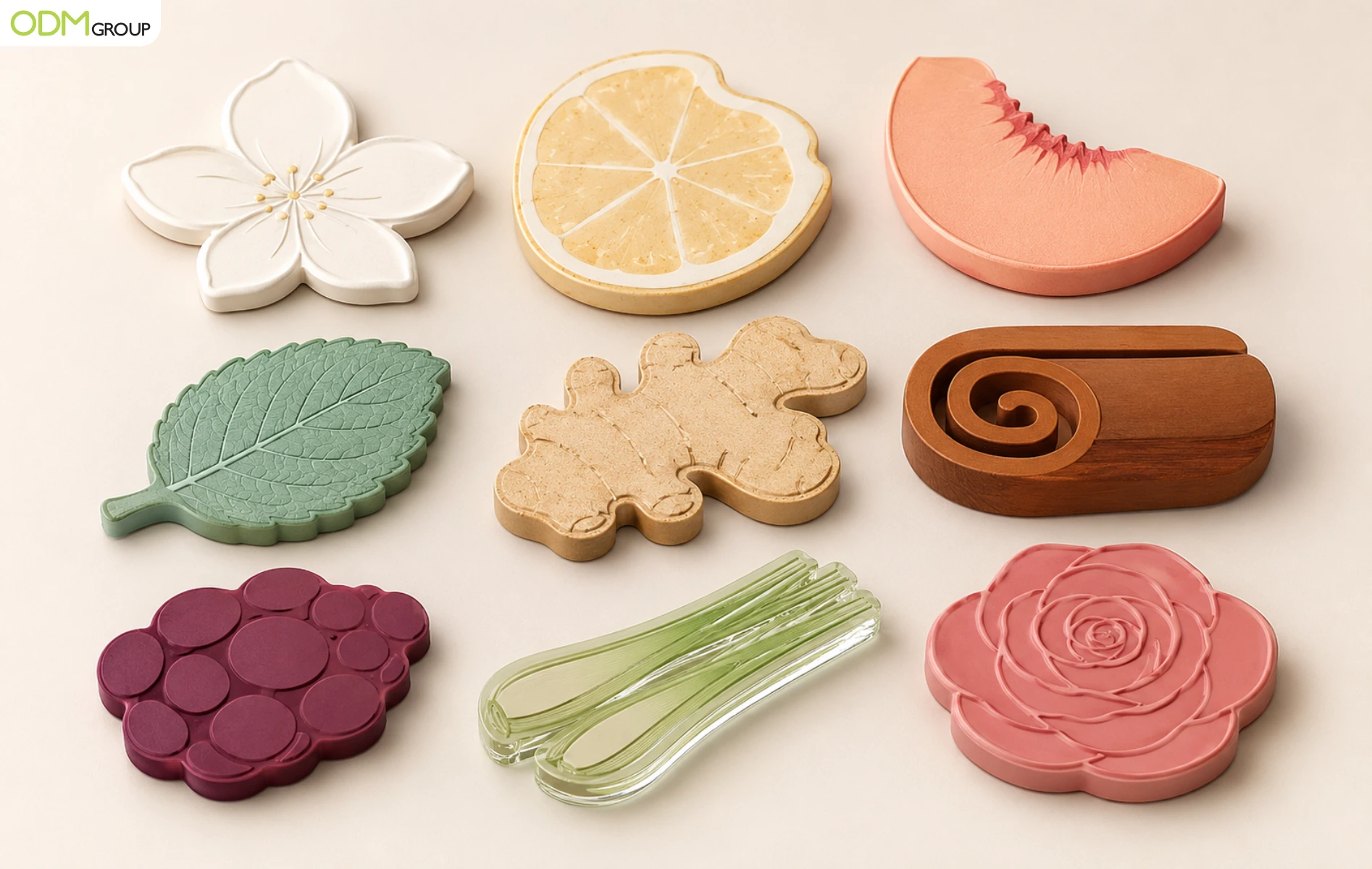
Ingredient-Inspired Designs
Turn jasmine flowers, bergamot peel, peach slices, mint leaves, ginger, cinnamon, berries, lemongrass, or rose petals into distinctive coaster silhouettes. This connects each design directly to the flavor and ingredients of the tea blend.
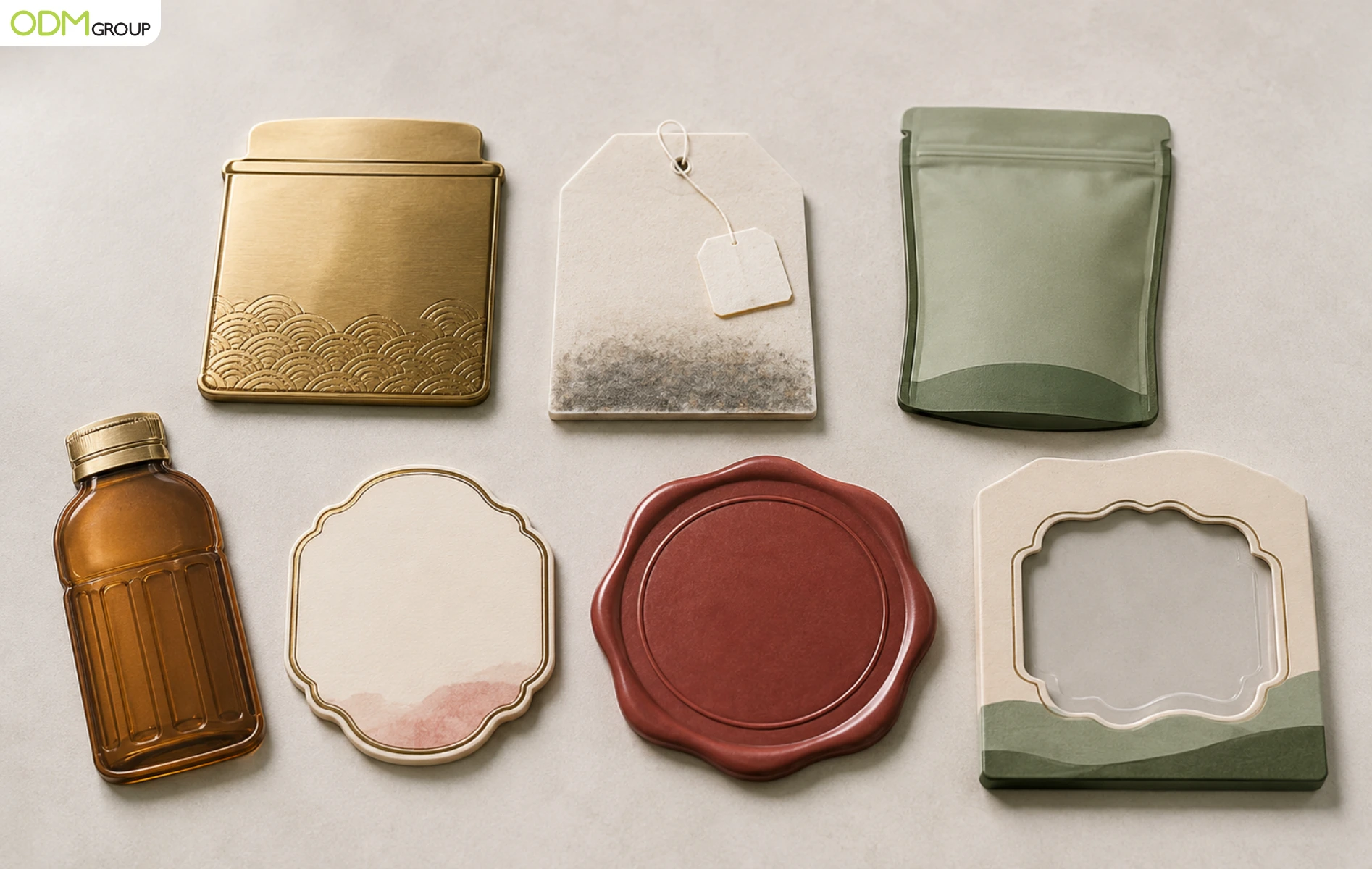
Packaging-Inspired Coasters
Use recognizable elements from tea tins, sachets, pouches, bottles, labels, seals, or package windows as the basis of the coaster shape. This creates a clear visual connection between the promotional product and the tea sold at retail.
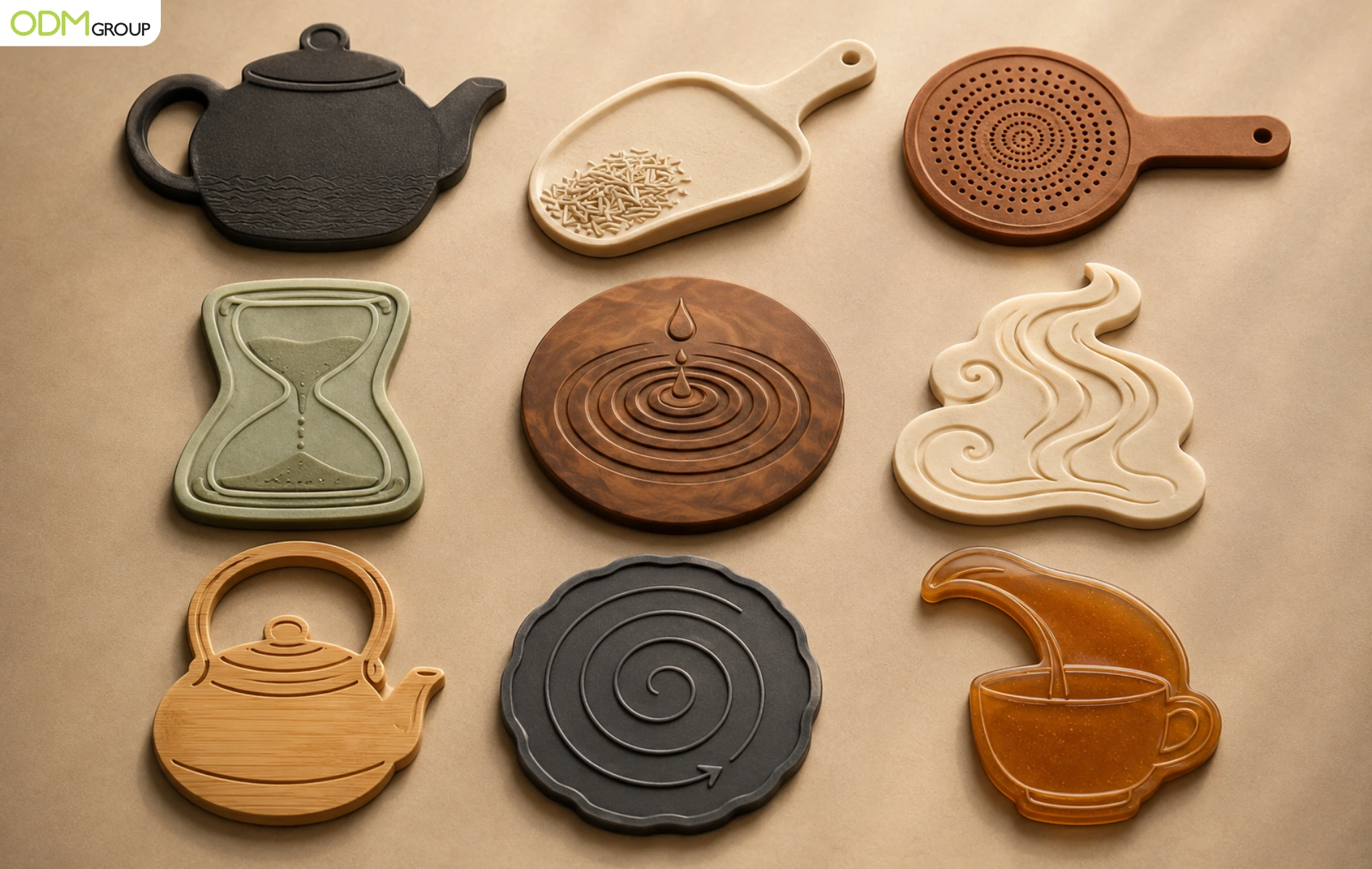
Brewing Ritual Designs
Draw inspiration from kettles, tea scoops, strainers, timers, rising steam, and the movement of tea during infusion. These concepts position the coaster as a natural part of preparing and enjoying the drink.
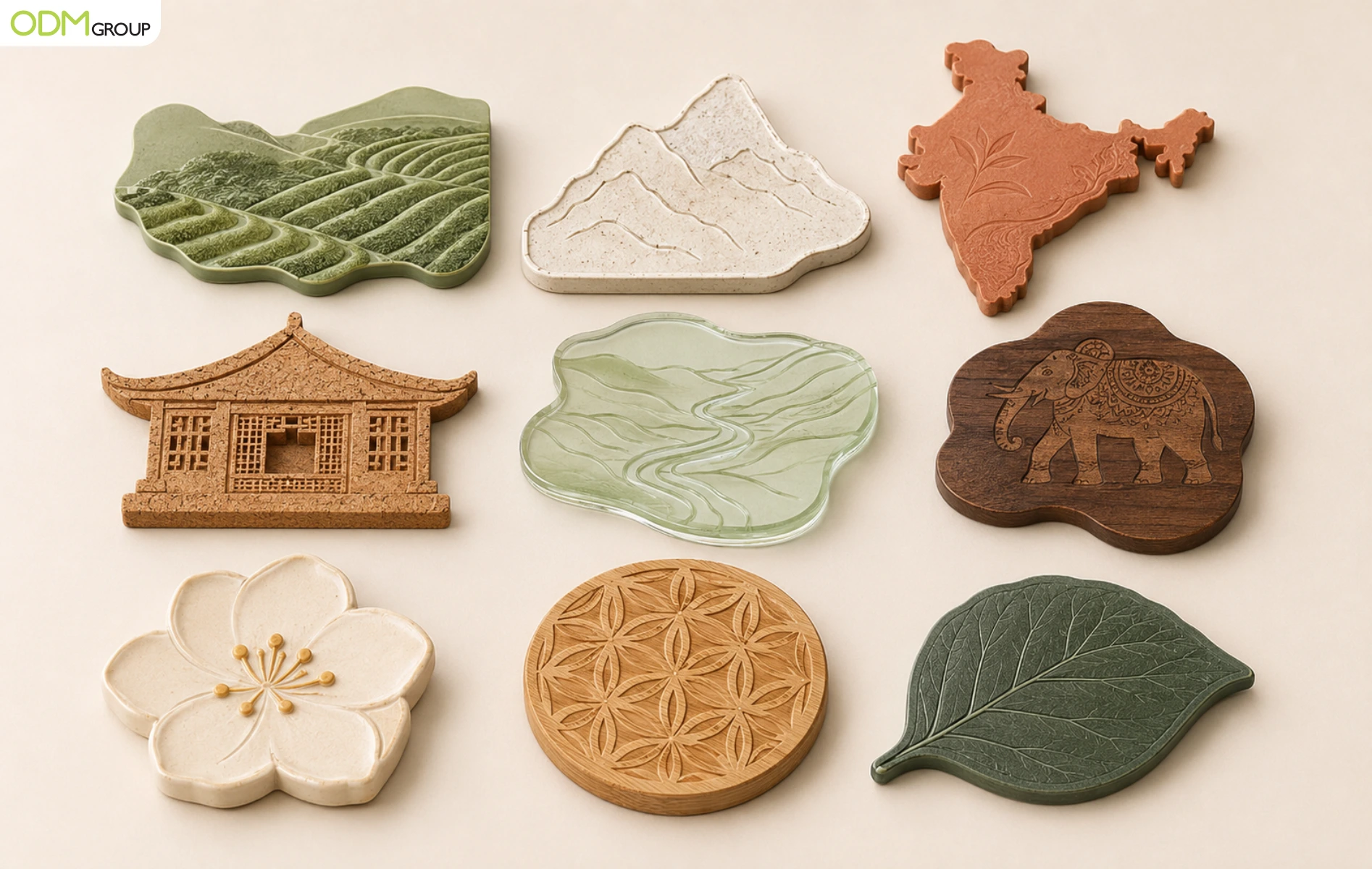
Tea-Origin Collections
Develop designs based on plantation terraces, mountain outlines, regional maps, local architecture, native plants, wildlife, or traditional patterns. Each coaster can represent a different tea origin or variety within the product range.
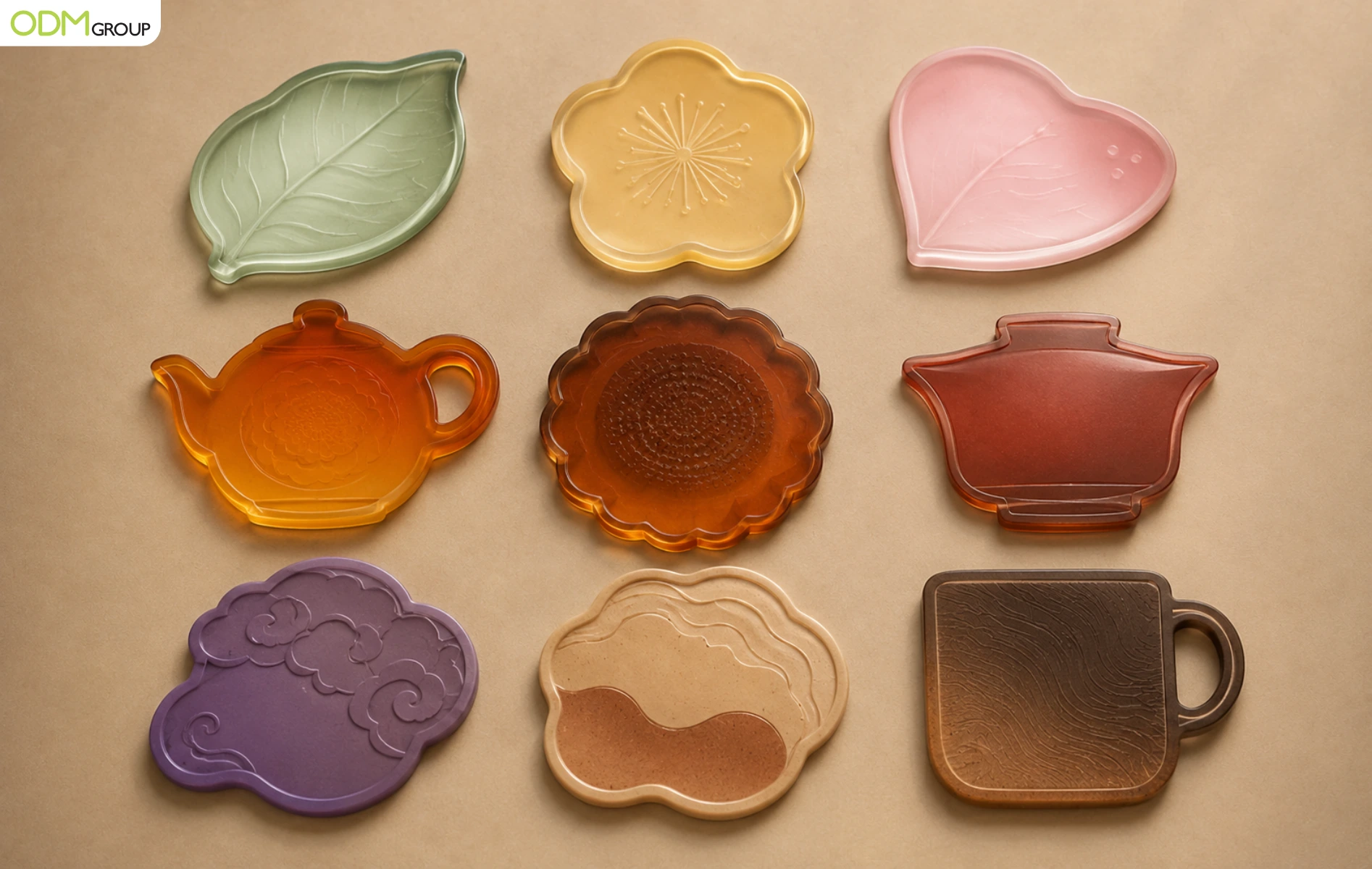
Brewed-Color Collections
Use fresh green, deep amber, reddish brown, pale gold, soft pink, purple, or warm spice tones to distinguish different tea varieties. Transparent acrylic, layered silicone, gradients, and temperature-sensitive effects can recreate the changing colors of tea as it brews.
Ways to Use Custom Shape Coasters in Tea Marketing
Custom coasters can support both short-term campaigns and long-term brand programs.
- Gift With Purchase: Customers can receive a coaster when they purchase a qualifying amount of tea. Different designs may be released over several weeks, encouraging customers to collect the complete set.
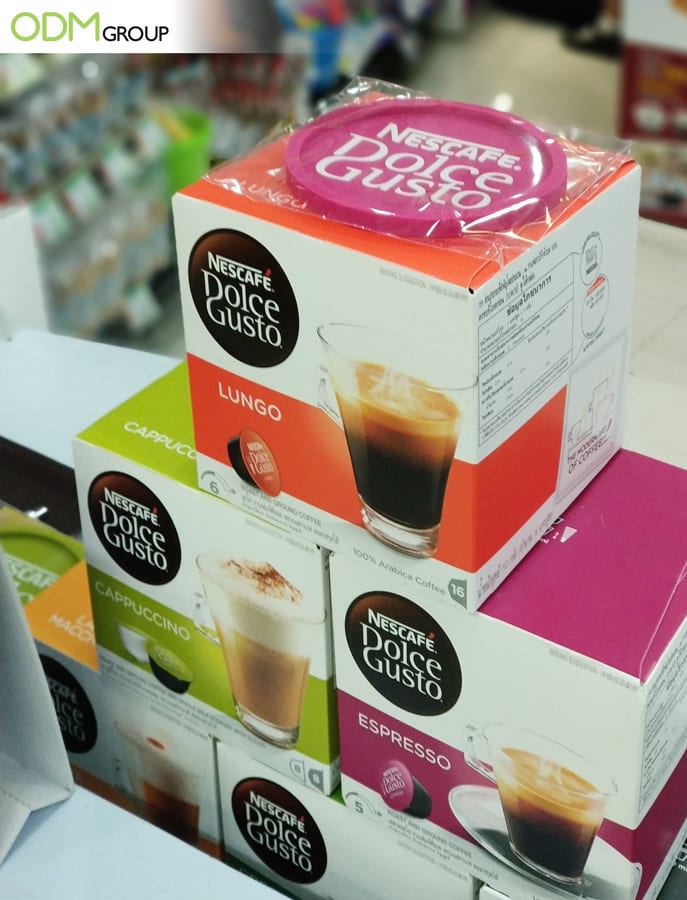
- On-Pack Promotions: Flexible or lightweight coasters can be attached to tea packaging or placed inside a branded sleeve. Displaying the free gift beside the product can help increase perceived value at the point of sale.
- Café and Hospitality Programs: Tea brands can supply custom coasters to cafés, hotels, restaurants, lounges, and tea houses. This places the brand directly within the serving environment and creates repeated exposure across multiple customer visits.
- Sampling Campaigns: A custom coaster can support tea sampling by giving the cup a more complete presentation. Customers may also take the coaster home after the event, extending the campaign beyond the sampling location.
- Influencer and PR Kits: Coasters can help communicate a tea launch through an unboxing experience. Shapes may represent the tea’s ingredients, packaging, origin, or campaign theme. A printed insert can explain the meaning behind each design.
- Seasonal Promotions: A core coaster format can be refreshed through new colors, ingredients, patterns, artwork, or packaging. This allows brands to introduce limited collections without changing the main tea product.
Other Products That Can Support Tea Marketing
Custom-shaped coasters can be the centerpiece of a broader collection of practical tea accessories.
The prices below are indicative planning ranges. Final costs depend on the material, quantity, dimensions, branding method, packaging, testing requirements, and delivery destination.
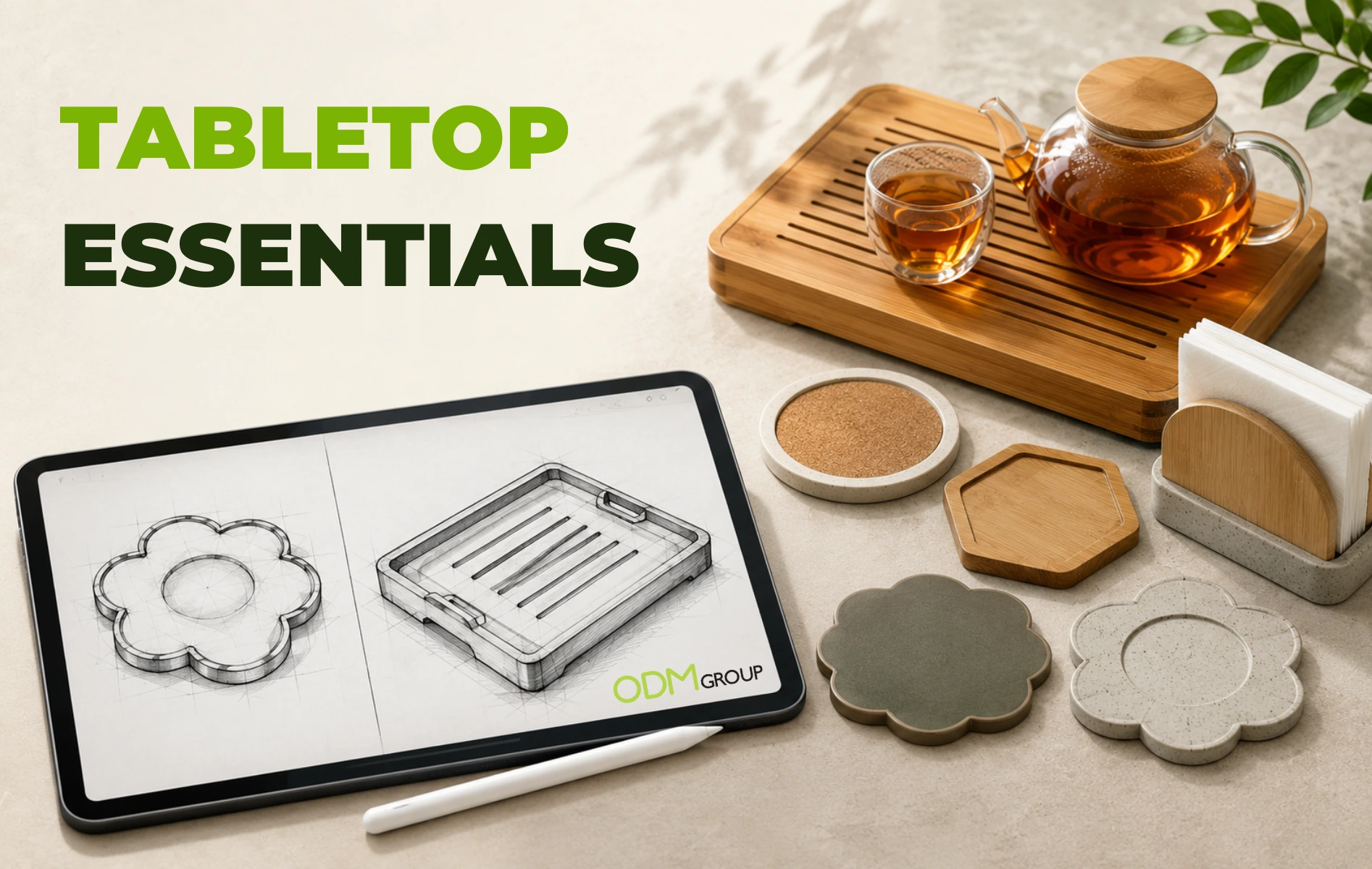
1. Tabletop Essentials
These products remain within the tea environment and provide repeated brand exposure.
Product ideas and typical price ranges:
- Custom shape coasters — $0.50 – $2.50
- Tea trays (wood, bamboo, ceramic) — $5.00 – $20.00
- Serving mats or placemats — $1.50 – $6.00
- Tea cup saucers — $1.00 – $4.00
- Branded napkin holders — $2.00 – $8.00
This approach works well when the campaign needs to create consistent visibility without interrupting the customer experience.
2. Functional Tea Accessories
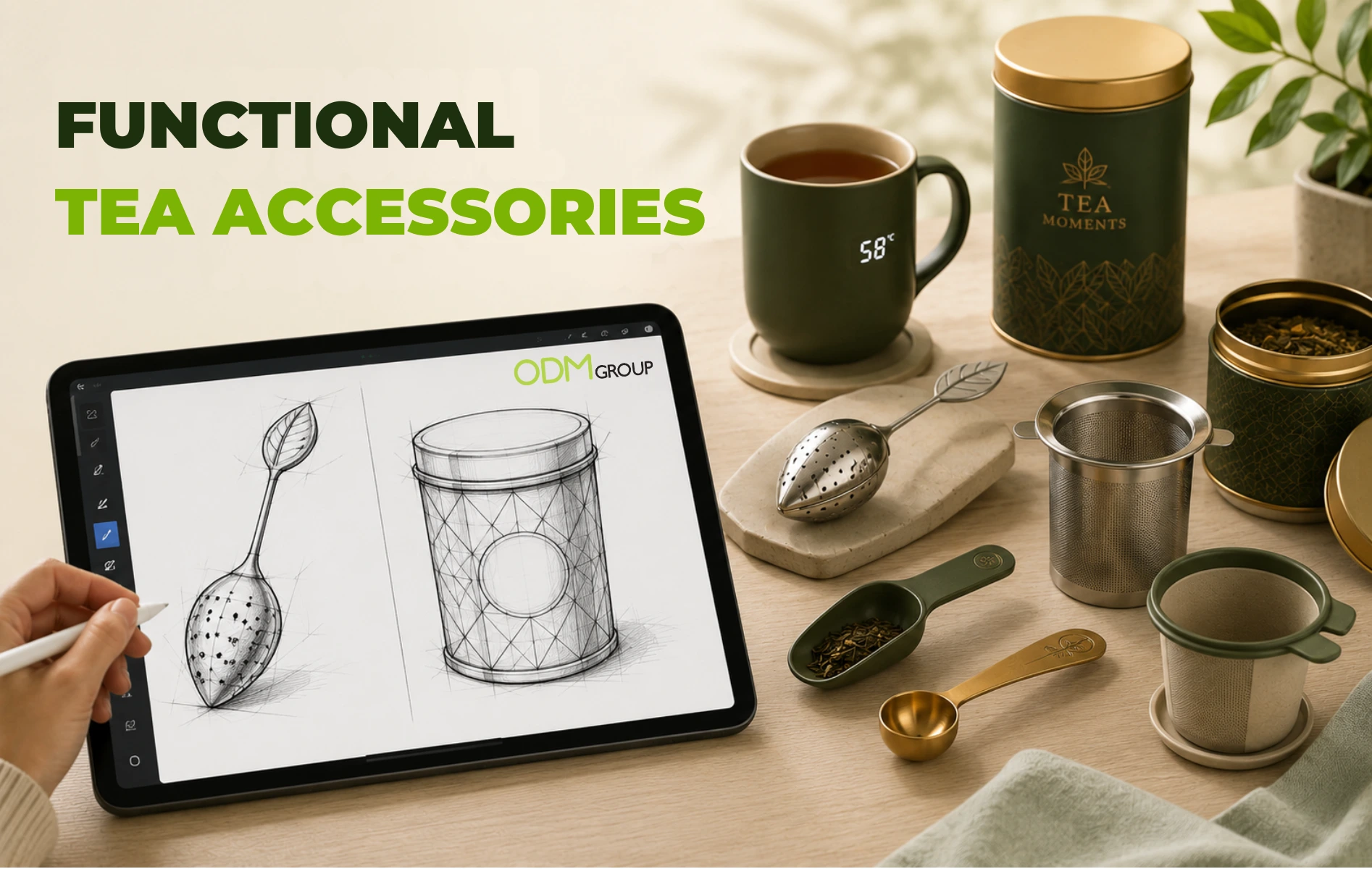
These products support how tea is prepared and consumed.
Product ideas and typical price ranges:
- Custom-shaped tea infusers — $1.50–$5.00
- Loose-leaf strainers — $2.00–$6.00
- Tea storage tins — $3.00–$10.00
- Reusable tea filters — $0.80–$3.00
- Custom tea scoops — $1.00–$4.00
- Temperature-sensitive mugs — $4.00–$12.00
Because these items are part of the preparation process, they can increase the number of times customers interact with the brand.
3. Gift Sets and Packaging
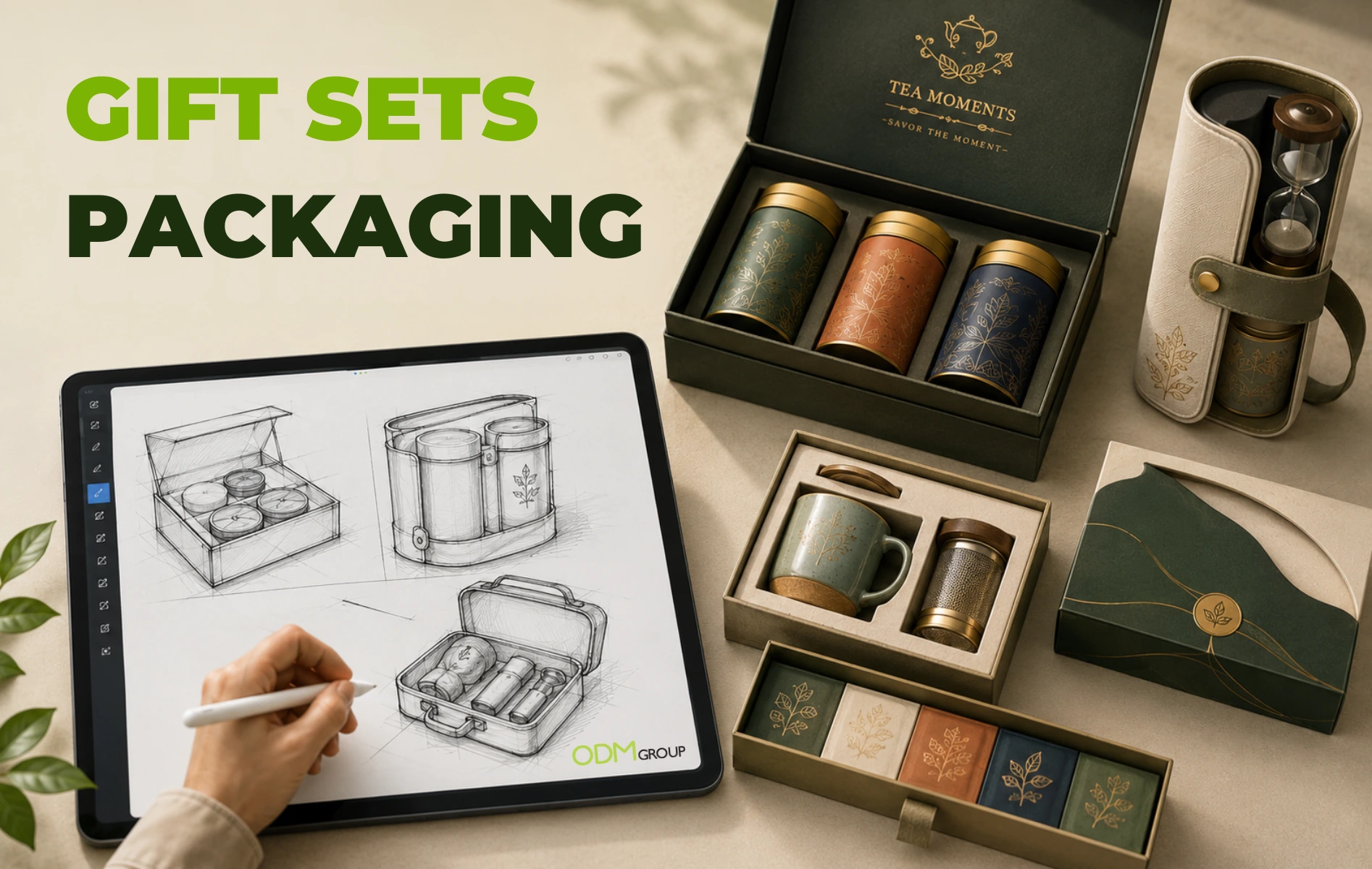
Tea is often purchased as a gift, making packaging and curated sets an important part of the experience.
Product ideas and typical price ranges:
- Multi-flavor tea gift boxes — $8.00–$25.00
- Cup and infuser kits — $6.00–$18.00
- Travel tea kits — $10.00–$30.00
- Premium rigid packaging — $2.50–$10.00
- Collector sets — $15.00–$40.00
Custom shape coasters can be placed inside the set, used as product dividers, or hidden beneath individual tea compartments.
4. Seasonal or Limited Collections
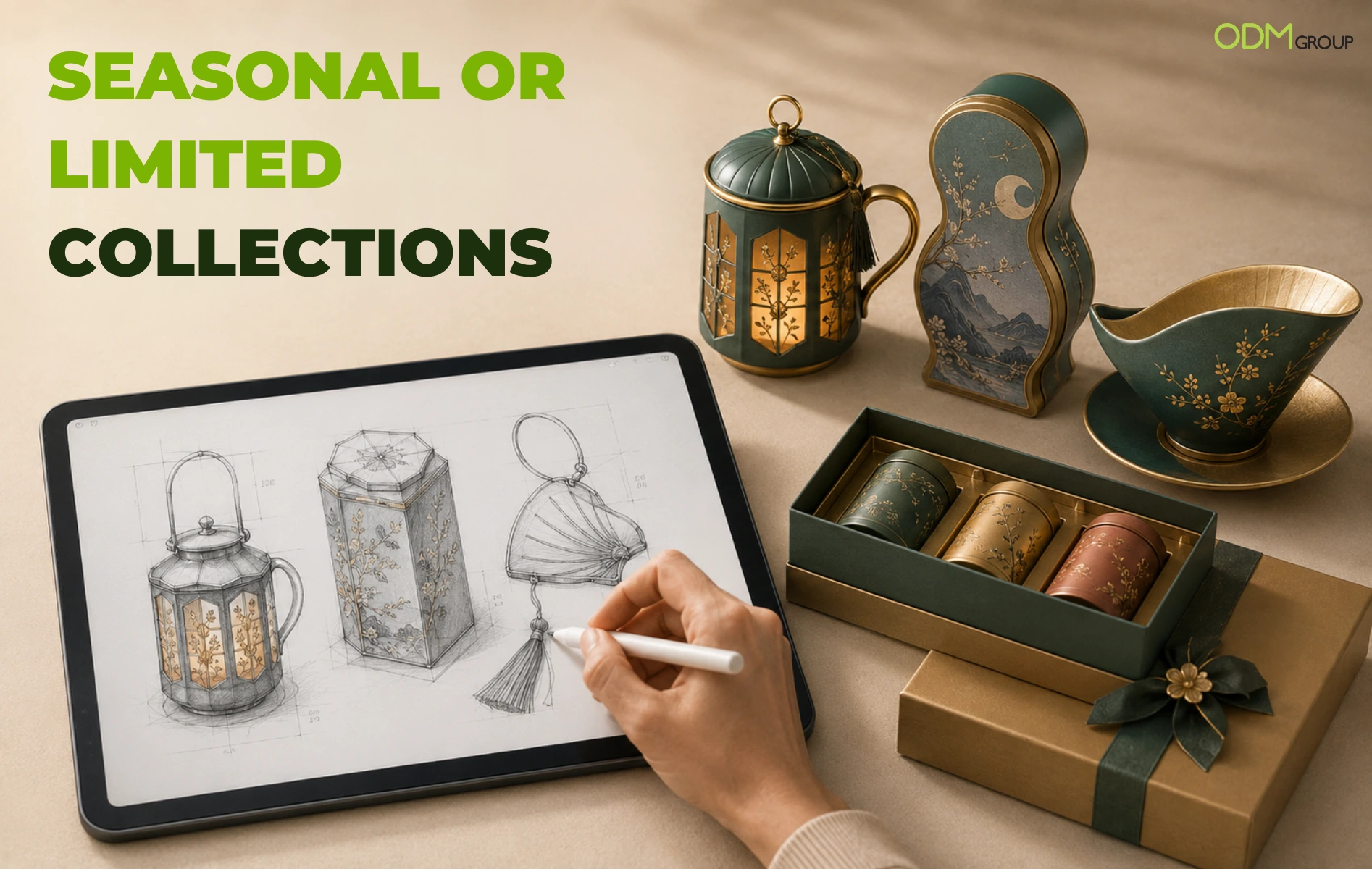
Limited products can refresh interest and give customers a reason to return.
Product ideas and typical price ranges:
- Themed coasters or cups — $1.00–$5.00
- Holiday tea sets — $10.00–$35.00
- Artist collaboration products — $5.00–$20.00
- Region-inspired accessories — $3.00–$12.00
When connected to a story, season, or limited tea flavor, these products can feel more intentional and collectible.
How ODM Group Develops Custom Shape Coasters
Developing an effective custom coaster requires more than placing a logo on an existing item.
The product shape, material, dimensions, branding, packaging, and campaign all need to work together.
ODM Group works as a strategic partner, helping brands turn early ideas into practical, well-executed solutions. From concept development and product design to sourcing, production coordination, and quality control, the focus is on creating products that align with the tea ritual and support long-term brand engagement.
Final thought
Custom shape coasters combine practical use, repeated visibility, and creative storytelling.
Their impact does not depend on producing the most complicated shape. The design needs to connect naturally with the tea brand while remaining stable, durable, and easy to use.
Tea leaves, ingredients, production stages, brewed colors, cultural rituals, packaging, and growing regions can all provide strong creative starting points.
With the right material and design direction, a simple coaster can become a memorable part of a wider tea marketing campaign.
At The ODM Group, we specialize in transforming creative concepts into market-ready merchandise through precision printing, professional design, and global manufacturing expertise. Contact us today to learn how we can help you design, source, and manufacture high-quality promotional products that elevate your brand awareness.
- Website: www.theodmgroup.com
- Email: info@theodmgroup.com
Frequently Asked Questions
What are custom shape coasters?
Custom shape coasters use a unique outline instead of a standard round or square format. The shape can be inspired by a logo, product, package, ingredient, mascot, location, or campaign theme.
Which materials can be used?
Common materials include silicone, cork, bamboo, wood, ceramic, PVC, rubber, acrylic, felt, fabric, paperboard, and molded pulp.
Can a coaster be shaped like a tea product?
Yes. Coasters can be inspired by teapots, tea leaves, tea bags, tins, strainers, ingredients, packaging, or brewing tools. The concept may need to be simplified to maintain stability.
Can ODM Group create the design?
ODM Group and Mindsparkz can support concept development, sketches, 3D visualization, material selection, prototyping, production coordination, packaging, quality control, and logistics.
Explore more promotional items
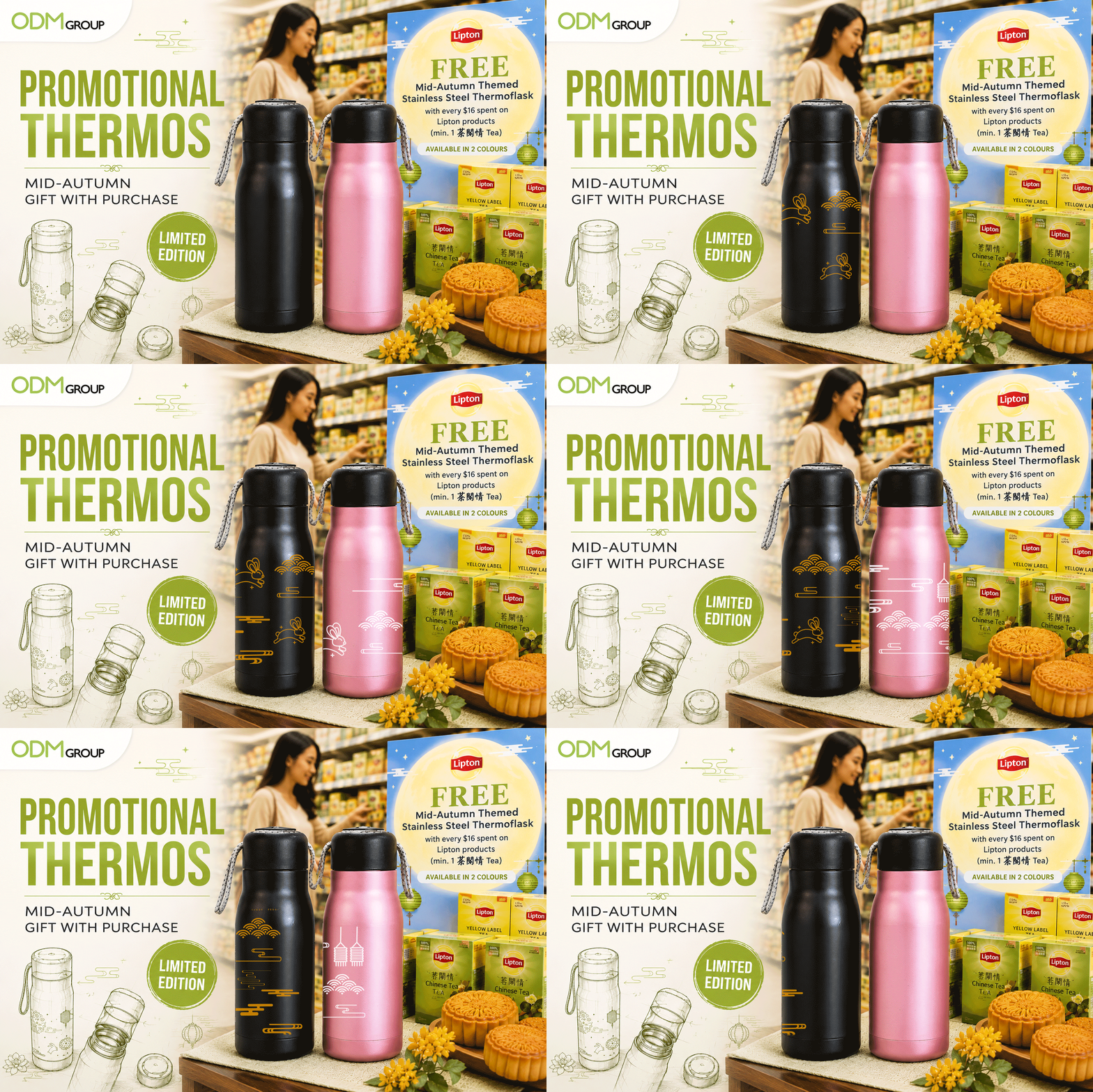
Custom Promotional Thermos: Lipton’s Mid Autumn Giveaway
The Mid-Autumn Festival usually falls in September or October each year, depending on the [...]
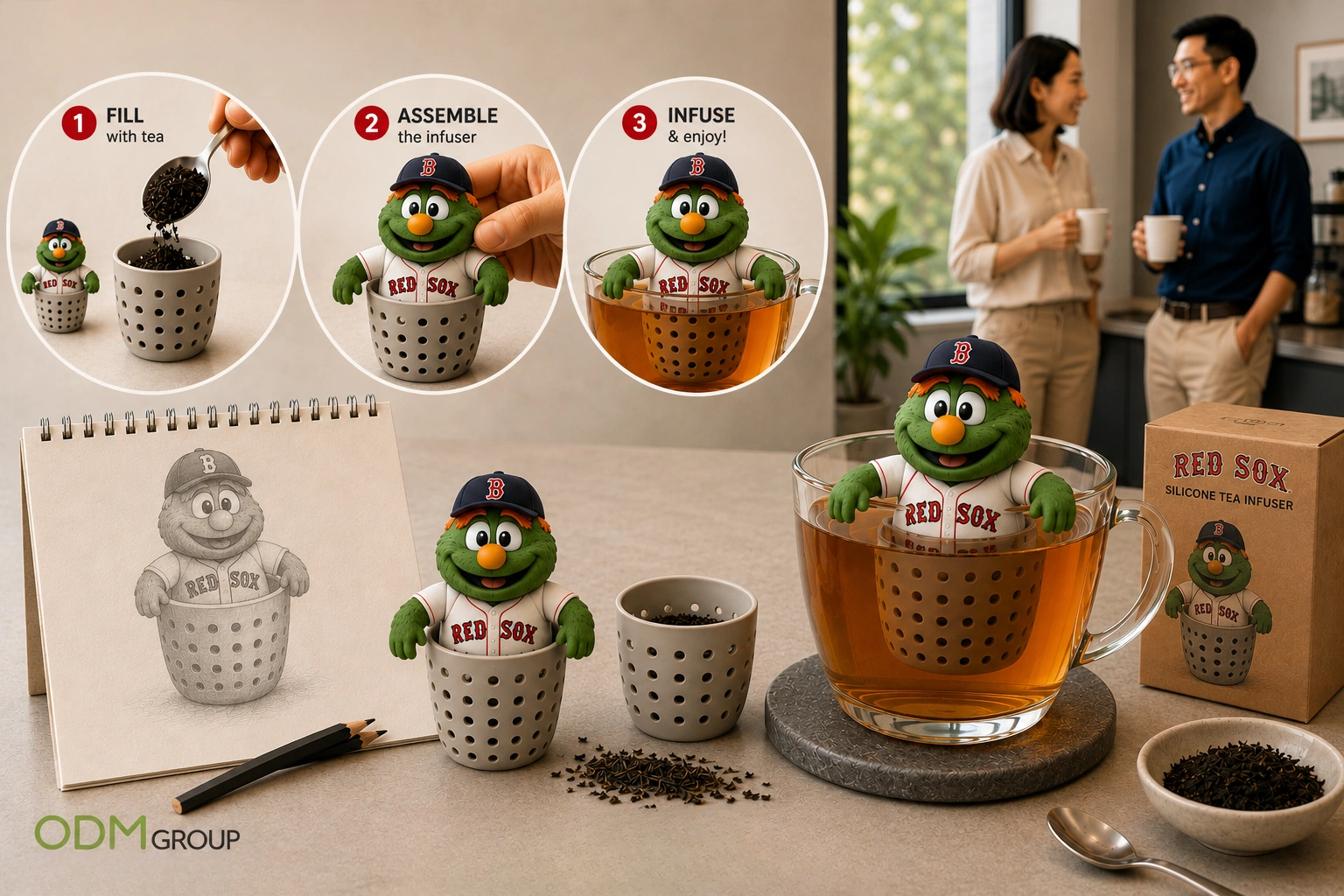
Custom Silicone Tea Infusers for Better Promotional Campaign
Promotional products are often treated as a cost, rather than an investment. This usually [...]
Spice Up Your Marketing Strategy with a Glass Tea Bottle Infuser!
Finding unique and effective ways to promote your brand is essential in the fast-paced [...]

Tea Gift Box Set: 4 Ways Trà Ô Long TEA+ Create Buzz in-Store
The celebration of the Tet holiday indeed makes businesses more creative with their marketing. [...]
Ahmad Tea Entice Shoppers In-Store: Why Does A Branded GWP Item Work?
A gift with purchase promotion is a great way to increase sales, create excitement [...]