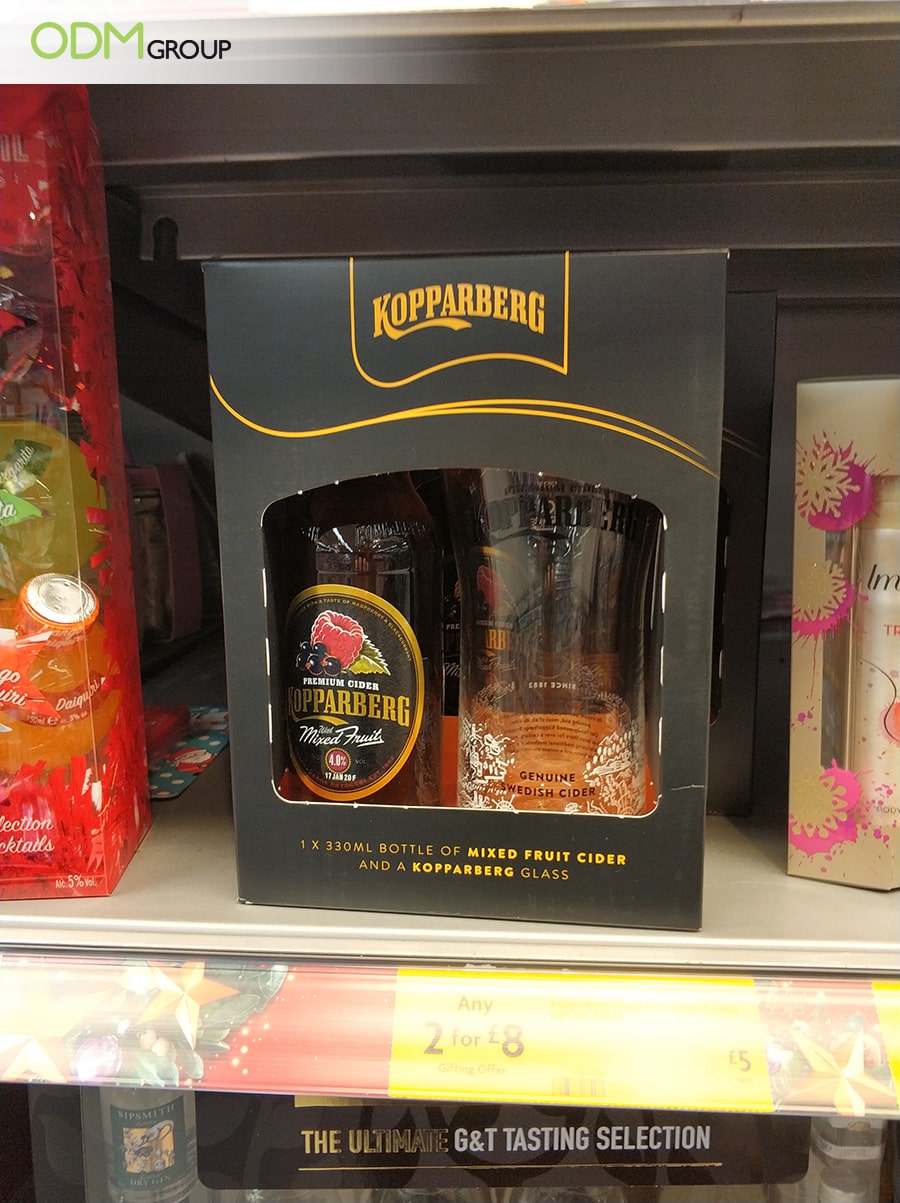
Dual-purpose packaging protects and presents a product before becoming something customers can continue using afterward. A food jar might become a drinking glass, while a rigid gift box could be reused as a desk organizer or storage container.
This approach gives shoppers more value from a purchase while helping products attract attention in competitive retail environments. For brands, the secondary function can extend visibility beyond the initial sale and create a more memorable product experience.
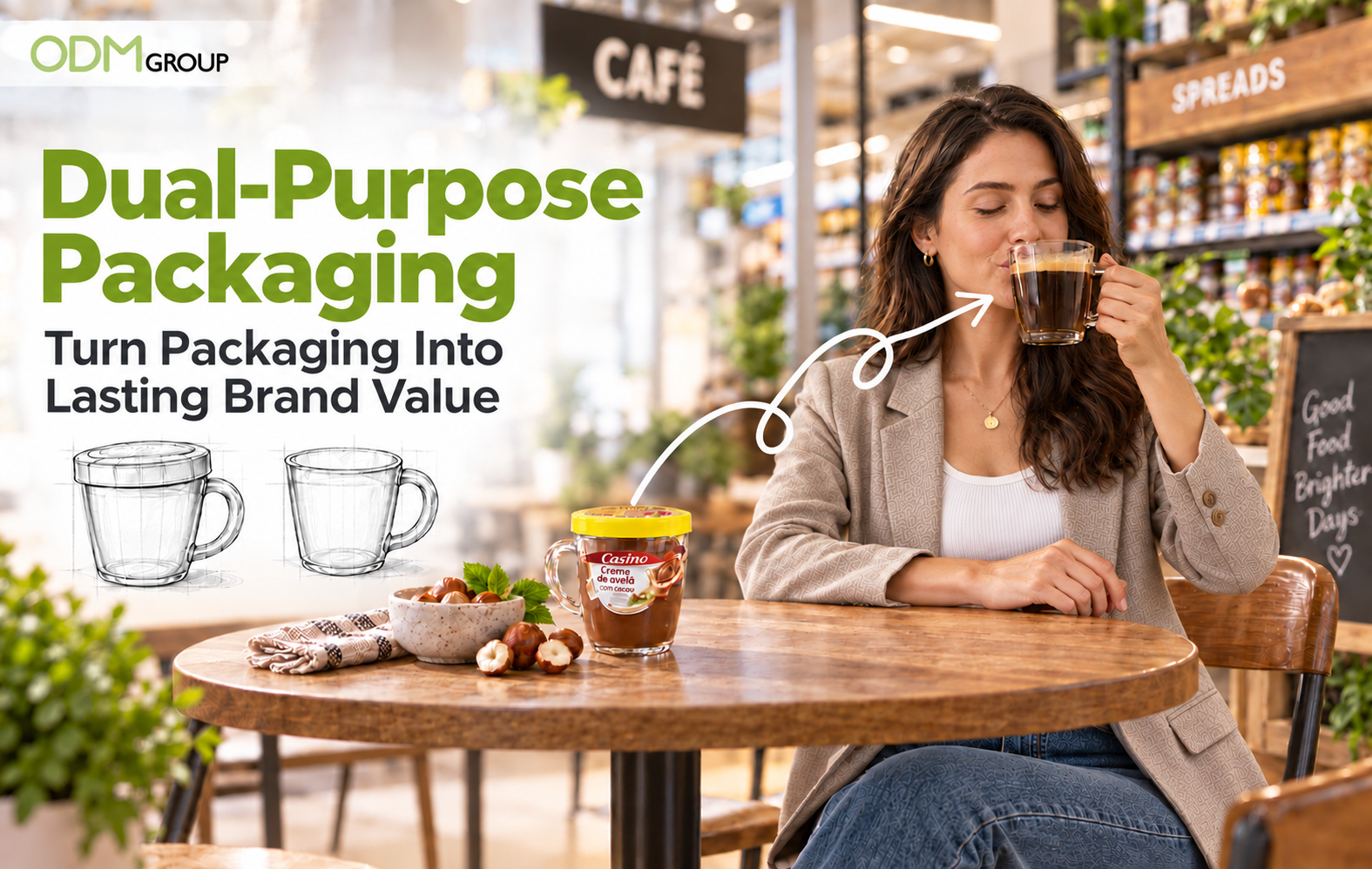
The leading French food retailer Casino has utilized dual purpose packaging with its creme de avelã (hazelnut spread). Coming in a glass jar featuring an eye-catching design and handle, customers can wash and re-purpose the glass as a coffee mug after using the product.
This approach is both innovative and sustainable, reducing waste while simultaneously providing practicality and functionality that can be enjoyed long after the product has been used up.
What Is Dual-Purpose Packaging?
Dual-purpose packaging is designed with two distinct functions. It first holds, protects, or displays the original product. Once the product is consumed or removed, the packaging can be converted or reused for another practical purpose.
Unlike conventional packaging, it is not necessarily discarded immediately after opening. Its shape, material, or construction gives customers a reason to keep it.
The secondary use should be clear and relevant. If customers cannot easily understand how to reuse the packaging, the additional feature may feel unnecessary rather than valuable.
Casino Turns a Food Jar Into a Drinking Mug
French retailer Casino provides a simple example through its hazelnut spread packaging. The product comes in a decorated glass container with a handle, allowing customers to wash the empty jar and use it as a mug.
The handle immediately communicates the container’s second purpose. Customers do not need instructions, additional parts, or a complicated conversion process to start using it.
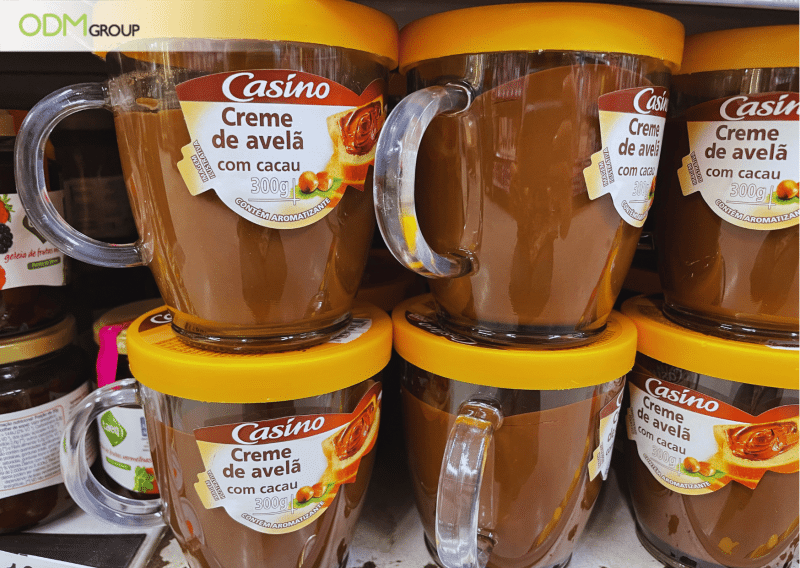
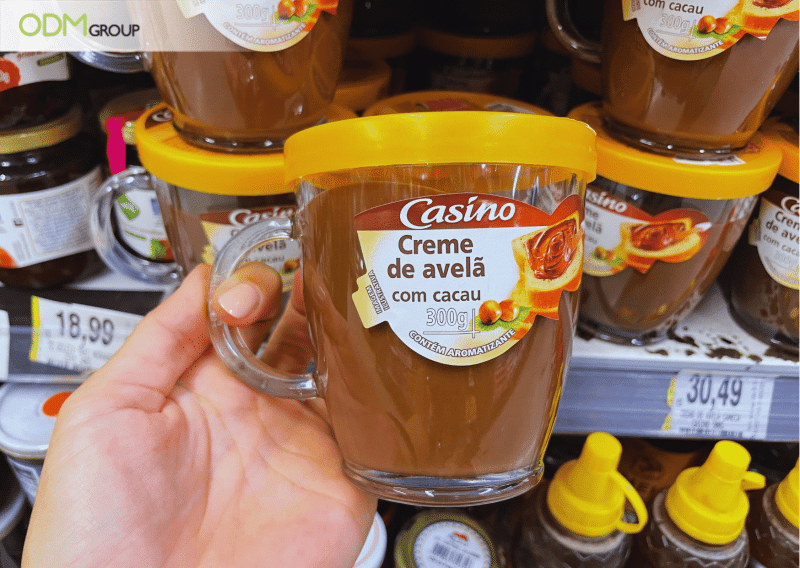
This concept also adds perceived value to an everyday grocery item. Instead of purchasing only a jar of hazelnut spread, customers receive a reusable piece of drinkware as part of the product.
The printed decoration helps the packaging stand out on the shelf, but it also affects whether customers will continue using the mug. Designs intended for long-term reuse should remain attractive after the original branding and product information are no longer relevant.
How Dual-Purpose Packaging Supports Retail Campaigns
Adds More Value to the Purchase
A useful secondary function can make a product feel more valuable without relying only on discounts. This can be particularly effective for product launches, seasonal editions and premium product ranges.
The added value must still make sense for the intended customer. A reusable cup may complement a beverage or food product, while a storage box may be more appropriate for beauty, confectionery or corporate gift sets.
Helps Products Stand Out on the Shelf
Packaging shape, color and construction can influence how quickly shoppers notice a product. A container with an obvious second use creates another point of interest beyond the product itself.
Retail communication can make this benefit clearer. A short message such as “Reuse as a mug” or a simple visual demonstration can help customers understand the concept without overcrowding the packaging.
Keeps the Brand in Use
Packaging normally has a limited marketing life. Once discarded, it can no longer contribute to brand visibility.
A reusable container can remain in a customer’s kitchen, bathroom, office or travel bag. This creates additional brand exposure, particularly when the decoration is subtle enough to suit everyday use.
Supports Limited-Edition Campaigns
Dual-purpose packaging can give brands a practical format for seasonal designs, licensed artwork, and collectible series. Different colors or graphics can encourage customers to choose a favorite or complete a set.
However, collectibility should not replace function. The packaging still needs to protect the original product and perform reliably after it is repurposed.
Creates a More Memorable Experience
The moment when packaging changes from a container into a useful item can become part of the product experience. This works especially well when the transformation is simple, intuitive and visually satisfying.
Brands can use this experience across retail displays, social media content and product demonstrations. Showing the second function in use makes the campaign easier for shoppers to understand.
Dual-Purpose Packaging Ideas for Different Industries
Food and Beverage
Glass jars can become mugs, tumblers, or storage containers after the food has been consumed. Metal tins can be reused for tea, coffee, snacks, or small household items.
Any container intended for food or beverage reuse must be developed with appropriate materials, coatings, and decoration methods. It should also be easy to clean and comfortable to handle.
Beauty and Personal Care
Beauty packaging can be designed for use as a jewelry case, cosmetics organizer or travel container. A premium rigid box could also include removable inserts, allowing customers to reuse it once the original products are removed.
The secondary purpose should reflect the beauty brand’s positioning. Clean construction, carefully selected colors and discreet branding can make the packaging more suitable for display at home.
Confectionery and Seasonal Gifts
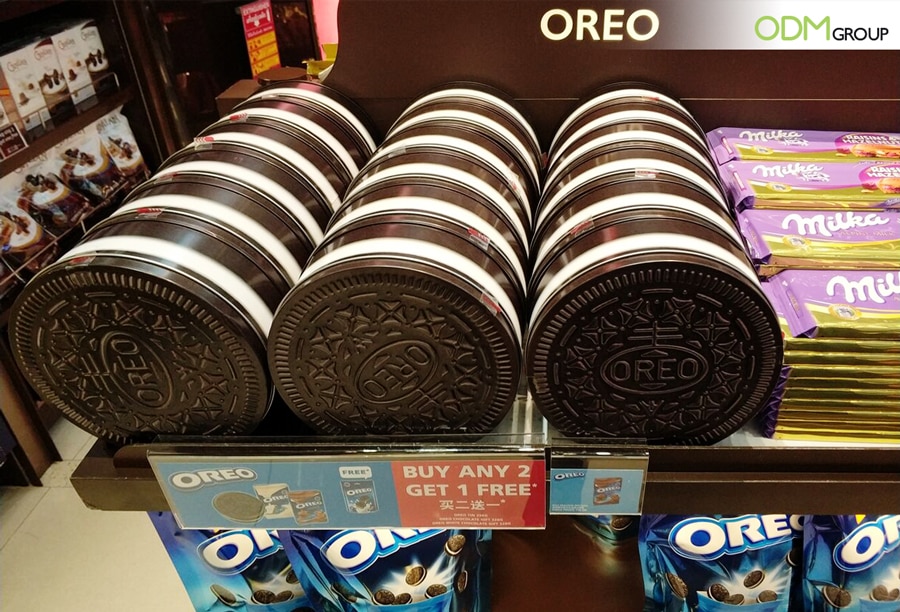
Chocolate, biscuits and seasonal gift sets often use decorative tins or rigid boxes. Adding dividers, trays or drawers can turn the packaging into a practical storage solution.
These formats also work well for festive collections because the graphics can be changed without completely redesigning the structure. Brands can retain a proven packaging format while introducing new artwork for each campaign.
Wine and Spirits
A bottle box can be converted into a serving tray, display stand, ice bucket or storage case. Wooden and rigid-board structures can support a premium presentation while giving the packaging a longer life.
Weight, structural strength and shipping volume require careful consideration. An elaborate secondary function may add cost without delivering enough value if it is difficult to assemble or store.
Things To Remember In Using Dual Purpose Packaging
In order for dual purpose packaging to be successful, it is essential that the secondary use of the product is both useful and desirable to the consumer. The item must provide real value and not just be seen as a gimmick or an unnecessary waste of resources.
Furthermore, the packaging design should be thoughtfully considered so that it is easy to use without compromising on quality or safety aspects. The packaging still needs to keep the product safe and fresh while providing additional features. If done right, this type of packaging can help make a product stand out in even the most crowded marketplace.
Learn more about how to use multi-purpose packaging to drive sales:
More Dual Purpose Packaging Examples:
Dual purpose packaging encourages brands to think outside the box and come up with innovative and creative packaging solutions that can set them apart from their competitors. Here are more examples from different brands in different industries:
Totally gift ready, this creative retail packaging concept from Sal de Ibiza has definitely captured the attention of customers. Read more about this dual purpose packaging in this blog:
How does The Botanist Gin able to highlight and support its commitment to sustainability with this bottle packaging box? If you're someone who loves to add a personal touch to their drinks, you'll love this packaging idea!
Take a closer look at how the famous coffee brand Nescafé leveraged a custom glass jar as packaging in this in-store marketing idea. What made this successful in the retail setting?
In efforts to reduce the environmental footprint, Samsung launched eco-friendly packaging solutions for its Lifestyle TV lineup. You will be surprised at how these cardboard boxes can turn into valuable household items in just a few steps!
Get more inspiration for your packaging here:
The Wise Wolf is a wine brand that uses 100% post consumer recycled packaging for its products. You can take your sustainable marketing effort to the next level in the same way too! Get more details here:
Overall,
Dual purpose packaging can be an incredibly effective tool to drive sales and build brand loyalty. It allows companies to create a unique and memorable product that stands out from the competition by providing something extra for customers. The Casino chocolate spread is a prime example of how this approach can be used to craft fun, innovative and sustainable products that appeal to consumers.
As more brands become aware of the advantages of dual purpose packaging, we are likely to see even more creative designs in the future - drawing people in with clever and eye-catching designs that make their product stand out from the rest.
How Can ODM Help?
Take your brand to the next level with our expert packaging design services! From ideation to execution, we'll work closely with you to create packaging that truly represents your brand's values and appeals to your target audience. Let's make your product stand out on the shelves and leave a lasting impression on your customers.
Get in touch with us today, and let's start creating packaging that sets your brand apart!
More Product Ideas


FAQs about Dual Purpose Packaging
What is dual-purpose packaging?
Dual-purpose packaging performs its original role as a product container or protective package and can then be reused for another practical purpose. Examples include jars that become drinking glasses and boxes that become organizers.
What materials can be used?
Common options include glass, metal, wood, rigid board and selected plastics. The appropriate material depends on the original product, intended second use, cleaning requirements, durability and destination-market regulations.
Is reusable packaging always sustainable?
Not necessarily. Its environmental impact depends on material use, manufacturing, shipping weight, recyclability and how often customers reuse it. Brands should avoid broad claims unless they can support them with relevant evidence.
How can customers understand the second function?
The design itself should make the purpose clear wherever possible. Brands can also use a short instruction, diagram, QR code or retail display to demonstrate how the packaging can be reused.
Can ODM Group develop custom dual-purpose packaging?
Yes. ODM Group can support research, concept development, industrial design, prototyping, factory coordination, quality control and logistics for custom packaging projects.
What to Read Next?
Transparent Umbrellas With Custom Logos for Brand Promotions
Promotional merchandise needs to offer more than a place to display a logo. The [...]
Light-Up Labels for Beverage Promotions and Custom Packaging
Light-up labels give beverage brands another option when standard bottle labels are not enough [...]
Split-Flap Displays for Events, Retail and Brand Activations
Struggling to make your brand stand out in a crowded event or retail space? Unlike [...]
Beer Swag Ideas: Lessons from Heineken Silver’s Taiwan Campaign
Beer swag is evolving beyond traditional bottle openers and branded T-shirts. Beverage brands are [...]

Car Tissue Holder: A Creative Automotive Promotional Gift
A car tissue holder can be more than a practical accessory. With a distinctive [...]