
Creative retail packaging does more than hold and protect a product. When its form, materials, and function are developed around the customer experience, packaging can improve shelf presentation, support premium positioning, and give shoppers another reason to choose the product.
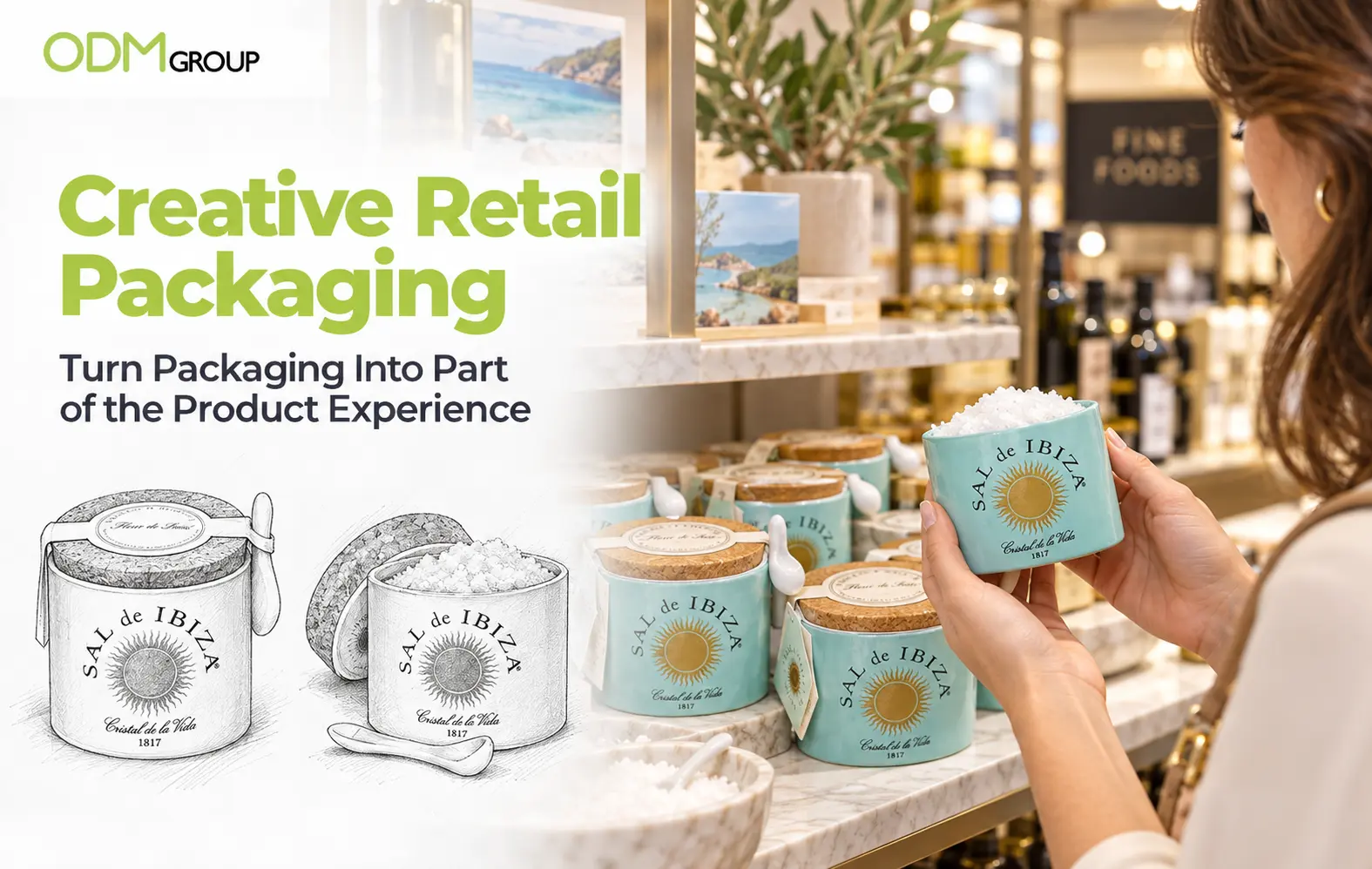
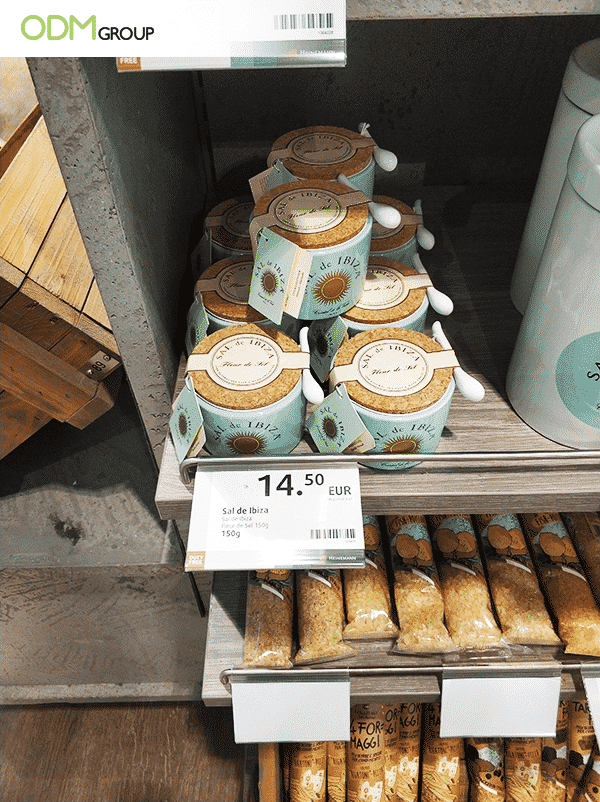
Sal de Ibiza provides an interesting example with its ceramic salt container. Spotted in a duty-free store, the design shows how everyday food packaging can become a reusable item that customers may continue displaying long after the original product has been consumed.
Sal de Ibiza’s Ceramic Retail Packaging
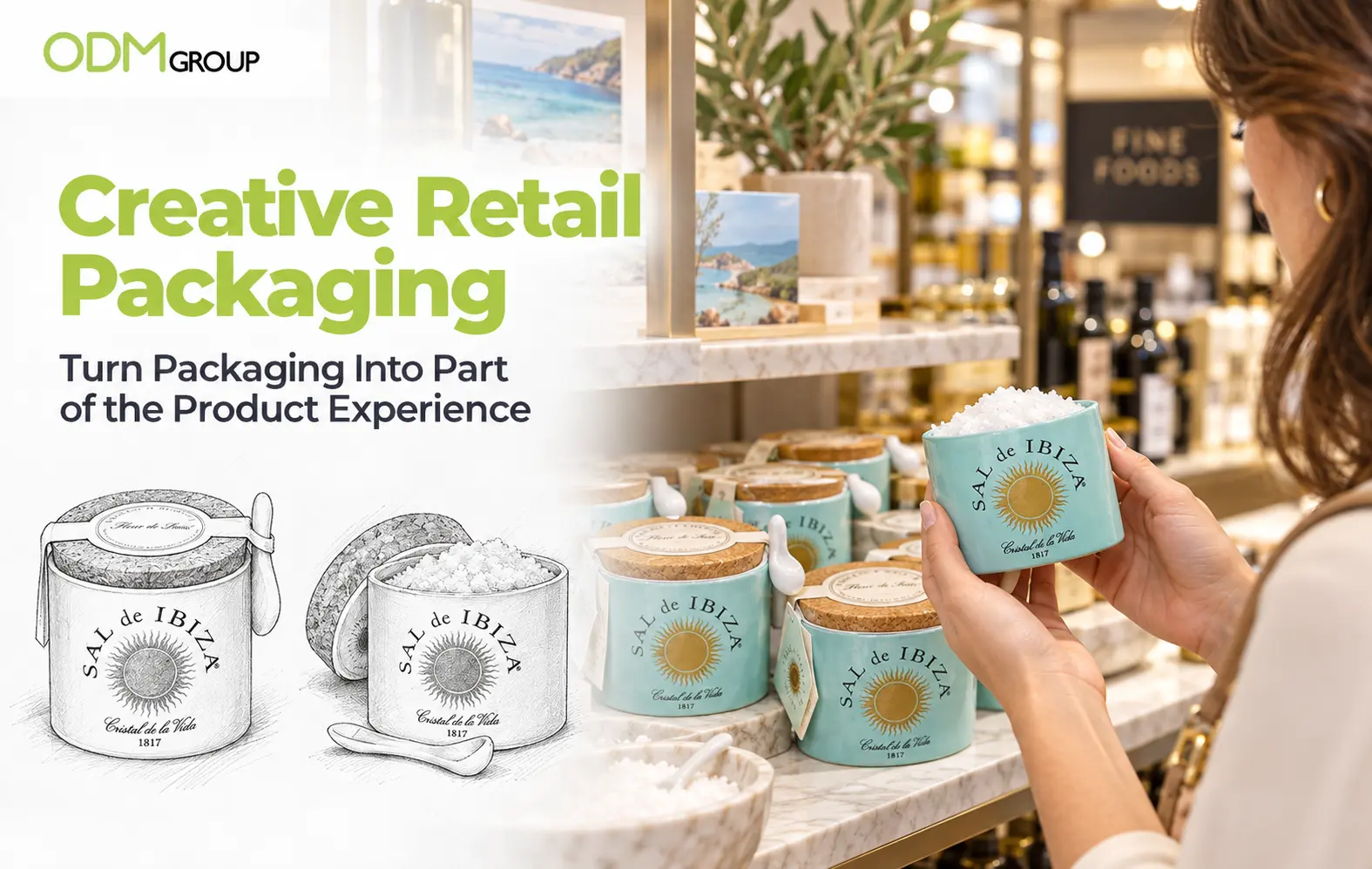
Sal de Ibiza specializes in premium salt collected from the Natural Reserve of the Parc Natural de Ses Salines d’Eivissa. Its product positioning is reflected in a ceramic container fitted with a cork lid and accompanied by a small ceramic spoon.
Creative Retail Packaging
Instead of relying on a conventional glass jar, plastic container, or disposable pouch, the brand uses packaging that feels more like a kitchen accessory. This helps distinguish the product from standard seasoning products and reinforces its premium character.
What Makes This Packaging Effective?
Premium Material Selection
Ceramic gives the container a solid, high-quality appearance that suits the brand’s gourmet positioning. Its smooth finish also provides a clean surface for colors, patterns, and subtle branding.
Material selection has a direct effect on how shoppers perceive a product. A heavier and more permanent container can communicate greater value, particularly in duty-free, specialty food, gifting, and premium retail environments.
However, ceramic packaging also requires careful development. Wall thickness, glazing, food-contact requirements, breakage resistance, and protective transit packaging must all be considered before production.
Strong Shelf Presence
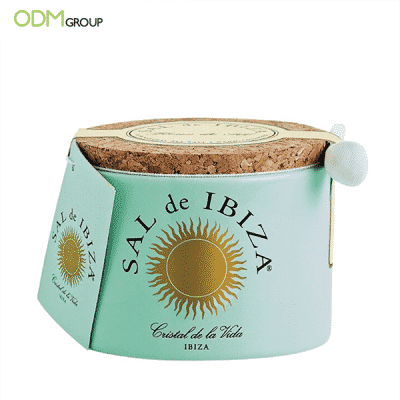
The container has a distinctive shape and color palette that can be recognized from a distance. Although the design is decorative, it remains easy to understand as a functional kitchen product.
This balance is important in retail packaging. An unusual structure may attract attention, but shoppers should still be able to identify the product, read the essential information, and understand how it is used.
For brands developing similar concepts, the container should also work with the intended retail display. Dimensions, shelf height, product facing, stacking, and the visibility of key branding elements can influence its performance in store.
Reusable After Purchase
Once the salt has been used, the ceramic container can remain in the kitchen as a seasoning jar, storage pot, or decorative accessory. This gives the packaging a life beyond its original role.
Reusable packaging can extend brand exposure, but continued use depends on practical design. The container should be easy to refill, clean, open, and display. Branding should also be balanced so the item feels attractive enough for customers to keep.
Coordinated Cork Lid
The cork lid introduces a natural-looking material that complements the ceramic body. It also creates a noticeable contrast in color and texture, adding to the packaging’s visual appeal.
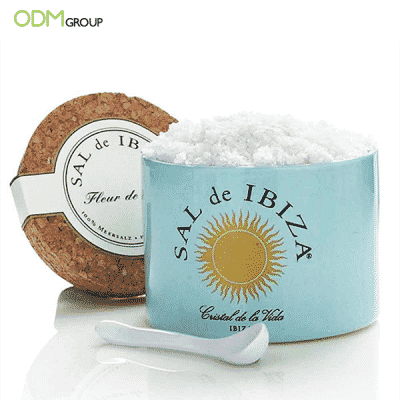
For production, the lid and container must be developed as a complete system. The fit should be tested to ensure the lid is secure without being difficult to remove. Moisture exposure, material treatment, tolerances, and long-term performance should also be evaluated based on the product inside.
Rather than describing cork as automatically sustainable, brands should review its sourcing, processing, durability, and end-of-life options. Environmental claims should be supported by accurate information from the relevant material and manufacturing partners.
Added Value Through the Ceramic Spoon
The small ceramic spoon completes the presentation and makes the product easier to serve. Although it is a simple addition, it helps turn the packaging into a coordinated set.
This approach can be applied to other food and beverage products. Tea containers can include measuring scoops, coffee packaging can include clips or serving spoons, and condiment jars can be paired with small utensils.
The accessory should have a clear purpose rather than being added only for decoration. It should also be secured properly inside or alongside the packaging to prevent movement and damage during transport.
Why Creative Packaging Matters in Retail
Packaging is often the first physical interaction a shopper has with a product. It can communicate the product category, price position, brand personality, and intended use before the customer reads the detailed information.
Creative packaging is particularly effective when it supports a clear commercial objective. A brand may use it to introduce a premium product line, create a seasonal edition, strengthen gift appeal, encourage collection, or stand out in a crowded category.
The most effective concepts connect the packaging directly to the product. Materials, graphics, structure, and added accessories should feel relevant to the brand and useful to the customer.
Creative Retail Packaging Ideas for Different Categories
The Sal de Ibiza container offers useful inspiration, but ceramic is only one possible direction. Brands can develop packaging around different retail environments, budgets, and customer needs.
Food and Beverage
Reusable jars, tins, canisters, serving containers, and gift-ready boxes can help food and beverage products move into a more premium position. Accessories such as scoops, stirrers, clips, or reusable utensils can add practical value.
Let’s go through what made their creative food packaging idea a hit to travellers with some more food packaging ideas for you!
Beauty and Personal Care
Beauty packaging can incorporate refillable containers, reusable organizers, travel cases, mirrored boxes, or display-ready gift sets. Internal trays and inserts can help present several products as one coordinated collection.
Drinks and Liquor
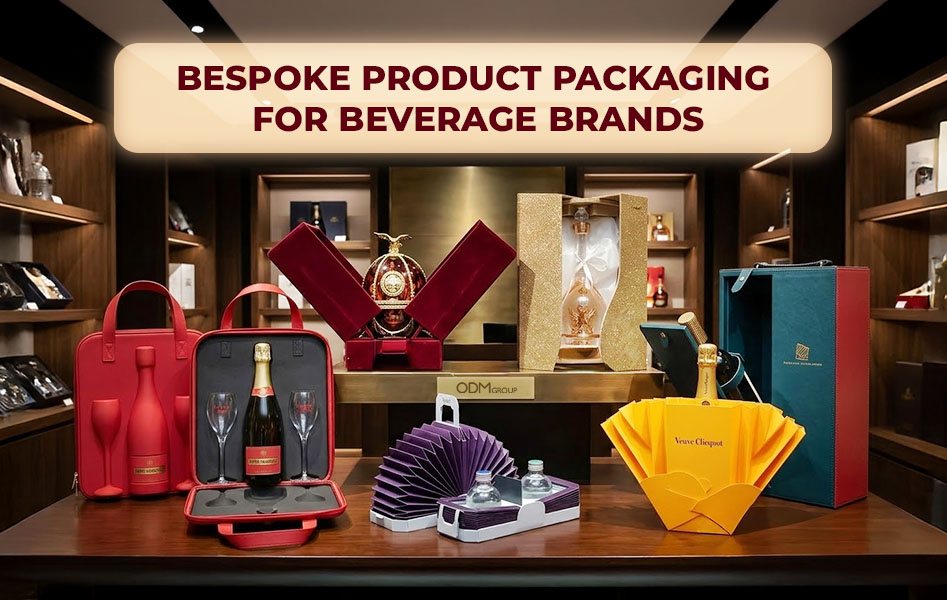
Rigid boxes, wooden cases, reusable ice buckets, bottle glorifiers, and serving accessories can strengthen the presentation of premium drinks. Packaging can also be developed around gifting occasions, limited editions, and purchase-with-purchase campaigns.
Innovative and creative drinks packaging can be an excellent edge for your brand and help you outshine your competitors. Here’s an example from Veuve Clicquot!
Seasonal and Collectible Products
Structural packaging can be designed as part of a series, giving customers a reason to collect different colors, characters, patterns, or seasonal versions. The concept works best when each edition is recognizable on its own while remaining connected to the wider collection.
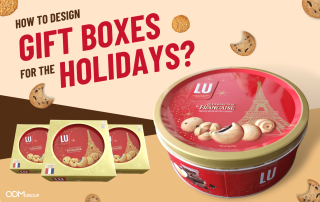
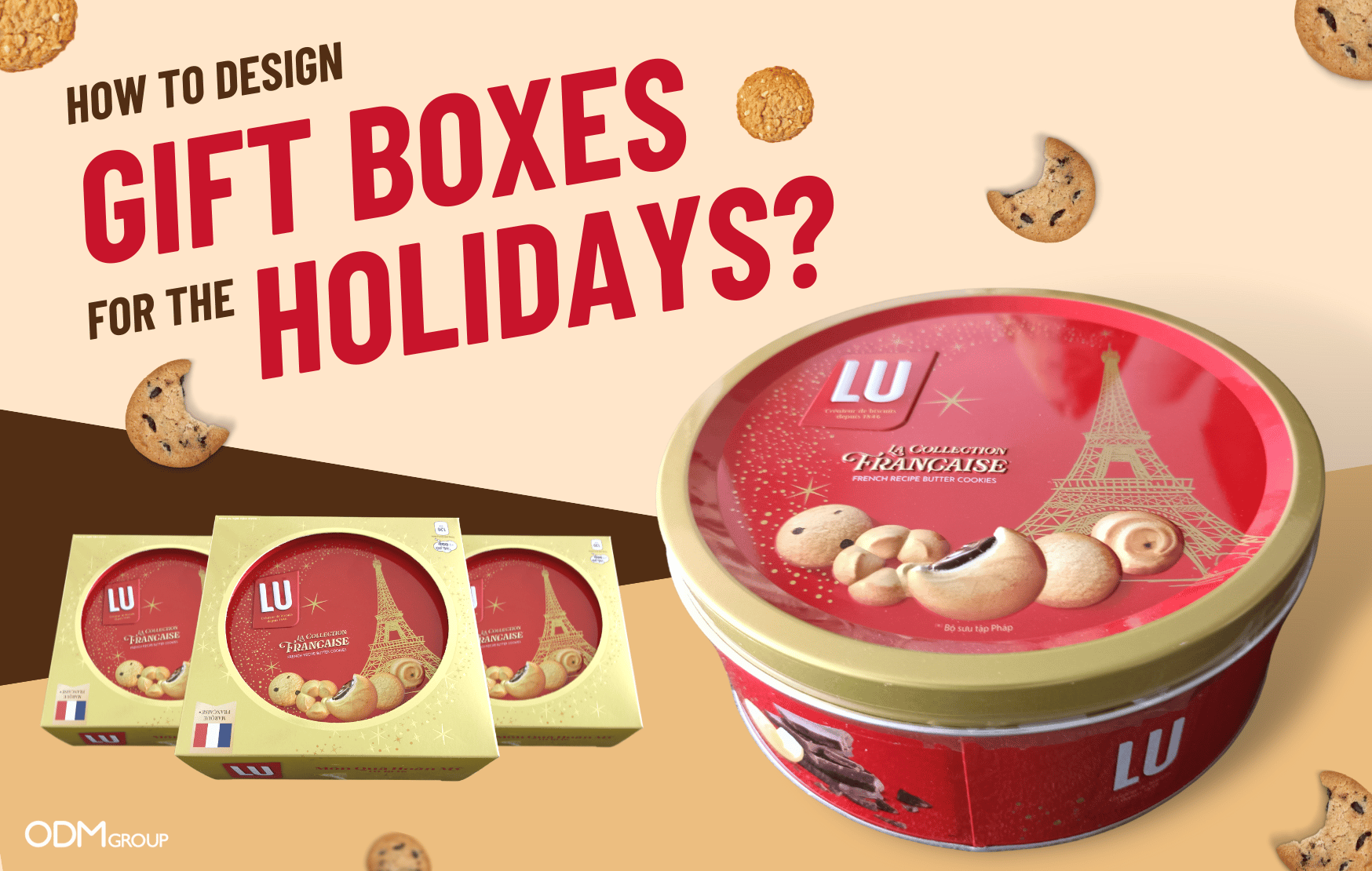
LU, a biscuit company, move its marketing forward with that question and released its products in seasonal packaging gift boxes that people couldn’t simply overlook!
Another creative retail packaging idea for seasoning brands are customised shakers. They come in different shapes, styles and materials that can be very beneficial for augmenting brand awareness and exhibiting creativity.
These promotional products are perfect for displaying as salt and pepper are indispensable, especially for restaurants. Customers love to see branded products used by restaurants as it proves that they have invested in their marketing strategy and gives a sense of exclusivity.
Ceramic is a very versatile material that is widely used for different applications. Check out the examples below:
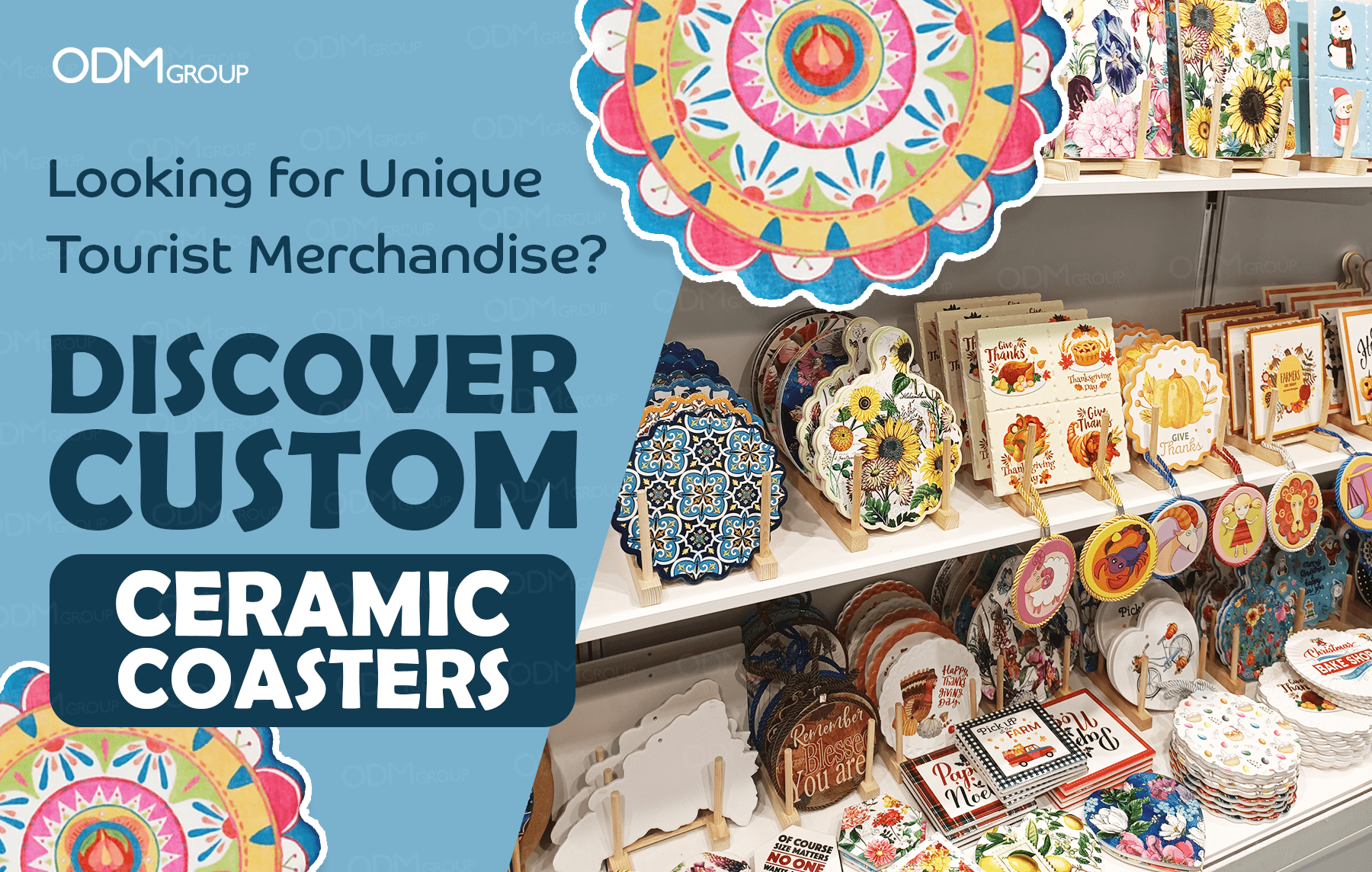
Custom Ceramic Coasters: Elevating Marketing for Tourist Destinations
When it comes to tourism, businesses are always on [...]
Creative Retail Packaging That Adds Value Beyond the Shelf
Creative retail packaging does more than hold and protect a [...]
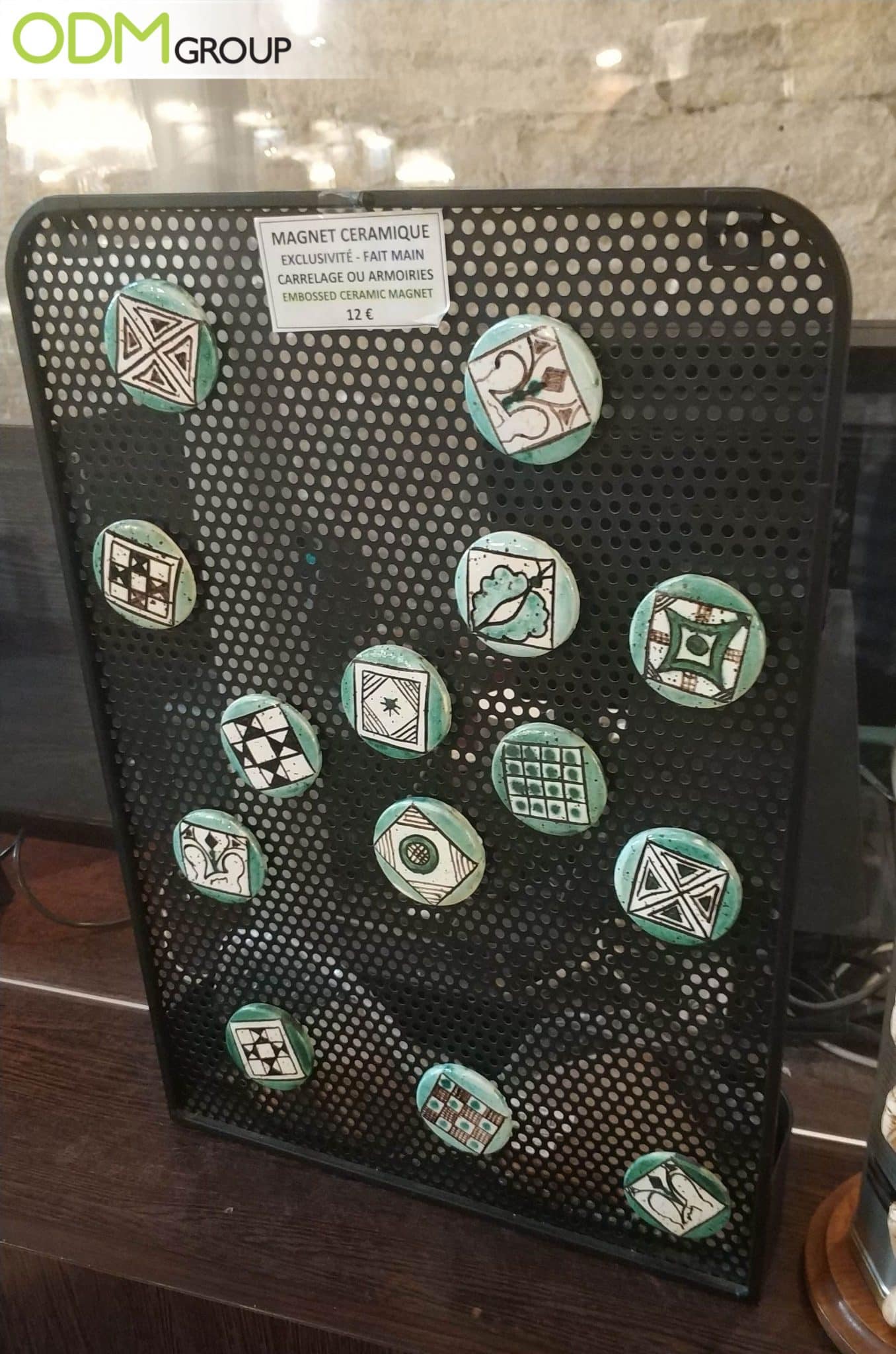
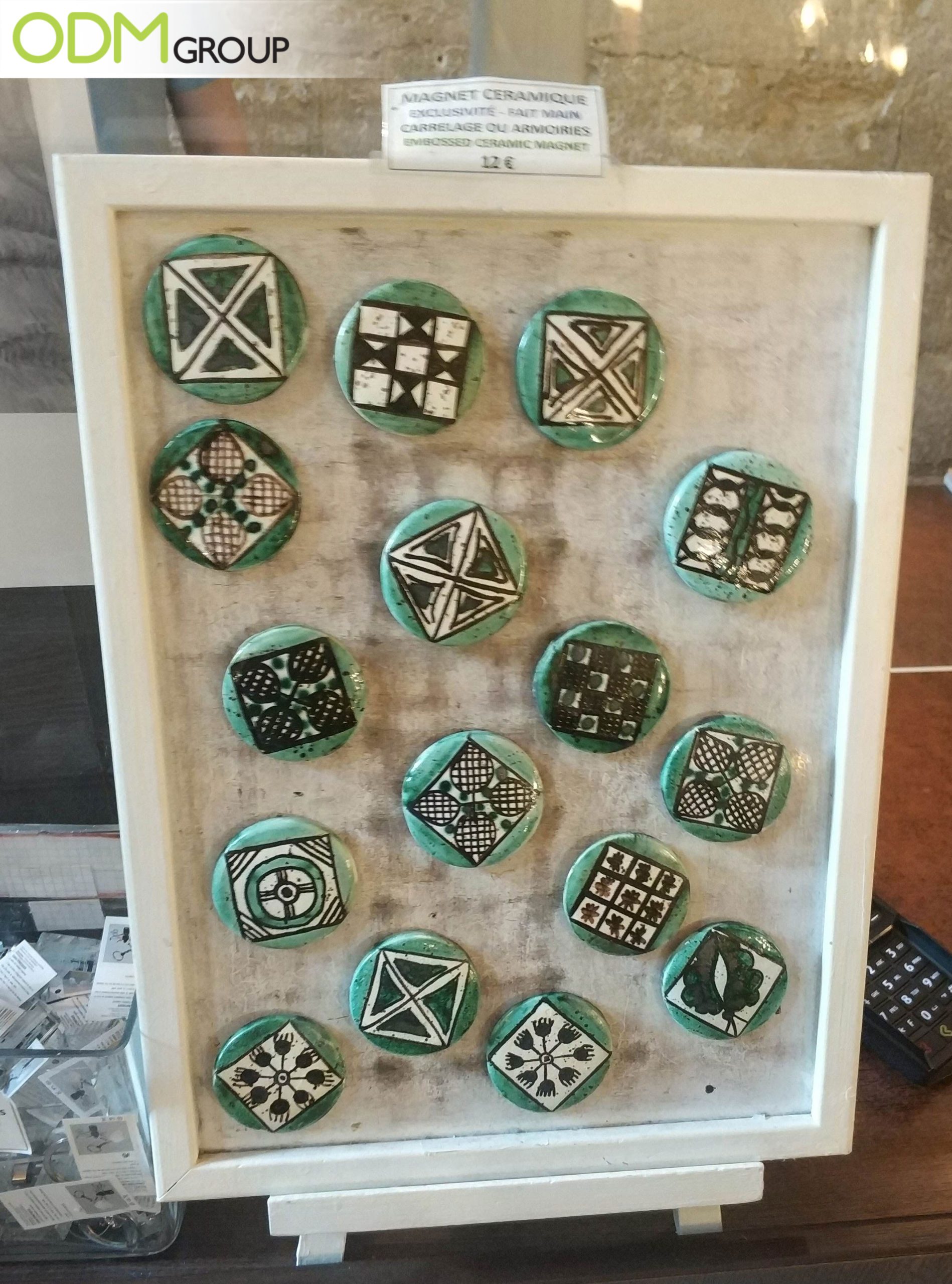
5 Ways To Rock Your Marketing Campaign with Custom Ceramic Magnets
If you are having a hard time making your customers [...]
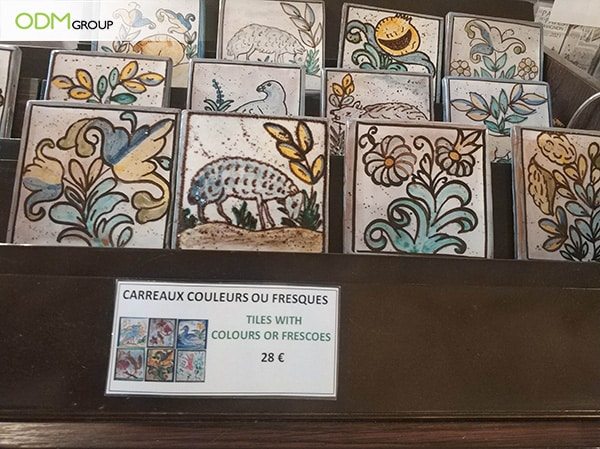
5 Reasons Custom Ceramic Tiles Are Perfect Souvenir Shop Merchandise
Would you believe that some gift shops use custom ceramic [...]

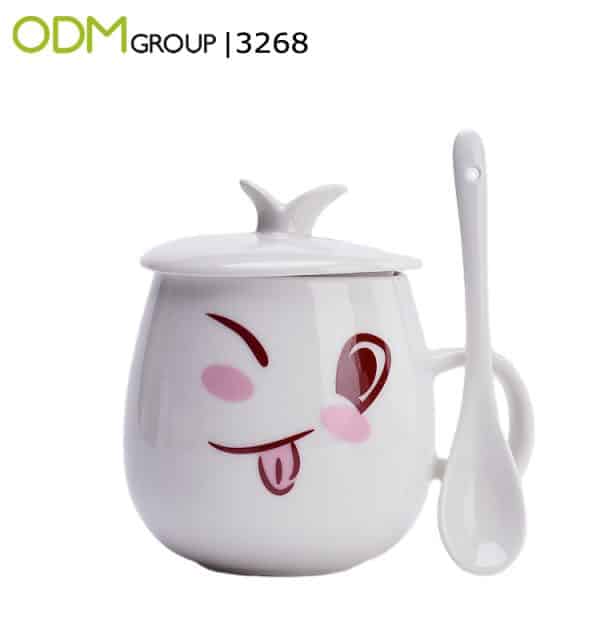
Unique Branded Gifts: How to Win Costumers with Custom Ceramic Mugs
Are you looking for unique branded gifts for your loyal [...]
How ODM Group Supports Creative Packaging Development
ODM Group works with brands to turn packaging ideas into commercially relevant and manufacturable concepts. We consider the product, target customer, retail environment, budget, production requirements, and delivery schedule as part of one coordinated project.
Our design team at Mindsparkz can support market research, idea generation, sketch design, packaging graphics, and 3D visualization. These stages allow clients to compare materials, structures, branding placements, and user functions before committing to development.
Once a direction is approved, ODM can coordinate prototyping and sampling through vetted manufacturing partners. Samples can be reviewed for appearance, construction, fit, usability, branding quality, and packing requirements before mass production begins.
Our team can also manage factory selection, quality control, packaging designs, and international logistics. This gives brands a central project partner from the initial brief through final delivery.
Final Thoughts
Sal de Ibiza demonstrates how packaging can become part of the product experience. Its ceramic body, contrasting cork lid, and matching spoon create a design that feels appropriate for premium retail while offering continued use in the home.
Creative packaging should not rely on appearance alone. The strongest concepts combine shelf impact with suitable materials, practical construction, product protection, and a clear reason for customers to keep or reuse the item.
Planning a distinctive retail packaging project? Start your project with ODM Group to develop a concept that supports your product, brand positioning, and retail campaign.
More Product Ideas


FAQs about Creative Retail Packaging
Can retail packaging be designed for reuse?
Yes. Jars, tins, boxes, pouches, and containers can be designed for storage, serving, organization, or display after the original product has been used. The secondary function should be considered from the beginning of development.
What materials can be used for premium retail packaging?
Options include ceramic, glass, metal, wood, molded pulp, paperboard, cork, fabric, and different plastic materials. The right choice depends on the product, target cost, safety requirements, desired appearance, production quantity, and shipping conditions.
Why is prototyping important for custom packaging?
A prototype helps brands assess proportions, construction, closure performance, branding, product fit, and user experience. It can also identify production or packing issues before mass production.
Can ODM Group develop both the packaging and accompanying merchandise?
Yes. ODM Group can help coordinate packaging, promotional merchandise, accessories, inserts, and retail displays around the same campaign direction. This creates a more consistent experience across the products and their presentation.
Relevant Blogs:
Bespoke Product Packaging Ideas for Beverage Brands
Product packaging plays a vital role in product merchandising. [...]
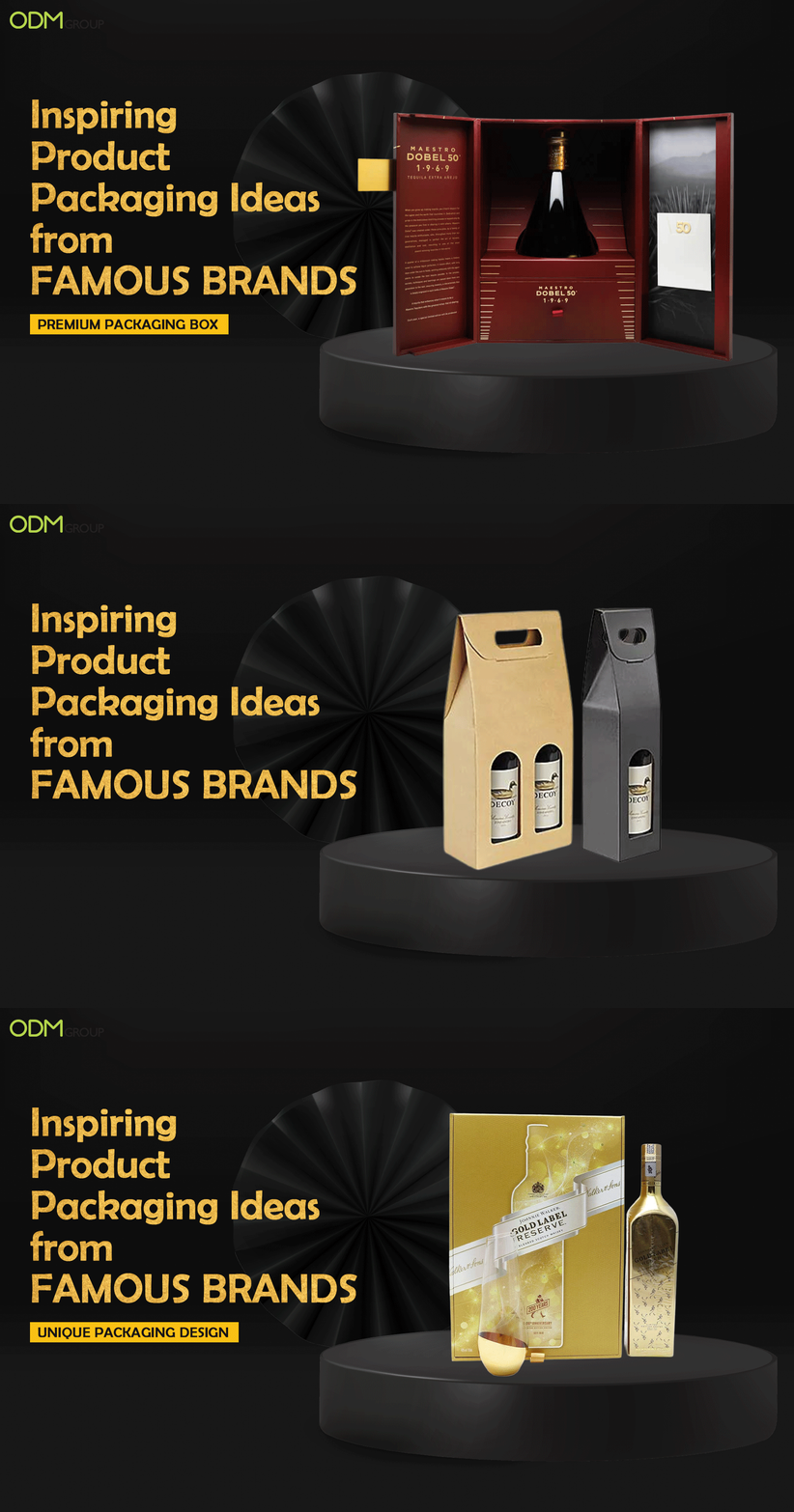
Inspiring Product Packaging Ideas from Famous Brands
Feeling overwhelmed when searching for packaging inspiration? Don’t be. [...]
5 Reasons LU Seasonal Packaging Gift Boxes Are A Holiday Hit
What's a better way to spend the Lunar New [...]
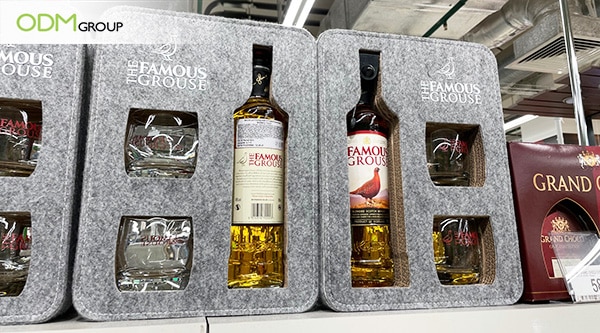
6 Lessons to Learn from The Famous Grouse Branded Gift Set Packaging
When it comes to packaging design, the consumers are a [...]

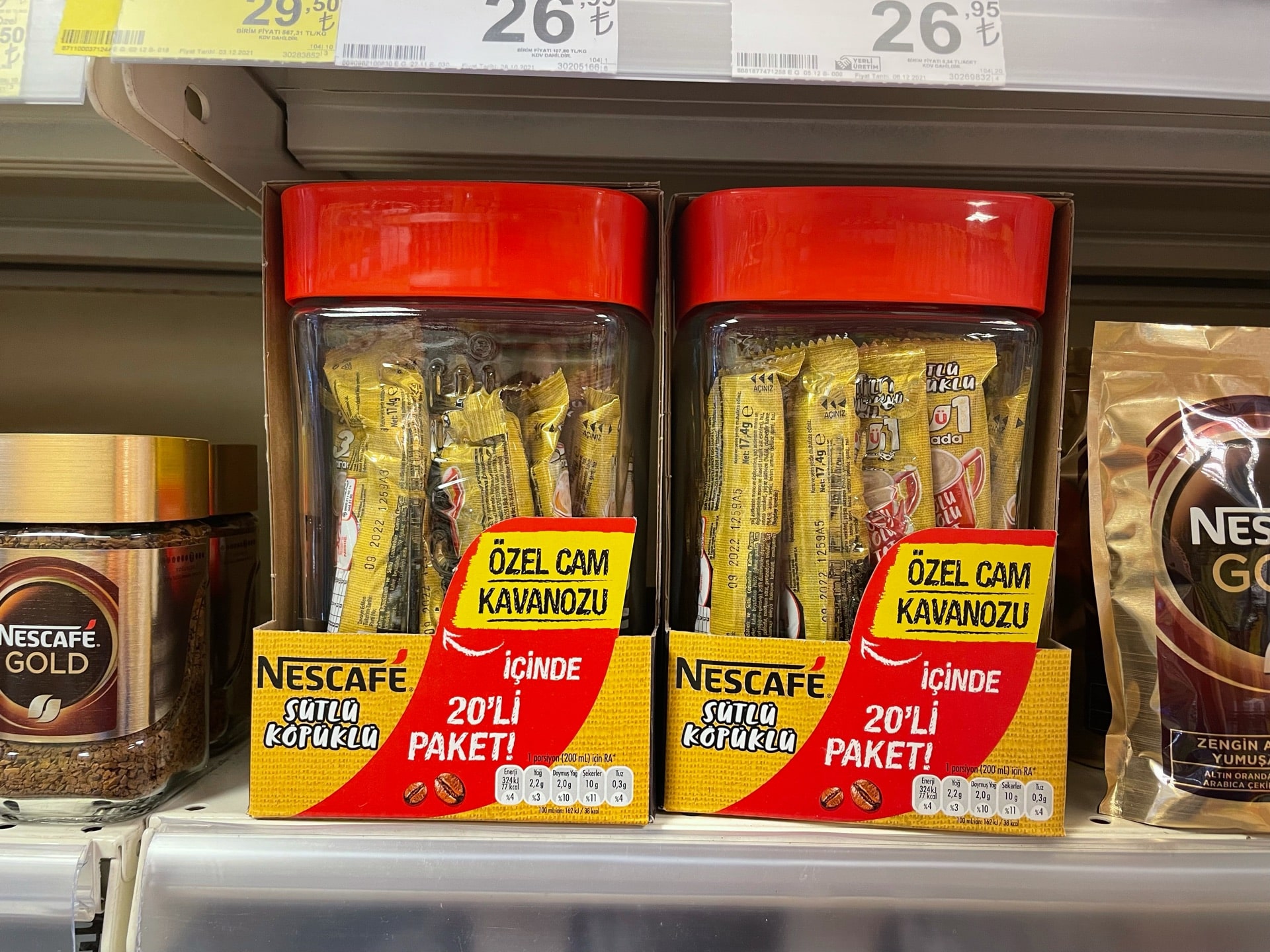
Branded Glass Jars As Retail Product Packaging: What are the Benefits?
Retail product packaging is one of the most important aspects [...]
Related posts:
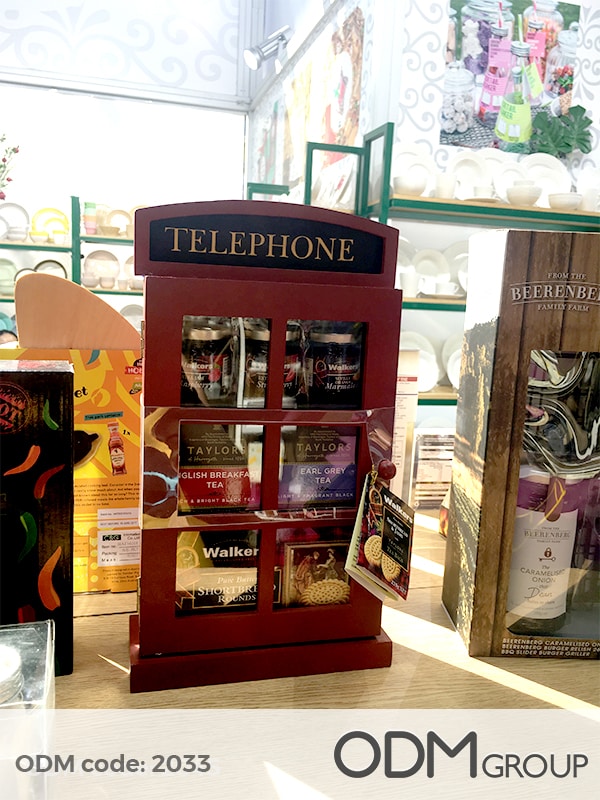 Food Packaging Solutions: Discover Creative Designs
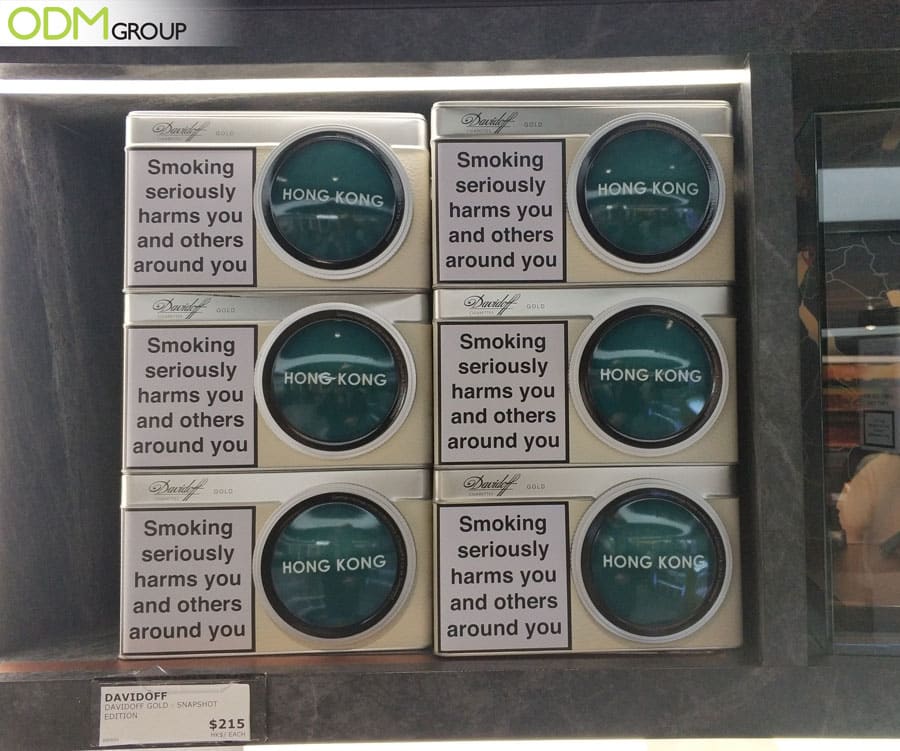 5 Lessons on Davidoff Creative Packaging Design
 Brilliant Branded Retail Packaging Ideas to Promote Health and Wellness
 Creative Merchandise Ideas: Beard Grooming Kits with Custom Packaging
 Sustainable Branding: 5 Benefits of Creative Metal Packaging to Brands