
The takeaway cup your café uses today could become a bigger business decision tomorrow. The EU Packaging Regulation began applying on 12 August 2026, with new requirements for customer-owned containers from February 2027 and reusable packaging from February 2028.
For UK café buyers, these changes raise important questions about packaging choices, branded drinkware, and future sourcing decisions, especially when selling into EU markets. Understanding which rules apply now can help your business prepare before the next deadlines arrive.
What is the EU Packaging and Packaging Waste Regulation?
The PPWR, Regulation (EU) 2025/40, establishes a common framework for packaging and packaging waste across the European Union. It entered into force on 11 February 2025, following its publication in the Official Journal of the European Union, and became generally applicable from 12 August 2026.
The distinction between these dates matters. Entry into force means the regulation became law, while application marks when its provisions generally begin to apply. Individual obligations have different implementation dates, with some requirements taking effect in 2027, 2028 and 2030.
The regulation aims to reduce packaging waste, improve recyclability, encourage reuse and promote more efficient use of packaging materials. It covers packaging across many sectors, including food and drink packaging used by cafés, restaurants and other hospitality businesses.
Key PPWR Dates for Cafés and Food-service Businesses
Several dates are particularly relevant to businesses serving takeaway drinks and ready-prepared food in the EU.
12 February 2027: customers can bring their own containers.
Under Article 32, covered businesses in the HORECA sector, including cafés and restaurants, must provide a system that allows customers to bring their own reusable containers for takeaway hot or cold beverages and ready-prepared food.
The same product must be offered at no higher cost and under no less favourable conditions than when supplied in single-use packaging. Businesses must also display clearly visible information at the point of sale explaining that customers can use their own containers.
For café operators, preparing for this requirement involves more than putting up a sign. Consider how staff will handle customer-owned cups, which containers suit the drinks offered, and how the process will fit into busy service periods.
Food safety remains important. Businesses should establish handling procedures that meet applicable food-safety requirements.
12 February 2028: reusable packaging must generally be offered.
Article 33 introduces a further requirement for covered takeaway businesses. They must generally give customers the option of receiving takeaway beverages and ready-prepared food in reusable packaging within a reuse system.
The reusable option must be available at no higher cost and under no less favourable conditions than the equivalent product in single-use packaging. Businesses must also inform customers about the option at the point of sale.
Qualifying micro-enterprises are exempt from this specific obligation under the regulation. This is not a blanket exemption from every PPWR requirement.
A reuse system involves more than supplying a cup that can be used multiple times. Depending on the arrangement, businesses may need to consider how cups are collected, returned, cleaned, stored and put back into circulation.
These practical requirements should inform product selection from the beginning.
1 January 2030: restrictions on specified single-use packaging.
Article 25 introduces restrictions on certain packaging formats and uses listed in Annex V of the PPWR, including specified single-use plastic packaging for food and drinks filled and consumed on the premises of HORECA businesses.
This is not a ban on every disposable cup or every packaging material. The exact product format, material and use determine whether a restriction applies.
The regulation also provides a limited derogation that Member States may allow for qualifying micro-enterprises in certain circumstances involving the technical feasibility of avoiding specified packaging or accessing the infrastructure needed for a reuse system.
Businesses should review the relevant provisions and applicable guidance before deciding whether a particular cup or container is suitable for their operations.
Does the PPWR Apply to UK Cafés?
The answer depends on where your business operates and where you place its packaging on the market.
Great Britain: England, Scotland and Wales
The PPWR does not automatically apply to packaging placed on the market in Great Britain simply because it is used by a café.
Great Britain has its own packaging Extended Producer Responsibility (EPR) regime. Depending on factors such as business establishment, packaging activities, turnover and packaging volumes, a business may have reporting or financial obligations.
GOV.UK specifically identifies coffee cups as items that can count as packaging, including cups designed to be filled at the point of sale.
For UK businesses supplying customers in EU countries, the PPWR may also be relevant to packaging placed on those markets. Buyers should assess the requirements in each destination country rather than assuming that compliance with UK rules is sufficient.
Northern Ireland
Northern Ireland has a distinct regulatory position under the Windsor Framework.
According to the Northern Ireland Department of Agriculture, Environment and Rural Affairs, much of the PPWR applies in Northern Ireland, but certain provisions, including specified reuse and refill targets, packaging EPR obligations and deposit-return requirements under the PPWR, do not apply there.
Businesses operating across Northern Ireland, Great Britain and the EU should therefore establish which rules apply to each sales route and packaging activity.
What should UK buyers do now?
If your business sells into the EU or operates across different UK markets, start by mapping where your products will be placed on the market.
Review your current cups, lids and other packaging, identify relevant requirements and ask suppliers for the technical information needed to assess compliance. If you are planning a new cup range, build these checks into the product brief before finalising the design or placing an order.
For official information, consult the EU Packaging and Packaging Waste Regulation, the European Commission’s PPWR interpretative guidance, the GOV.UK EPR guidance and Northern Ireland’s packaging and packaging waste guidance.
Choosing cups for your café or hospitality brand
No single cup suits every business. Your choice should reflect how the product will be used, the drinks you serve, customer habits, operational requirements, and the markets where you’ll sell it.
For hospitality brands, cup development also involves practical decisions about capacity, lids, grip, durability, branding and cleaning. These details matter most when a product must work across multiple locations while maintaining a consistent brand identity.
Here are three product directions worth considering.
Compostable cups for suitable single-use applications.
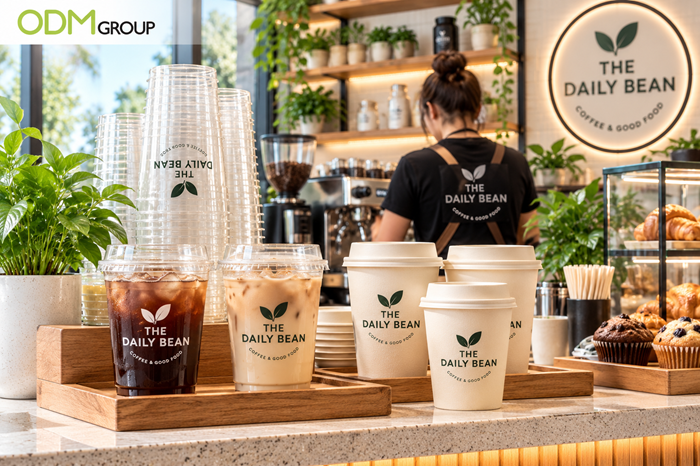
ODM’s compostable coffee cup concepts include clear, corn-based PLA cups for cold drinks and bagasse options for hot beverages.
Bamboo-fibre cups for branded promotions and gifting.
For promotional campaigns, staff merchandise or customer gifts, reusable drinkware can provide an opportunity to extend a hospitality brand beyond the point of sale.
ODM’s bamboo cup corporate-gift example illustrates a branded cup concept featuring a silicone lid and sleeve.

The bamboo-fibre cup made with recovered agricultural material offers another design direction, using a material story based on bamboo offcuts and shavings. For a more traditional mug format, custom bamboo-fibre mugs provide further inspiration for customised drinkware.
However, the term bamboo fibre does not establish that a cup is entirely plastic-free, recyclable, compostable or suitable for repeated use in every setting. Some products contain binding resins or other materials that affect their properties.
Check the full material composition, food-contact documentation, durability and cleaning instructions before selecting a product. If the cup is intended for repeated use, confirm that its specifications support that use.
These products may be suitable for branded merchandise or gifting, but a promotional cup alone does not fulfil the PPWR’s requirement to offer reusable packaging within a reuse system.
Custom reusable drinkware for hospitality brands
Custom reusable cups and mugs are another option for businesses developing branded drinkware ranges.
Depending on the product and manufacturing brief, buyers may explore different capacities, shapes, colours, lids, sleeves and logo applications. The choice of format should reflect the intended use, whether that is takeaway service, staff use, events or corporate gifting.
For a café group, a consistent cup design can support brand recognition across multiple sites. For a promotional campaign, custom colours and decoration can help connect the product with a specific launch, event or brand identity.
The important distinction is between a reusable product and a functioning reuse system. If a cup is intended to support a café’s compliance planning, its suitability must be assessed alongside the business’s collection, cleaning, return and reuse arrangements.
ODM helps brands explore customised product concepts around their requirements, including material and format selection, product specifications and branding.
Relevant Products
The custom cup carrier is designed to help customers enjoy more of their drinking time and relax while doing so. It is made from silicone which is a durable material with high elasticity and pop-it function.
Designed for beer and soft drink cans, these carriers fit the rim of the cans perfectly so the cans will not slip when carried. It comes in various colors that match your brand’s identity. In addition, it can be made into 6 and 4 packs.
Made from Spunbond Polypropylene, it is composed of continuous filaments produced by an integrated fibre spinning, web formation, and bonding process.
Made from silicone, this wine bottle carrier is the perfect substitute for cardboard and plastic bottle carriers. It is sturdy, flexible, fun to use, and really useful. It resembles a mesh net bag, which we normally use to haul fresh produce.
What to Check Before Ordering Custom Cups
Before committing to a new cup design, work through the following checklist with your procurement team and supplier.
- Target market: Identify the countries where the packaging will be placed on the market and determine which requirements apply.
- Intended use: Specify whether the cup is designed for single use, repeated use, promotional distribution or another purpose.
- Material composition: Request details for the complete product, including the cup body, lid, sleeve, coatings and binding materials.
- Food-contact documentation: Confirm that the finished product is suitable for its intended food and drink contact.
- Durability and cleaning: For reusable drinkware, check washing instructions, expected use conditions and suitability for repeated use.
- Environmental claims: Request supporting evidence for claims such as compostable, recycled-content or recyclable. Do not rely on a product name or marketing description alone.
- End-of-life arrangements: Establish how the product can be collected, reused, recycled or treated after use, taking account of the facilities available in the relevant market.
- Branding and production: Confirm dimensions, logo placement, colour requirements, order quantities, sampling arrangements and lead times.
If you are planning a reuse system, assess the operational arrangements alongside the cup itself. Collection, washing, storage, returns and replacement procedures can all influence which product works best.
For businesses sourcing customised drinkware across multiple markets, these checks can also help identify specification differences before production begins.
Develop a Cup Concept Around Your Brand
The PPWR is making packaging selection a more strategic decision for businesses selling into the EU. For UK café buyers and hospitality brands, the next step is to understand the rules that apply to their markets and assess which products fit their service model, operational needs and branding objectives.
At ODM, we help businesses explore customised cup and drinkware concepts, from material and format selection to product specifications, colourways and logo application. Whether you are developing branded merchandise, planning a promotional campaign or reviewing options for a new cup range, the starting point is a clear product brief.
Planning a customised cup range for your café or hospitality brand? Talk to ODM about your project. We can help you explore product concepts and branding options around your requirements, so you can make informed decisions about the specifications your business needs.
More Product Ideas


FAQs about EU Packaging Regulation
Does the EU Packaging and Packaging Waste Regulation apply to UK cafés?
Not automatically to every UK café. The PPWR applies to packaging placed on the EU market, while Great Britain has its own packaging rules. Northern Ireland has a different position under the Windsor Framework, with relevant parts of the PPWR applying there. Businesses should check the requirements for their specific location and sales route.
Will cafés have to offer reusable cups from 2028?
From 12 February 2028, covered takeaway businesses must generally offer reusable packaging within a reuse system. Qualifying micro-enterprises are exempt from this specific obligation. Businesses should check the applicable legal requirements and plan the operational arrangements needed to support reuse.
Are compostable cups exempt from the PPWR's reuse requirements?
Compostability does not automatically exempt a product or business from applicable reuse requirements. A compostable cup may be suitable for certain single-use applications, but businesses must assess the specific packaging rules and restrictions that apply to its material, format and intended use.
Can UK hospitality brands order custom reusable cups for their EU operations?
Yes, UK brands can explore customised drinkware for their EU operations. However, the product specification, documentation and intended use should be checked against the requirements of the destination market. Where a reusable packaging system is required, selecting a reusable cup is only one part of the process.
What to Read Next?
Bottle Necker Design: Creative Ideas for Your Next Promotion
A bottle necker gives a brand a little extra [...]
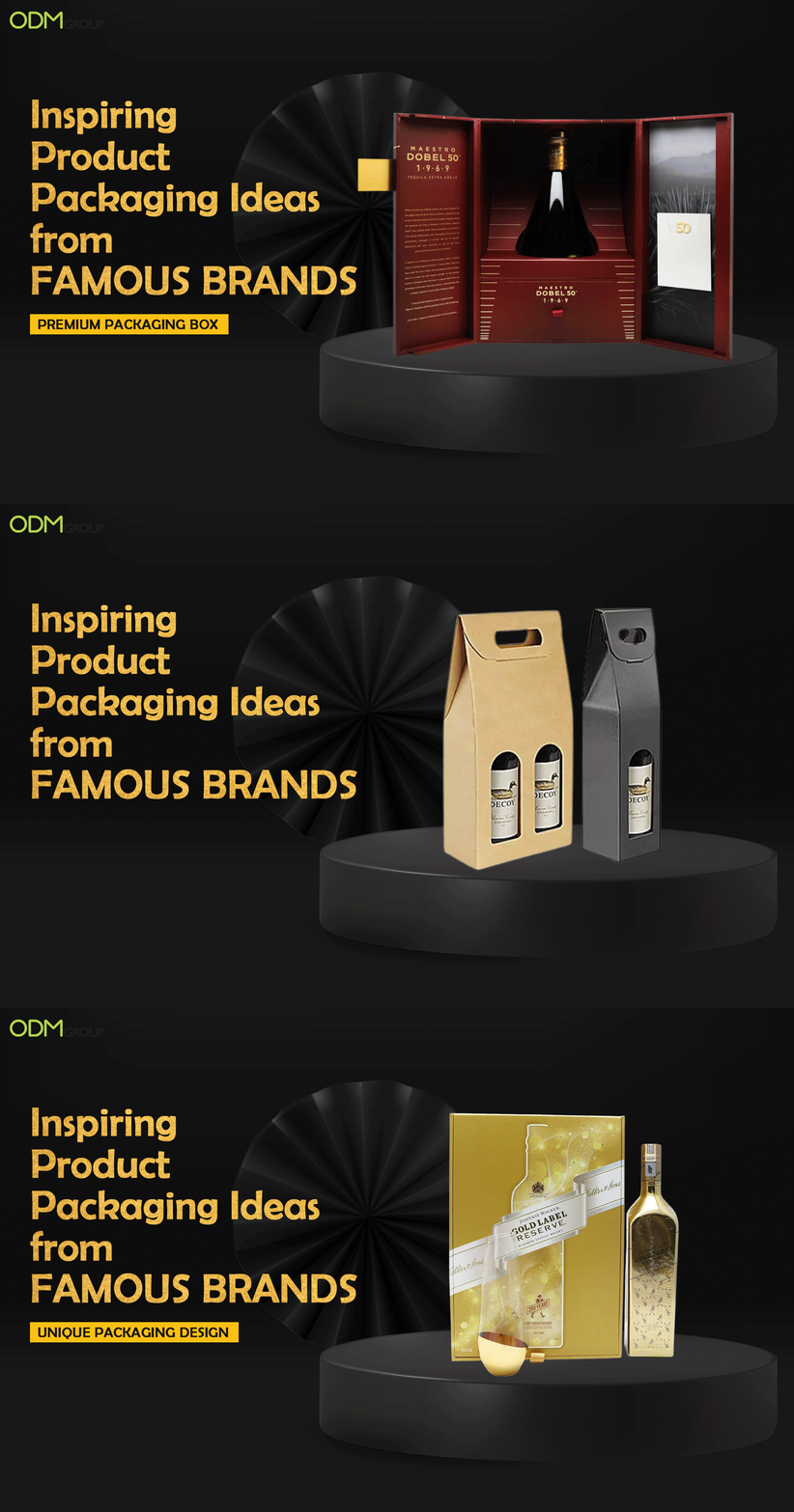
Inspiring Product Packaging Ideas from Famous Brands
Feeling overwhelmed when searching for packaging inspiration? Don’t be. [...]
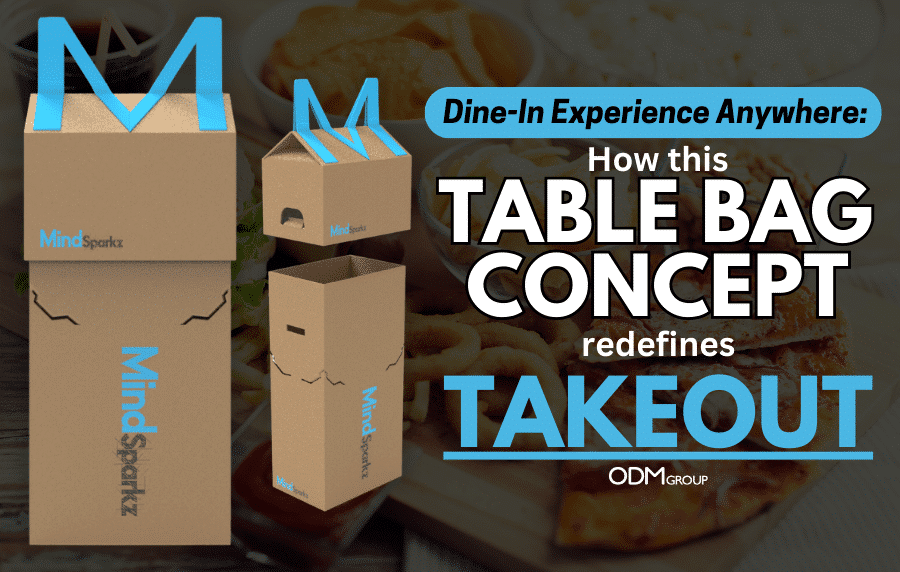
Multi-Purpose Takeout Packaging: Catering to Food Industry’s Diverse Need
Imagine providing your customers with a convenient and stable [...]
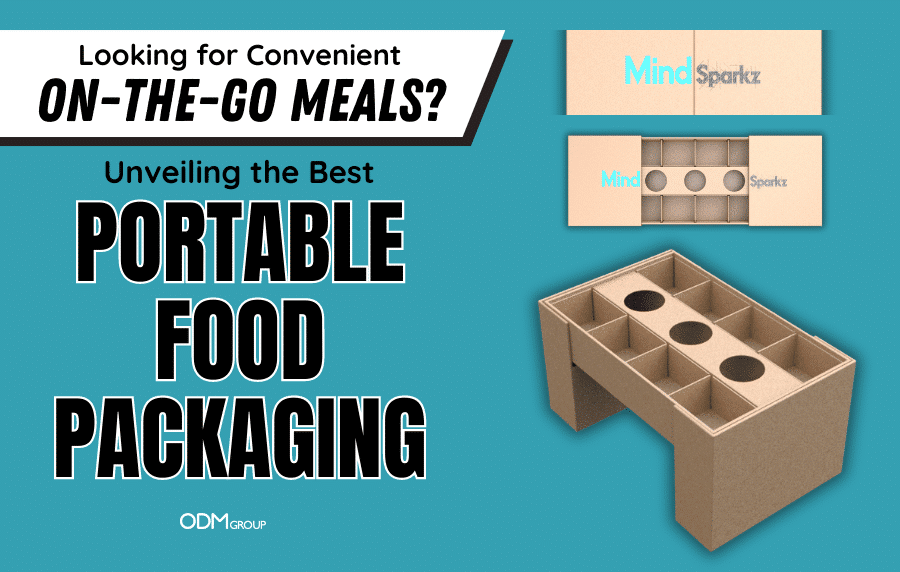
Green To Go: Custom Sustainable Take Out Containers For Your Brand
People live in a fast pace world nowadays. They're [...]
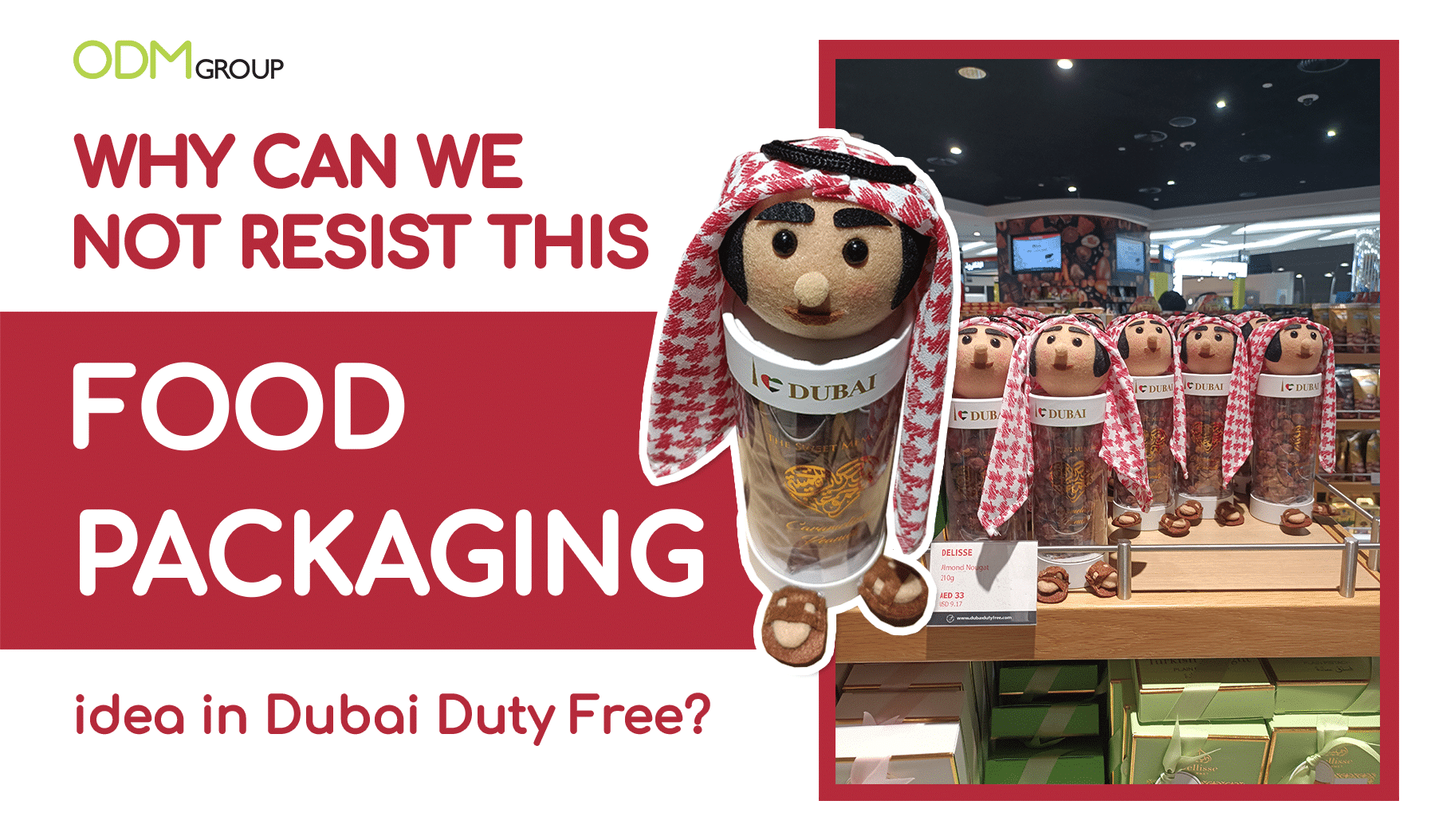
What Made This Creative Food Packaging Idea A Hit For Travelers?
Designing food packaging can be a daunting task because [...]
Bamboo Packaging Manufacturer: A Guide for Brands Developing Custom Packaging
Bamboo packaging can give brands a distinctive alternative [...]
Related posts:
 Promotional plastic cups – brilliant marketing idea
 McDonald’s Brings Colour to the Season With Custom Reusable Cups!
 Reusable Custom Coffee Cup with Lid – Packaging and Gift in One?
 Custom Umbrellas: A Buyer’s Guide to Branded Merchandise
 Corporate Gifts For Clients – Reusable Silicone Food Bag To Promote Sustainability