
In-store advertising reaches shoppers at a decisive moment: when they are comparing products and choosing what to buy. The right display can interrupt routine browsing, make an offer easier to understand, encourage interaction, and give customers a clear reason to choose one brand over another.
However, effective retail advertising involves more than placing a logo beside a product. The format, message, structure, materials, store location, and promotional mechanics must work together. Whether a brand is planning a seasonal launch, a sampling campaign, a gift-with-purchase promotion, or a permanent retail installation, every element should support a defined shopper action.
This guide explores practical in-store advertising ideas and the development decisions that can turn retail space into a stronger brand experience.

What Is In-Store Advertising?
In-store advertising includes the branded messages, displays, fixtures, demonstrations, and promotional materials used inside a retail environment. Unlike broader media campaigns, it targets people who are already familiar with the product and may be ready to purchase.
Common formats include shelf talkers, wobblers, counter displays, floor-standing display units, endcaps, branded shelving, sampling stations, digital screens, window displays, and promotional merchandise zones.
Each format has a different job. A shelf talker may highlight a price or product benefit, while a custom floor display can create a dedicated brand destination. An interactive station may demonstrate how a product works, whereas a gift-with-purchase display can make the purchase feel more valuable.
Why In-Store Advertising Still Matters
Online research may influence what customers intend to buy, but the retail environment can still change the final decision. Product availability, packaging, visibility, price communication, display quality, and promotional incentives all affect what shoppers notice and consider.
Well-planned in-store advertising can help brands:
- Stand out in a crowded category
- Introduce a product or packaging update
- Explain features that are not immediately obvious
- Encourage product trial or interaction
- Support cross-selling and bundled offers
- Improve the visibility of promotional merchandise
- Create a more consistent retail brand experience
- Guide shoppers toward a specific action
The strongest campaigns do not attempt to communicate everything at once. They identify the most important message and use the retail format to make that message immediate.
7 In-Store Advertising Ideas for Retail Campaigns
1. Shelf Talkers and Wobblers
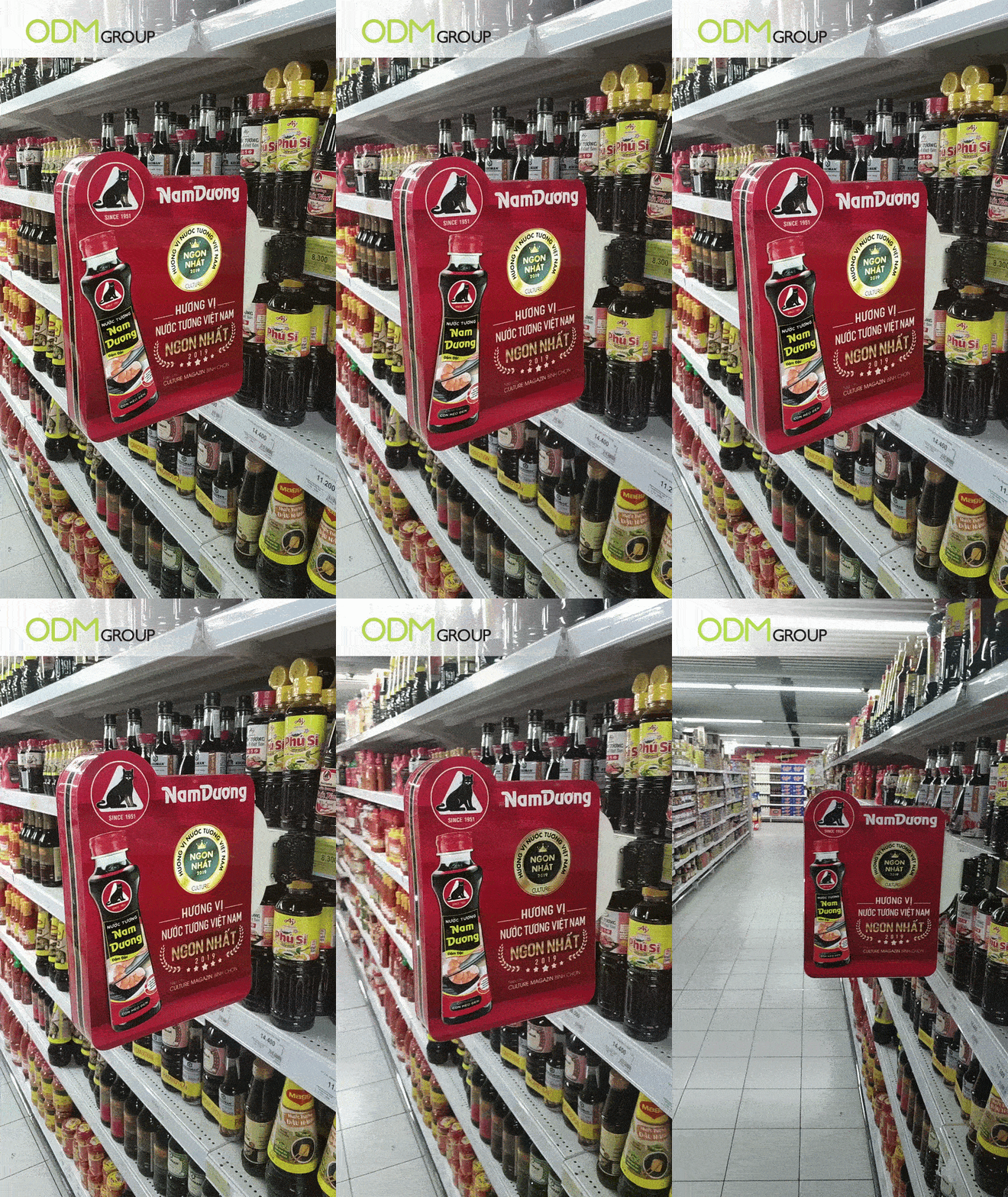
Shelf talkers place a concise message directly beside the product. Wobblers extend from the shelf and introduce movement, making them more noticeable as shoppers pass.
branded shelf talker
These formats work well for price promotions, new product announcements, limited editions, product benefits, QR codes, and gift-with-purchase offers. They are compact and relatively easy to distribute across multiple stores, but their effectiveness depends on disciplined design. One strong headline and a simple call to action usually work better than a crowded layout.
Attachment testing is also important. The material and fixing method must suit the shelf edge, remain secure throughout the campaign, and be easy for retail staff to install.
2. Counter Display Units
Counter displays position products or promotional items near checkouts, service counters, or other high-traffic areas. They are particularly useful for compact products, impulse purchases, samples, and add-on sales.
A good counter display keeps products organized and accessible without occupying excessive space. Capacity, restocking, product weight, and counter visibility should be considered during structural development. Brands can also use replaceable graphics or modular inserts when one structure must support several product variants.
3. Floor-Standing Display Units
Floor-standing display units create a dedicated branded area without relying entirely on existing shelving. Their larger format gives brands more space for visual storytelling, product education, and range presentation.
FSDUs can support product launches, seasonal promotions, cross-category bundles, and high-volume campaigns. Depending on the campaign duration, they may be made from printed corrugated board, honeycomb board, plastic, wood composites, metal, or a combination of materials.

The design must balance impact with practical retail requirements. Consider the footprint, product capacity, center of gravity, replenishment access, assembly time, and protection during transport. A visually ambitious display will not succeed if it is difficult to install or unstable when partly stocked.
4. Endcap and Branded Shelf Displays
Endcaps use the highly visible space at the end of a retail aisle. Branded shelf systems go further by transforming standard shelving with headers, side panels, trays, lighting, or product-specific fittings.
These installations are useful when a brand wants to present a wider product family or control how different variants appear together. Strong color blocking can help shoppers recognize the brand from a distance, while clear segmentation makes the range easier to navigate at close range.
Retailer specifications must guide development. Dimensions, load limits, aisle clearance, electrical requirements, and installation rules can differ between chains and markets.
5. Sampling and Demonstration Stations
Some products become easier to understand when shoppers can taste, touch, test, or see them in use. Sampling counters and demonstration stations turn advertising into a direct product experience.
Food, beverage, beauty, household, healthcare, and consumer electronics brands can all benefit from this approach. The station may include product storage, tester holders, waste management, a demonstration surface, staff materials, and a clear promotional offer.
The customer journey should be mapped before development. Shoppers need to understand where to approach, what to do, and what action to take afterward. Hygiene, power access, cleaning, staffing, and local retail requirements should also be planned early.
6. Branded Props and Oversized Product Replicas
An oversized product, mascot, sculptural prop, or illuminated object can create a visual landmark inside a store. These pieces are particularly effective for launches, flagship locations, seasonal campaigns, and social-media-friendly activations.
The creative connection should remain clear. A prop may reproduce the product, visualize a key ingredient, feature a recognizable brand character, or demonstrate the campaign theme. It should attract attention without blocking products, walkways, or essential signage.
For multi-location campaigns, size and construction affect logistics significantly. Modular or knock-down designs may reduce shipping volume and make installation easier while retaining visual impact.
7. Gift-With-Purchase and Promotional Merchandise Displays
A gift can motivate purchase only when shoppers understand the offer. A dedicated display should show the promotional product clearly, explain the qualifying purchase, and make redemption feel simple.
The merchandise should connect naturally with the brand, product, audience, or occasion. Useful, collectible, or experience-related gifts can extend brand visibility beyond the store. The display may include a secured sample, product bundle, claim instructions, campaign dates, or tiered reward options.
Inventory planning is essential. Brands should coordinate display rollout with the availability of both the retail product and promotional gift to avoid advertising an offer that cannot be fulfilled.
Match the Display to the Campaign Objective
Selecting the largest display is not always the best strategy. The appropriate format depends on what the campaign needs shoppers to do.
| Campaign objective | Suitable in-store formats |
|---|---|
| Increase product visibility | Shelf talkers, endcaps, FSDUs, illuminated headers |
| Explain a new feature | Demonstration stations, digital displays, QR-enabled units |
| Encourage trial | Sampling counters, tester displays, interactive stations |
| Drive impulse purchases | Counter displays, checkout units, compact dump bins |
| Promote a product range | Branded shelving, modular displays, endcaps |
| Increase perceived value | Gift-with-purchase displays, bundle presentations |
| Create social engagement | Oversized props, photo moments, interactive installations |
The display should make the next action obvious. That action might be trying a sample, scanning a code, comparing variants, picking up a product, or qualifying for a gift.
How ODM Supports In-Store Advertising Development
The ODM Group helps brands translate retail marketing objectives into practical in-store advertising solutions. We approach each display as both a communication tool and a working retail structure. It must attract attention, present the product clearly, fit the available space, survive the campaign, and move efficiently through production and distribution.
Our team can support sketch design, 3D visualization, packaging design, prototyping, factory selection, quality control, and logistics planning.
During development, we consider how the display will work in practice: how products are loaded, how customers interact with it, how staff replenish it, how it is assembled, and how it will be protected in transit. Early prototypes and sample reviews help identify structural, visual, and operational issues before mass production.
ODM is not simply a supplier of standard display units. We sell ideas, not products. Our role is to coordinate the creative and technical development required to turn a campaign objective into a retail solution that can be manufactured, transported, installed, and used effectively.
Final Thoughts
Effective in-store advertising connects visibility with action. It does not merely decorate a shelf; it helps shoppers notice a product, understand its value, interact with the offer, and make a more confident purchase decision.
The best results come from aligning the creative idea with practical retail conditions. Campaign duration, store footprint, product weight, replenishment, assembly, materials, logistics, and measurement should all be considered before production begins.

If your brand is planning a retail display, product launch, sampling program, or gift-with-purchase campaign, contact The ODM Group. We can help develop the concept and coordinate the process from initial sketches and prototypes through production management, quality control, and delivery.
More Display Ideas


FAQs about In-Store Advertising
What is an example of in-store advertising?
A branded floor display promoting a new product is one example. Other formats include shelf talkers, counter units, endcaps, sampling stations, digital displays, promotional props, and gift-with-purchase displays.
What is the purpose of in-store advertising?
Its purpose is to influence shoppers inside the retail environment. Depending on the campaign, it may increase visibility, explain product benefits, encourage trial, communicate an offer, support impulse purchases, or strengthen brand recognition.
What makes an in-store display effective?
An effective display has a clear message, strong product visibility, an obvious call to action, and a structure suited to the store. It should also be stable, easy to replenish, practical to assemble, and appropriate for the campaign duration.
Which materials are used for retail displays?
Common materials include corrugated board, honeycomb board, acrylic, plastic sheet, wood composites, timber, and metal. Material selection depends on the required lifespan, product load, visual direction, budget, shipping plan, and destination market.
What to Read Next?
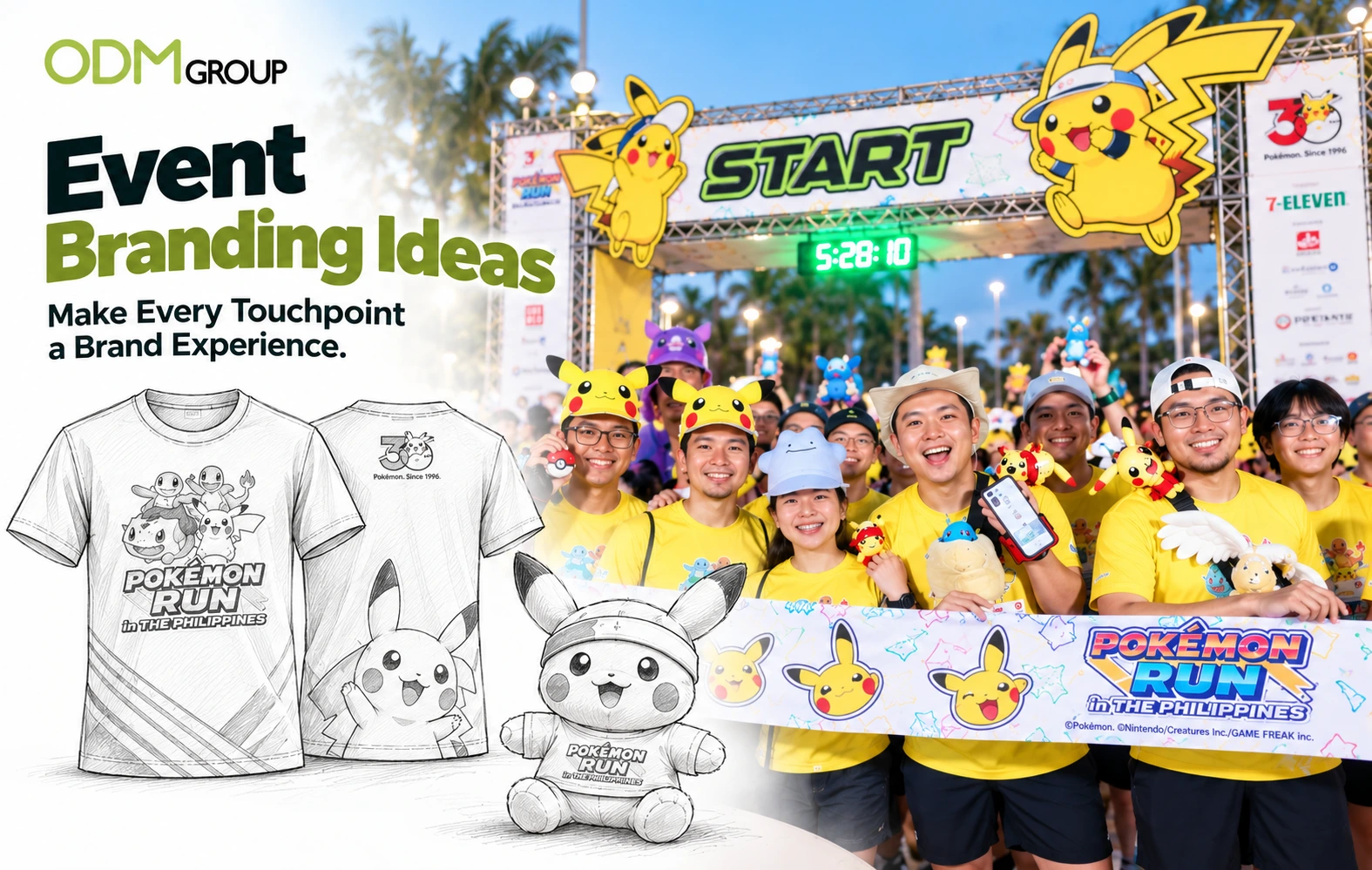
Event Branding Ideas: Make Every Touchpoint a Brand Experience
Event branding ideas turn separate venue elements into one [...]
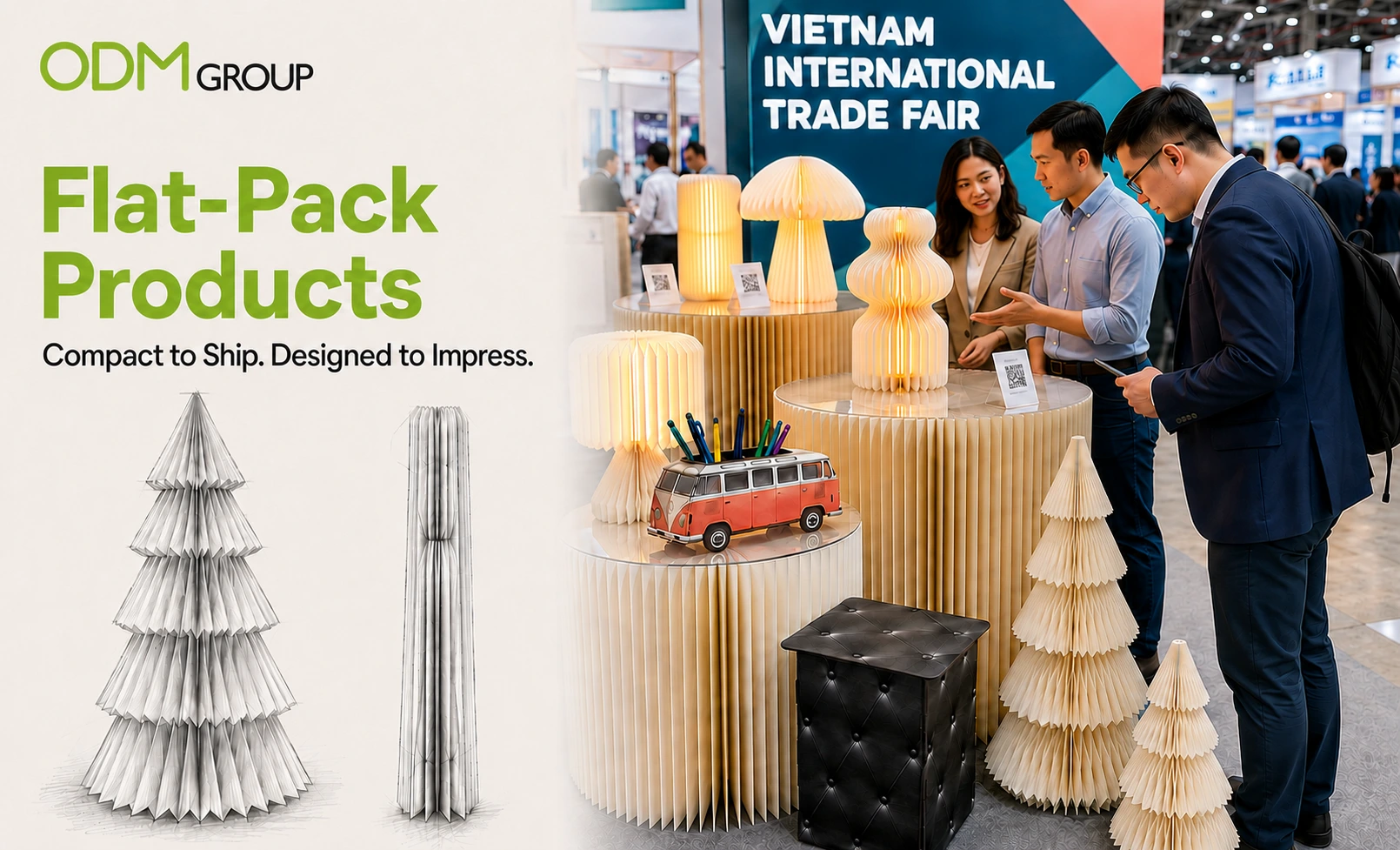
Flat-Pack Products: Benefits and Ideas for Brand Campaigns
Flat-pack products help companies create merchandise with a strong [...]
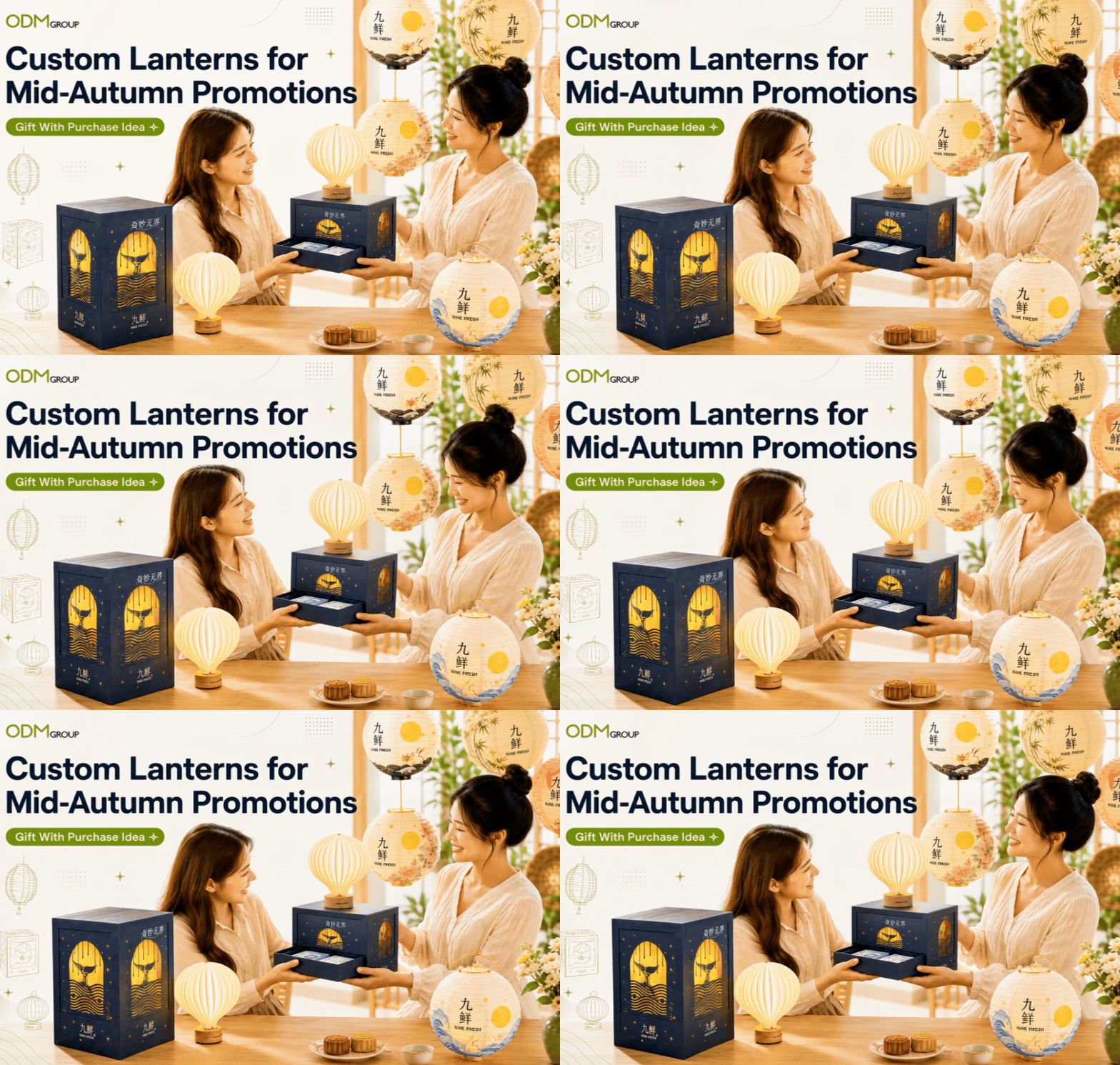
Market your brand this Mid-Autum Festival with Custom Lantern
Mid-Autumn Festival gives brands a valuable opportunity to connect [...]
Tabletop Advertising Ideas: Turn Waiting Time Into Brand Engagement
The best advertising space in a restaurant is not [...]
From Ordinary to Extraordinary: Why Choose Custom Snow Globe Mugs?
Custom branded mugs are popular in the promotional products [...]

Outdoor Industry Marketing That Actually Drives Visibility
Outdoor industry marketing is often misunderstood. Most campaigns focus [...]