
Seasonal marketing is a marketing strategy that involves tailoring your promotional efforts, product offerings, and messaging to align with specific seasons or holidays throughout the year. It is one of the most popular ideas businesses use to leverage their business.
In this blog, we will talk about San Fu Lou’s Mid-Autumn promotion we found in Di Mai Restaurant. We will explore how the business maximises the holiday season to boost sales and invite customers. Likewise, we will also provide tips on how to run a successful marketing during particular seasons.
This guide explores how seasonal marketing works, which campaign formats brands can use, and what marketers can learn from real promotions featured in the ODM Magazine.
What Is Seasonal Marketing?
Seasonal marketing is the practice of aligning products, promotions, and brand communications with a particular time of year.
Campaigns may be developed around major holidays such as Christmas and Valentine’s Day, cultural celebrations such as Lunar New Year and the Mid-Autumn Festival, or commercial periods such as summer travel and back-to-school shopping.
Because these occasions have a limited duration, seasonal campaigns can create urgency and give customers a clear reason to act. They can also help brands refresh familiar products without permanently changing their core positioning.
Seasonal marketing may include:
- Limited-edition merchandise
- Gift-with-purchase promotions
- Purchase-with-purchase offers
- Promotional gift sets
- Seasonal packaging
- Retail displays
- Pop-up activations
- Corporate gifts
- Collectible product series
The most effective format depends on the audience, sales channel, campaign objective, and way customers normally celebrate the occasion.
Why Seasonal Marketing Works
1. It Responds to Changing Customer Needs
Customer priorities change throughout the year. People may look for gifts before Christmas, travel accessories during summer, school supplies before a new term, or products for family gatherings during Lunar New Year.
Brands can become more relevant by offering products that support these activities. A practical item tied to an immediate need usually feels more valuable than a generic giveaway with seasonal artwork.
2. It Creates a Reason to Act Now
A seasonal campaign naturally has a deadline. Limited availability can encourage customers to buy sooner, especially when an exclusive product or gift is offered only during the campaign period.
The promotional mechanic should remain simple. Customers should be able to understand what they need to buy or do and what they will receive in return.
3. It Refreshes the Retail Experience
Seasonal displays can bring renewed attention to established products. Custom structures, display headers, themed graphics, lighting, gift sections, and decorative elements can help a promotion stand out from the normal retail environment.
The display should not allow decoration to overpower the offer. Shoppers must still be able to identify the product, understand the campaign, and access the merchandise easily.
4. It Connects Physical and Digital Marketing
Seasonal packaging, merchandise, and retail installations also provide content for social media, email marketing, competitions, and influencer campaigns.
Brands can encourage customers to photograph a collectible gift, share an event experience, or post seasonal packaging online. This allows one physical asset to generate exposure across several channels.
Seasonal Marketing Examples
The following examples demonstrate how brands have used displays, packaging, promotional products, and purchase incentives around different seasonal moments.
1. Mid-Autumn Festival: San Fu Lou Mooncake Campaign
San Fu Lou used promotional pricing, custom packaging, and a dedicated restaurant display to support its Mid-Autumn Festival mooncake campaign.
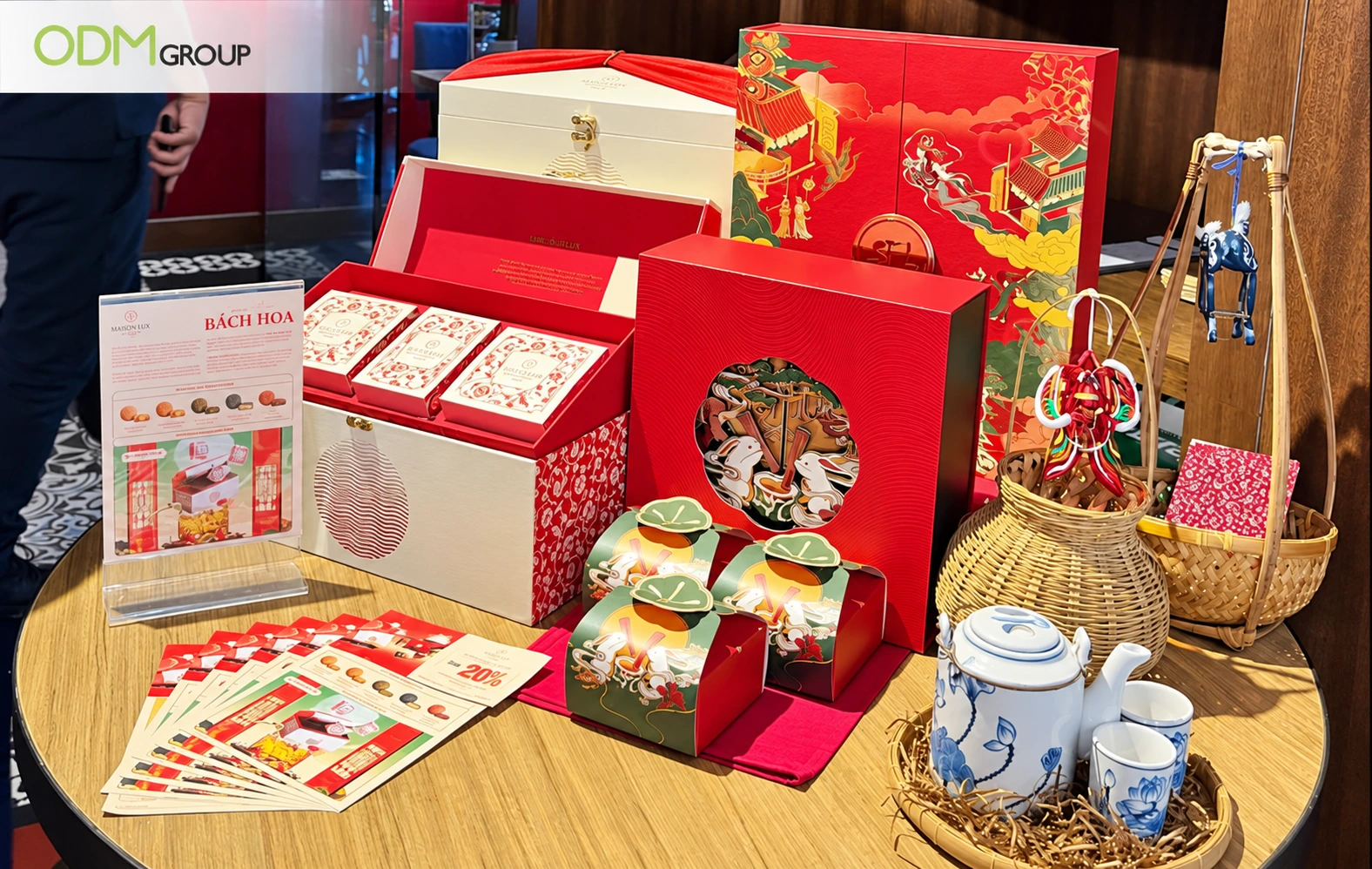
The packaging positioned the mooncakes as presentable gifts, while the display made the collection easier for customers to discover inside the restaurant. Rather than treating the seasonal box as a separate element, the brand connected the product, presentation, and offer.
This approach can work for other food, hospitality, and retail brands. A seasonal campaign becomes more cohesive when customers encounter the same idea through the packaging, display, promotion, and buying experience.
2. Christmas: Coca-Cola’s Festive Merchandising Display
Christmas is one of the most competitive periods in retail, making it difficult for standard shelf presentations to attract attention.
A Coca-Cola Christmas merchandising display featured a red-and-white aisle structure shaped like a Christmas tree. The recognizable silhouette communicated the season immediately, while Coca-Cola’s established colors kept the brand visible.
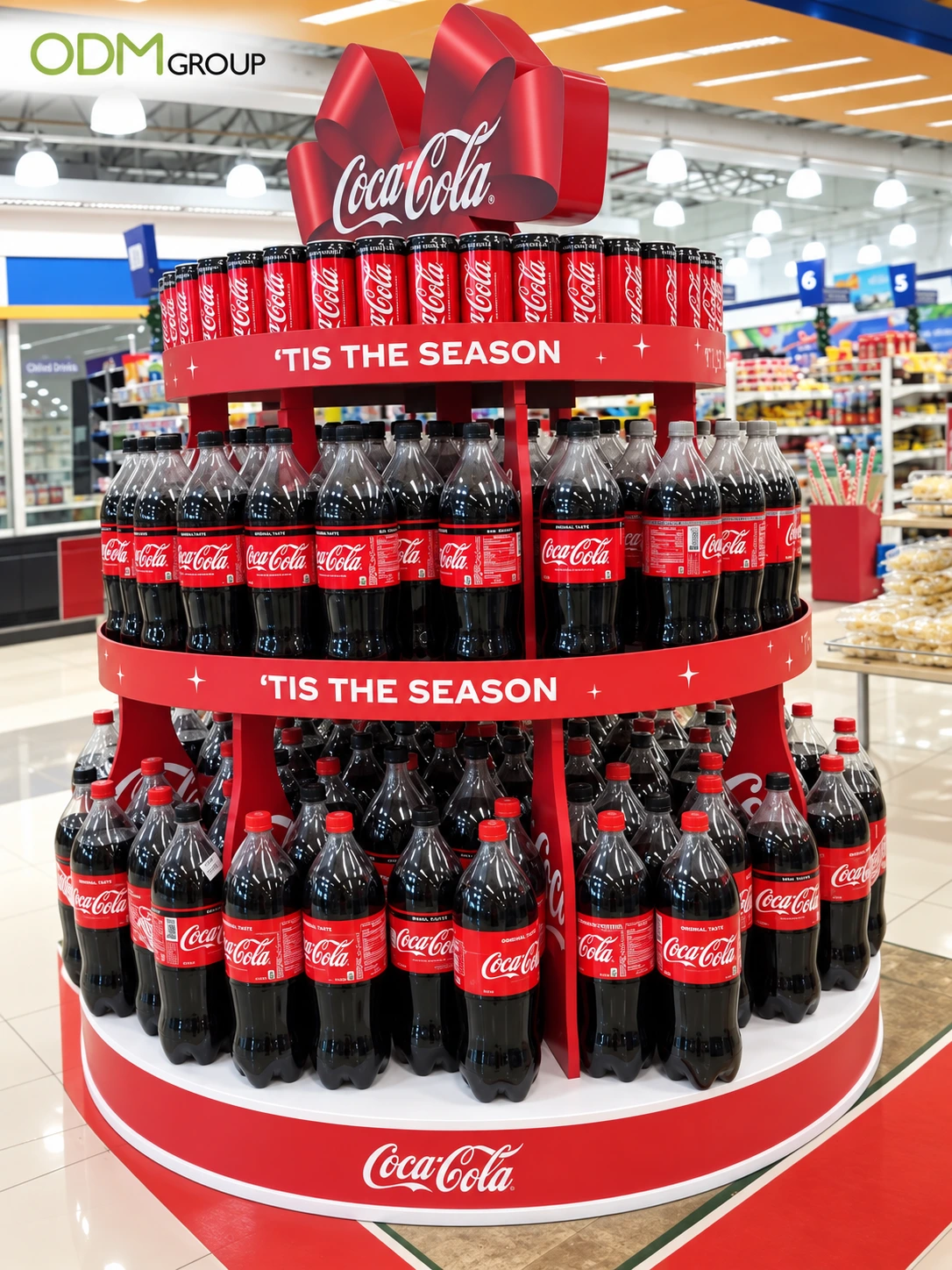
The example demonstrates how a display structure can become part of the campaign message. Brands can adapt recognizable seasonal forms into freestanding displays, endcaps, promotional booths, or product towers without hiding the merchandise.
3. Valentine’s Day: Baileys’ Supermarket Shelf Display
Valentine’s Day campaigns often compete around gifting, sharing, and at-home experiences. Brands that don’t traditionally belong to the flower or chocolate categories can still participate by linking their products to these behaviors.
ODM featured a Baileys Valentine’s Day supermarket shelf display that incorporated themed graphics into an existing retail fixture. This helped the promotion feel timely while keeping the product visible and accessible.
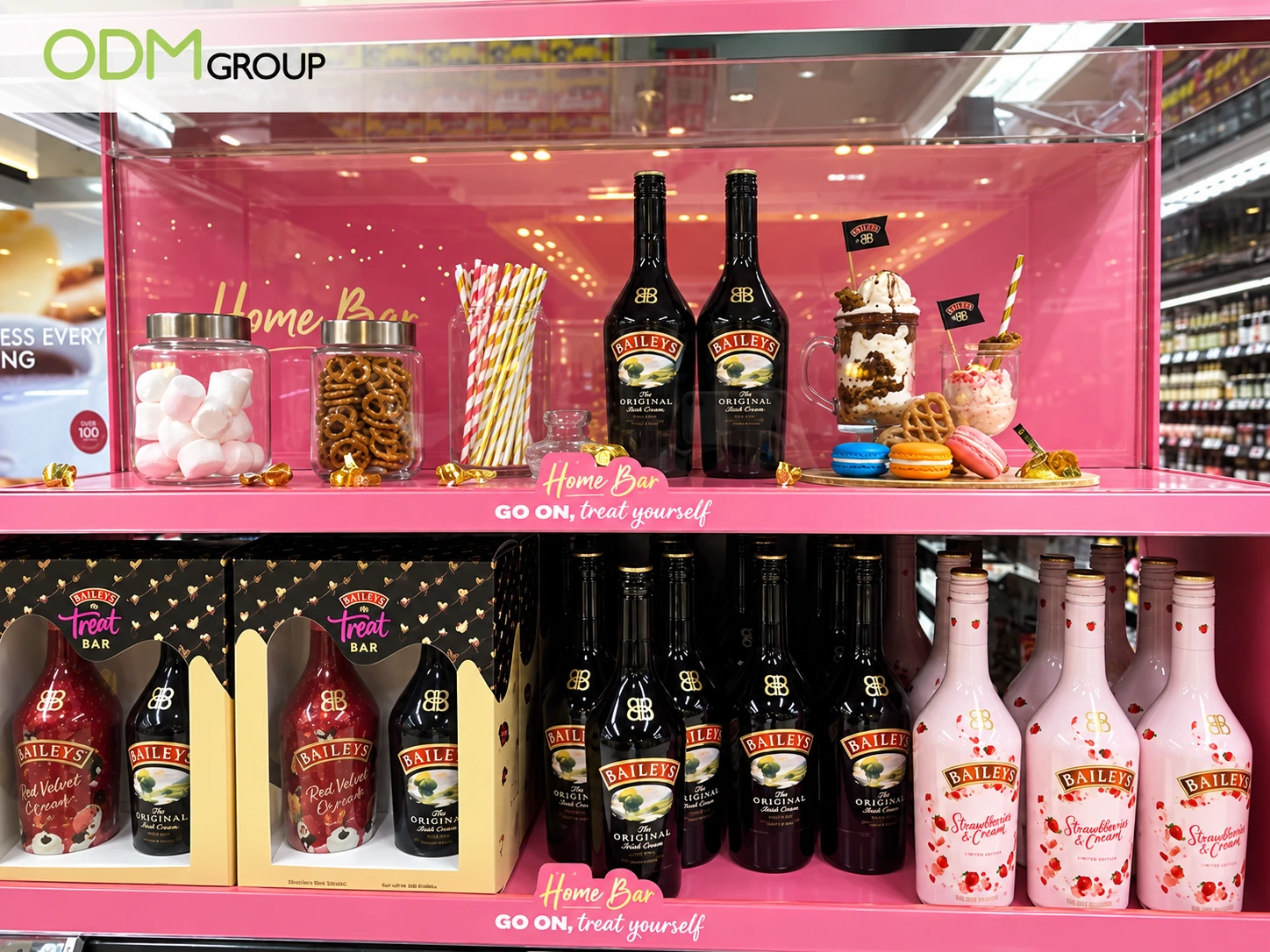
The same principle can be applied through gift packs, drinkware, serving accessories, branded candles, or shared-experience kits. The product does not need to be romantic by nature, but the campaign should show how it fits the occasion.
4. Lunar New Year: Kinder Bueno’s Retail Display
Lunar New Year creates opportunities for brands involved in food, beverages, hospitality, travel, banking, retail, and corporate gifting.
A festive Kinder Bueno retail display showed how an FMCG brand could refresh its supermarket presentation around the celebration. Seasonal graphics gave the display a timely look while keeping the product central to the design.
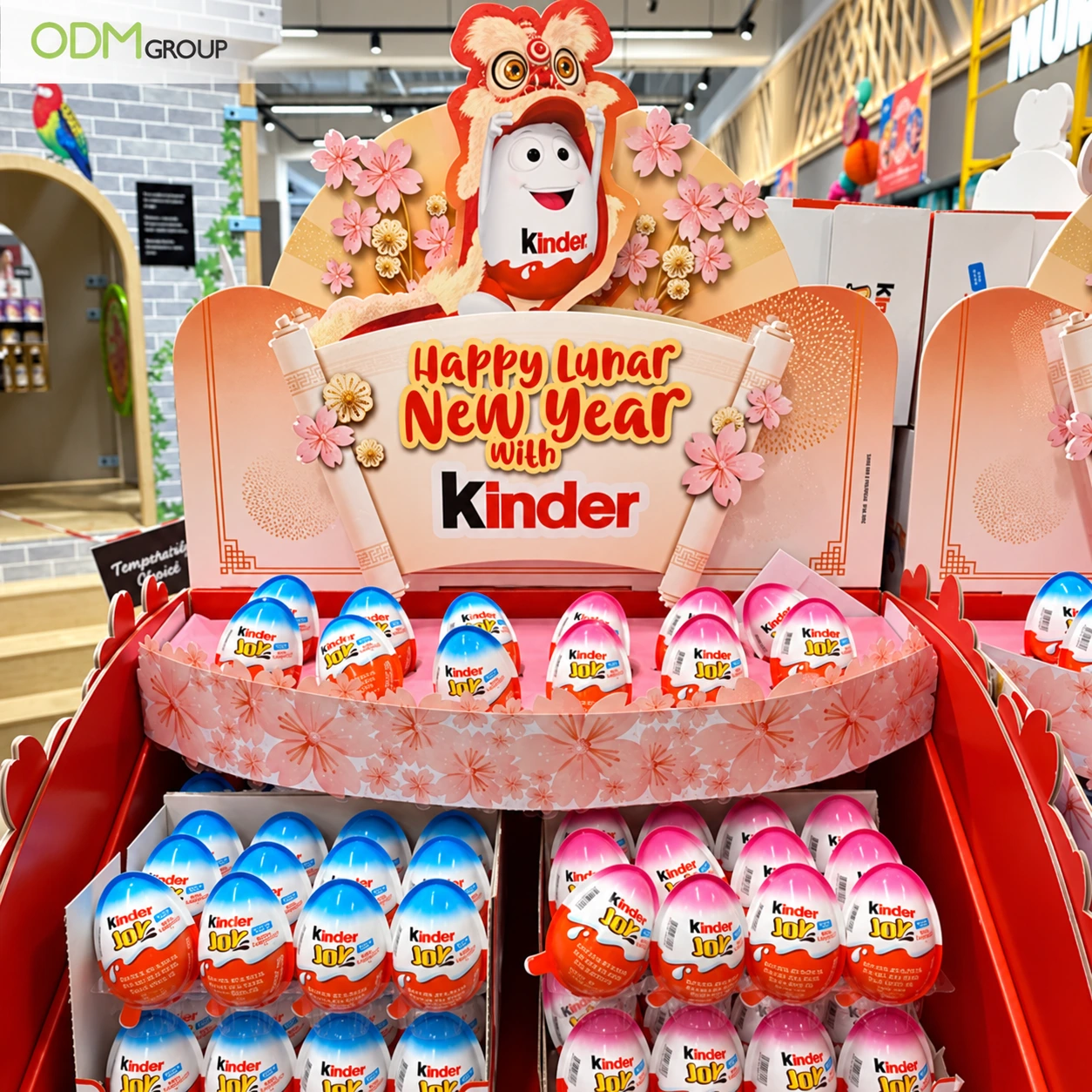
Brands can also support Lunar New Year campaigns with dining products, tea sets, reusable bags, drinkware, tech accessories, or premium gift boxes. These Lunar New Year packaging ideas demonstrate how packaging can combine cultural references with a brand’s existing visual identity.
5. Summer: Estée Lauder’s Travel Retail Display
Summer campaigns work best when they connect products to seasonal activities such as travel, outdoor experiences, hydration, and self-care.
Estée Lauder’s summer retail display created a miniature beach environment inside an airport duty-free store. A sunbed, umbrella, palm tree, luggage, and beach accessories established the seasonal setting while keeping the skincare products central to the display.
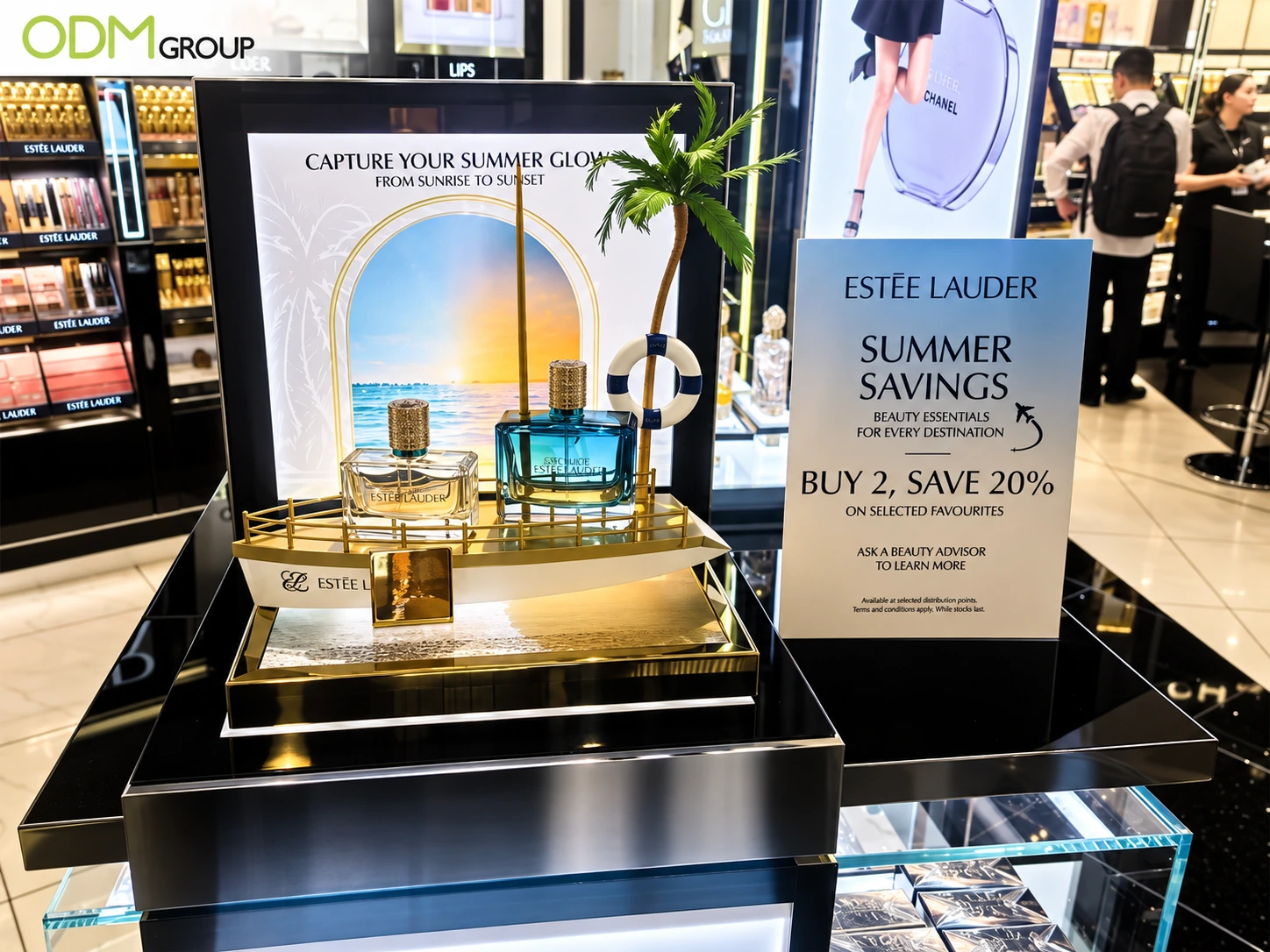
The campaign combined an emotional message—“Capture Your Summer Glow”—with a clear Buy 2, Save 20% offer. This balance helped the display attract attention and gave travelers a practical reason to buy.
Seasonal Marketing Campaign Formats
Limited-Edition Merchandise
Limited-edition merchandise gives customers a reason to participate before a campaign ends. It may be sold as branded merchandise, included with a purchase, or awarded through a contest.
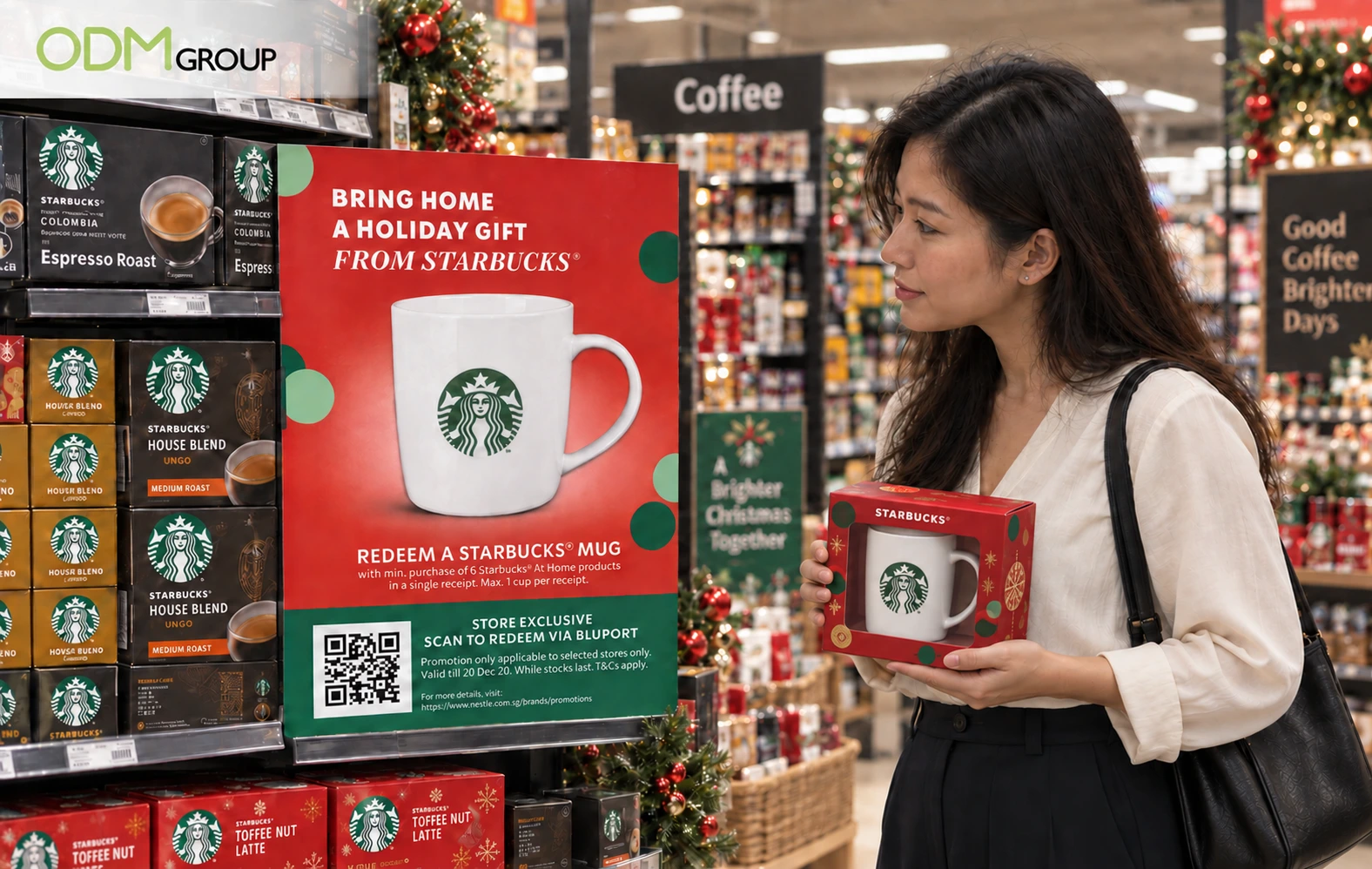
Brands can create a new color, pattern, character, or design for each season. When the collection follows a consistent format, customers may be encouraged to return for later editions.
Gift-With-Purchase Promotions
A gift with purchase can increase the perceived value of the main product without relying entirely on price reductions.
The gift should complement the customer’s purchase. Beverage brands might offer drinkware or serving accessories, while beauty brands could use cosmetic bags, mirrors, organizers, or travel products.
The spending requirement should also match the gift’s perceived value. If customers need to spend considerably more than usual, the product must feel worth the additional purchase.
Seasonal Packaging
Packaging matters most during gift-giving periods. A well-developed box, sleeve, tin, bag, or reusable container can make a standard product feel ready to give.
Brands can use seasonal colors and symbols while maintaining recognizable visual elements. Structural customization, handles, inserts, textured finishes, and reusable functions can further increase the packaging’s perceived value.
Retail Displays
Retail displays bring the campaign into the shopping environment. They can introduce a seasonal collection, group participating products, communicate a promotion, or create a dedicated gifting area.
Suitable formats include freestanding display units, shelf displays, endcaps, counter displays, product glorifiers, and promotional booths. The right option depends on the available space, product weight, campaign duration, and retail requirements.
Seasonal Gift Sets
Gift sets can bundle the main product with complementary merchandise, accessories, or samples. This creates a more complete experience and can make the purchase easier for customers seeking ready-made gifts.
Presentation matters. Product selection, inserts, packaging structure, and unboxing order should feel coordinated rather than assembled from unrelated items.
Experiential Promotions
Events, pop-ups, hotel activations, shopping centers, and festivals give brands opportunities to connect merchandise with participation.
Customers might receive a gift after joining a product trial, registering for a loyalty program, completing an activity, or sharing campaign content. Linking the item to an experience can make it feel more meaningful than a giveaway distributed without context.
How to Plan a Seasonal Marketing Campaign
1. Define the Objective
Begin with the result the campaign needs to achieve.
The objective might be to:
- Increase sales of a particular product
- Encourage a higher basket value
- Introduce a limited-edition range
- Generate event participation
- Increase loyalty program registrations
- Reward employees or clients
- Produce social media engagement
The objective should guide the product, distribution method, quantity, and promotional message.
2. Choose an Occasion That Fits the Brand
Brands do not need to participate in every holiday. A smaller number of well-developed campaigns may perform better than frequent promotions with little connection to the audience.
Consider the target market, local customs, climate, retail calendar, and customer behavior. A campaign used in several countries may require different products, imagery, or messages for each location.
3. Select Merchandise With a Clear Purpose
Before approving a product, consider where it will be used and why the customer would want it.
Ask:
- Does it support the occasion?
- Does it complement the main product?
- Is it appropriate for the target audience?
- Can it carry the branding clearly?
- Does its perceived value match the promotion?
- Will customers use it after the season ends?
Practicality does not mean the product has to be ordinary. Custom structures, materials, colors, and secondary functions can make a useful item feel distinctive.
4. Create a Simple Campaign Mechanic
Customers should not need a long explanation to understand the offer.
A brand might provide a gift after customers buy a participating product, reach a spending threshold, attend an event, or register for a program. The qualifying action, availability, and redemption process should be communicated clearly.
5. Coordinate the Campaign Assets
Merchandise, packaging, displays, and digital communication should look like parts of the same campaign.
Shared colors, graphics, messaging, and design elements can create a more consistent experience. This also makes the campaign easier to recognize across retail stores, events, social media, and other channels.
6. Work Backward From the Launch Date
Seasonal campaigns have fixed deadlines. Missing the intended occasion can significantly reduce the value of season-specific stock.
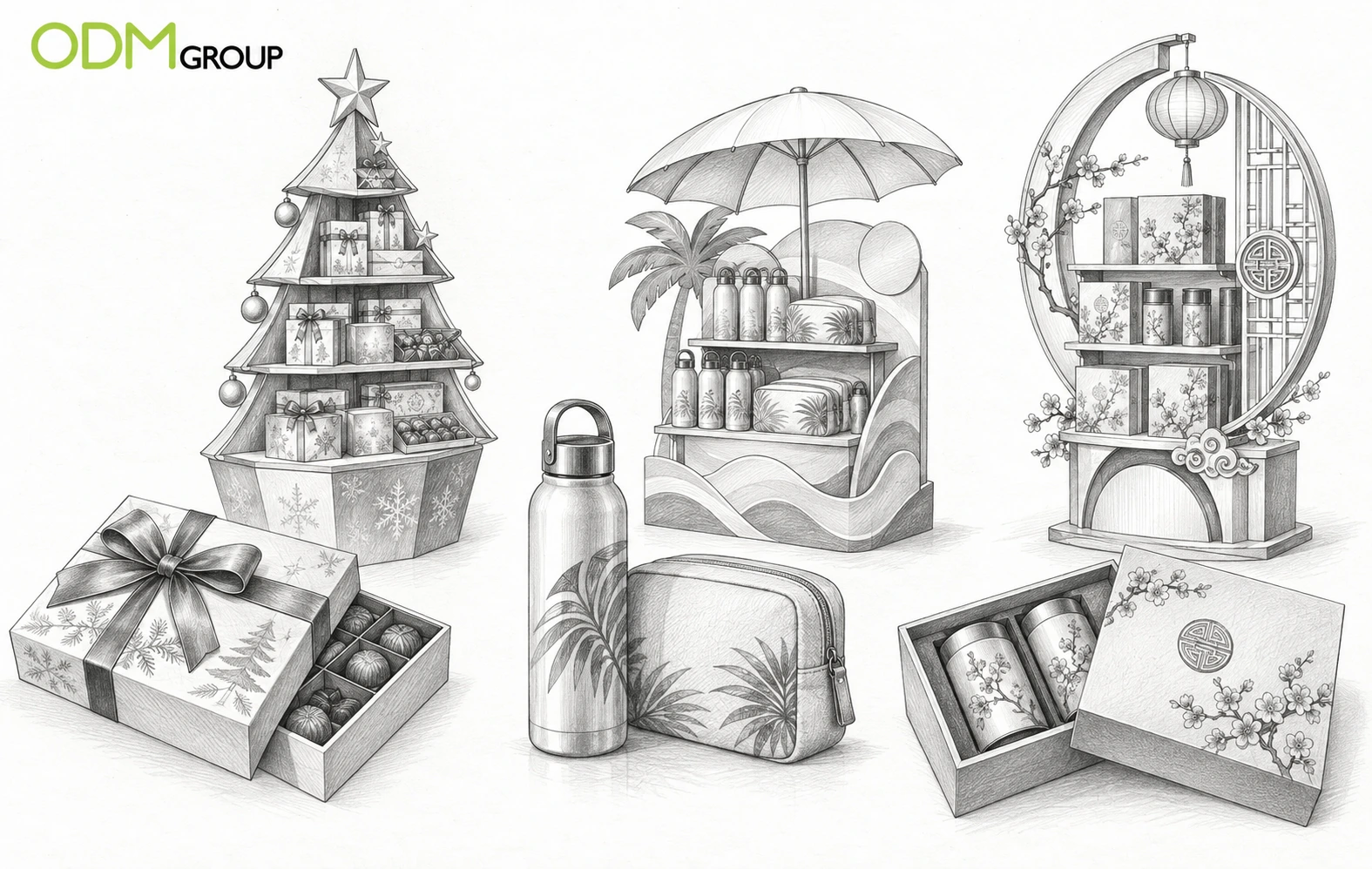
Development may involve:
- Campaign and product selection
- Concept development
- Sketches and 3D visualization
- Material and branding decisions
- Prototyping and sampling
- Testing and approval
- Manufacturing
- Quality control
- Packaging
- Shipping and distribution
The required lead time depends on the quantity, materials, customization, tooling, packaging, and shipping method. Brands should begin planning several months ahead, particularly for complex custom products or major gifting periods.
ODM’s year-end promotion ideas for FMCG brands provide further inspiration for coordinating offers, gifts, and retail activity during a busy sales period.
Check out these gift ideas for your next seasonal marketing campaign:
Elevate your holiday marketing and leave a lasting impression on your target market with our Christmas drawstring gift bags. The symbolic icons of the festivities, such as the reindeer, are showcased through the tactile raised material.
Ceramics are one of the most popular gift ideas during New Year, especially in the Chinese culture. Check out these ceramic ideas below:
Our mesh bag is not just crafted for everyone who wishes to be comfortable while on the beach during the summer season. It also serves as a canvas for businesses to display their identity.
These spooky custom lanterns, door chimes, and string spray are among our favourites. The crazy designs make them great custom giveaway ideas for Halloween.
How ODM Can Support Seasonal Marketing Campaigns
The ODM Group helps brands develop seasonal promotional merchandise from concept to production. Together with our Mindsparkz design team, we can support product ideation, sketches, 3D modeling, prototyping, packaging design, and retail display development.
We also assist with factory selection, manufacturing oversight, quality control, and international logistics. Contact our team early so there is enough time to develop, test, manufacture, and deliver the campaign before its scheduled launch.
More Product Ideas


FAQs about Seasonal Marketing
How does seasonal marketing work?
Seasonal marketing identifies predictable changes in customer interests and purchasing behavior. Brands then adjust their products, offers, messaging, advertising, and retail presentation to match those periods.
What are the disadvantages of seasonal marketing?
Seasonal campaigns have short sales windows and strict launch dates. They may require additional creative work, higher advertising costs, early inventory commitments, and careful forecasting. Highly seasonal products can also become difficult to sell after the campaign ends.
What is the difference between seasonal and evergreen marketing?
Seasonal marketing is relevant for a limited period, such as Christmas, summer, or back-to-school. Evergreen marketing remains useful throughout the year. Most brands need both: evergreen marketing for consistent visibility and seasonal campaigns for timely sales opportunities.
When should seasonal marketing begin?
Marketing should begin before search interest and purchasing activity reach their peak. The exact timing depends on the occasion, customer buying cycle, and complexity of the campaign. Custom merchandise and retail displays should be developed several months before launch.
Latest Blogs from ODM
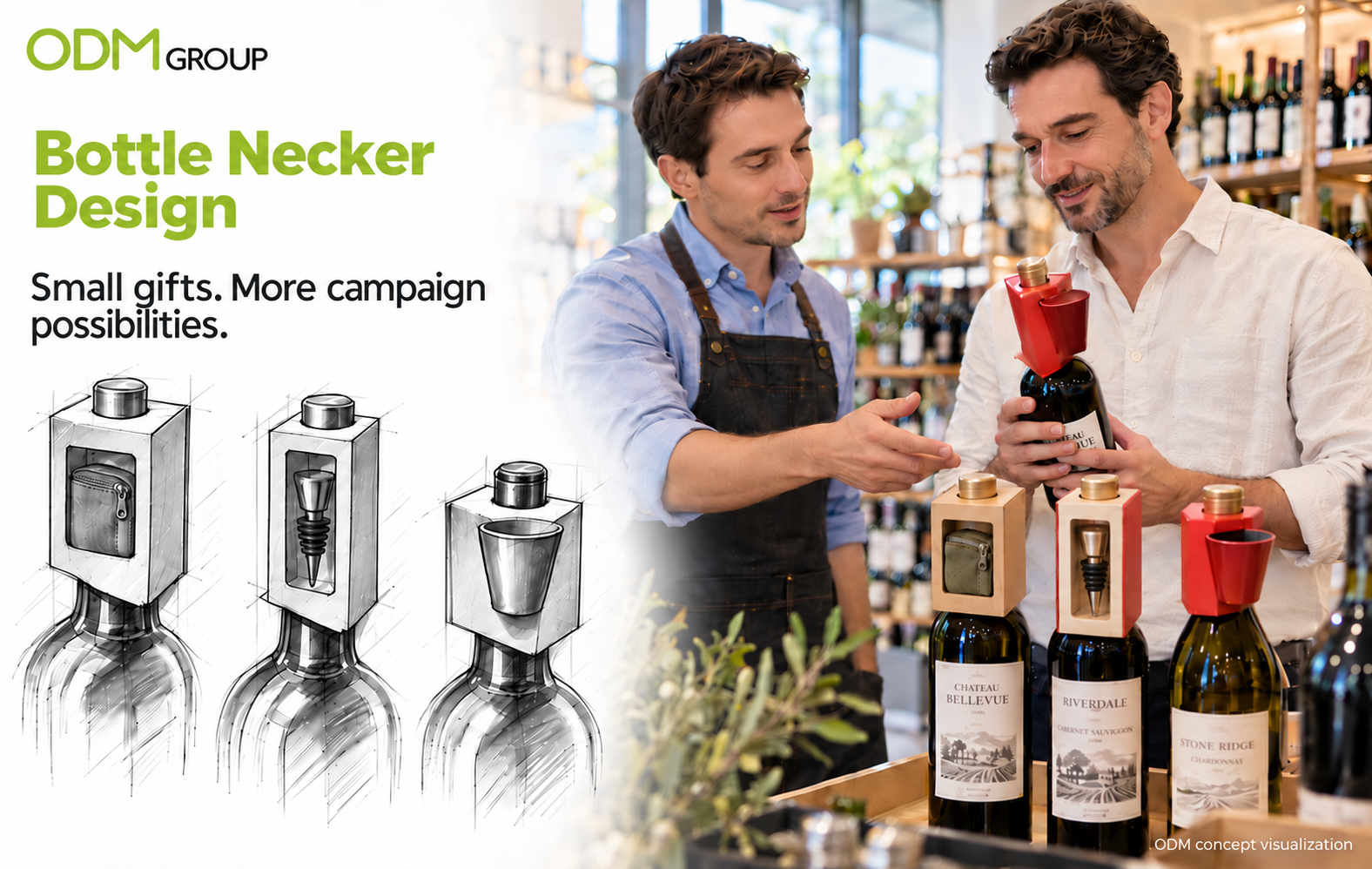
Bottle Necker Design: Creative Ideas for Your Next Promotion
A bottle necker gives a brand a little extra [...]
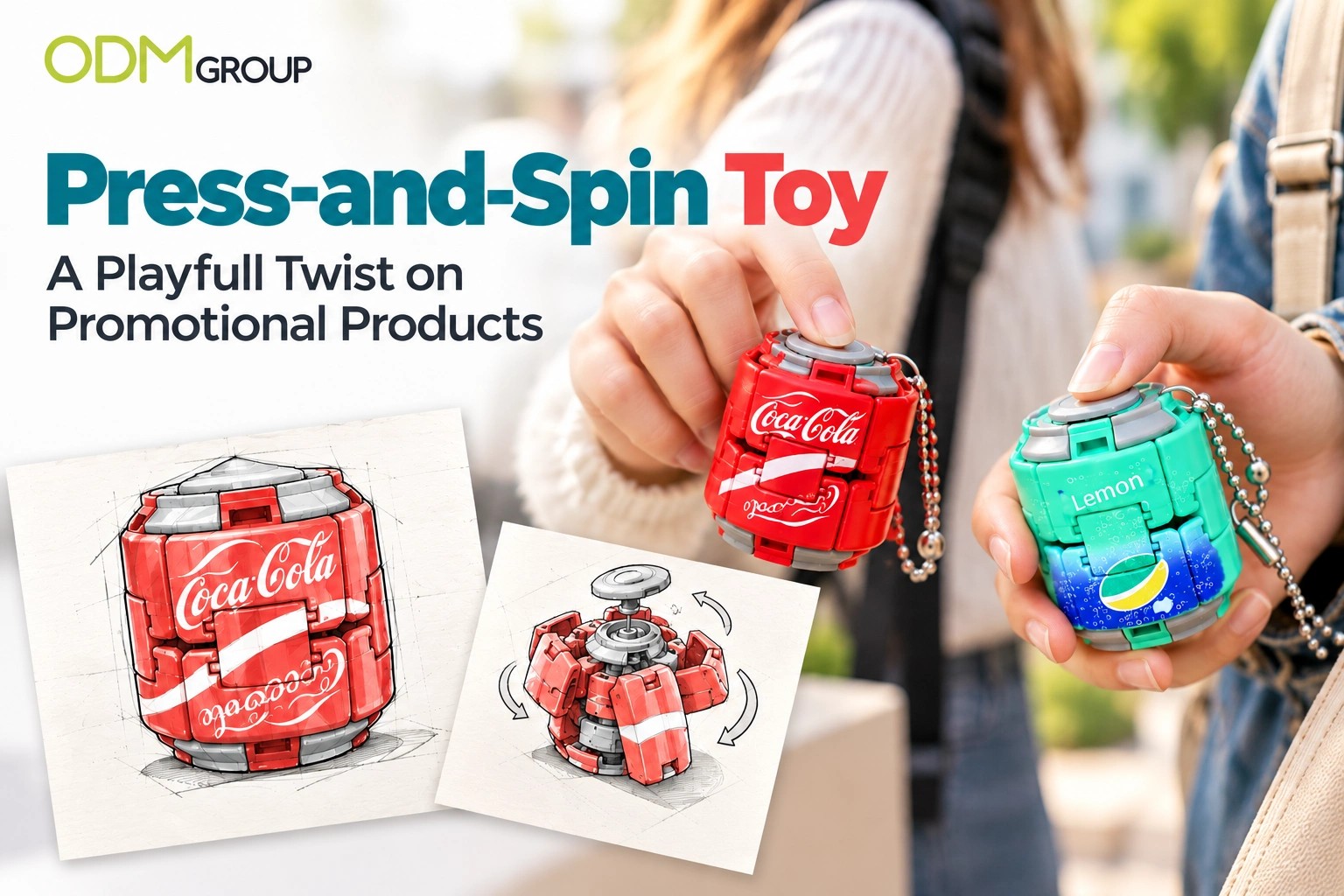
Press-and-Spin Toy: A Playful Twist on Custom Promotional Products
Promotional products are more memorable when they offer more [...]
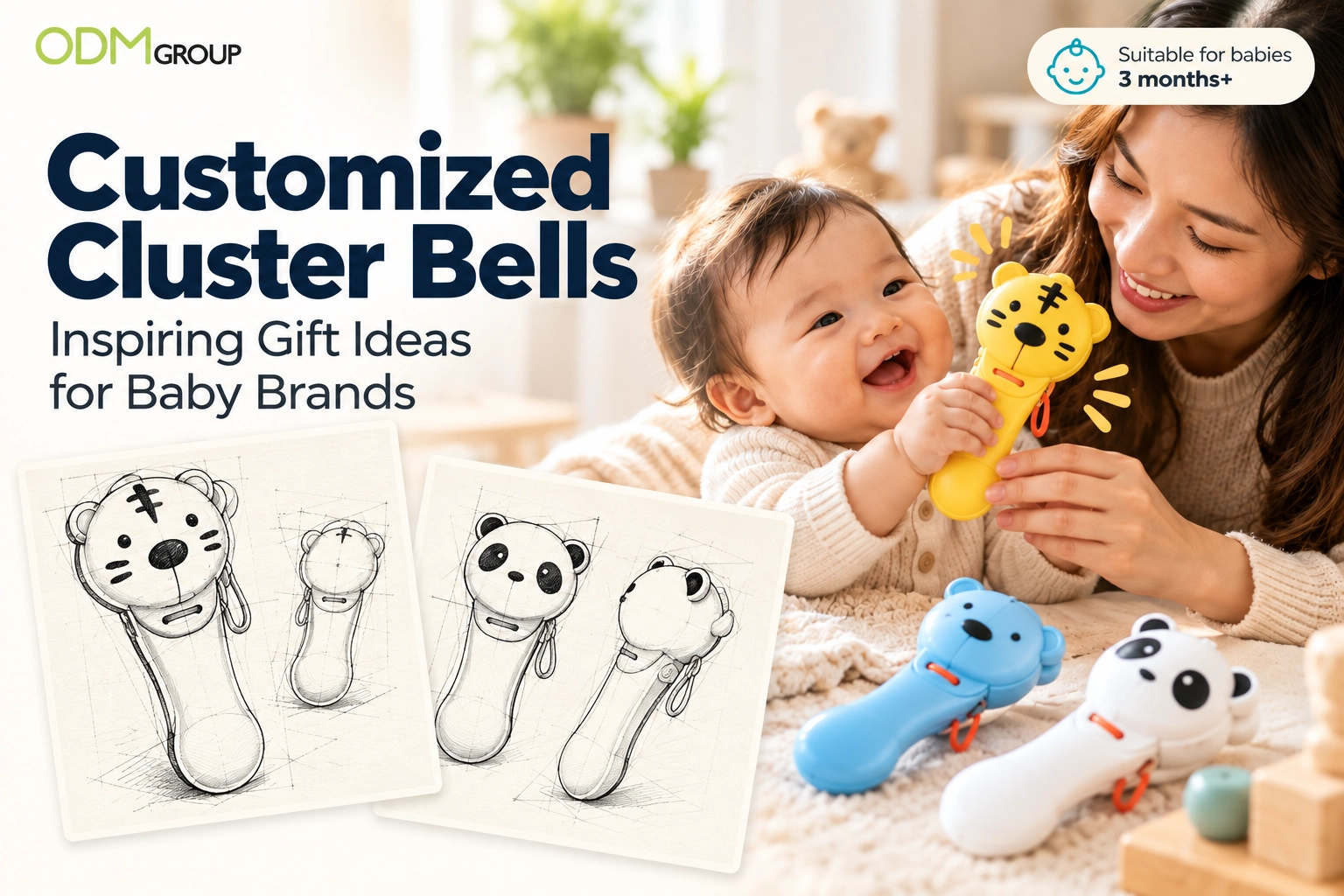
Customized Cluster Bells: Inspiring Promotional Gift Ideas for Baby Brands
Customized Cluster Bells offer an interesting example of how [...]
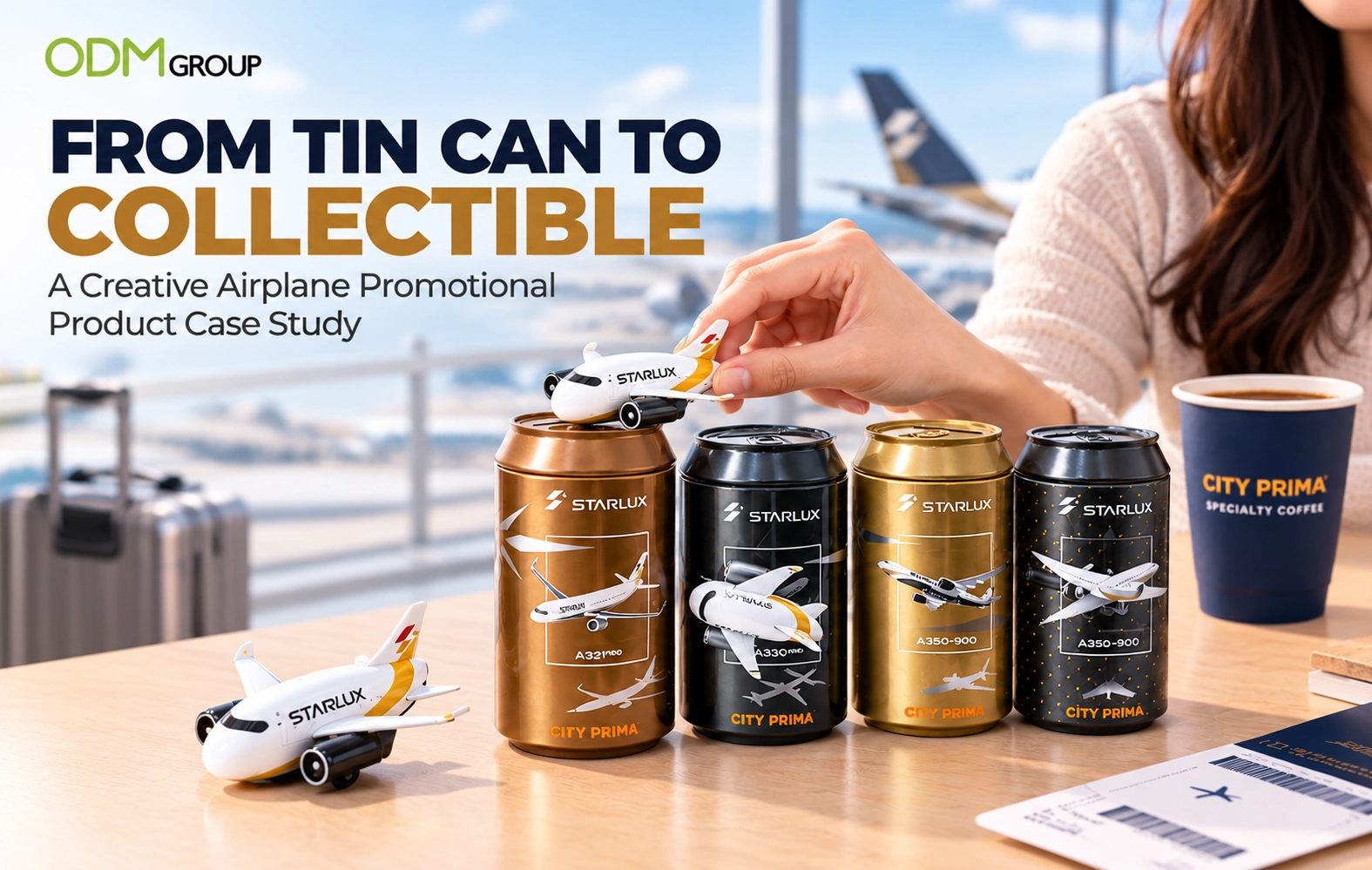
Airplane Promotional Products: How STARLUX Airlines and CITY PRIMA Engage Customers
Airplane promotional products can do more than display a brand [...]
Event Branding Ideas: Make Every Touchpoint a Brand Experience
Event branding ideas turn separate venue elements into one [...]

Waterproof Camping Blanket: Take Your Brand Into the Outdoors
A waterproof camping blanket gives brands a useful role [...]