Distinctive whisky packaging design can give drink brands a more recognizable presentation, particularly in competitive retail and duty-free environments. Instead of relying on a conventional bottle format, OSA Fine Spirits used miniature whisky barrels to create a presentation directly connected to the product itself.
ODM spotted the concept at an Istanbul airport duty-free store, where OSA presented a tasting set featuring miniature 5cl barrels. For drinks brands and packaging teams, it provides an interesting example of how shape, format and presentation can work together to create more distinctive packaging.
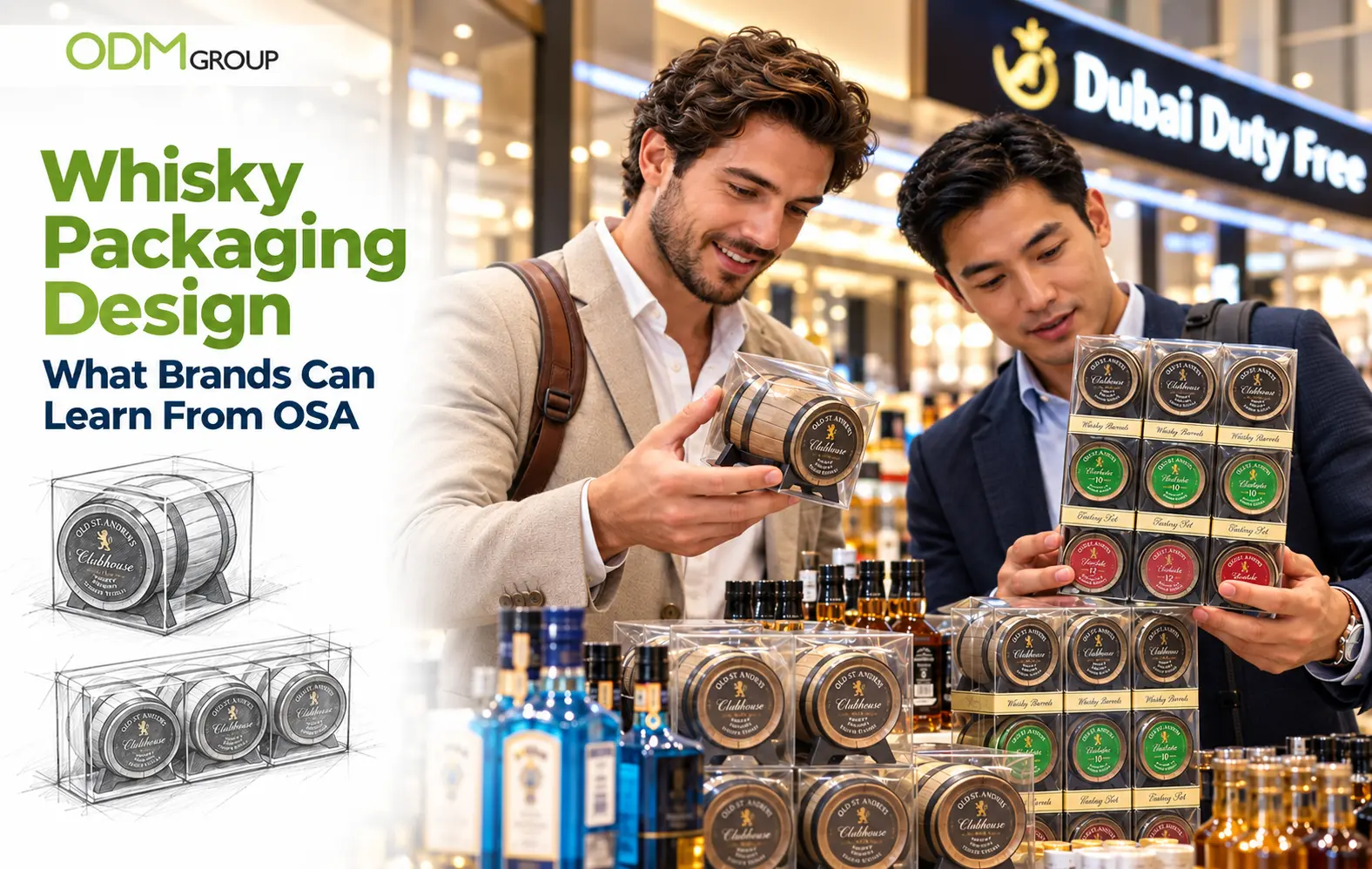
Inside OSA’s Mini Barrel Whisky Packaging
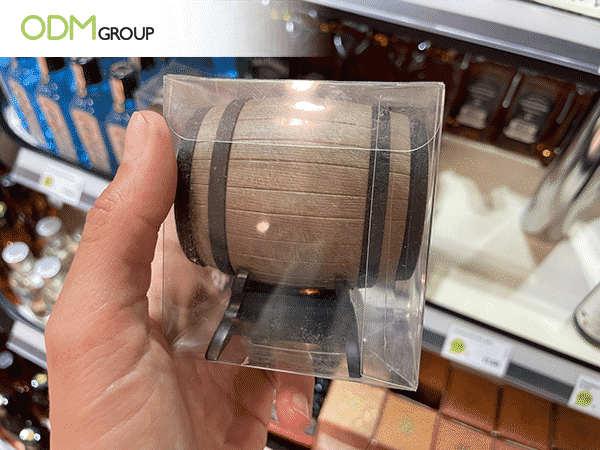
OSA Fine Spirits moved away from the conventional whisky bottle silhouette by presenting its whisky in miniature barrel-shaped containers.
This was not the first time ODM had encountered the concept. In 2019, the team documented a custom mini barrel used for OSA’s Clubhouse Whisky range. The later duty-free example featured other OSA blends, including Twilight and Fireside.
The connection between the container and the product is what makes the concept particularly relevant. A barrel is already associated with whisky production and maturation, so the format becomes part of the product story rather than simply an unusual container.
What Can Drinks Brands Learn From This Packaging?
1. Use Packaging Shape to Support the Product Story
Custom packaging works best when the design has a reason to exist.
For OSA, the barrel shape has an immediate connection with whisky. The container therefore communicates something about the product category before the customer even examines the label.
Other drinks brands can apply the same principle without necessarily copying the barrel itself. The starting point should be identifying shapes, materials, structures or visual details that have a genuine connection to the brand or product.
A custom format should ultimately support the brand story while remaining practical to manufacture, fill, package and distribute.
Whisky Packaging Design
Presented in a beautiful replica of Whisky barrel, there’s no reason for passersby to ignore this creative idea. Though small in size, it can quickly draw attention compared with other drink brands that only use simple bottles and packaging.
2. Consider How the Packaging Will Work at Retail
Custom packaging is not viewed in isolation. It has to function within the environment where the product is sold.
ODM observed OSA’s miniature barrels in an airport duty-free store alongside more conventional drinks packaging. The barrel shape creates a noticeably different profile on the shelf without requiring an oversized package.
For brands developing retail packaging, this means considering dimensions, orientation, label visibility, shelf space and how the product will sit alongside competing formats.
The goal should not simply be to create something unusual. The packaging still needs to work within the intended retail environment.
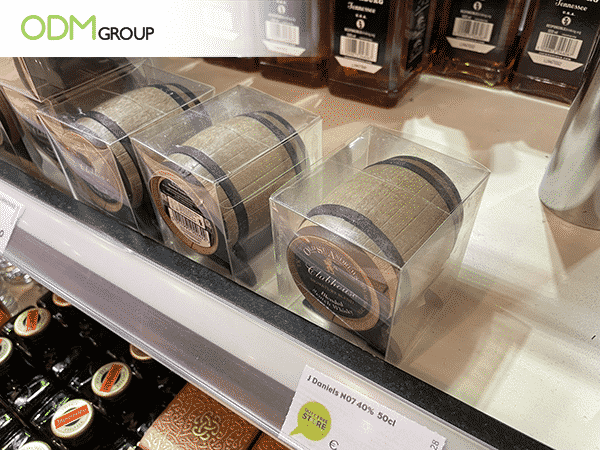
Whisky Packaging Design
OSA’s example uses a 5cl miniature format.
Smaller formats may be worth exploring for certain tasting sets, gift packs or promotional applications, depending on the product, target market and applicable regulations.
They can also be incorporated into a larger presentation rather than sold individually.
For example, ODM has documented whisky gift packs from brands including Maker’s Mark and Jim Beam, demonstrating another way drinks brands can combine the main product with additional items or smaller formats.
What Should Brands Consider When Developing Whisky Packaging?
An unusual shape is only one part of a successful packaging project. Procurement teams also need to consider how the design will move from concept to production.
Product Dimensions and Structure
The starting point should be the product itself.
Container dimensions, capacity, weight and structure can influence secondary packaging, retail presentation, storage and transportation.
If the concept involves a completely bespoke shape, brands also need to establish whether new tooling or mould development will be required.
Materials
Material selection can affect appearance, durability, weight, manufacturing method and cost.
The current OSA article does not identify the material used for the miniature barrels, so this should not be assumed.
Where secondary packaging is required, brands have a wider range of options. ODM has documented whisky and spirits packaging using hard cardboard tubes, rigid gift boxes and other structures.
For example, Rampur’s whisky packaging uses a hard-cardboard tube together with an internal fabric element.
Branding and Decoration
Custom packaging also needs sufficient space for brand identity and required product information.
Depending on the material and structure, possible decorative treatments may include labels, direct printing, embossing or other finishes. The appropriate method needs to be assessed against the actual packaging specification rather than selected for appearance alone.
For OSA, the distinctive barrel shape already contributes to the visual identity, allowing the graphics and labelling to work with the structure rather than carry the entire design.
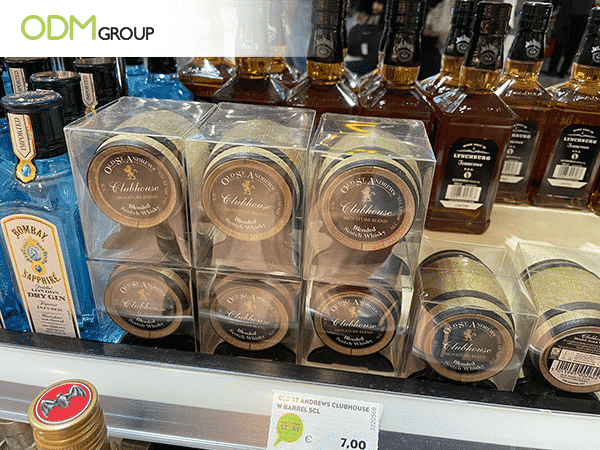
Whisky Packaging Design
Protection and Secondary Packaging
Distinctive packaging still needs to protect the product throughout handling, transportation and retail.
Brands should consider whether the primary container requires an outer carton, insert, sleeve or gift box and how the components will be secured.
This becomes particularly important when developing premium whisky gift sets.
Sampling, MOQ and Lead Time
Bespoke packaging should normally be evaluated before mass production.
Sampling allows teams to assess dimensions, structural fit, artwork, finishes, assembly and overall presentation before committing to the full order.
MOQ and production schedules can vary according to materials, tooling, printing, finishing, quantity and the complexity of the structure.
Other Whisky Packaging Formats Brands Can Explore
A custom-shaped container is only one option. The right packaging format depends on the product, positioning, distribution channel, budget and campaign.
Rigid Gift Boxes
Rigid or structured boxes can be used when presentation and gifting are important parts of the brief. ODM’s Hennessy example demonstrates how a bottle can be incorporated into a more substantial gift-box presentation.
Tube Packaging
Cylindrical packaging provides another format for whisky and spirits bottles. Rampur’s packaging uses a hard-cardboard tube with an internal fabric element, combining the outer structure with additional protection around the bottle.
Bottle Wraps and Accessories
Brands do not necessarily need to redesign the primary bottle to create a different presentation.
ODM has also documented William Lawson’s Scotch Whisky using a bottle accessory that covers much of the bottle, demonstrating how an additional packaging component can change the presentation while retaining the existing bottle.
From Whisky Packaging Concept to Production
Developing bespoke packaging involves more than selecting a shape and applying a logo.
A useful project brief should establish the product dimensions, target market, quantity, distribution channel, budget, preferred materials or finishes and required delivery date.
From there, the concept can be evaluated for structural design, prototyping and manufacturing feasibility.
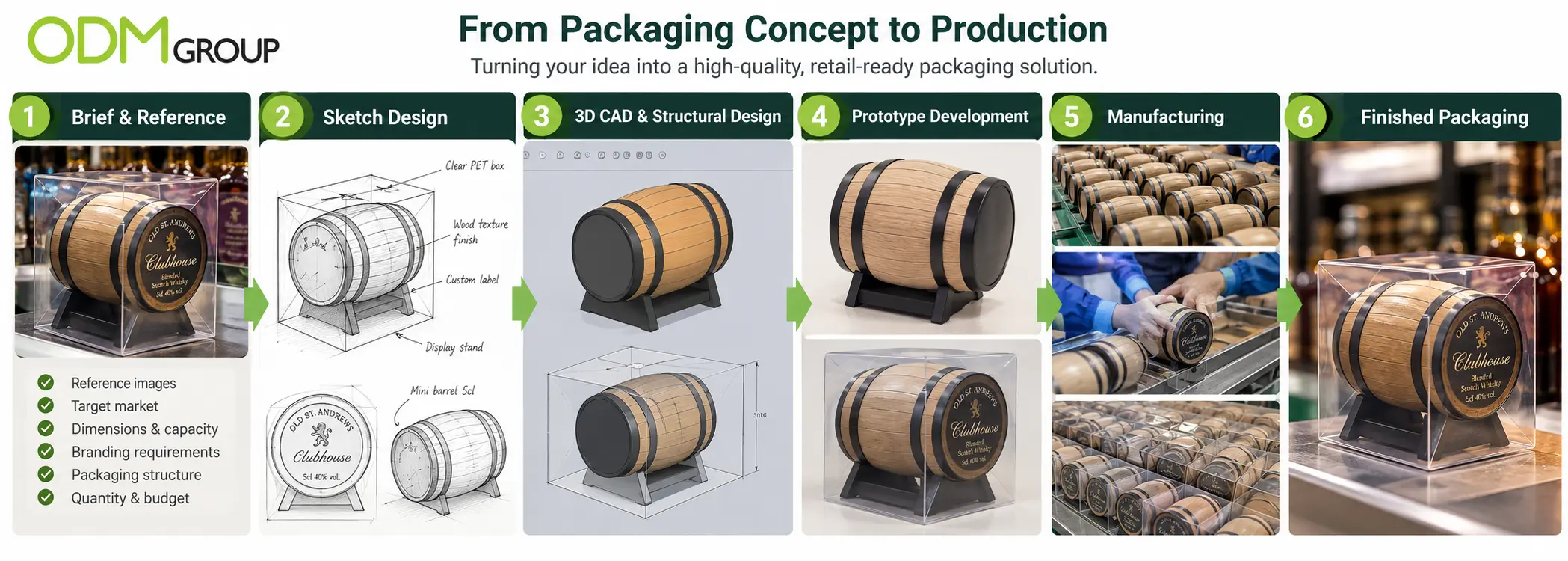
For a bespoke format such as a miniature barrel, these stages can help determine whether the concept can be manufactured consistently while meeting the project’s presentation, packaging and logistics requirements.
If you are developing custom whisky packaging, send ODM your product dimensions, target market, required quantity, reference designs, preferred materials or finishes, budget, and delivery date. The team can assess the design, prototyping, manufacturing, quality-control, packaging, and logistics requirements for the project.
ODM Product Ideas
w


Frequently Asked Questions
What should brands consider when designing whisky packaging?
Start with the product dimensions, target market, distribution channel and required quantity. Materials, structure, branding, protection, secondary packaging, manufacturing, logistics and applicable market requirements should then be considered as part of the same project.
Does custom whisky packaging require new tooling?
It depends on the design. A bespoke structural container may require custom tooling or mold development, while an existing bottle combined with a custom box, tube, sleeve or accessory may follow a different production process.
What packaging formats can be used for whisky?
Options can include conventional bottles with secondary packaging, rigid gift boxes, cardboard tubes, bottle accessories and bespoke structural formats such as OSA's miniature barrel. The appropriate option depends on the product and project requirements.
Should brands request a packaging sample before production?
Sampling is particularly useful for custom packaging because it allows the buyer to assess dimensions, structural fit, artwork, finishes and overall presentation before approving mass production.
Customized Cluster Bells: Inspiring Promotional Gift Ideas for Baby Brands
Customized Cluster Bells offer an interesting example of how [...]
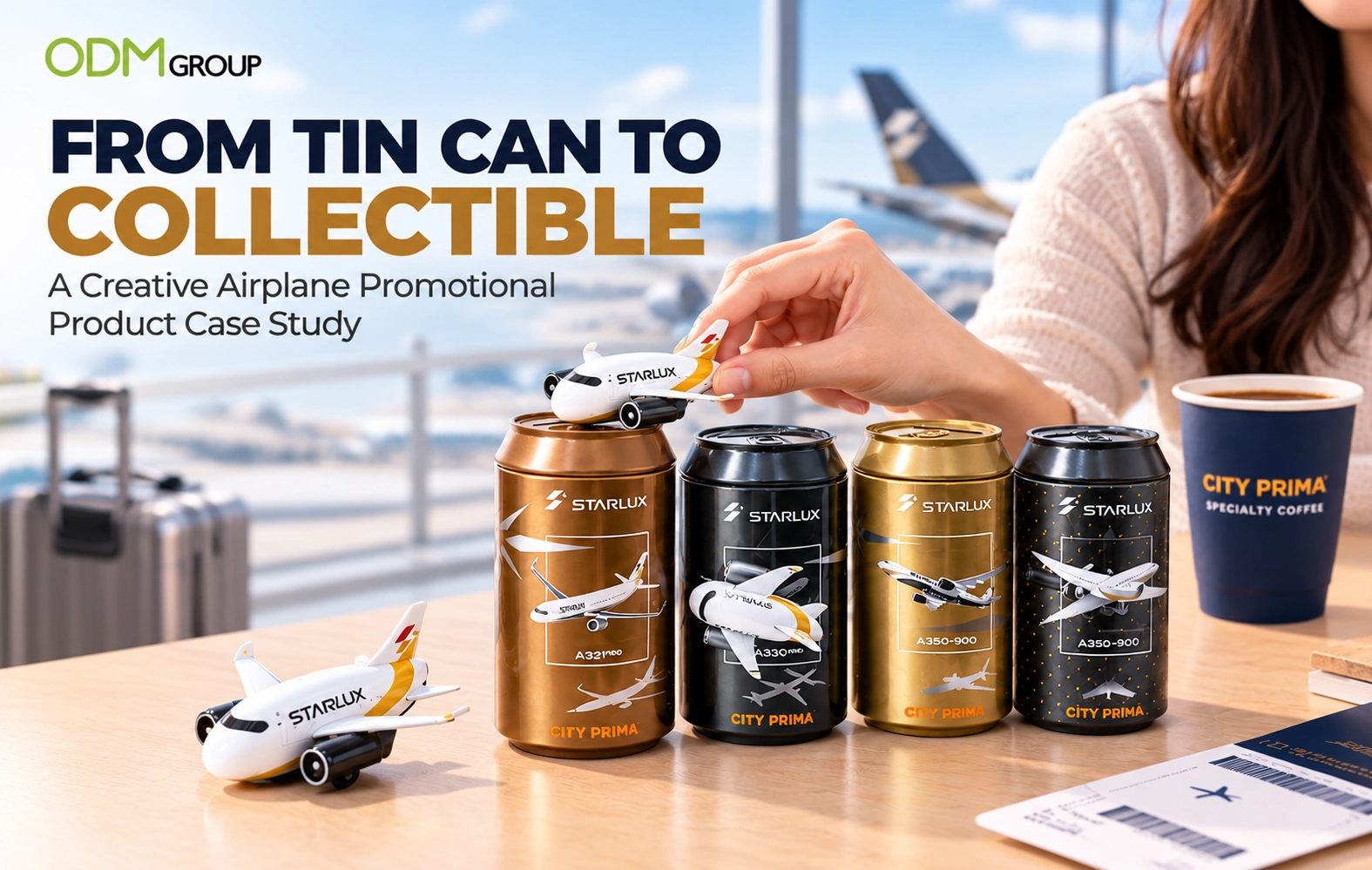
Airplane Promotional Products: How STARLUX Airlines and CITY PRIMA Engage Customers
Airplane promotional products can do more than display a brand [...]
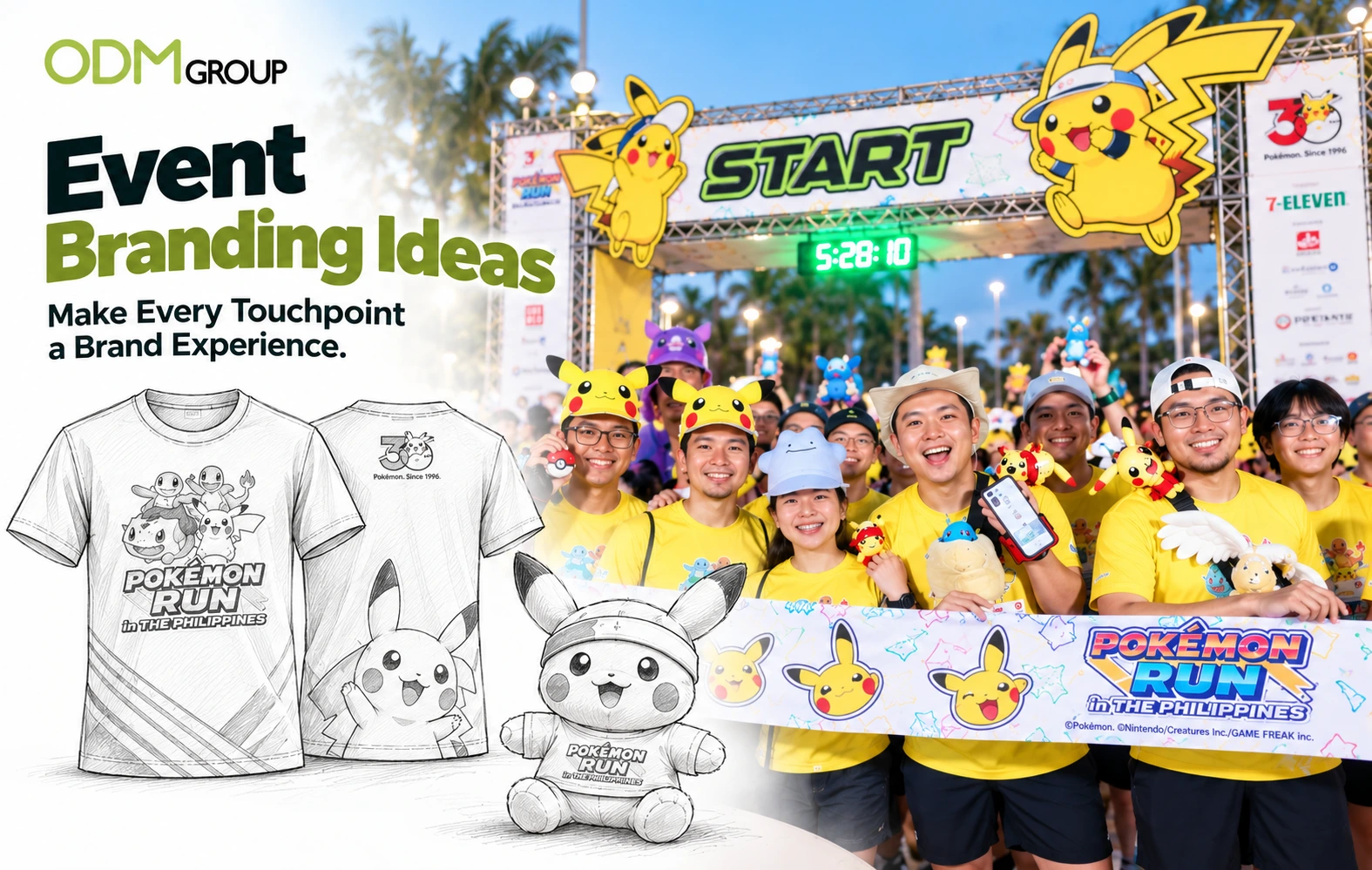
Event Branding Ideas: Make Every Touchpoint a Brand Experience
Event branding ideas turn separate venue elements into one [...]

Waterproof Camping Blanket: Take Your Brand Into the Outdoors
A waterproof camping blanket gives brands a useful role [...]
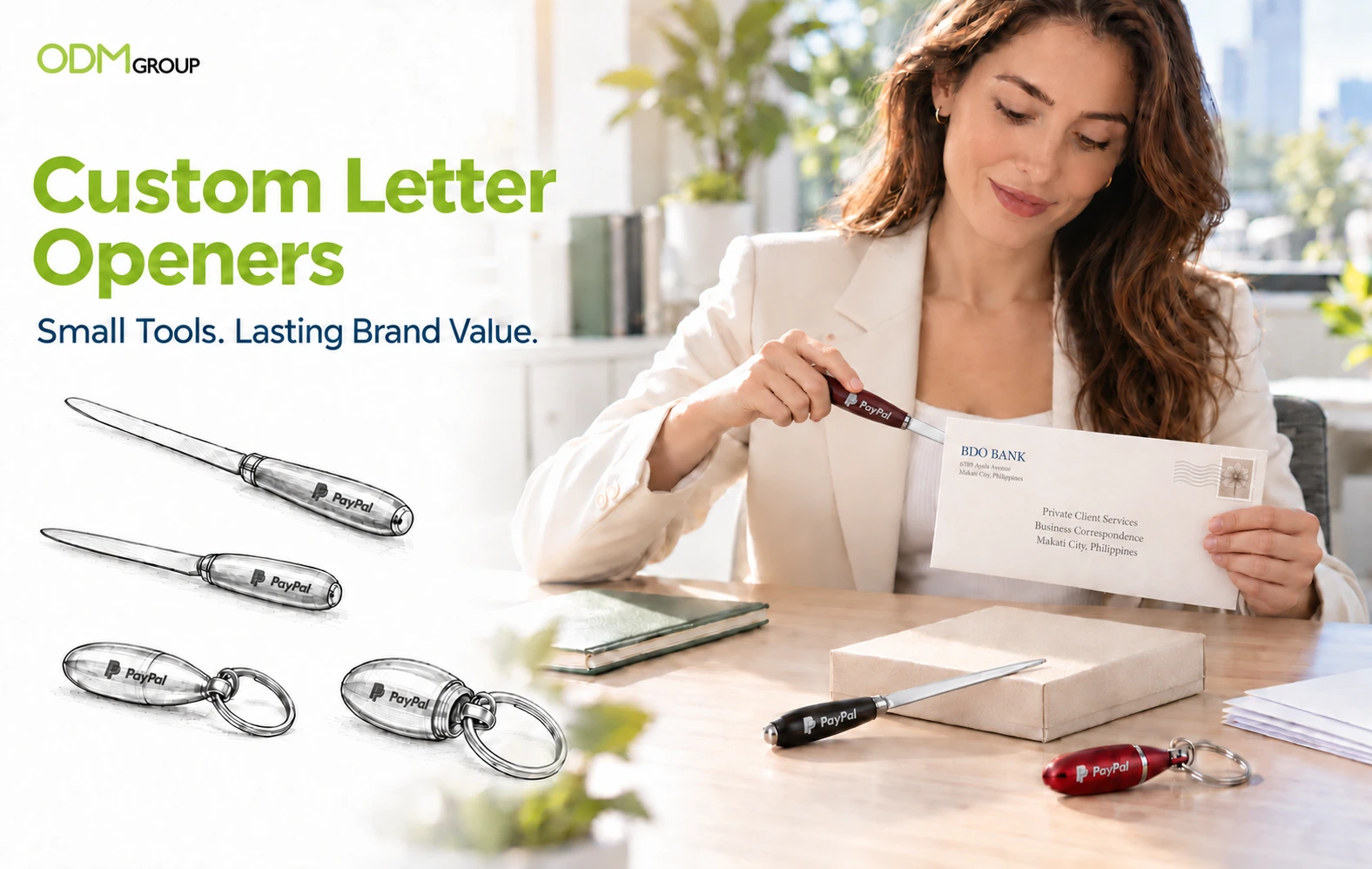
Custom Letter Envelope Opener Ideas for Corporate Gifts
A letter envelope opener may be a simple desk [...]
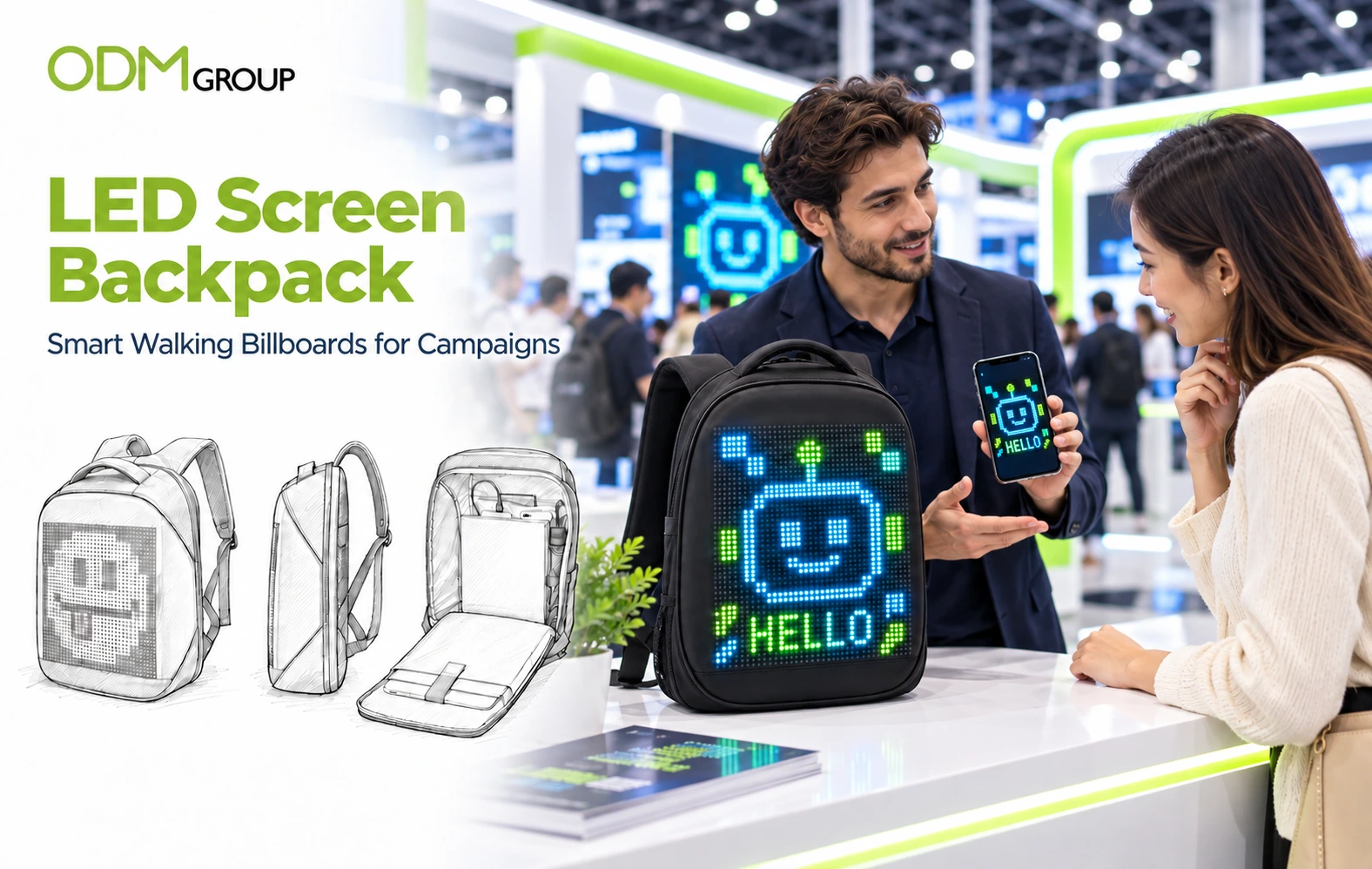
LED Screen Backpack: Smart Walking Billboards for Campaigns
Static outdoor signage and traditional promotional merchandise [...]
What are the top factors to consider when designing a logo? Tap the image below to get the best tips from our super in-house design team!