Drink packaging has a demanding job. It must protect the product, attract attention, communicate value and give customers a reason to choose one bottle over another. For gift sets and promotional campaigns, it may also need to hold accessories, create an unboxing experience and survive international shipping.
That is why the best packaging ideas begin with more than appearance. Materials, structure, usability, production methods and logistics all shape the final result.
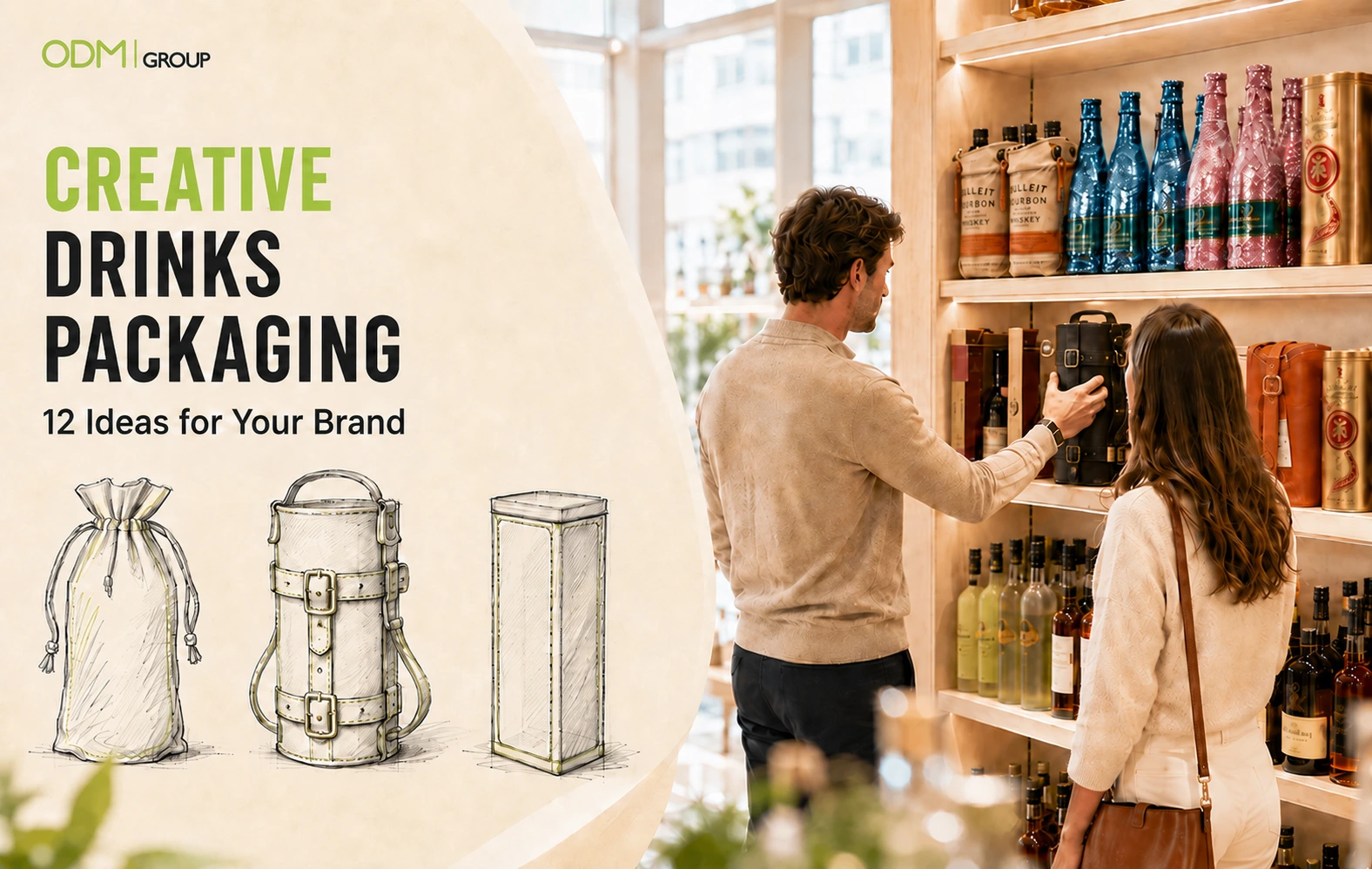
From cloth bottle bags and wooden cases to rigid boxes, leather carriers and metal tins, brands have many ways to create distinctive packaging. The right choice depends on the product, audience, sales channel, campaign objective, and budget.
12 Creative Drinks Packaging Ideas
Here are 12 creative drinks packaging ideas to consider for your next launch or promotion.
1. Cloth Bottle Bags
Cloth creates a softer, more tactile alternative to a conventional carton. A fitted fabric bag can transform a standard bottle into a gift-ready product without changing the primary packaging.
Crown Royal’s purple drawstring bag is a recognizable example. The rich color, embroidered branding and gold cord create a strong premium presentation while keeping the format simple. The bag can also be retained for storing small items, which keeps the brand in use after the drink has been consumed.
Brands can adapt this idea using velvet, cotton, canvas, satin, felt or recycled textiles. Details such as embroidery, woven labels, contrast stitching, metal cord ends and custom closures can create different levels of finish.
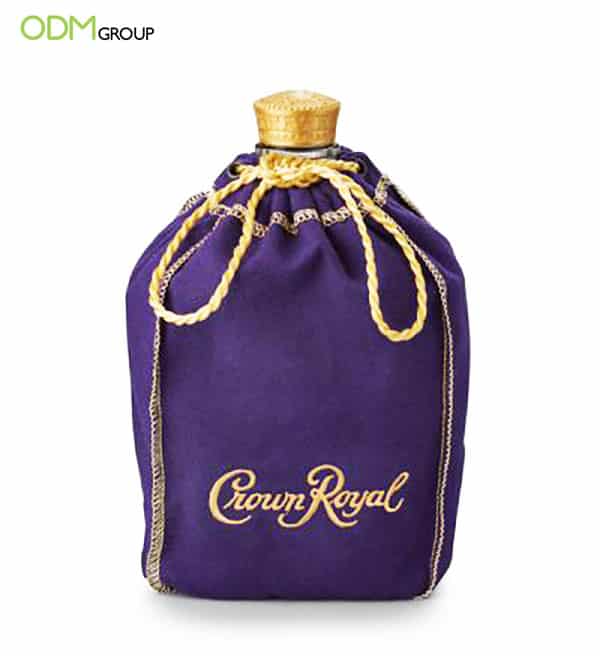
Cloth packaging is especially suitable for:
- Premium spirits and limited editions
- Seasonal gifts
- Travel retail exclusives
- Product launches and media kits
- Bottle-and-accessory promotions
The fabric should be selected for durability, colorfastness, and fit. If the bag is intended to be reusable, it should offer a practical size and construction rather than functioning as a purely decorative sleeve.
2. Burlap and Jute Bottle Bags
Burlap—also known as hessian—and jute can give drink packaging a natural, rustic character. Their visible weave and earthy texture work particularly well for craft beverages, botanical spirits, organic wines, and brands built around provenance or traditional production.
A simple drawstring burlap bag can be customized with screen printing, a woven patch, a leather-look label or a branded wooden tag. For a more refined finish, brands can add a cotton lining, reinforced base, or contrasting cord.

Burlap packaging can support storytelling around harvest, ingredients and craftsmanship, but environmental claims must remain precise. The sustainability of a finished pack depends on its fiber source, dyes, coatings, blended materials and transport—not just its natural appearance.
The material can also shed fibers or feel coarse, so sampling is important. A lined or higher-grade jute fabric may be more appropriate when the bottle has a delicate label or the pack is intended for premium gifting.
3. Wooden Presentation Boxes
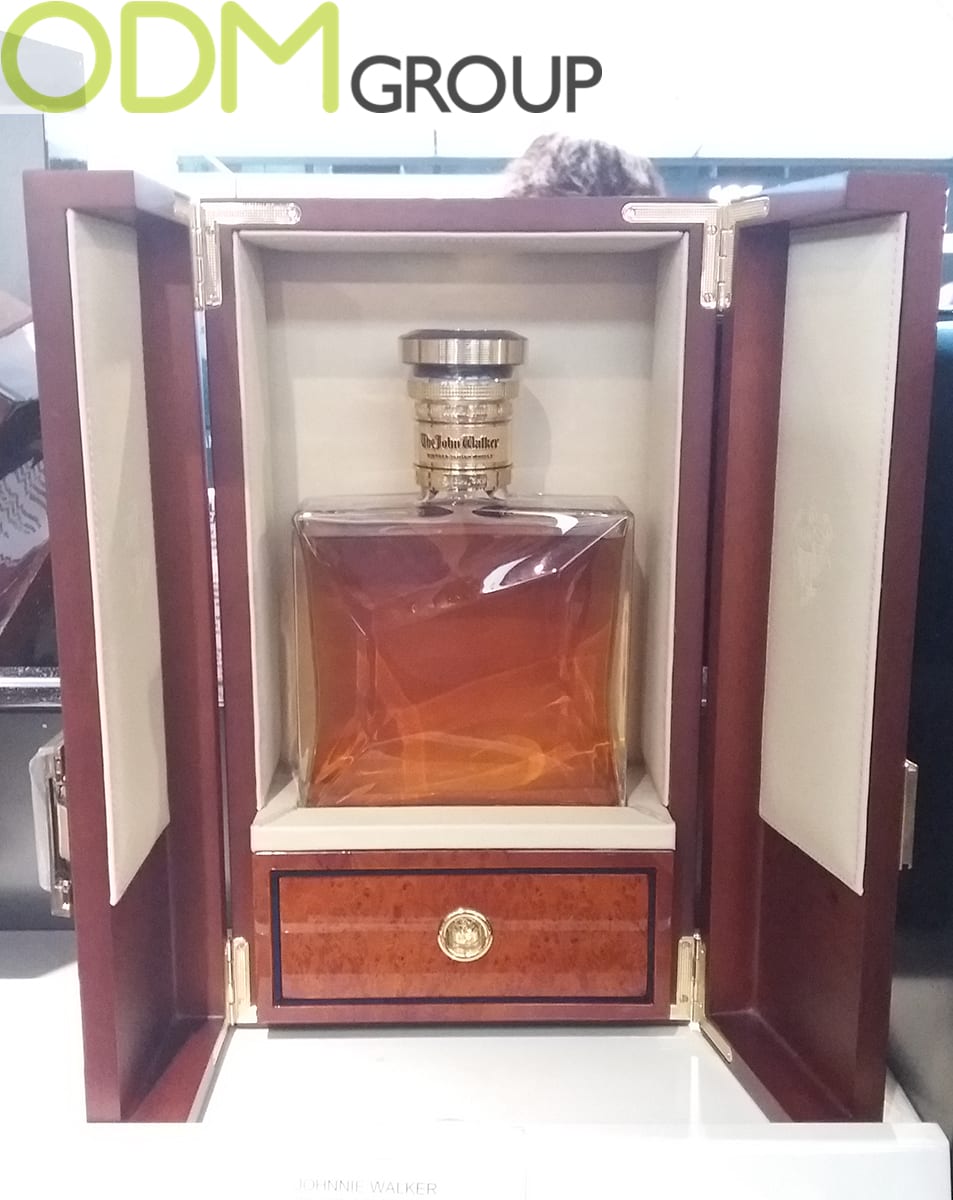
Wooden boxes have long been associated with wine and premium spirits because they convey permanence, craftsmanship and value. They also provide a strong structure for protecting heavier bottles and presenting multiple products.
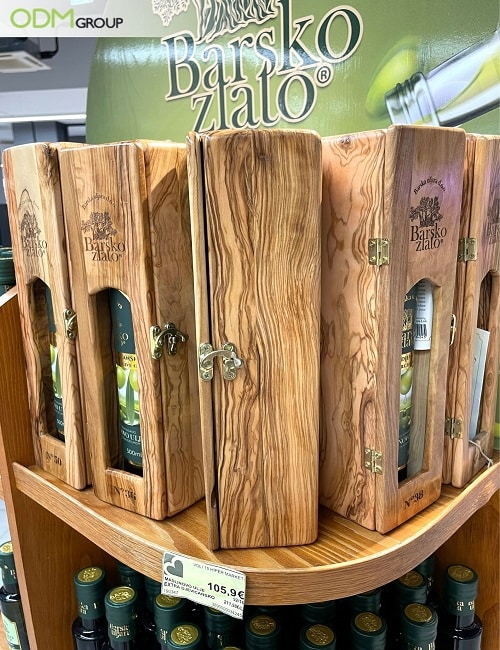
Wooden Box Packaging
Possible formats include:
- A sliding-lid wine box
- A hinged case with metal clasps
- A two-bottle presentation chest
- A display box with a clear window
- A wooden case with a fitted accessory drawer
- A crate-style pack for craft beverages
Branding can be applied through engraving, laser marking, screen printing, metal plaques or branded paper sleeves. Inserts may be made from molded pulp, board, fabric-covered foam or other materials selected according to the product and project requirements.
Wood adds weight and shipping volume, so the structure should be designed efficiently. Hinges, clasps, wall thickness and internal supports also require careful quality checks. If responsible sourcing is part of the brand message, the species, origin and certification of the wood should be confirmed before claims are made.
4. Rigid Gift Boxes
Rigid boxes offer a premium appearance with considerable flexibility. They can accommodate unusual bottle shapes, glassware, tools, recipe cards and promotional gifts while providing a large surface for brand storytelling.
Popular constructions include:
- Lift-off lid boxes
- Book-style magnetic boxes
- Drawer boxes with ribbon pulls
- Double-door presentation boxes
- Collapsible rigid boxes
- Multi-level boxes with concealed compartments
A well-designed rigid box controls the reveal. The bottle may be presented first, followed by an accessory layer or printed story panel. A contrasting interior can create impact as the box opens, while a fitted insert keeps every element in position.
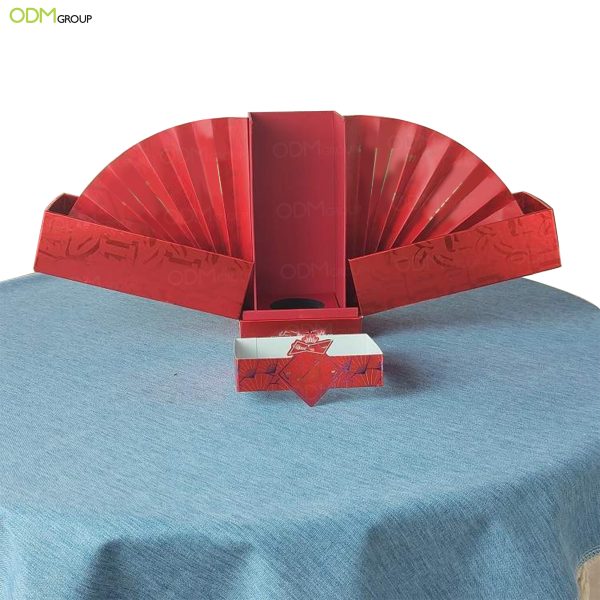
custom rigid boxes
Finishing options include textured paper, foil stamping, embossing, debossing, spot finishes and printed liners. However, premium packaging does not require every finish at once. A restrained combination of material, color and typography often feels more considered than excessive decoration.
Rigid boxes are a strong option for ecommerce gifting, travel retail, corporate programs and limited editions. The design team must still account for pack weight, assembly time, corner strength and transit protection.
5. Leather and Leather-Alternative Cases
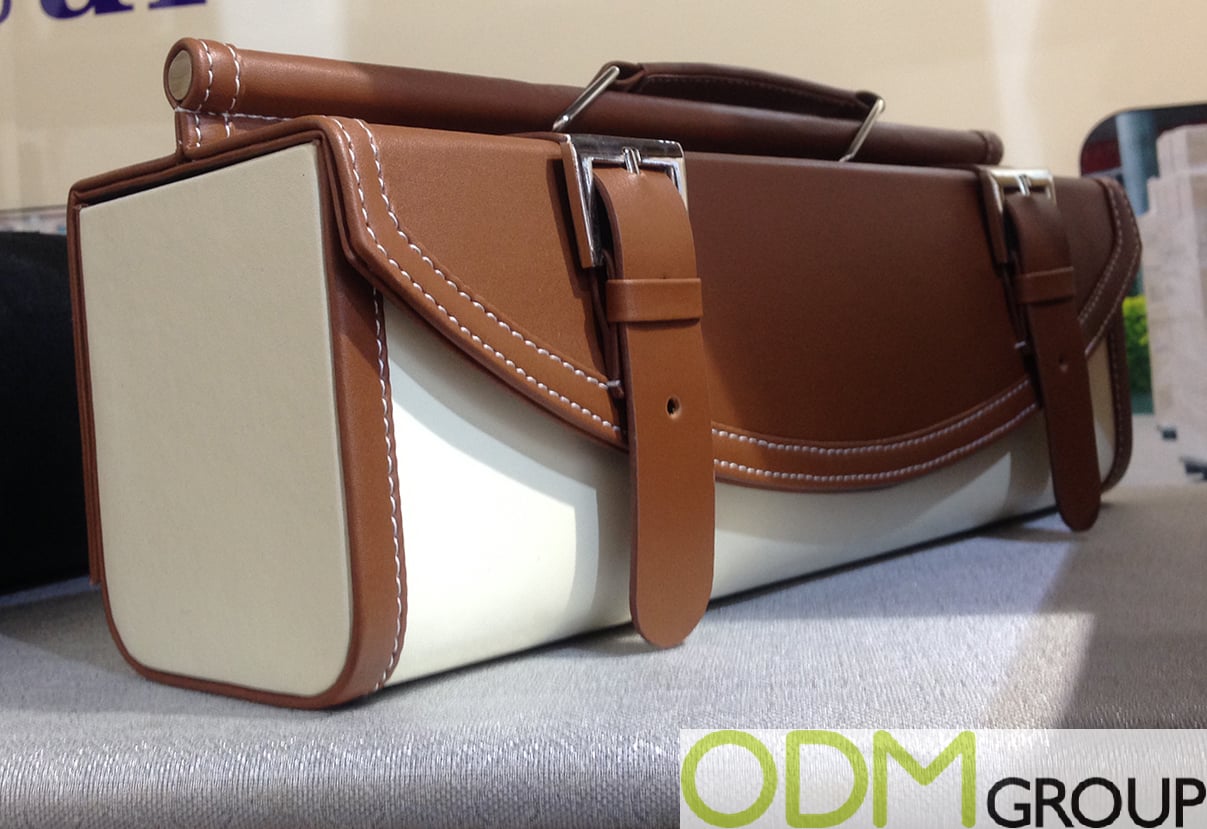
A fitted bottle case can turn packaging into a durable accessory. Leather cases with handles, straps, buckles or zip closures create a travel-inspired presentation that suits premium wine and spirits.
The supplied examples show cylindrical and rectangular cases in dark brown, burgundy and orange, using buckle and handle details to create a distinctive, luggage-like appearance. These structural elements do more than decorate the pack: they communicate portability, protection and long-term use.
Brands can consider genuine leather, recycled leather, plant-based alternatives or synthetic materials depending on positioning, performance requirements and budget. The material description should always be accurate; “vegan,” “recycled” and “plant-based” are specific claims that require verification.
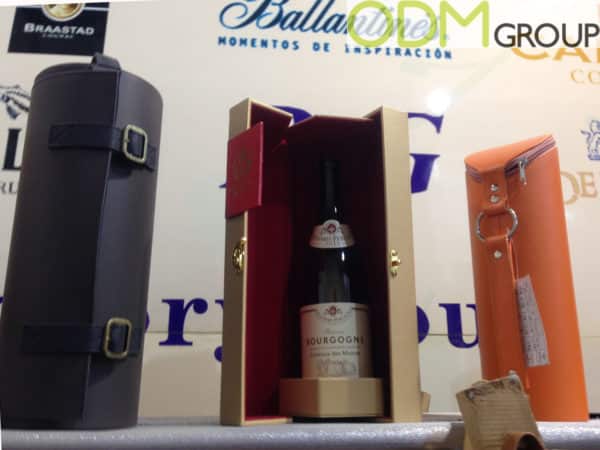
Custom Leather Packaging for Drinks Promotions
Useful design features may include:
- An adjustable or removable carrying strap
- A reinforced handle
- A fitted neck support
- A soft internal lining
- A compartment for a corkscrew or bottle stopper
- An embossed or debossed logo
Because material thickness affects fit and assembly, prototypes should be tested with the final bottle. Stitching, edge finishing, hardware strength and odor are also important quality-control points.
Suggested image: Custom leather and leather-look bottle cases with straps, buckles and handles.
6. Metal Tin Packaging
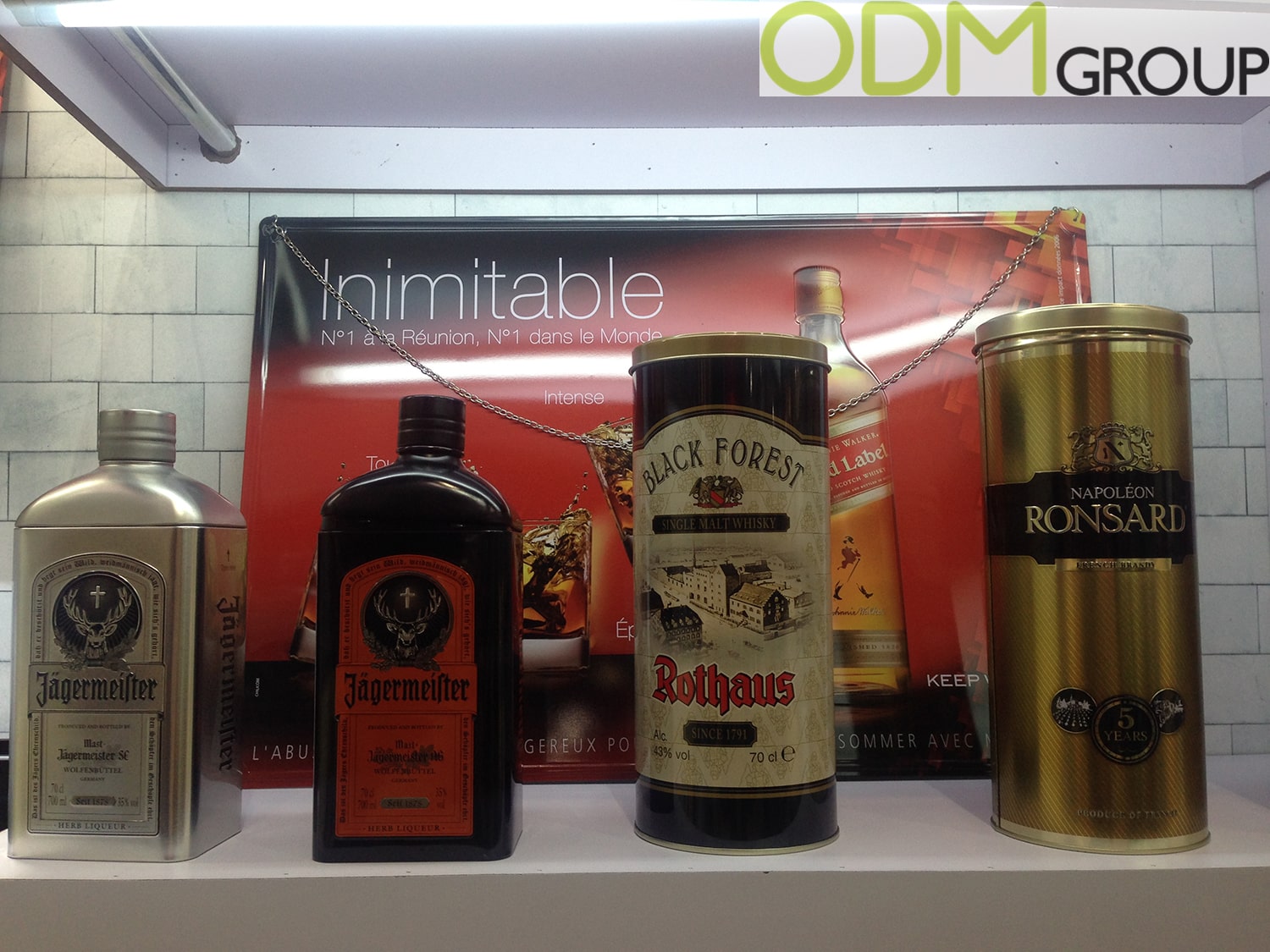
Metal tins create strong shelf presence and offer excellent surfaces for color, illustration and limited-edition artwork. They can also provide better protection from knocks than a lightweight paper carton.
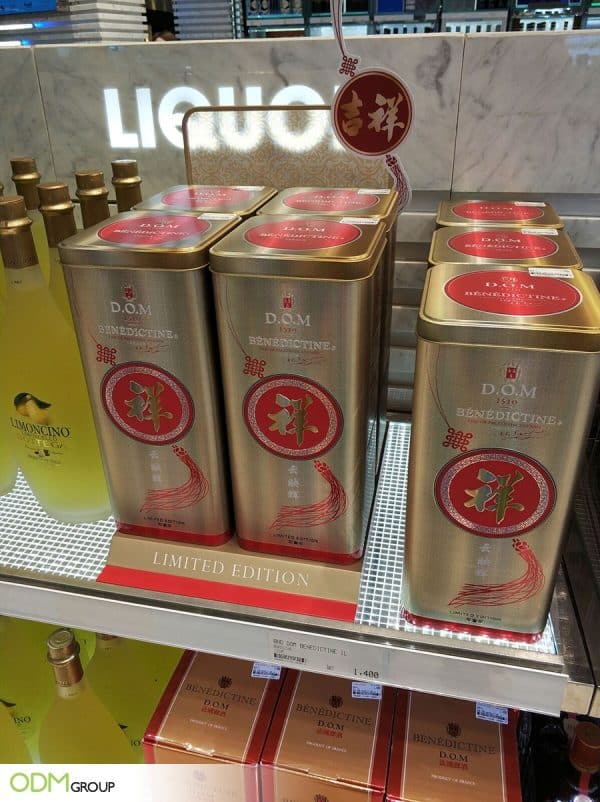
D.O.M. Bénédictine’s tall rectangular tins demonstrate how metal packaging can support a seasonal or culturally themed promotion. The gold-toned surface, red graphic elements and structured form make the product feel collectible while giving the bottle a clear visual identity on the shelf.
Custom Branded Packaging
Tin formats can include:
- Cylindrical bottle tubes
- Rectangular hinged tins
- Embossed single-bottle cases
- Multi-can gift tins
- Tins with viewing windows
- Reusable bar-accessory boxes
Decorative options include embossing, debossing, metallic inks, matte or gloss varnish and printed inner surfaces. A tin can also be shaped or illustrated to resemble a related object, turning the pack into a display piece.
The internal fit is critical. Board, molded pulp or other inserts may be needed to prevent movement and protect the bottle. Brands should also evaluate dent resistance, sharp edges, lid fit and corrosion protection during production.
Suggested image: Limited-edition D.O.M. Bénédictine bottles presented in branded metal tins.
7. Molded Pulp Packaging
Molded pulp can provide a clean, tactile presentation while holding bottles and accessories securely. It is particularly useful for fitted inserts, tasting sets and ecommerce packs where product protection is a priority.
The material can be left in a natural color for an understated appearance or produced in custom shades where technically appropriate. Embossed logos and precisely formed cavities allow the structure itself to carry the branding.
Rather than hiding the insert, designers can make it part of the visual concept. A dark bottle set into a light molded form—or the reverse—can create a strong, minimal presentation without relying on multiple decorative finishes.
Prototypes should be tested for bottle fit, surface abrasion, compression strength and resistance to changes in humidity. Recycling guidance should reflect the complete pack, including coatings, labels, magnets and any additional components.
8. Reusable Canvas Carriers
Canvas packaging is practical, durable and easy to adapt to different campaigns. A padded single-bottle sleeve can become a lunch or picnic accessory, while a two- or four-bottle carrier can support outdoor occasions and retail multipacks.
Useful features might include reinforced handles, internal dividers, an external pocket, a bottle-opener loop or a water-resistant lining. Branding can be added through embroidery, screen printing or woven labels.
The strongest reusable designs do not feel like packaging after the product is removed. They work as standalone items that customers would choose to carry. This often means using restrained branding and investing in comfortable handles, durable seams and a practical closure.
Canvas carriers can work well for wine clubs, brewery promotions, farmers’ markets, corporate gifting and event sponsorships.
9. Paper Tubes and Cylindrical Packs
Paper tubes naturally suit bottles because their form follows the product. They offer a distinctive alternative to rectangular cartons and can create strong shelf visibility with relatively simple construction.
A tube may use a friction-fit lid, metal end caps, a paper shoulder or a telescoping structure. It can be wrapped in printed paper, textured stock or branded fabric depending on the desired finish.
The circular surface encourages designers to think beyond a single front panel. Artwork can wrap around the pack, reveal a continuous landscape or guide the customer through a story as the tube turns.
For practical performance, the tube must be tested for cap security, base strength and bottle movement. A neck support or base insert may be necessary for heavier products.
10. Packaging That Becomes a Bar Accessory
Multifunctional packaging gives customers a reason to keep the pack. Instead of designing a box with no purpose after opening, the structure can become part of the drinking occasion.
Ideas include:
- A box lid that becomes a serving tray
- Coasters integrated into a removable panel
- A bottle sleeve that doubles as an ice-crushing bag
- A wooden case that becomes a tabletop display
- A tin that stores bar tools or cocktail ingredients
- A fabric wrap that converts into a small organizer
The secondary function should be obvious and easy to use. Instructions can be printed inside the lid or communicated through a simple diagram. If conversion requires too many steps, customers are unlikely to use it.
11. Cocktail and Tasting Kits
Packaging can sell an experience rather than a bottle alone. A cocktail kit may combine the drink with a branded glass, jigger, spoon, garnish, mixer and recipe card. A tasting kit can present miniature bottles in a guided sequence with flavor notes or pairing suggestions.
The insert should establish a clear hierarchy so the set does not feel like a collection of unrelated promotional items. Each component needs a purpose and should support the intended serve or tasting journey.
A QR code can extend the experience with a video demonstration, playlist, virtual tasting or campaign landing page. The physical pack should still communicate its value without requiring customers to scan the code.
This format is effective for product education, influencer outreach, corporate gifting and direct-to-consumer promotions.
12. Seasonal and Collectible Packaging
Limited-edition packaging can help a familiar drink feel timely and giftable. Seasonal colors and graphics are the simplest approach, but brands can go further with collectible structures or reusable components.
Ideas include:
- Artist-designed bottle sleeves
- Numbered metal tins
- Chinese New Year presentation boxes
- Christmas ornaments or bottle charms
- Festival-themed fabric bags
- Gift boxes with interchangeable decorative bands
- Illustrated coasters released as a series
Babycham’s sequined sleeves and turquoise gift box provide one brief example. Reflective materials matched the sparkling product and celebratory positioning, while the inclusion of a branded glass and seasonal bauble turned the pack into a complete gift set.
The broader lesson is to make the seasonal feature relevant. A promotional item should connect clearly to the product, occasion or drinking ritual rather than being included simply to increase the number of items in the box.
How to Select the Right Drinks Packaging Material
Material choice affects much more than appearance. Before committing to cloth, wood, rigid board, leather, metal or burlap, evaluate the complete journey from factory to customer.
Brand positioning
Does the material express the right qualities? Velvet may suggest ceremony and luxury, burlap can communicate rustic craft, metal can feel collectible, and wood can convey heritage. These are useful associations, but execution determines whether the result feels authentic.
Product protection
The pack must support the bottle at its base, body and neck where required. Heavy or unusually shaped bottles may need custom inserts and reinforced structures. Ecommerce packs require different testing from products shipped to retail in master cartons.
Production quantity and budget
Some formats require tooling, molds or extensive hand assembly. Others can be adapted more easily for smaller promotional runs. Minimum order quantities, setup costs and labor should be considered during concept development—not after the design is approved.
Decoration and branding
Every material supports different branding methods. Embroidery works well on cloth, engraving suits wood, embossing can elevate metal or leather, and foil stamping is effective on rigid boxes. The selected technique must reproduce the artwork consistently at production scale.
Logistics
Weight, dimensions and pack-out efficiency influence shipping costs. A beautiful wooden box may be appropriate for a premium program but inefficient for a high-volume international campaign. Collapsible structures, nested components and optimized master cartons can improve logistics.
End of life
Reusable does not automatically mean sustainable, and a natural-looking material is not automatically low impact. Consider how likely the customer is to reuse the item, whether materials can be separated and how the pack should be disposed of in its destination market.
Environmental claims should be specific, supportable and appropriate to the complete construction.
Why Prototyping Matters
Packaging can look convincing in a digital rendering and still fail in production. A prototype allows the team to assess the points customers will actually notice: scale, weight, texture, color, fit, opening sequence and perceived quality.
It also exposes technical issues early. A drawstring may not close around the bottle neck. A leather case may be too tight after lining is added. A wooden lid may distort. A metal tin may allow the bottle to move in transit. A rigid box magnet may not be strong enough once wrapping material is applied.
Testing and refinement at the prototype stage are far less costly than correcting a problem after mass production begins.
How ODM Supports Drinks Packaging Development
Creative packaging requires design thinking, manufacturing knowledge and careful execution. ODM works as a partner agency across the entire development process, helping brands move from an initial idea to finished packaging delivered to the required destination.
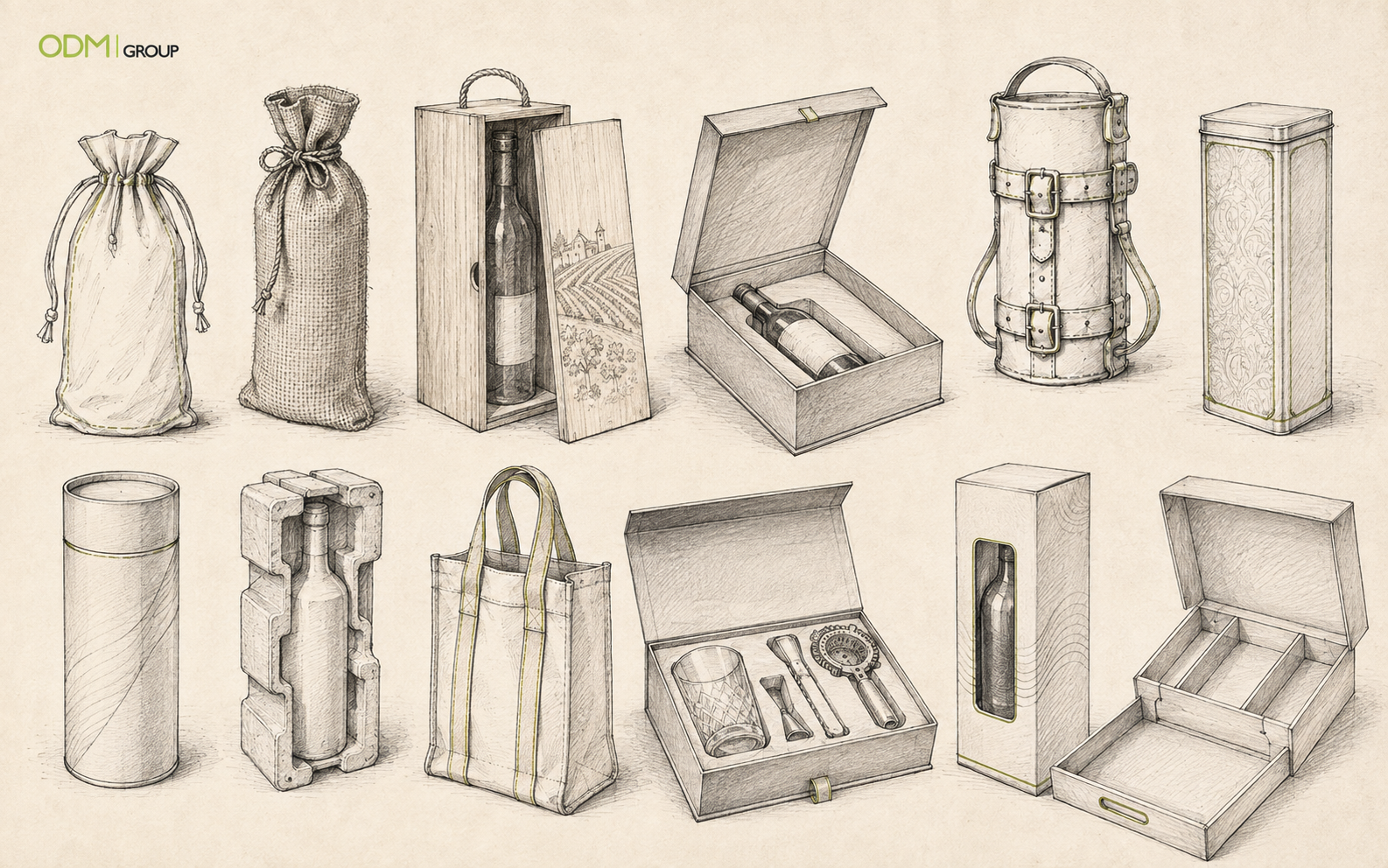
Packaging sketches and concept development
ODM translates the brief into initial sketches and visual directions. At this stage, the team explores materials, structures, opening mechanisms, product placement and possible promotional components.
Sketching several routes allows brands to compare ideas before investing in detailed engineering or artwork.
Structural and packaging design
Once a direction is selected, ODM develops the packaging structure and brand presentation. This may include dielines, inserts, closures, handles, windows, artwork placement and finishing specifications.
The design is considered in relation to manufacturing, assembly, product protection and logistics—not only how it appears on screen.
Material sourcing
ODM can source cloth, burlap, wood, rigid board, leather alternatives, metal, molded pulp and other materials according to the brief. Samples help the team compare color, texture, thickness, performance and branding options before final selection.
Prototyping
A physical prototype allows the brand to review the complete presentation using the actual bottle and accessories. Fit, opening experience, material quality and branding can then be refined before production approval.
Production and quality control
During manufacturing, ODM coordinates production and quality control against approved specifications. Checks may include dimensions, material consistency, color, print registration, stitching, hardware, finishing, assembly and product fit.
Packaging is also assessed for visible defects and structural issues that could affect presentation or performance.
Logistics and delivery
ODM supports carton planning, freight coordination, documentation and delivery scheduling. Considering logistics during design can help reduce wasted space, improve protection and prevent last-minute complications.
This end-to-end approach gives brands one partner across creative development, sourcing, production, QC and international delivery.
Build Packaging Customers Want to Pick Up—and Keep
Creative drinks packaging is not limited to a printed cardboard box. Cloth, burlap, wood, rigid board, leather, metal and molded materials each offer different ways to express a brand and enhance the product experience.
The strongest solution balances originality with practical performance. It attracts attention, protects the product, supports the campaign and makes sense to manufacture and ship.
Planning a new bottle presentation, gift set or promotional pack? ODM can help with packaging sketches, design, material sourcing, prototyping, production, quality control and logistics. Contact our team to develop a packaging concept built for both brand impact and real-world delivery.
More Product Ideas


Frequently Asked Questions
What information should be included in a packaging brief?
A useful brief should identify the drink, bottle dimensions and weight, target customer, sales channel, campaign objective, preferred materials, branding requirements, quantity, budget range, delivery location and required launch date. It should also list every item the pack must contain, such as glassware, bar tools or promotional gifts.
What determines the minimum order quantity?
Minimum order quantity, or MOQ, depends on the material, construction, decoration method and factory setup. Printed cartons and fabric bags may have different minimums from metal tins, molded pulp inserts or wooden cases. Custom colors, hardware and tooling can increase the required quantity.
How much does custom drinks packaging cost?
The unit cost is influenced by order quantity, size, material, structure, number of components, decoration, tooling, assembly, testing and shipping volume. A compact paper tube with one-color printing will have a different cost profile from a hand-assembled rigid box containing glassware and metal accessories.
Which packaging material is best for a premium drink?
There is no single premium material. Rigid board can create a refined unboxing experience, wood can suggest heritage, metal can feel collectible, and cloth or leather can add tactility and reuse value. The best material is the one that supports the brand position while meeting protection, budget and logistics requirements.
What to Read Next?
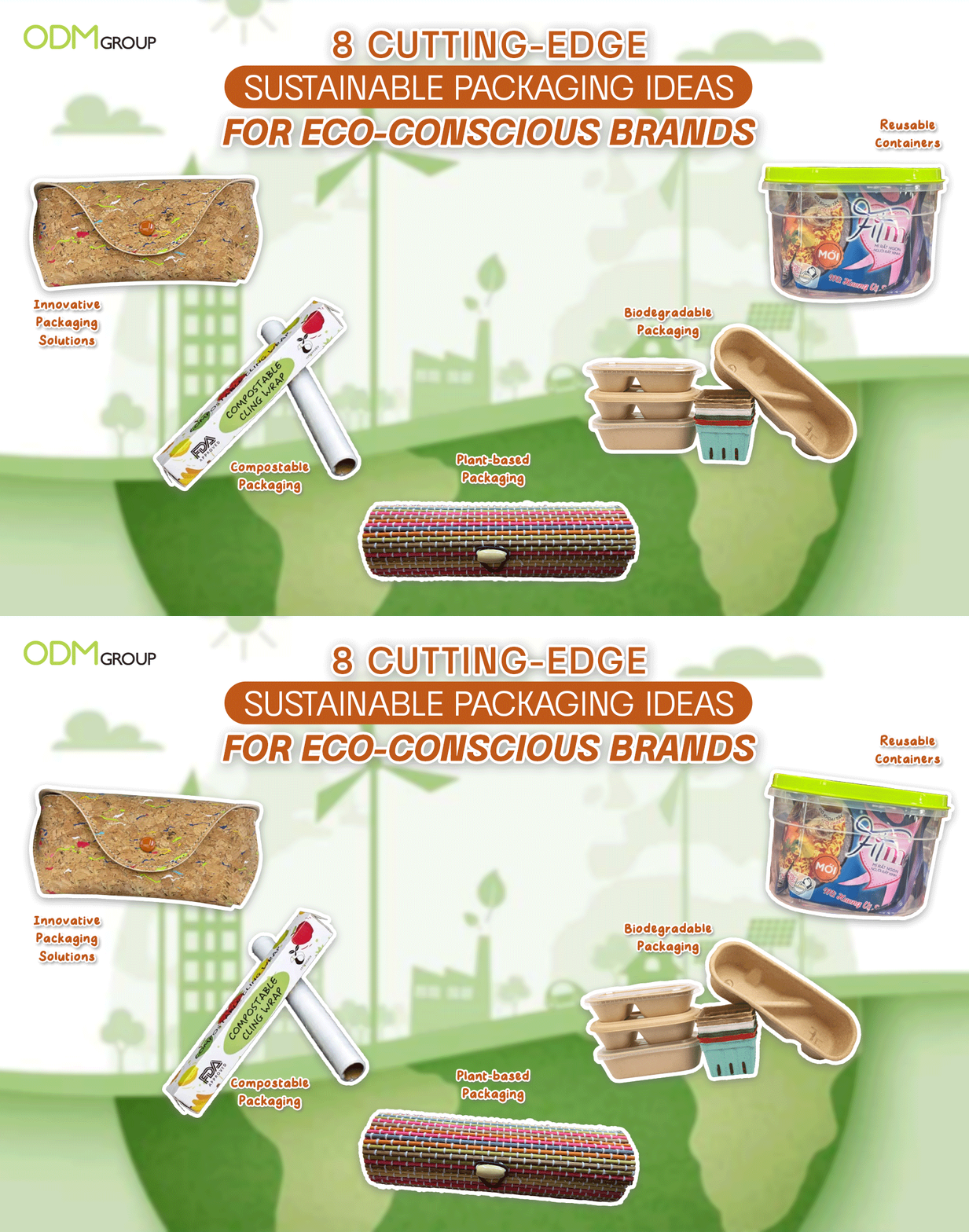
8 Cutting-Edge Sustainable Packaging Ideas for Eco-Conscious Brands
Shifting to sustainable packaging ideas is a great start [...]
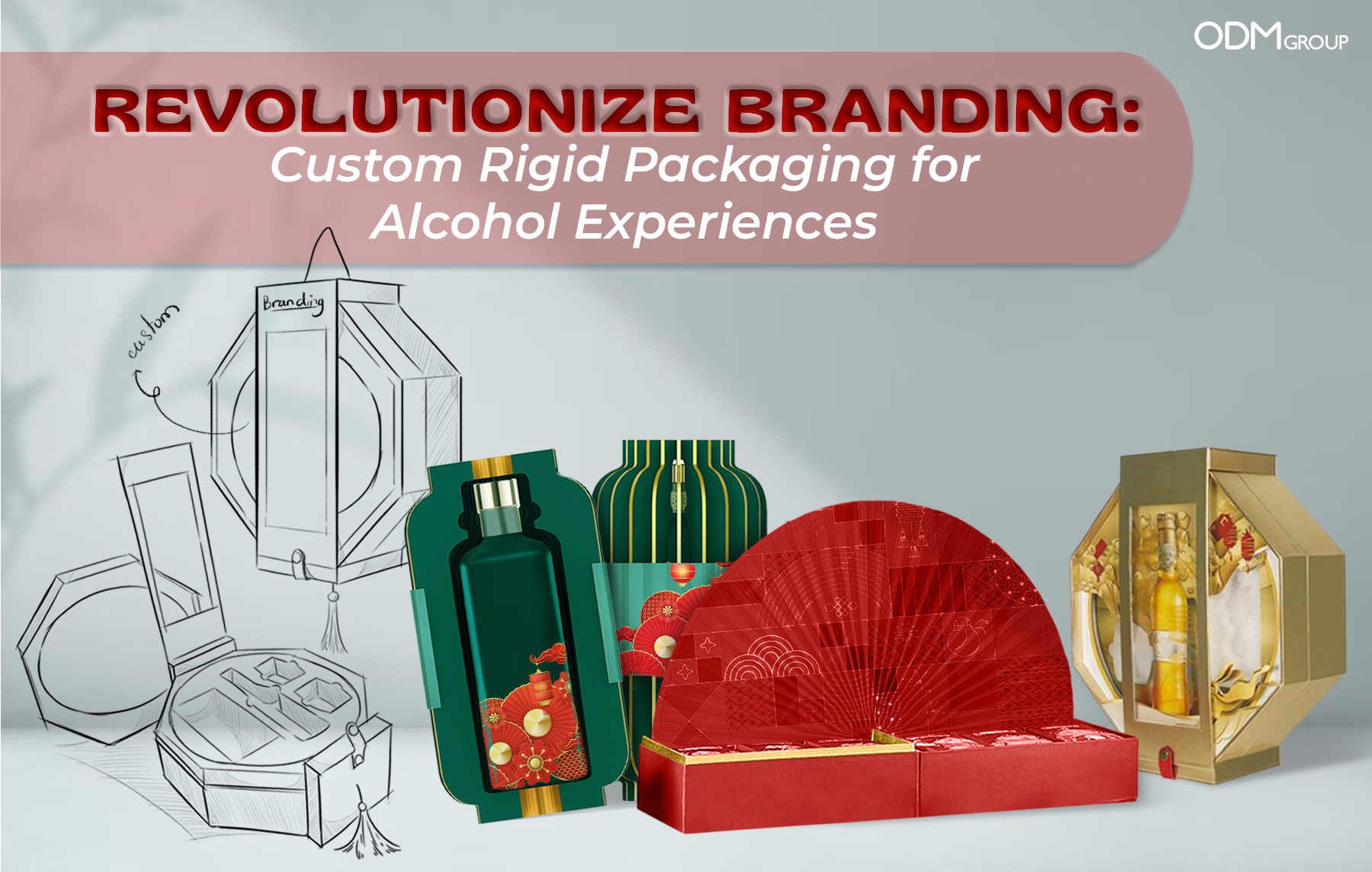
Custom Rigid Boxes: Innovative Packaging Solutions in Beverage Industry
Custom rigid boxes, known for their strong build and [...]
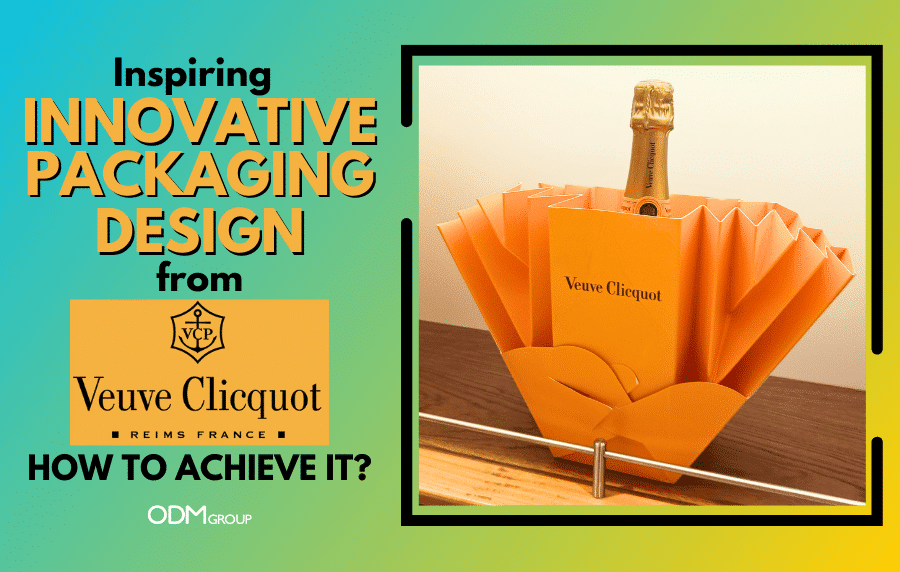
How Can Packaging Design Innovation Benefit Your Business?
In today's highly competitive market, brands must find ways [...]
5 Guide Questions to Craft Enticing Wine Gift Box Packaging
Product packaging informs consumers a lot about the brand [...]
3 Ways Chivas Elevates Marketing With Premium Gift Box Ideas
Chivas is indeed one of the most popular whiskey [...]
5 Reasons Rampur’s Whiskey Bottle Packaging Stand Out In-Store
Whiskey bottle packaging comes in different forms. They are [...]