
The most effective custom keychain design ideas go beyond placing a logo on a standard plastic tag. They turn a small accessory into something useful, collectible, interactive, or visually connected to the product being promoted.
Keychains can support gift-with-purchase campaigns, product launches, retail promotions, loyalty programs, events, travel campaigns, and limited-edition merchandise. Their compact size makes them easy to distribute, while their everyday use can keep the brand visible on keys, bags, backpacks, luggage, and personal accessories.
However, a keychain only earns that visibility when customers genuinely want to keep it. The concept, material, function, attachment mechanism, and packaging must all work together to create value.
Why Brands Continue to Use Custom Keychains
Keychains remain relevant because they offer more creative flexibility than their size might suggest.
They Move Beyond the Point of Sale
A retail display reaches customers while they are shopping. A keychain can continue traveling with them after the purchase.
When attached to a handbag, backpack, luggage case, or key set, it gives the brand an opportunity to remain part of the customer’s daily routine.
They Can Increase Perceived Value
A well-designed gift can make the main product feel more complete. This is especially useful when brands want to strengthen an existing package without dramatically increasing its physical size.
The perceived value does not come from the keychain simply being free. It comes from giving customers something attractive, useful, or collectible.
They Work Across Multiple Campaign Formats
Custom keychains can be used as:
- Gifts with purchase
- Purchase-with-purchase offers
- Event giveaways
- Loyalty rewards
- Retail collectibles
- Product launch merchandise
- Membership accessories
- Influencer kit components
- Travel souvenirs
- Seasonal gifts
The same product category can therefore be adapted to very different audiences and distribution channels.
They Encourage Collection
Multiple characters, colors, destinations, symbols, or product variations can be released as a series. This gives customers a reason to engage with the campaign more than once.
Collectibility works particularly well for entertainment properties, sports events, food brands, tourism campaigns, and limited-edition product launches.
A Minions Keychain Promotion in Duty-Free Retail
A Minions fragrance set featured in a duty-free catalog offers a strong example of how a character keychain can improve a promotional package.
Customers purchasing a 50 ml bottle of Minions Eau de Toilette received a complimentary Minions keychain. The fragrance and keychain were presented together in a colorful retail box, turning a simple fragrance purchase into a more complete gift set.
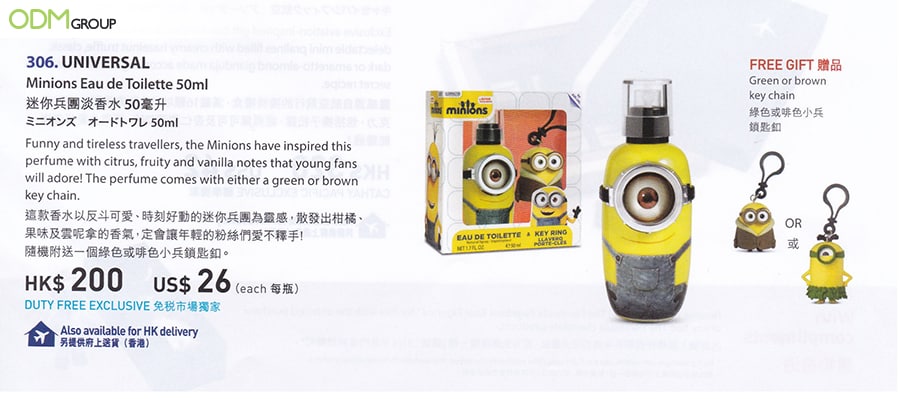
Minion Custom Keychain Design Scores Big in Duty Free
Customers could choose between two Minion character designs. This element of choice made the promotion more engaging and introduced a collectible quality to the offer.
The keychain also extended the theme of the fragrance beyond the original product. While the perfume would eventually be used, the character accessory could remain attached to a school bag, travel case, or set of keys.
For duty-free shoppers, the format was particularly relevant. The set was compact, familiar, easy to carry, and suitable as a travel gift. Rather than treating the keychain as an unrelated free item, the campaign connected the character, product, packaging, and gifting occasion.
This is the central principle behind successful promotional keychains: the accessory should strengthen the main product experience.
Custom Keychain Design Ideas for Modern Campaigns
The following ideas demonstrate how brands can develop keychains around different customer interests, campaign goals, and levels of functionality.
1. Character and Mascot Keychains
Character keychains are ideal for entertainment brands, sports teams, children’s products, licensed properties, and brands with recognizable mascots.
The Minions example shows how a three-dimensional character can become an extension of the main product. The same approach can be applied to movie characters, animated brand ambassadors, sports mascots, or original campaign personalities.
Character keychains may be produced in soft PVC, molded plastic, silicone, plush fabric, metal, or a combination of materials. The design can also include clothing, accessories, facial expressions, and campaign-specific details.
A football campaign, for example, could develop a mascot keychain alongside a miniature trophy and branded strap. This creates a more complete collectible set than a single flat logo charm.
The key design challenge is simplification. Small products cannot reproduce every detail from a full-sized character. Sketch development and 3D modeling help identify which features are essential for recognition.
2. Plush Keychains and Bag Charms
Plush keychains bring softness, personality, and emotional appeal to promotional merchandise.
Brands can turn animals, mascots, characters, or product icons into miniature plush accessories. Outfits can be customized with embroidered logos, campaign colors, national flags, team uniforms, or seasonal themes.
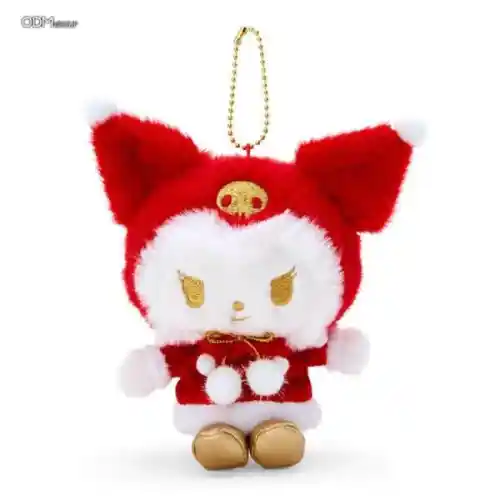
A branded teddy bear keychain, for example, can carry a miniature T-shirt featuring the company logo. Entertainment properties can take the idea further with detailed character outfits and limited-edition designs.
Plush keychains are especially relevant for:
- Family-focused promotions
- Entertainment merchandise
- Tourism campaigns
- Seasonal collections
- Charity campaigns
- School promotions
- Lifestyle and fashion brands
Because plush products can become bulky, the design team must carefully balance size, softness, embroidery detail, and portability.
3. Light-Up Keychains
Light-up keychains combine decorative design with a practical feature.
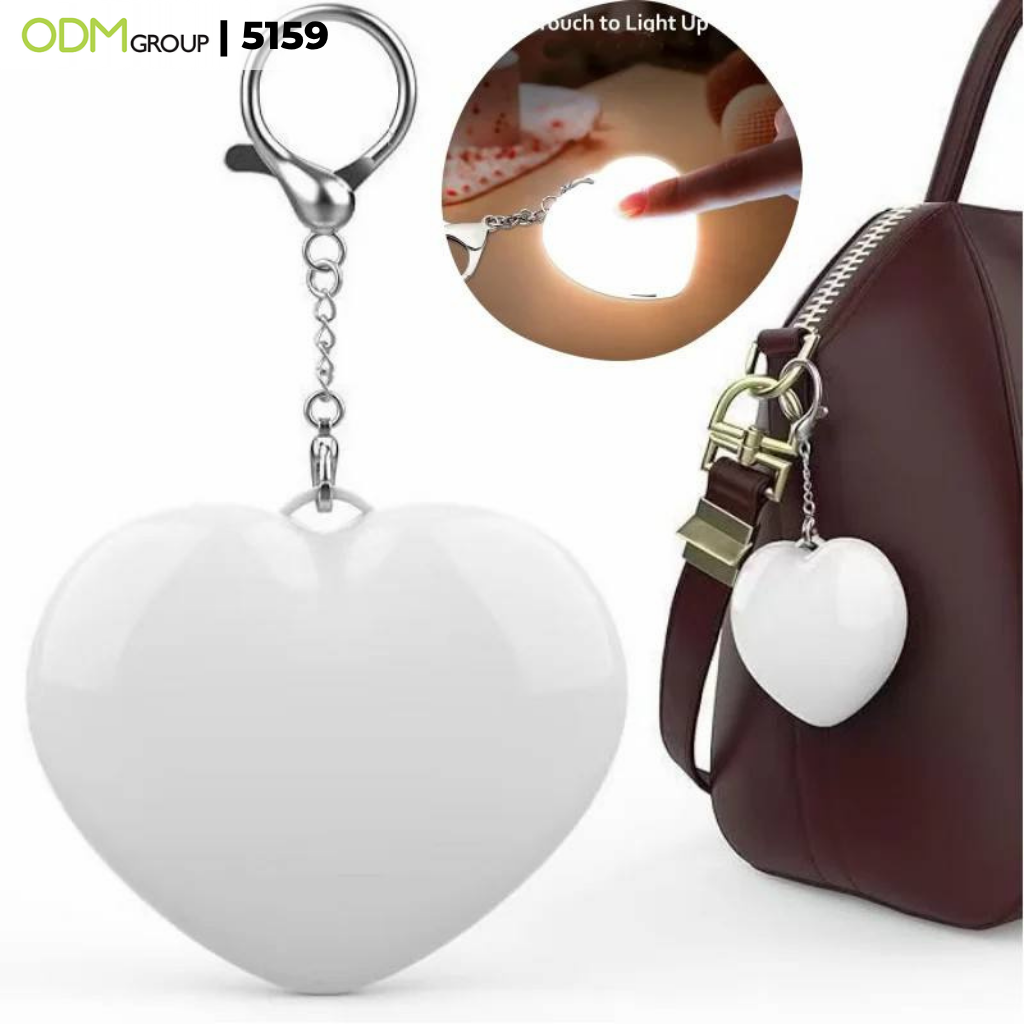
A touch-activated heart light, for instance, can be attached to a handbag and used when searching inside a dark compartment. Similar designs can be developed as brand icons, product silhouettes, geometric shapes, or campaign symbols.
Possible applications include:
- Bag lights
- Mini flashlights
- Safety lights
- Reflective accessories
- Event illumination
- Emergency visibility tools
This type of keychain can work well for travel, automotive, outdoor, beauty, safety, and lifestyle campaigns.
The lighting effect should be integrated into the concept rather than added as an afterthought. The activation method, battery compartment, light intensity, weight, and attachment point all need to be considered during development.
4. Personal Safety Keychains
Personal safety products can create a stronger reason for customers to keep and carry a keychain.
One example is a compact personal alarm designed with a pull pin or button. The product can be attached to a bag, a belt loop, a school backpack, or a set of keys.

Branded Keychain with Alarm
Safety keychains may include:
- Personal alarms
- Emergency lights
- Reflective elements
- Whistles
- Location information tags
- Compact door alarms
These ideas may suit universities, transportation providers, travel brands, insurance companies, wellness programs, and organizations running public safety campaigns.
The design should remain simple and intuitive. Instructions must be clear, particularly when the product is distributed to younger users or broad public audiences.
Packaging also plays an important role. A backing card or small box can explain how the product works and when to use it.
5. Miniature Product and Building Replicas
Some of the most distinctive custom keychain design ideas are based on recognizable products, packaging, places, or structures.
A real estate company could turn a house or property development into a miniature keychain. A beverage company could reproduce its bottle or can. A beauty brand might create a miniature perfume bottle, lipstick, or compact.
Other possibilities include:
- Retail packaging replicas
- Branded vehicles
- Storefronts
- Landmarks
- Hotel buildings
- Appliances
- Shoes and apparel
- Food products
- Tools or equipment
This approach allows the product itself to become the branding. Customers can recognize the company through the object’s shape, colors, and design details without relying entirely on a printed logo.
Three-dimensional modeling is particularly valuable for replica keychains. It helps the development team review scale, thickness, angles, surface details, and component placement before producing a physical prototype.
6. Functional Utility Keychains
Utility gives customers an immediate reason to keep a promotional item.
A house-shaped keychain, for example, could include a small measuring tool, light, cleaning accessory, or other feature related to property ownership. The exterior design connects with the campaign, while the function increases everyday relevance.
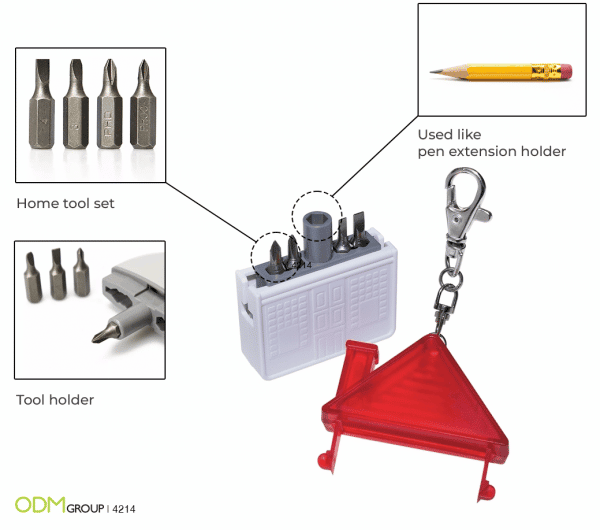
Customized Utility Keychain
Other functional options include:
- Bottle openers
- Measuring tapes
- Phone stands
- Shopping cart tokens
- Cable organizers
- Mini mirrors
- Screwdriver tools
- Luggage tags
- Coin holders
- Cleaning tools
The feature should relate naturally to the brand. A bottle opener fits a beverage campaign, while a measuring tool may support construction, home improvement, property, or furniture brands.
Adding too many features can make a small product confusing or difficult to carry. A focused function is often more effective than a complicated multi-tool.
7. Interactive Novelty Keychains
Interactive keychains create moments of discovery and play.
A miniature fortune-telling ball, for example, can display a message when the customer presses, shakes, or turns it. This transforms the keychain into an object people can demonstrate and share with others.

Other interactive ideas might include:
- Rotating components
- Sliding messages
- Push-button effects
- Spinning wheels
- Sound modules
- Pop-up elements
- Mini puzzles
- Reveal windows
- Color-changing surfaces
These concepts can support entertainment campaigns, product launches, events, gaming brands, youth marketing, and experiential promotions.
The interaction should be easy to understand within a few seconds. Customers are less likely to use an item when the mechanism requires complicated instructions.
8. NFC and Digital Keychains
Keychains can also connect customers to digital content.
An NFC-enabled keychain may open a webpage, membership profile, digital business card, loyalty program, campaign video, event schedule, or product authentication page when tapped against a compatible phone.
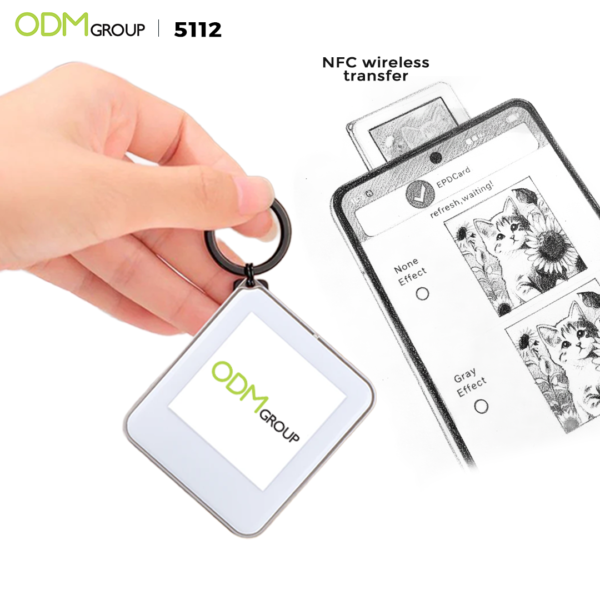
More advanced concepts can include a small electronic display. Customers may be able to transfer a selected image or message to the keychain, turning it into a customizable digital accessory.
Potential applications include:
- Digital membership cards
- Event access information
- Loyalty programs
- Contact sharing
- Product authentication
- Tourist information
- Digital collectibles
- Personalized photo displays
The physical product should still feel worthwhile even when the digital content is not being accessed. The technology should enhance the experience rather than become the only reason the item exists.
Brands must also plan the post-tap experience carefully. Sending customers to a generic homepage wastes the potential of a connected promotional product.
9. Beauty Keychains and Fashion Bag Charms
Beauty brands can transform keychains into accessories that carry a usable product.
Solid perfume charms are one example. A small decorative case can open to reveal fragrance balm, while the exterior resembles jewelry or a premium bag accessory. Other beauty-related options may include lip balm, compact mirrors, fragrance capsules, or small cosmetic containers.
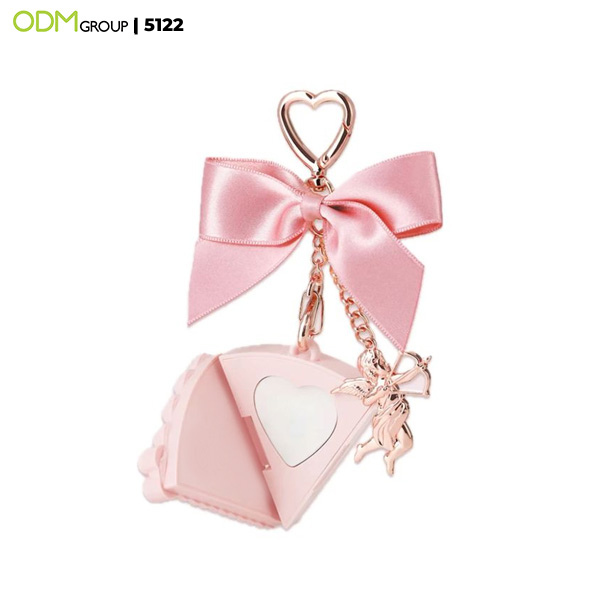
Decorative elements could include:
- Metallic finishes
- Gemstone effects
- Tassels
- Engraved charms
- Sculpted animals
- Product-inspired shapes
- Enamel brand emblems
These products can support fragrance launches, beauty gift sets, department store promotions, travel retail, loyalty programs, and influencer campaigns.
The packaging should match the premium nature of the concept. A simple plastic bag may weaken the presentation, while a fitted box, velvet pouch, or printed insert can reinforce the gift value.
10. Sports and Event Keychain Sets
Sports campaigns offer strong opportunities for themed collections.
A keychain set could combine a player or mascot, event trophy, ball, team strap, or location symbol. Individual designs may also be released at different stages of a tournament.
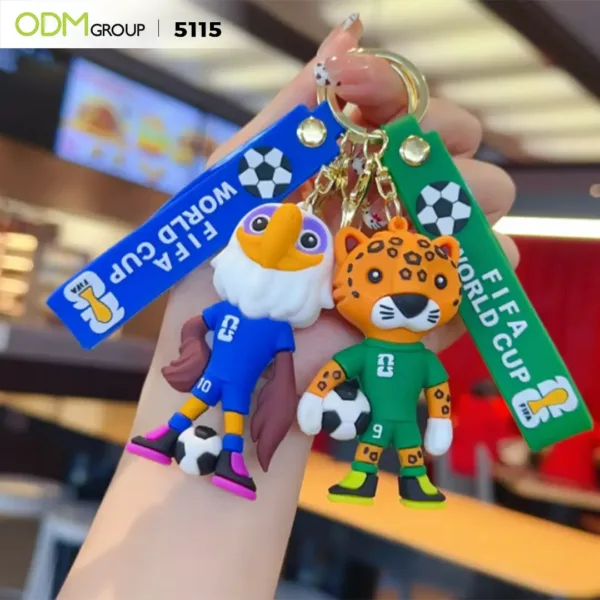
Possible themes include:
- Team colors
- Player numbers
- Match locations
- Tournament trophies
- National symbols
- Stadium silhouettes
- Commemorative dates
Rather than creating a generic sports giveaway, brands can use the keychain to capture a specific event moment. Limited availability can make the product feel more like memorabilia.
Selecting the Right Keychain Concept
A custom keychain should begin with the campaign objective, not the product format.
Before developing a concept, consider:
Who will receive it?
A plush character may appeal to families, while a premium metal or beauty charm may be better suited to an adult lifestyle audience.
Where will it be distributed?
Products for duty-free retail, mass events, e-commerce orders, and premium gift sets require different packaging and levels of detail.
What should the customer do with it?
The keychain may be designed for decoration, safety, entertainment, identification, digital access, or practical use.
How does it relate to the main product?
The strongest concepts are connected through shape, function, character, occasion, or product story.
Should it be part of a series?
A collectible campaign requires a consistent visual system that can accommodate multiple designs.
These decisions create a clearer foundation for sketching and product development.
Packaging Ideas for Custom Keychains
Packaging is often the first part of the promotional item customers see. It should explain the concept, protect the product, and reinforce its connection to the campaign.
Branded Backing Cards
Backing cards are suitable for flat keychains, fabric straps, PVC designs, and mass event giveaways. They provide space for campaign artwork, instructions, promotional messages, and product information.
The card shape can also reflect the campaign. A sports keychain might be attached to a ticket-shaped card, while a travel keyring could use a luggage-tag format.
Window Boxes
Window boxes allow customers to see the product without opening the package. They are well suited to characters, miniature replicas, beauty charms, and collectible sets.
The Minions fragrance promotion used this principle by presenting the keychain and fragrance as part of one coordinated gift.
Molded or Paperboard Inserts
An insert keeps multiple components organized inside a gift box. This is useful when a keychain is packaged with fragrance, cosmetics, beverages, electronics, or lifestyle products.
The insert can be shaped around the keychain and main product to create a more considered unboxing experience.
Reusable Pouches
Fabric, velvet, felt, or drawstring pouches can support premium keyrings and fashion charms. The pouch may also remain useful after the keychain has been removed.
On-Pack Attachments
A keychain can be attached directly to a product box, bottle neck, carton, pouch, or display pack. This makes the promotional gift immediately visible.
The attachment must protect both items. Metal components should not scratch the main product or damage the packaging during transportation and retail handling.
Collector Packaging
For a multi-design campaign, brands can create numbered boxes, blind packs, display cards, or packaging that shows the complete collection.
The packaging can encourage customers to look for additional designs without making the promotional mechanism unnecessarily complicated.
How ODM Can Help
ODM can help brands turn initial custom keychain design ideas into clear product concepts through sketch development, material recommendations, branding placement, and 3D modeling. These steps help refine the shape, proportions, features, and attachment system before moving forward.
We can also support prototyping and packaging design, including backing cards, boxes, inserts, sleeves, pouches, and gift-set formats. This creates a more consistent presentation between the keychain, the main product, and the wider promotional campaign.
Create a Keychain Customers Will Choose to Keep
The strongest custom keychain design ideas are shaped by a clear understanding of the audience and campaign.
The Minions promotion demonstrates how a recognizable character, customer choice, and coordinated gift packaging can add more meaning to a duty-free fragrance purchase. Other brands can apply the same strategic thinking through functional tools, plush mascots, miniature replicas, light-up accessories, smart technology, beauty charms, or collectible sports designs.
A keychain may be small, but it should never feel like an afterthought.
Speak with ODM about developing custom keychain concepts, product sketches, 3D models, prototypes, and packaging designed around your next promotional campaign.
More Product Ideas
w[/fusion_text]


FAQs about Custom Keychain Design Ideas
What makes a custom keychain design effective?
An effective keychain is recognizable, relevant to the campaign, easy to carry, and appropriate for the target customer. Its design, materials, function, hardware, and packaging should feel like parts of one concept.
Can a keychain be designed from an existing product or mascot?
Yes. Products, packaging, buildings, characters, and mascots can be adapted into miniature keychains. Sketching and 3D modeling help simplify the original design while retaining its most recognizable features.
What materials can be considered for custom keychains?
Options include soft PVC, silicone, metal, enamel, acrylic, plastic, plush fabric, woven fabric, leather alternatives, wood, and mixed materials. The right choice depends on the desired appearance, function, and campaign positioning.
Can ODM design packaging for the keychain?
Yes. ODM can help develop backing cards, boxes, inserts, sleeves, pouches, collector packs, and on-pack formats that connect the keychain with the wider campaign.
Latest Blogs
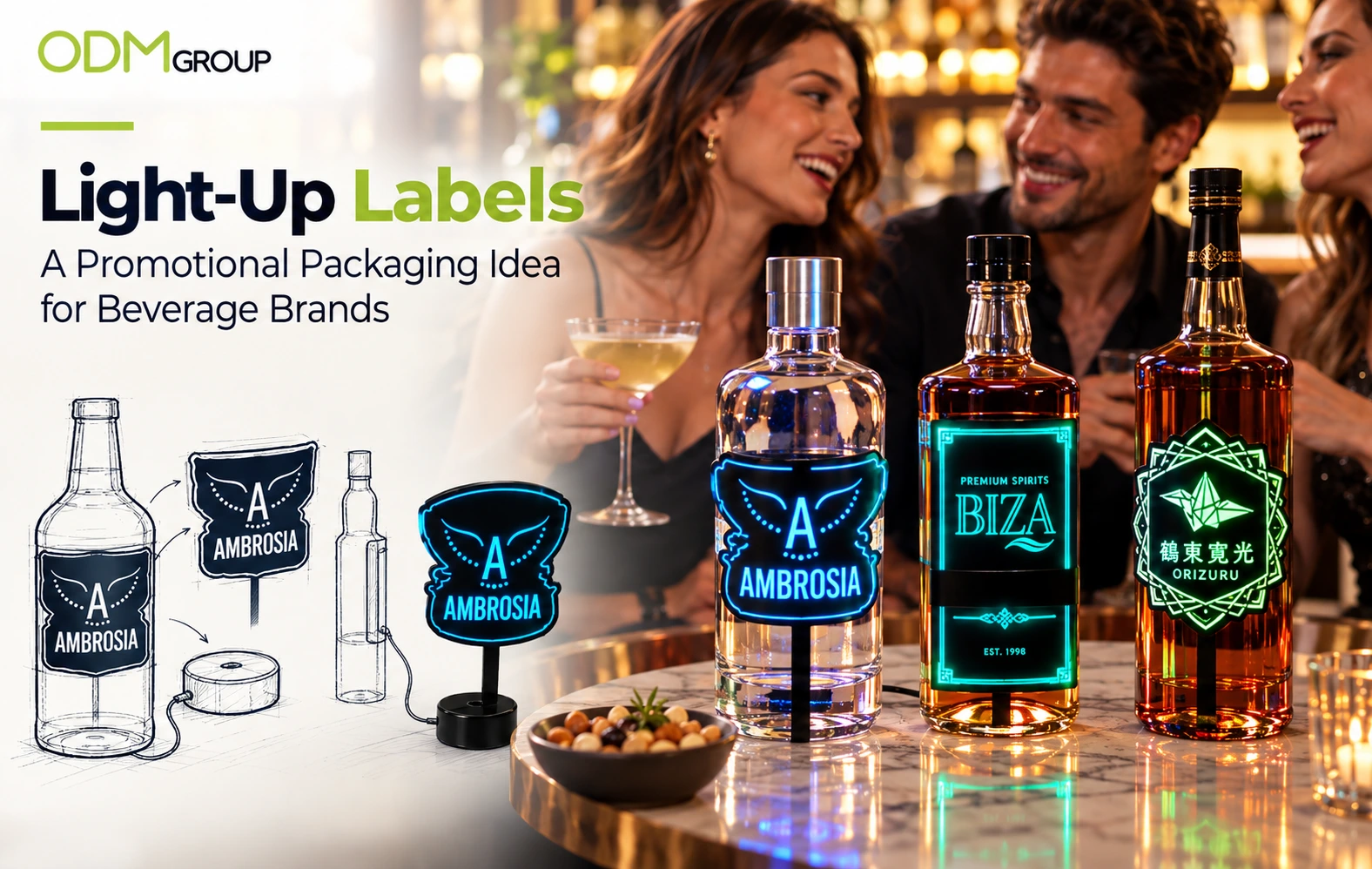
Light-Up Labels for Beverage Promotions and Custom Packaging
Light-up labels give beverage brands another option when standard [...]
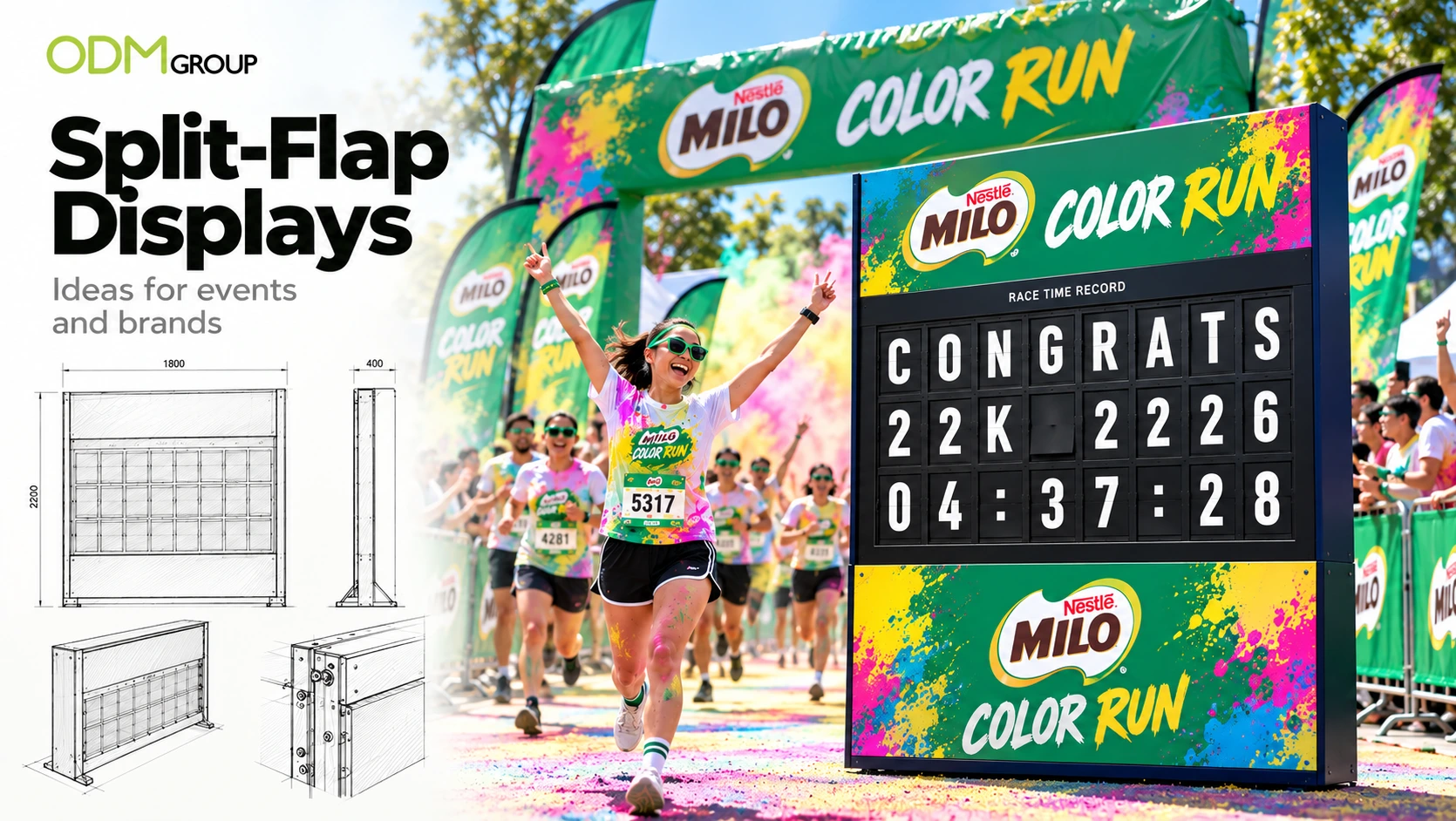
Split-Flap Displays for Events, Retail and Brand Activations
Struggling to make your brand stand out in a crowded [...]
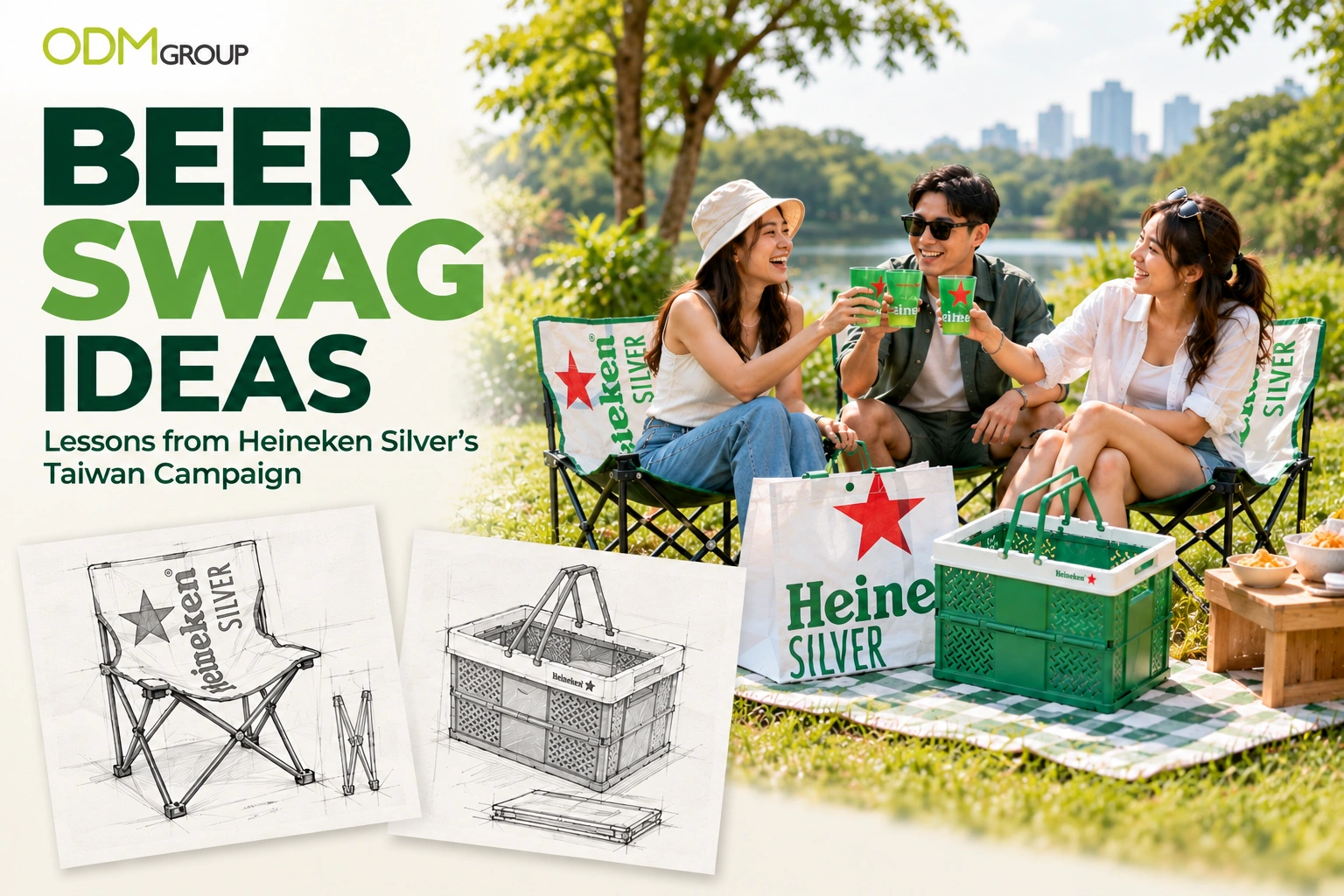
Beer Swag Ideas: Lessons from Heineken Silver’s Taiwan Campaign
Beer swag is evolving beyond traditional bottle openers and [...]
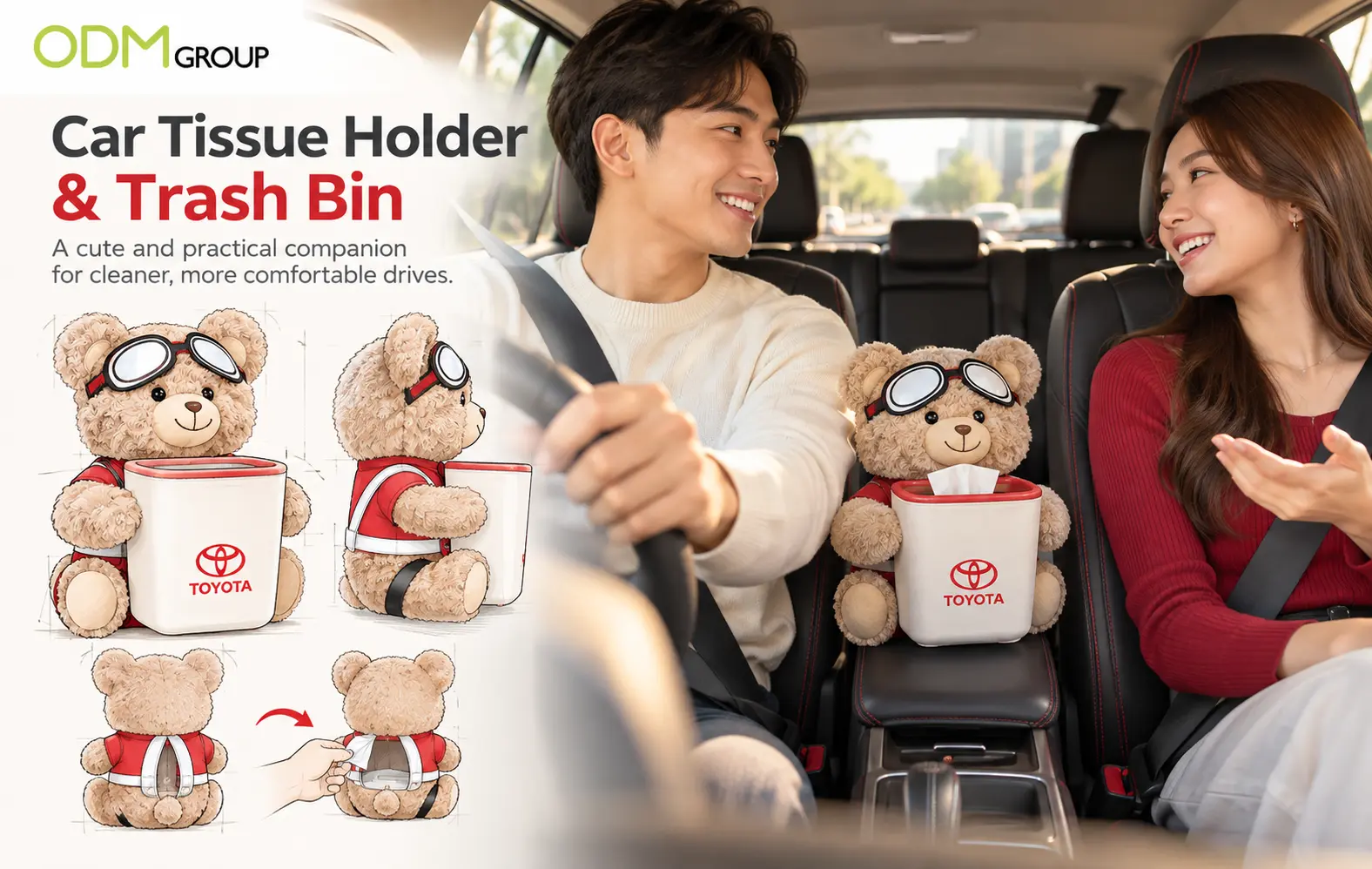
Car Tissue Holder: A Creative Automotive Promotional Gift
A car tissue holder can be more than a [...]
6 Tips for a Sustainable and Functional Promotional Travel Kit
A promotional travel kit combines practical travel essentials with [...]
Promotional Products for Pets: Ideas Inspired by SmartHeart Pet’s Homie
During a visit to Vietnam, the ODM team came [...]