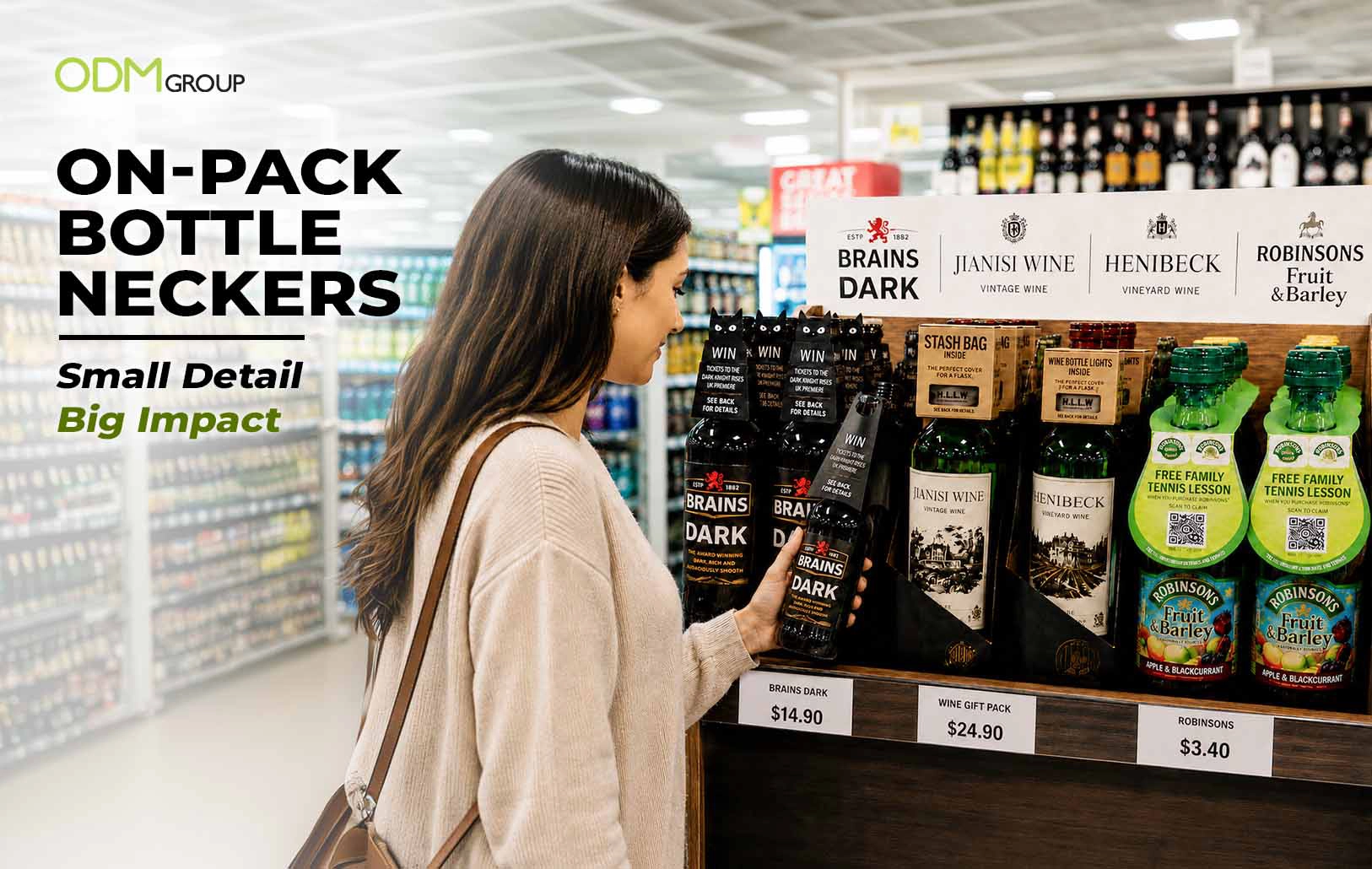
Wine, spirits, and beverage shelves are busy places. Shoppers often compare several bottles in just a few seconds, and the smallest packaging detail can influence which product they notice first. This is where an on-pack bottle necker can do more than decorate a bottle. It can turn ordinary packaging into a visible retail campaign touchpoint.
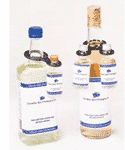
Delheim’s rosé promotion is a simple but effective example. The brand added a pink ribbon-style necker to its bottles, making the product feel more joyful, giftable, and suitable for social occasions. Instead of redesigning the full bottle, Delheim used a small on-pack detail to create stronger shelf appeal and a more memorable buying experience.
The Delheim Rosé Case: A Bottle Necker Designed for Emotion
Delheim is a wine company that sells bottles of rosé in supermarkets, where competition can be tough. In the wine category, shoppers often face many similar-looking bottles on the same shelf. Price, label design, bottle shape, occasion, and brand familiarity can all affect the final decision.
To make its rosé stand out, Delheim used a pink ribbon-style on-pack bottle necker. The design is simple, but it works because it connects directly with the product’s mood. Rosé is often linked with celebrations, casual gatherings, dinners, summer occasions, and gifting. The pink ribbon reinforces that feeling before the shopper even reads the label.
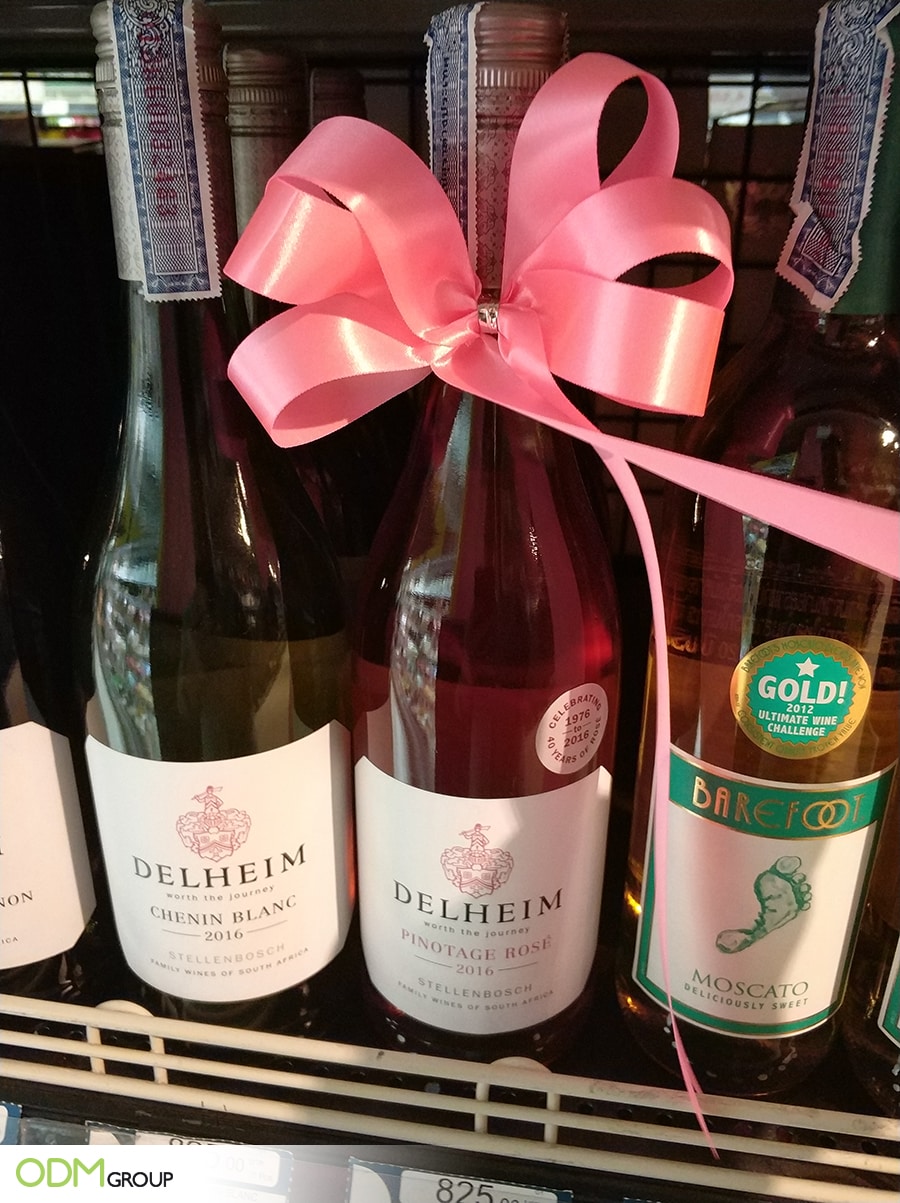
This is the real value of a bottle necker. It adds another layer of meaning to the bottle. It does not just say, “Look at me.” It helps the shopper understand when, why, and how the product fits into their life.
For Delheim, the ribbon-style necker makes the bottle feel more occasion-ready. It could appeal to someone buying wine for dinner, a party, a gift, or a relaxed evening with friends. That emotional trigger can make the bottle feel more relevant than the options beside it.
Why On-Pack Bottle Neckers Work at the Point of Purchase
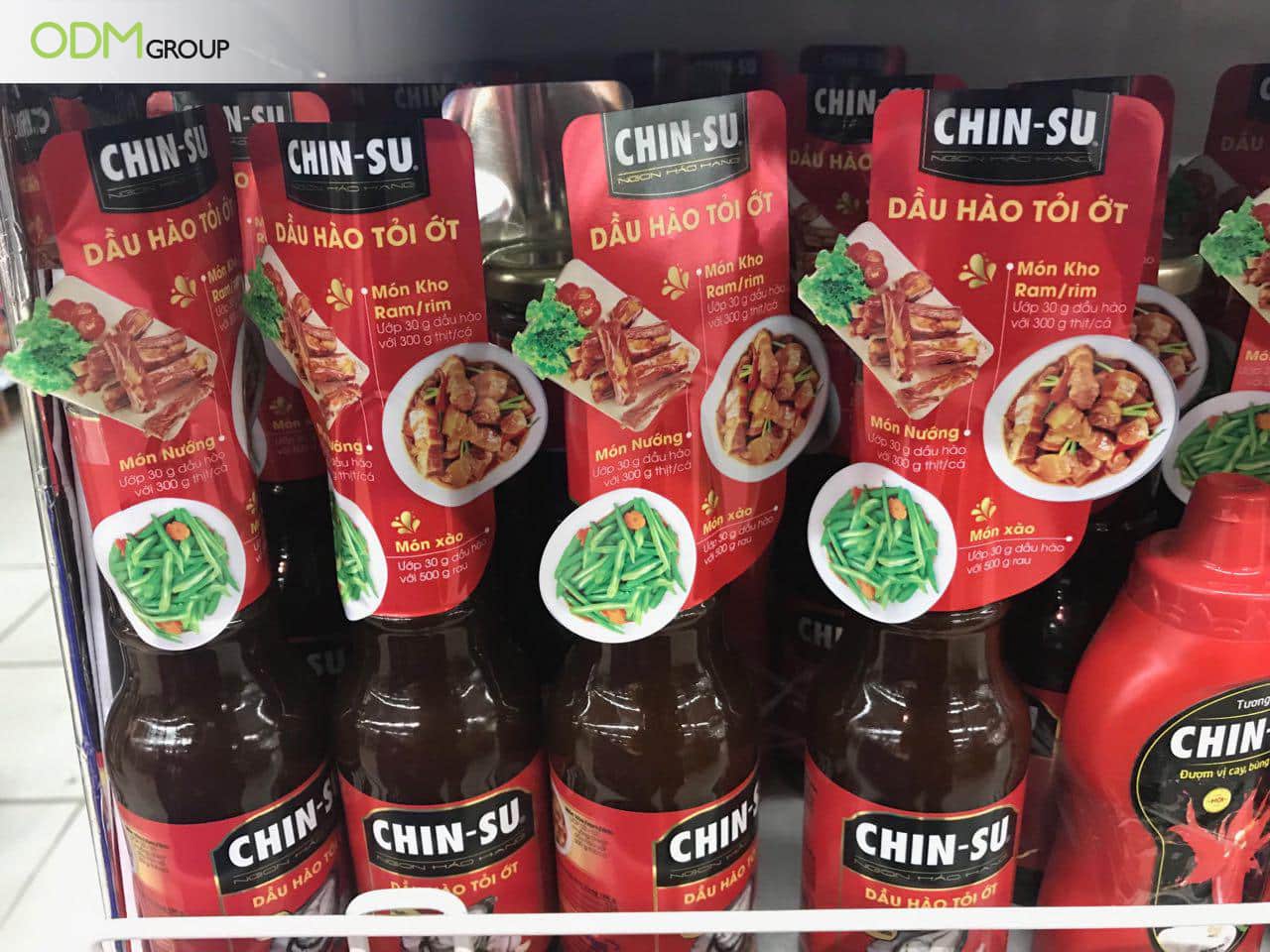
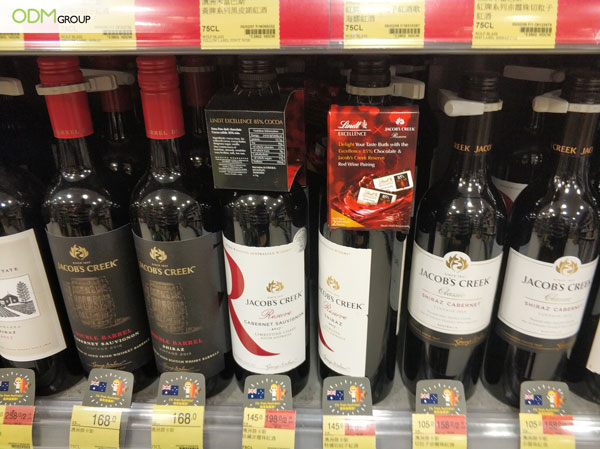
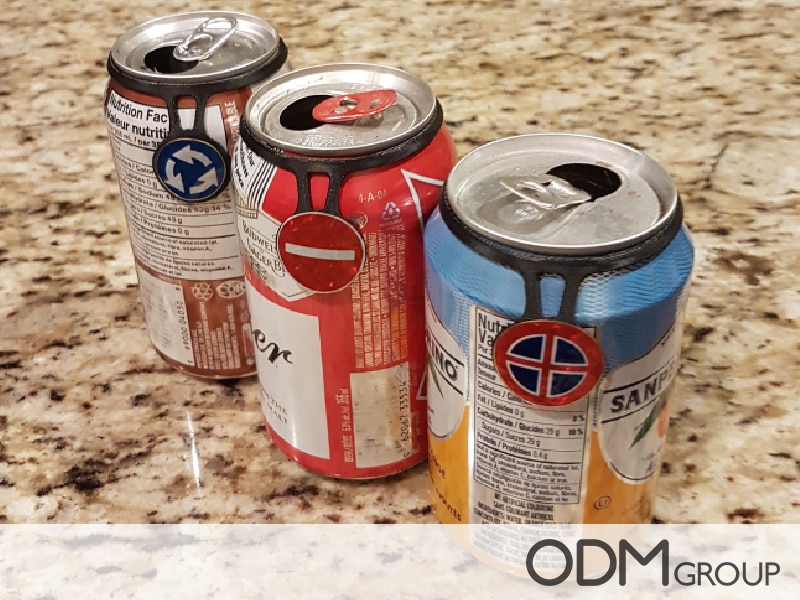
An on-pack bottle necker works because it appears exactly where the buying decision happens. It stays attached to the product, catches attention on the shelf, and gives brands an extra communication space without changing the main packaging.
For beverage brands, this is especially useful. Full packaging redesigns take time, budget, and approval. A bottle necker offers a more flexible way to support short-term campaigns, seasonal promotions, retail exclusives, and gift-with-purchase offers.
A strong bottle tag can help brands:
- Create shelf disruption in a crowded category
- Highlight a limited-time offer
- Add gifting value to the bottle
- Promote a QR campaign or digital experience
- Support seasonal or event-based promotions
- Communicate product stories, tasting notes, or pairing ideas
- Make a standard bottle feel more premium or campaign-ready
The key is to treat the necker as part of the campaign, not as a last-minute decoration. When designed with a clear purpose, it becomes a small but useful sales tool.
From Decorative Detail to Campaign Tool
Many brands look at a bottle necker as a simple add-on. In reality, it can support a much wider campaign.
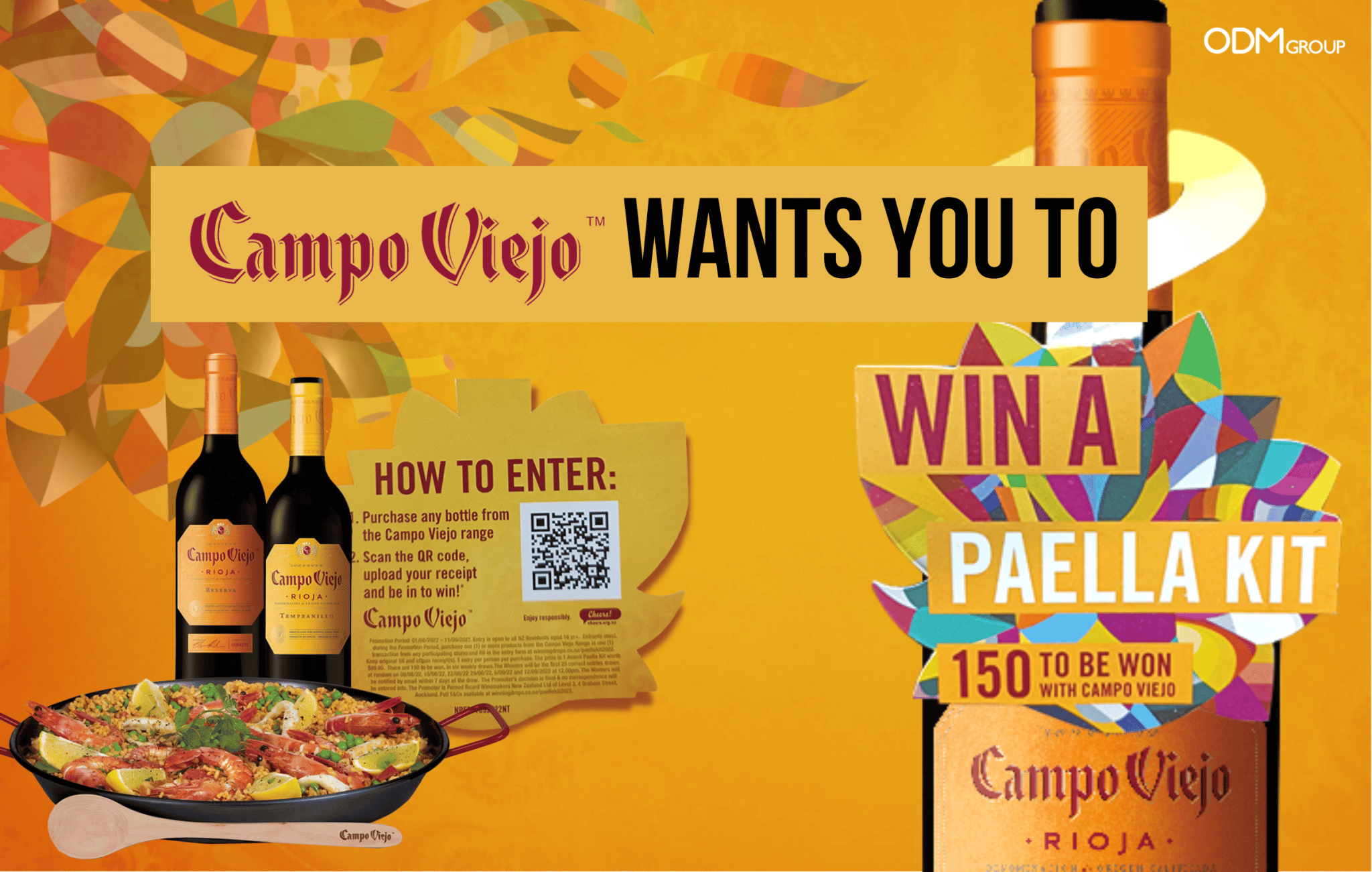
A bottle necker can announce a gift-with-purchase item, such as a branded glass, bottle opener, coaster, tote bag, or collectible. It can also carry a QR code that links to cocktail recipes, loyalty rewards, lucky draws, product education, or brand videos.
For wine and spirits brands, bottle neckers can also help explain the product in a more engaging way. A short tasting note, food pairing suggestion, or serving idea can make the product easier to choose. This is useful when shoppers are browsing without a sales assistant nearby.
This is where the format becomes valuable. A bottle necker does not need to carry a lot of information. It needs to carry the right information at the right moment.
Different Types of Bottle Tags Brands Can Use
An on-pack bottle necker is one of the most common ways to add a promotional message directly to a bottle, but it is not the only format. Brands can use different types of bottle tags depending on the campaign objective, bottle shape, retail environment, and desired brand image.
1. Bottle Necker
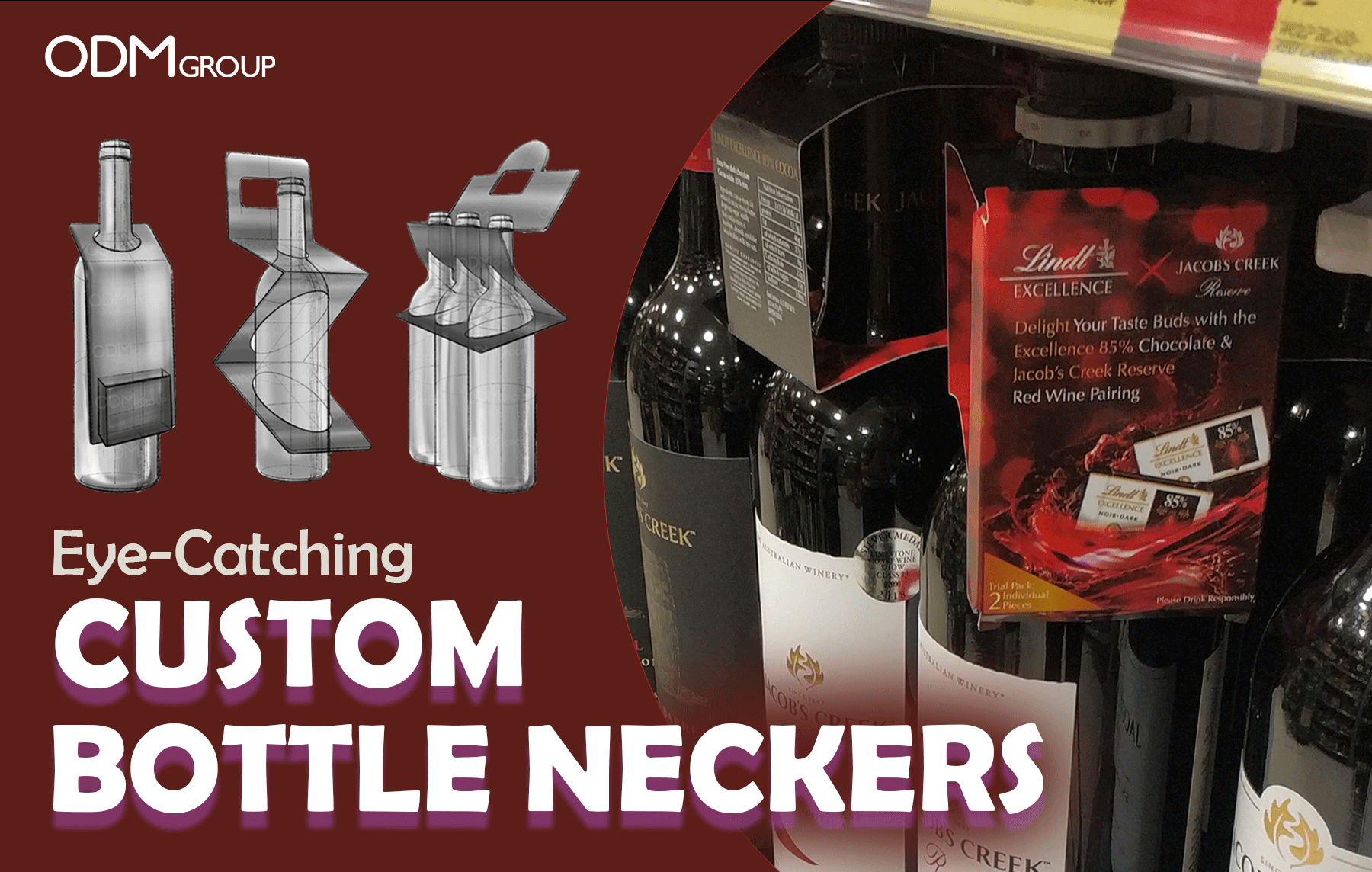
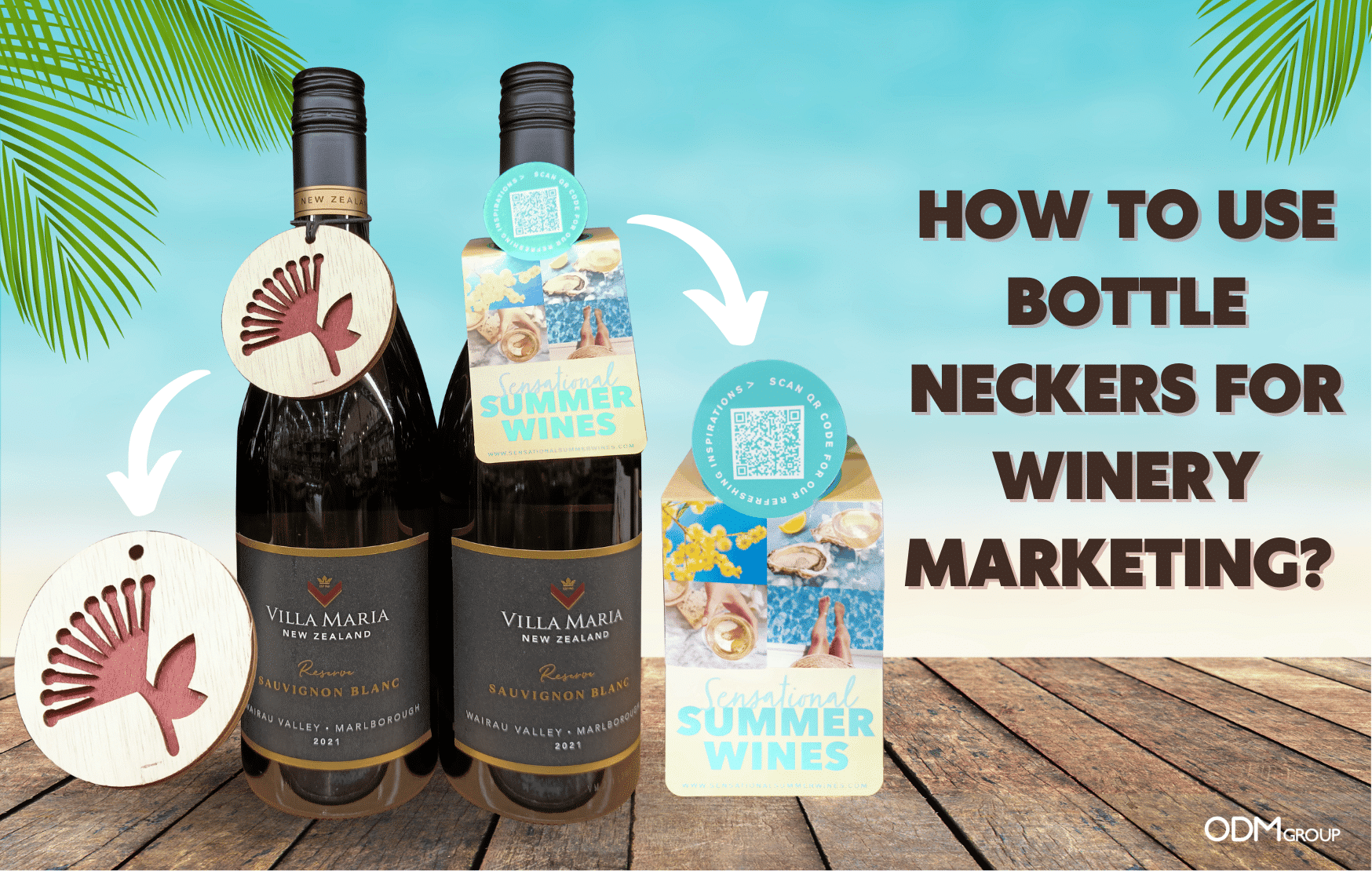
A bottle necker sits around the neck of the bottle and is usually made from card, paperboard, ribbon, or synthetic material. It is ideal for short promotional messages, seasonal campaigns, QR codes, tasting notes, and gift-with-purchase promotions.
In the Delheim example, the pink ribbon-style bottle necker works because it adds emotion and makes the bottle feel more suitable for celebrations and gifting.
2. Bottle Neck Tag
A bottle neck tag is similar to a bottle necker, but it often has a flatter tag shape.
It can hang from the bottle neck and carry campaign information, product benefits, offer details, or a short brand story.
This format works well for wine, spirits, craft beverages, sauces, syrups, oils, and premium bottled products.
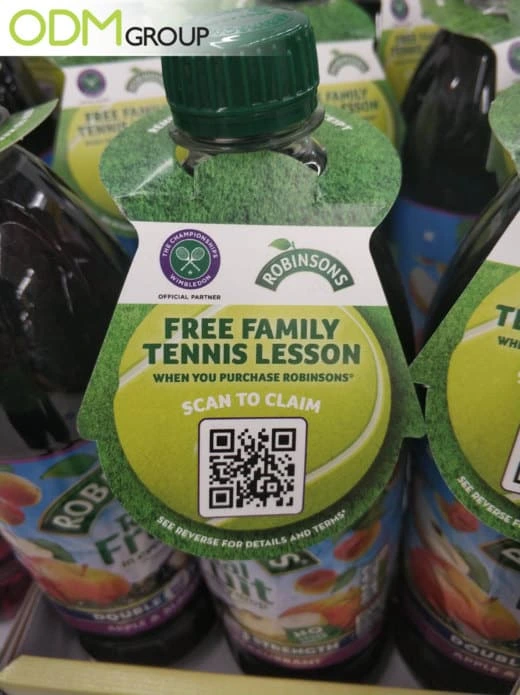
3. Hang Tag
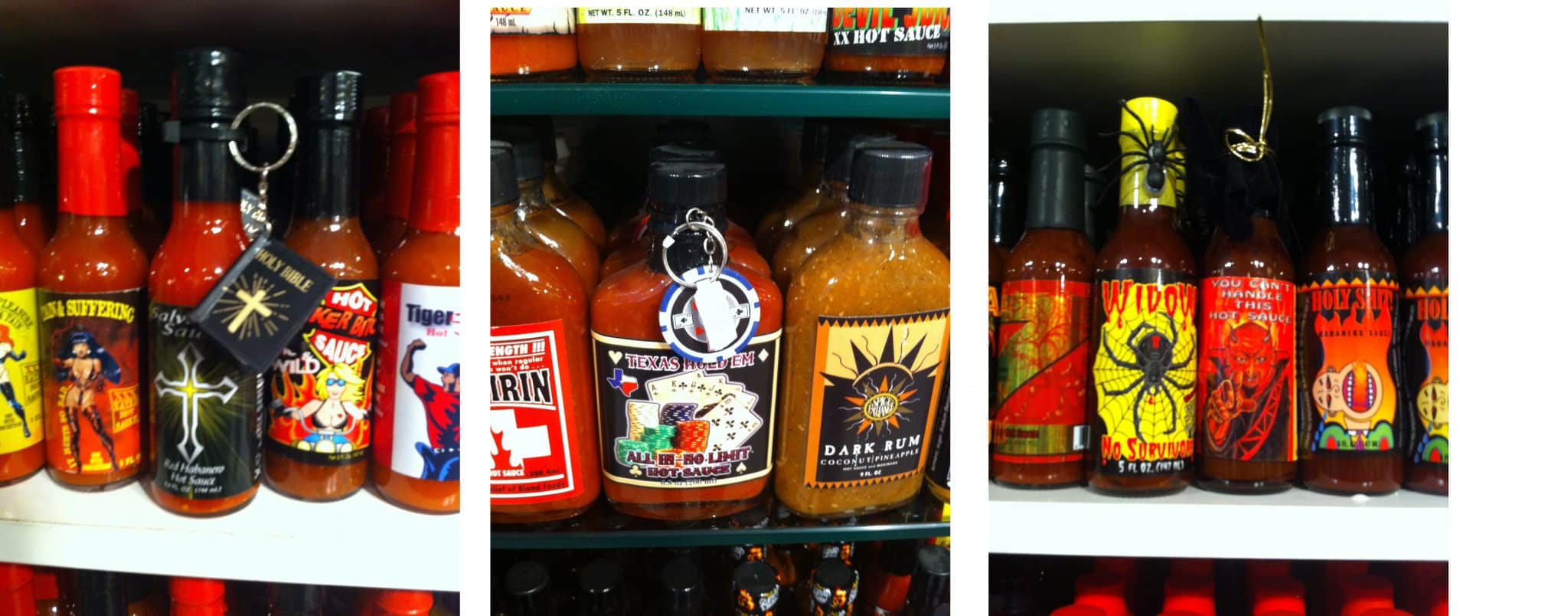
A hang tag is attached using a string, ribbon, elastic, or a small loop. It can give the bottle a more handcrafted or premium feel, especially when paired with textured paper, kraft card, metallic foil, or embossed finishing.
Hang tags are useful for gift packs, artisanal drinks, limited editions, luxury spirits, and seasonal retail campaigns.
4. Neck Label
A neck label is applied directly to the bottle neck. It feels more integrated with the packaging and is often used for premium branding, vintage details, certification marks, or limited-edition messages.
This is useful when brands want a more permanent look instead of a removable promotional tag.
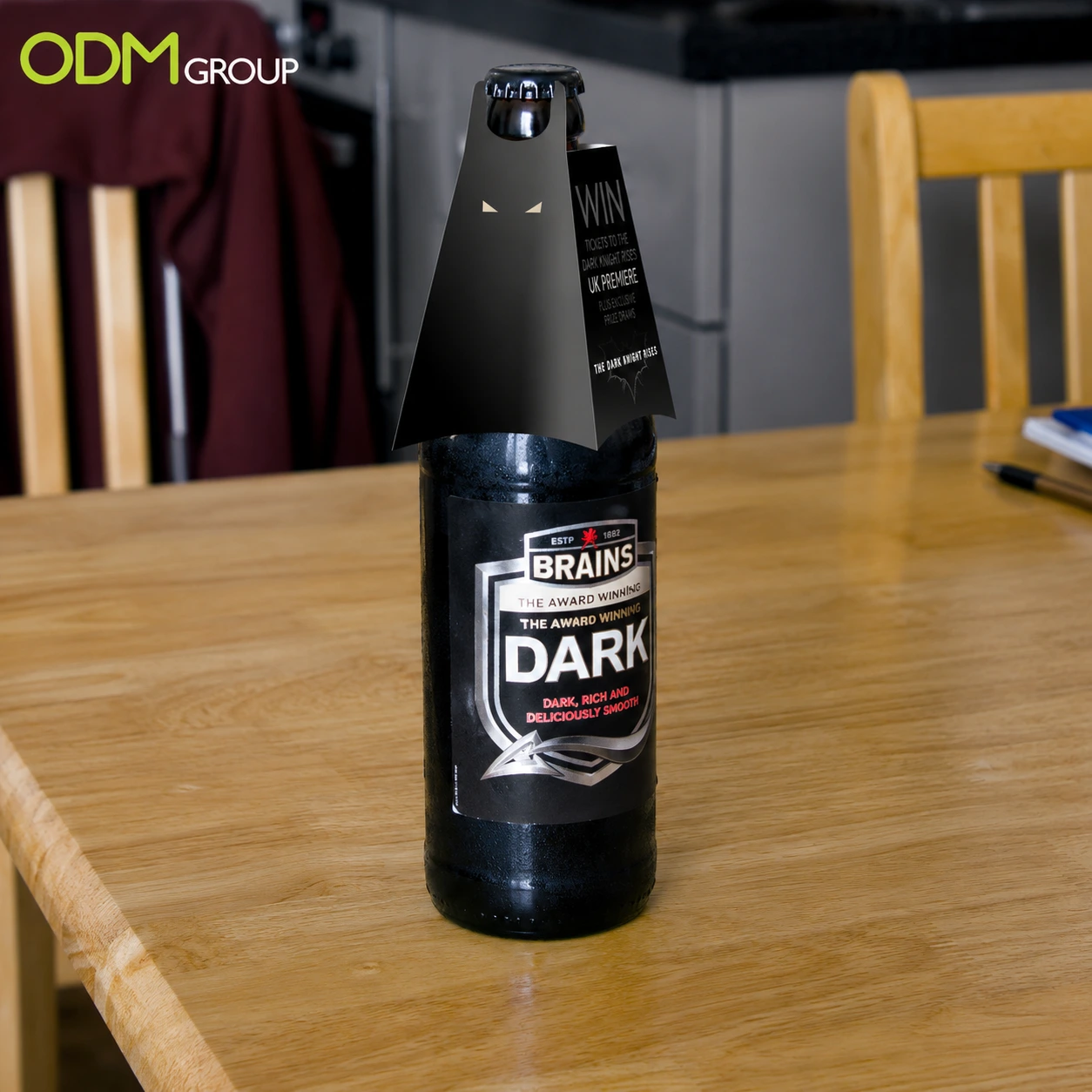
5. Bottle Collar
A bottle collar wraps around the neck or shoulder of the bottle. It usually creates a stronger visual presence than a simple tag because it covers more space.
Brands can use bottle collars to highlight festive campaigns, retail-exclusive offers, new product launches, or premium packaging concepts.
6. Coupon Bottle Tag
A coupon bottle tag is designed to encourage immediate action. It may include a tear-off voucher, discount code, redemption offer, or scan-to-claim mechanic.
This can work well in supermarkets, convenience stores, and retail chains where the campaign goal is to drive trial or repeat purchase.
7. Fold-Out Bottle Tag
A fold-out bottle tag gives brands more space while still staying attached to the bottle. It can include cocktail recipes, tasting notes, multilingual campaign information, loyalty program details, or QR instructions.
This format is especially useful in duty-free wine retail, liquor promotions, and campaigns where shoppers need more information before buying.
8. Gift Bottle Tag
A gift bottle tag is designed to make the bottle feel more presentable. It may use ribbon, festive colors, premium paper, metallic finishes, or a space for a personal message.
This works well for Christmas, New Year, Valentine’s Day, weddings, corporate gifting, hospitality promotions, and seasonal beverage campaigns.
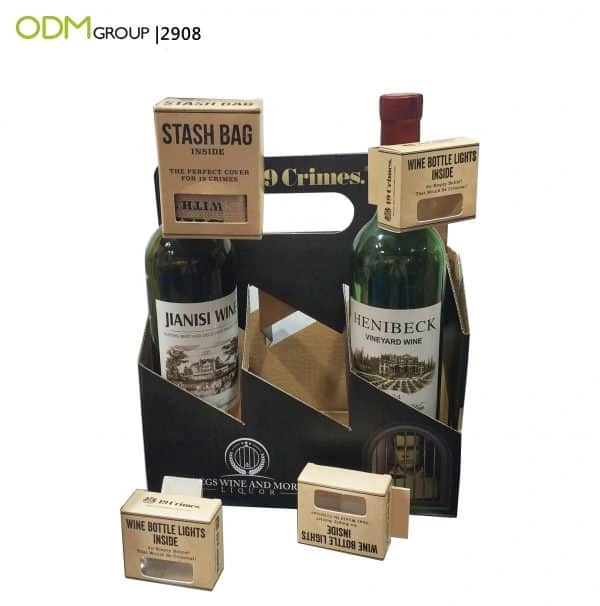
9. QR Code Bottle Tag
A QR code bottle tag connects the physical bottle to a digital campaign. Shoppers can scan the tag to access recipes, games, prize draws, brand stories, loyalty rewards, event pages, or product education.
This turns the bottle into a digital entry point and allows the campaign to continue after the purchase.
10. Promotional Bottle Tag
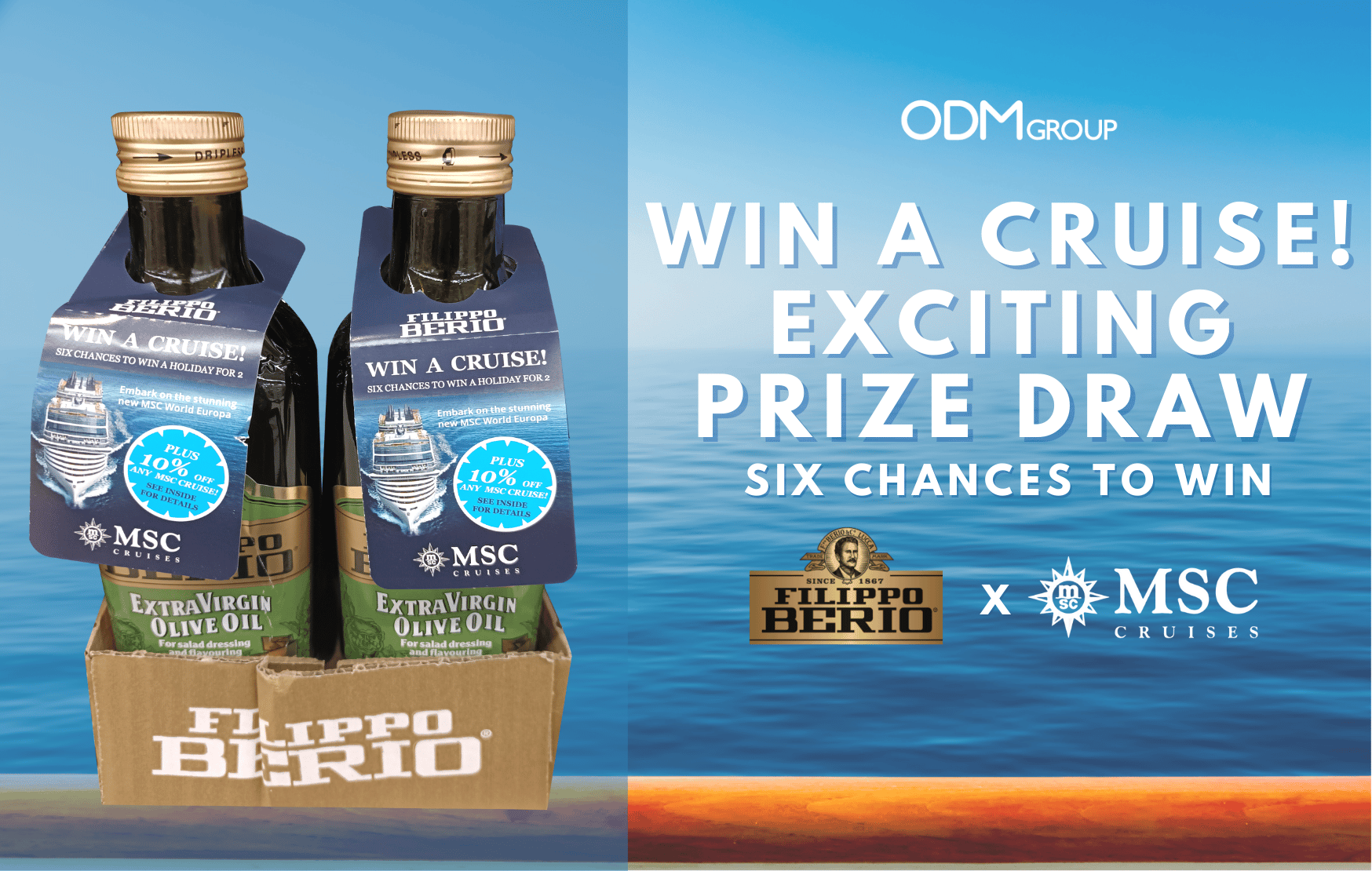
A promotional bottle tag focuses on a specific sales campaign. It can highlight a GWP item, a bundle offer, a limited-edition release, a prize draw, an event tie-in, or a retail-exclusive promotion.
This is where bottle tags become more than packaging decoration. They become compact campaign tools attached directly to the product.
What Makes a Bottle Necker Effective?
A good bottle necker is not only attractive. It must work visually, physically, and commercially.
1. It Creates Visual Disruption
On a shelf full of similar bottles, a necker adds shape, color, and movement. Delheim’s pink ribbon works because it breaks the repetition of standard wine bottles and gives shoppers a reason to look closer.
2. It Matches the Product Mood
The best bottle tags feel connected to the product. A ribbon-style necker makes sense for rosé because it supports ideas of gifting, celebration, femininity, and social occasions. For a whisky brand, the same approach may need a darker color palette, textured card, leather-look material, or metallic finish.
3. It Communicates Quickly
A shopper should understand the message in seconds. The necker should not be crowded with too much text. It needs one clear purpose, such as “Limited Edition,” “Free Gift,” “Scan to Win,” “Perfect for Gifting,” or “Cocktail Recipe Inside.”
4. It Fits the Bottle Properly
The bottle neck size, shoulder shape, cap type, and shelf position all matter. If the tag slips, bends, covers the label, or sits awkwardly, it can weaken the campaign. Structural planning is just as important as graphic design.
5. It Supports the Wider Campaign
A bottle necker works best when it connects with other campaign elements, such as POS displays, gift packs, sampling counters, retail signage, digital activations, or social media promotions.
Campaign Ideas for Wine, Spirits, and Beverage Brands
Bottle neckers and bottle tags can be used in many ways across beverage marketing. The format is flexible enough for both mass-retail campaigns and premium-brand activations.
-
Seasonal Retail Campaigns
Christmas, New Year, Valentine’s Day, Mother’s Day, summer parties, wedding season, and festive retail periods are strong opportunities for bottle tag promotions. A simple necker can make the bottle feel more relevant to the occasion.
-
Gift-With-Purchase Campaigns
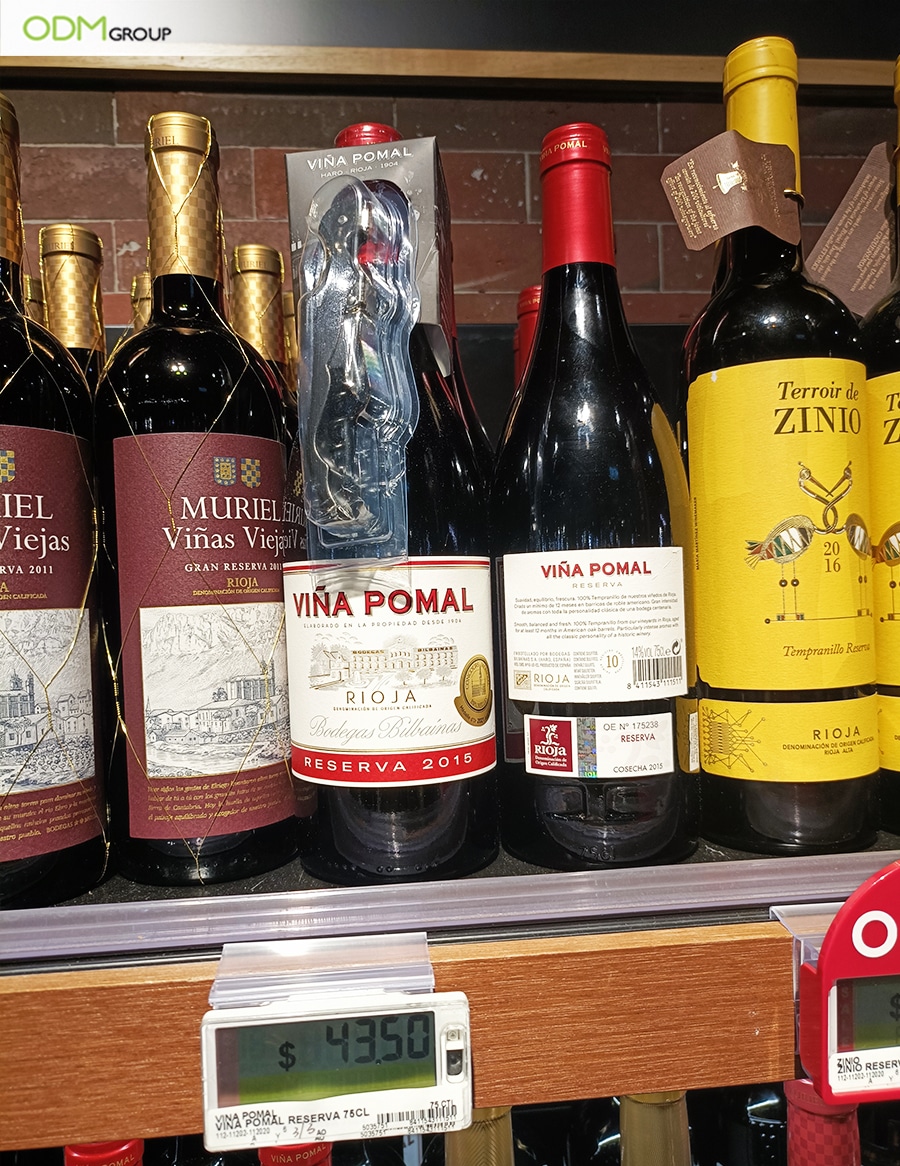
Brands can use a bottle necker to promote free gifts such as branded glasses, corkscrews, bottle openers, coasters, tote bags, ice buckets, or mini cocktail kits. This helps shoppers see the added value immediately.
-
QR Code Activations
A QR bottle tag can link shoppers to cocktail recipes, food pairing guides, loyalty pages, lucky draws, games, or event sign-ups. This is useful for brands that want to build engagement beyond the shelf.
-
Limited-Edition Launches
For new flavors, seasonal variants, or anniversary releases, a bottle necker can call attention to the limited nature of the product without changing the full bottle design.
Retail-Exclusive Promotions
Supermarkets, duty-free stores, liquor shops, and convenience chains often need campaign formats that are easy to install and remove. Bottle tags can support exclusive offers while keeping the main packaging consistent.
Event and Hospitality Campaigns
Bottle tags can be used for festivals, concerts, hotels, bars, restaurants, weddings, and corporate events. They can carry event messages, menu pairings, table promotions, or branded keepsake details.
Common Mistakes to Avoid
Bottle necker promotions often fail when the format is treated too casually. A small tag still needs a clear strategy.
One common mistake is adding too much text. Shoppers do not have time to read a long message at the shelf. The necker should focus on one main idea.
Another mistake is weak contrast. If the colour is too close to the bottle label or shelf background, the tag may disappear visually.
Brands should also avoid QR codes that are too small, poor material choices, and tag shapes that do not sit properly on the bottle. These small issues can make the promotion feel less premium or harder to use.
The biggest mistake is treating the bottle necker as decoration only. A strong on-pack tag should support a campaign objective, such as increasing shelf attention, driving trial, promoting a gift, or connecting shoppers to a digital experience.
How ODM Helps Brands Develop On-Pack Promotions
ODM helps brands develop promotional merchandise and retail marketing tools that connect creative ideas with practical execution. For on-pack bottle neckers, bottle tags, hang tags, collars, and other packaging-linked promotions, ODM supports the process from concept direction to sourcing, sampling, quality control, and logistics coordination.
This is especially useful for brands that want to create a campaign but do not want to manage every production detail themselves. ODM can help explore the right format, material, finish, and structure based on the product, retail environment, and campaign goal.
Through Mindsparkz, ODM’s in-house creative and product design agency, brands can also develop visual concepts, sketches, 3D ideas, and campaign directions before moving into sampling. ODM then coordinates with its factory network to help bring the approved idea into production, while supporting quality checks and delivery planning.
For brands working across multiple markets, this support can help keep the campaign consistent while still allowing room for local retail needs, seasonal messages, or language variations.
Final Thoughts
An on-pack bottle necker may be small, but it can have a strong effect when it is designed with the shopper journey in mind. It adds visibility, emotion, and campaign value directly to the product, right at the point of purchase.
Delheim’s rosé promotion shows how a simple ribbon-style necker can make a bottle feel more giftable, more appealing, and more connected to the occasion. For wine, spirits, beverage, and FMCG brands, bottle neckers and bottle tags offer a flexible way to support retail promotions without redesigning the entire package.
ODM helps brands develop on-pack promotional tools that move beyond decoration. From campaign concept and design direction to sourcing, sampling, quality control, and logistics, ODM acts as a strategic partner for brands looking to turn packaging space into a stronger marketing opportunity.
Contact the ODM team to explore bottle necker ideas, bottle tag formats, and on-pack promotional concepts for your next retail campaign.
More Ideas


FAQs About On-Pack Bottle Neckers
What is an on-pack bottle necker?
An on-pack bottle necker is a promotional tag or collar placed around the neck of a bottle. It is often used to highlight offers, seasonal campaigns, QR codes, tasting notes, gift messages, or retail promotions.
Are bottle neckers only used for wine bottles?
No. Bottle neckers can be used for wine, spirits, beer, soft drinks, sauces, syrups, oils, wellness drinks, and other bottled products. The format can be adapted based on the bottle shape and campaign objective.
What is the difference between a bottle necker and a bottle tag?
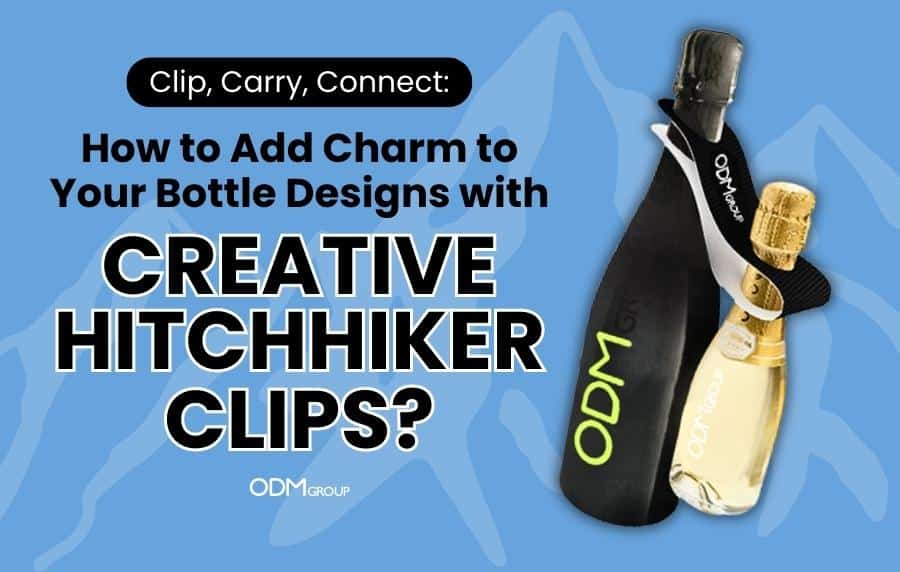
A bottle necker usually sits around the bottle neck, while a bottle tag may hang from the neck using string, ribbon, or elastic. In practice, the terms are often used in similar ways, especially in on-pack promotions.
Can bottle neckers include QR codes?
Yes. QR bottle tags are useful for connecting shoppers to cocktail recipes, loyalty rewards, lucky draws, product information, videos, or campaign landing pages. The QR code should be large enough to scan easily.
What to Read Next?
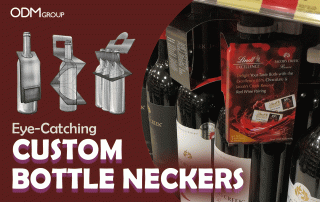
Custom Bottle Neckers: Types, Materials & Promotional Ideas
In the ever-evolving landscape of marketing, the quest for [...]

Branded Bottle Hitchhikers: What Do They Add To Your Brand?
Establish your brand uniquely to your target market by [...]
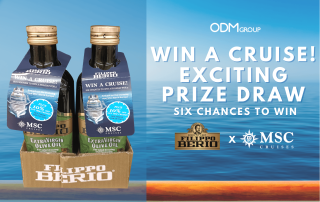
How to Maximise the Impact of Bottle Neck Hanger Promotions?
Shelf space marketing is a challenging problem that requires [...]
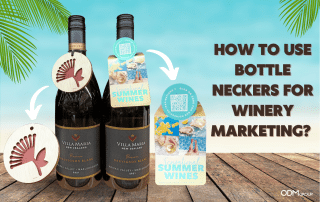
Winery Marketing: 5 Best Ways to Use Bottle Tags in Your Business
Just like any other drinks promotional campaign, winery marketing [...]
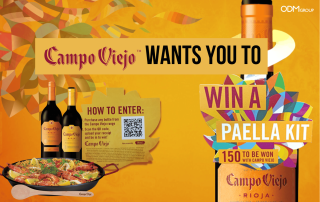
5 Ways Campo Viejo Bottle Hang Tag Promo Captured The Market
To win against other brands and get people's attention, [...]
How To Effectively Use Branded Corkscrew Gift in Promotions?
For liquor brands, their products are best enjoyed with [...]