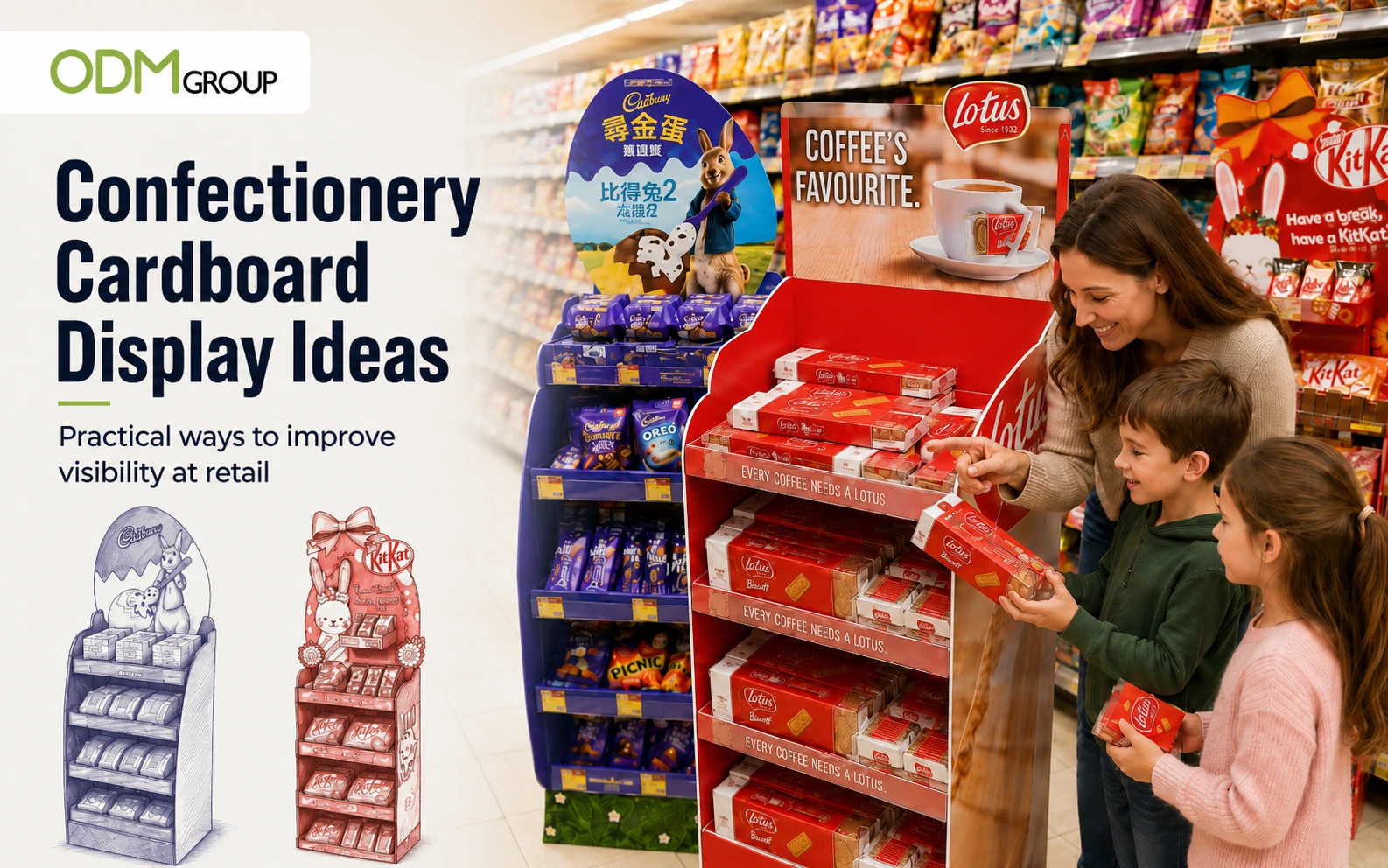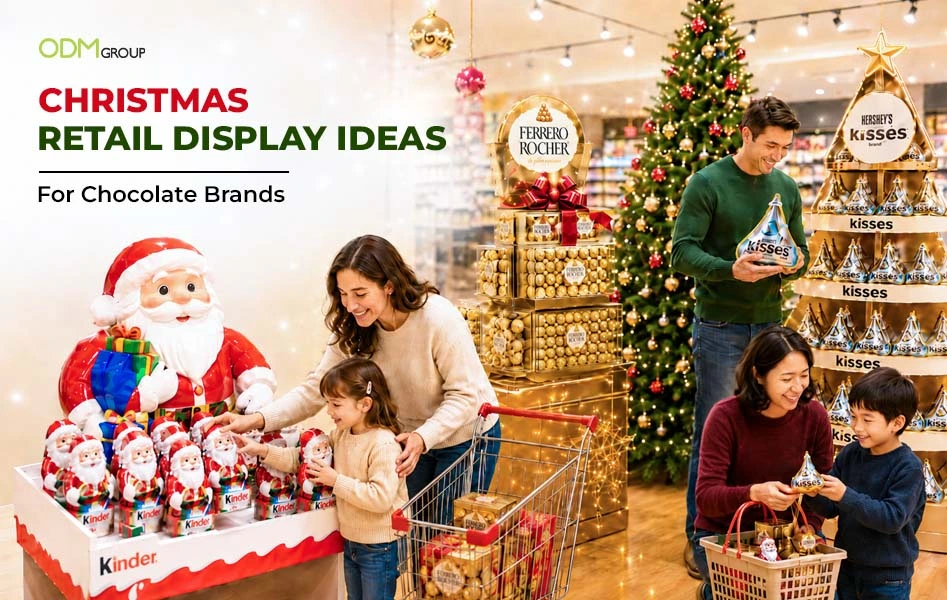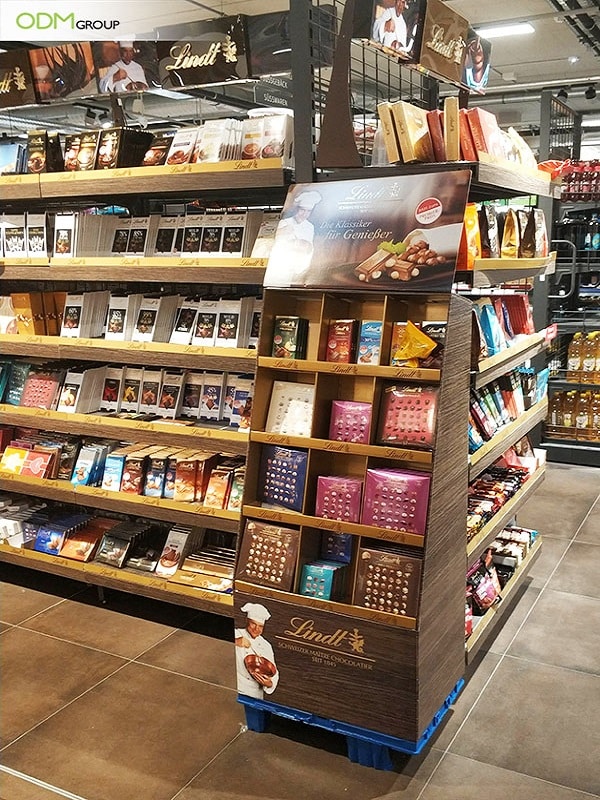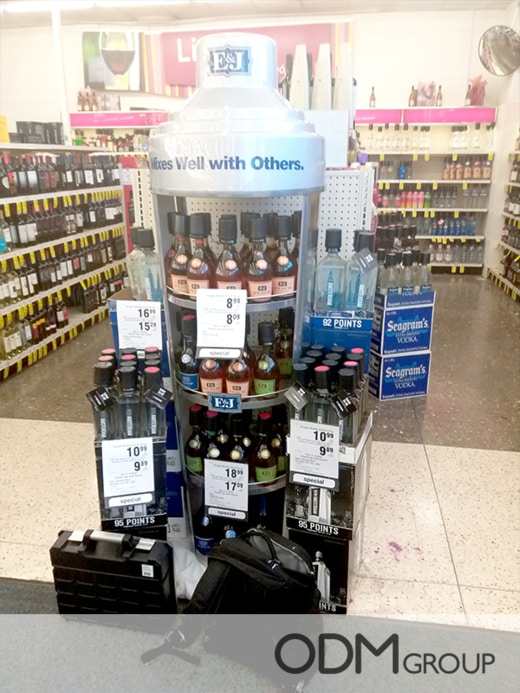
A unique retail display can help confectionery brands stand out in a category filled with bright packaging, seasonal products and competing promotions.
Chocolate, sweets, biscuits and snack products are often displayed close together, which makes it difficult for a new launch or limited-edition range to gain attention. A custom display creates a dedicated space where brands can introduce the product, communicate the campaign idea and encourage impulse purchases.
For confectionery brands, the most effective displays combine strong visual impact with clear product access. They should be easy to understand, simple for retail teams to restock, and distinctive enough to attract shoppers from across the store.
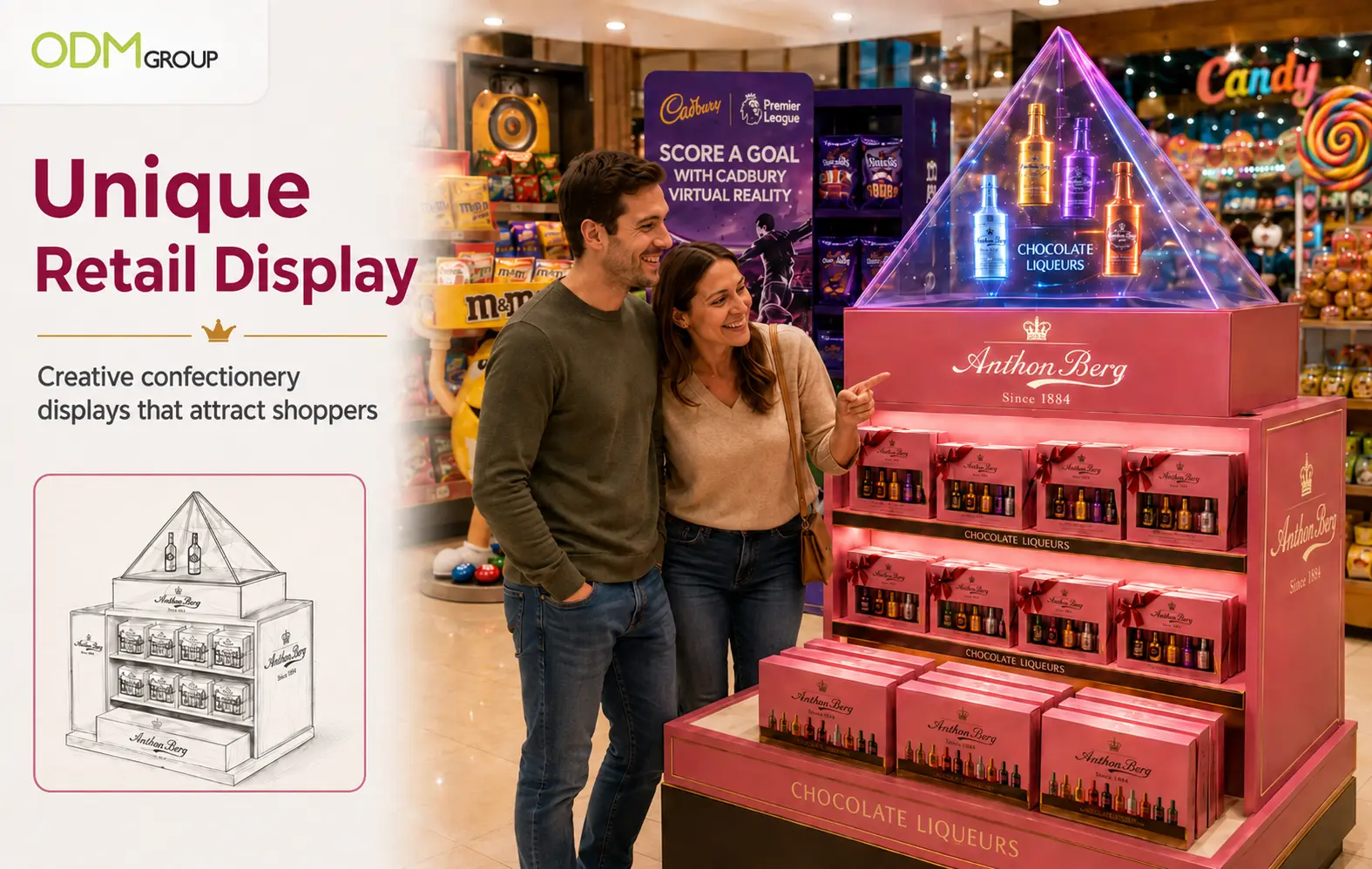
Why Confectionery Brands Need a Unique Retail Display
Confectionery is strongly influenced by visibility and impulse buying. Shoppers may not enter a store intending to purchase chocolate or sweets, but the right display can place the product directly in their path.
A unique retail display can support several campaign objectives:
- Introducing a new confectionery product
- Promoting a limited-edition flavor
- Presenting a seasonal collection
- Supporting a brand collaboration
- Encouraging product sampling
- Promoting multipacks or gift sets
- Increasing visibility outside the standard confectionery aisle
Displays can be positioned near checkouts, entrances, promotional zones, endcaps or high-traffic areas. The best location depends on the product, store format and campaign objective.
The display should quickly communicate what is being promoted and why the product is worth exploring. Too much decoration or text can make the message harder to understand.
Anthon Berg’s Unique Retail Display
Anthon Berg used a distinctive retail display to promote its liqueur-filled chocolate collection.
The unit featured the brand’s recognizable pink color, a pyramid-shaped top, and holographic technology showcasing the different chocolate varieties. Boxed products were arranged neatly on the shelves below.
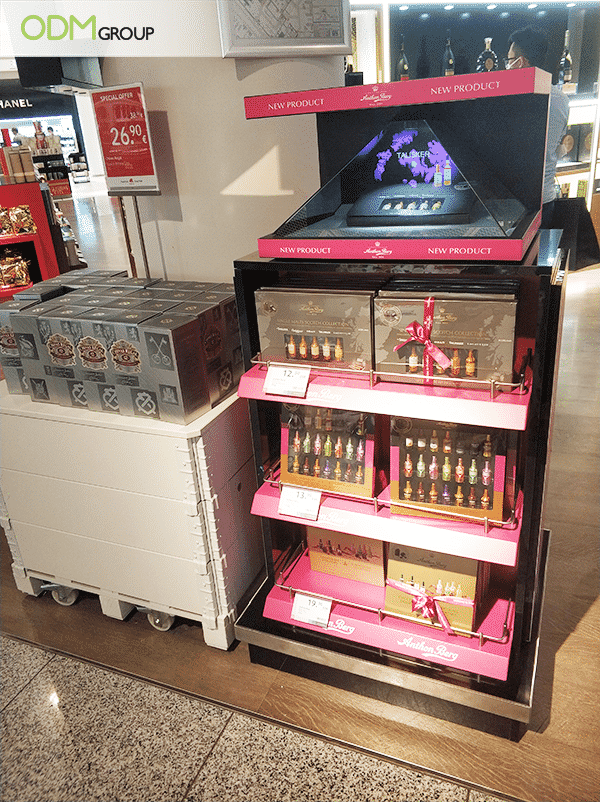
Unique Retail Display
What made the display effective was the balance between visual impact and product clarity. The unusual shape and digital feature attracted attention, while the organized shelving kept the products easy to see and access.
The case shows how confectionery brands can combine strong branding, a clear display structure and one memorable feature to support a new product launch.
More from Anthon Berg:
In 2016, the famous Danish chocolatier successfully dominated the market with its delightful cocktail promotion. This promotion included a free gift with every three purchases of their cocktail creams.
Here’s how the brand has captivated its target audiences with its freebie marketing strategy way back in 2012. We totally love how it has fully shown its generosity to customers by providing an all-year-round promotion!
Unique Retail Display Ideas for Confectionery Products
There is no single format that works for every confectionery campaign. The right concept depends on the product type, retail setting, promotional period and target shopper.
Here are several display ideas brands can consider.
1. Oversized Confectionery Pack Displays
An oversized version of the product packaging can create immediate recognition.
A chocolate brand could develop a display shaped like a giant chocolate bar wrapper, gift box or sharing pouch. A sweets brand might use an enlarged jar, packet or dispenser.
This approach works best when the packaging already has a recognizable shape or strong visual identity.
Oversized replicas can be used as:
- Floor-standing display units
- Shelf toppers
- Endcap features
- Entrance displays
- Hanging retail decorations
- Photo opportunities
The scale should still suit the store. A structure that is too large may block nearby products or create difficulties during transport and installation.
2. Product-Shaped Display Units
The entire display can be designed around the confectionery product itself.
For example:
- A chocolate bottle display for liqueur-filled chocolates
- A giant wafer structure for biscuit products
- A sweet dispenser-shaped unit for candy
- A gift-box display for premium assortments
- A vending-machine-inspired display for snack products
Product-shaped structures make the campaign easier to understand from a distance. They can also create a stronger connection between the display and the product being promoted.
The product shelves should remain practical and easy to refill. The decorative shape should not reduce storage capacity or make products difficult to reach.
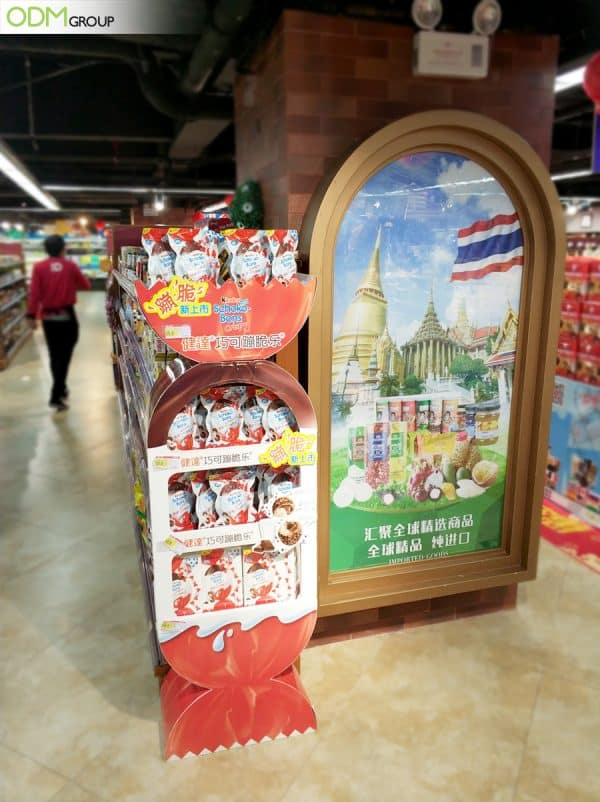
3. Interactive and Gamified Displays
Confectionery products are often associated with enjoyment, sharing, and reward. Interactive displays can build on these associations.
Possible ideas include:
- Spin-to-win wheels
- Digital games
- Flavor-matching activities
- Prize drawers
- Product voting panels
- Touch-activated lighting
- Mechanical buttons
- Scratch-card dispensers
- Photo challenges
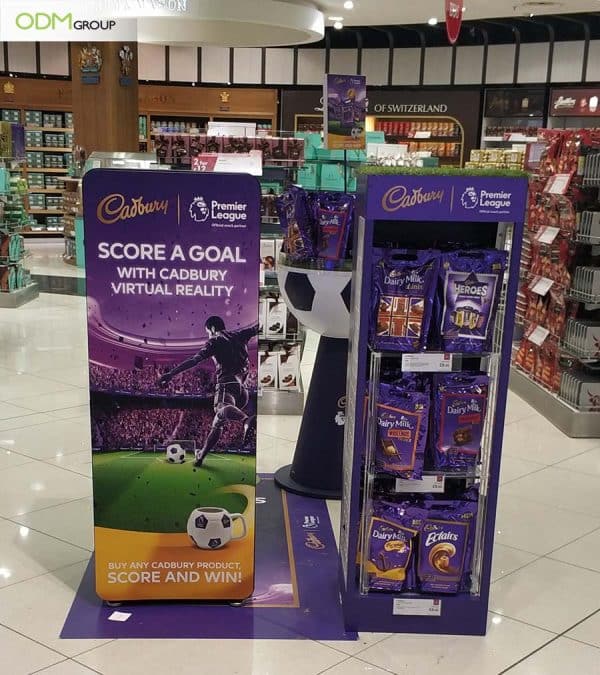
A game can encourage shoppers to spend more time with the campaign and may also support gift redemption or sampling.
The interaction should remain simple. Shoppers should understand what to do within a few seconds, while retail staff should be able to reset or maintain the feature easily.
4. Sampling-Led Confectionery Displays
Sampling is one of the most direct ways to introduce a new chocolate, sweet, or snack product.
A sampling display can include:
- Individual sample compartments
- Staff demonstration space
- Hygiene covers
- Waste collection areas
- Product information panels
- Full-size products positioned beside the sample
- QR codes linking to the campaign
The connection between the sample and the retail product must be clear. Shoppers should immediately see which pack to purchase after trying the product.
Sampling displays should also consider food safety, storage temperature and local retailer requirements.
5. Illuminated Retail Displays
Lighting can make confectionery packaging appear more vibrant and premium.
LED shelf strips, illuminated logos, backlit graphics and glowing product platforms can draw attention to a new product or seasonal collection.
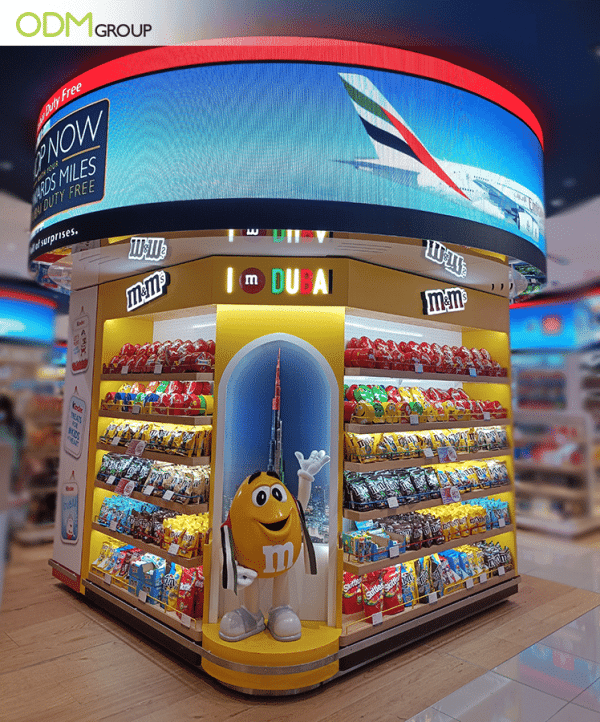
This format can work particularly well for:
- Premium chocolates
- Gift boxes
- Limited-edition products
- Confectionery collaborations
- Duty-free retail
- Evening retail environments
The lighting should highlight the products rather than overpower them. Brands must also consider electrical access, heat management, retailer approval and maintenance.
6. Transparent Confectionery Displays
Transparent display components allow shoppers to see the product clearly while maintaining a clean, modern presentation.
Clear acrylic trays, product windows and transparent compartments can be useful for:
- Individually wrapped sweets
- Colourful candy
- Chocolate assortments
- Gift boxes
- Collectable packaging
- Build-your-own selections
Transparency is particularly effective when the product colors or shapes are part of the visual appeal.
However, clear surfaces can show dust, fingerprints, and scratches. The display design should account for cleaning and regular store maintenance.
7. Seasonal and Occasion-Based Displays
Confectionery campaigns are closely connected with seasonal shopping and gifting occasions.
A unique retail display can be designed around:
- Christmas
- Easter
- Valentine’s Day
- Halloween
- Lunar New Year
- Mother’s Day
- Father’s Day
- Birthdays
- Weddings and celebrations
Instead of relying only on seasonal graphics, brands can create structures inspired by the occasion.
An Easter display might resemble a giant egg or basket. A Christmas display could use a gift-box, tree or advent-calendar format. A Valentine’s campaign might use heart-shaped shelving or a premium gifting wall.
The seasonal theme should remain connected to the brand. Overly generic decorations may make the product feel interchangeable with competitors.
8. Gift-Set and Multipack Displays
Confectionery products are frequently purchased as gifts, particularly during major holidays and travel retail visits.
A dedicated gift-set display can help shoppers compare different pack sizes, flavors and price points.
Useful features include:
- Tiered shelves
- Gift messages
- Pack-size comparisons
- Premium product lighting
- Handle or packaging demonstrations
- Ready-to-gift presentation
- Personalisation options
The display can also separate everyday products from higher-value boxed collections.
Clear pricing is especially important. Shoppers should be able to understand the difference between each gift set without opening or moving several packs.
9. Modular Displays for Changing Product Ranges
Confectionery brands often introduce new flavors, seasonal packaging, or promotional bundles throughout the year.
A modular retail display can be updated without replacing the entire structure.
Replaceable components may include:
- Header cards
- Side panels
- Shelf strips
- Product trays
- Promotional graphics
- Brand collaboration panels
- Seasonal decorations
The core display can remain in place while campaign-specific elements are changed.
This can be particularly useful for brands with frequent launches or retailers with different available floor areas.
10. Story-Led Displays
Some confectionery products have a strong story connected with their ingredients, heritage, manufacturing process or brand partnership.
A story-led display can turn these details into a physical retail concept.
For example:
- A chocolate brand could recreate a small cocoa plantation scene.
- A heritage confectionery brand could use vintage shop styling.
- A whisky chocolate collection could use a tasting-room concept.
- A travel-inspired chocolate range could use a suitcase or destination display.
- A locally produced product could highlight the region and ingredients.
The story should be easy to understand at a glance. Long paragraphs are unlikely to be read in a busy retail environment.
Use short headlines, clear images and a small number of supporting details.
What Makes a Confectionery Display Effective?
A unique retail display needs to do more than look creative. It must also work within the practical conditions of the store.
Clear Campaign Messaging
The display should communicate one main idea.
This could be:
- A new flavor
- A limited-edition pack
- A brand collaboration
- A seasonal gift
- A promotional bundle
- A gift-with-purchase offer
Too many competing messages can reduce impact.
Easy Product Access
Shoppers should be able to see, reach and remove products without damaging the packaging or display.
Shelves and trays must also suit the product dimensions. Small confectionery packs can easily become disorganised when the holders are too large.
Strong Stock Visibility
The display should look attractive when fully stocked and when some products have been removed.
Gravity-feed systems, dividers and angled trays can help keep smaller confectionery products facing forward.
Efficient Restocking
Retail staff should be able to refill the display quickly.
Complicated shelves, narrow openings and decorative covers may slow down restocking and result in empty sections during busy periods.
Suitable Materials
The display materials should match the campaign duration, product weight, retail environment and budget.
Possible materials include:
- Corrugated board
- Acrylic
- Metal
- Timber
- Moulded plastic
- Mixed-material structures
Temporary campaigns may use lightweight paperboard, while longer-term displays may require metal, timber or durable plastic components.
Practical Packing and Installation
A large display may look impressive in a concept visual but become expensive to ship.
Brands should consider whether the unit can be flat-packed, divided into modules or assembled without specialist tools.
These decisions can affect production cost, storage, transport and store installation.
How ODM Supports Unique Retail Display Development
Developing a unique retail display for confectionery involves both creative and practical decisions.
The concept must reflect the product and campaign while also meeting requirements related to product capacity, food retail environments, materials, assembly, transport and store installation.
ODM works as a strategic development and project management partner for businesses planning custom POS displays.
Together with our design agency, Mindsparkz, we can support the early creative process through:
- Campaign research
- Concept development
- Industrial design sketches
- 3D visualisation
- Structural planning
- Material recommendations
- Branding and graphic placement
Prototypes can then be developed to assess the display structure, shelf strength, product fit, assembly process and visual impact.
ODM can also coordinate with suitable manufacturing partners, oversee quality requirements and support packaging and logistics planning.
This joined-up process helps identify potential problems before full production. It also allows the creative idea to be refined according to real retail requirements.
For confectionery campaigns, ODM can consider the display alongside related elements such as product packaging, promotional merchandise, gift-with-purchase items and retail activation materials.
The aim is not simply to create an unusual structure. It is to develop a display that supports the campaign, presents the product clearly and works effectively in the intended retail environment.
Final Thoughts
A unique retail display can give confectionery products a stronger presence in busy stores.
The Anthon Berg case study demonstrates how brand colour, a distinctive structure, holographic technology and organised product presentation can work together to create a more engaging launch.
Other brands can apply the same principles through oversized packaging replicas, interactive displays, sampling stations, seasonal structures, gift-set presentations and modular display systems.
The best concept will depend on the product, campaign objective and retail setting. Creativity should always be balanced with product access, restocking, durability and transport.
By involving design and development specialists early, confectionery brands can turn an initial campaign idea into a retail display that is both distinctive and practical.
Frequently Asked Questions
What is a unique retail display?
A unique retail display is a custom point-of-sale structure designed to present products in a distinctive and engaging way. It may use unusual shapes, lighting, interactive features, oversized replicas or branded storytelling to attract shoppers.
Why are unique retail displays effective for confectionery?
Confectionery purchases are often influenced by visibility, gifting and impulse. A dedicated display can separate the product from standard shelving, communicate the promotion and encourage shoppers to explore or purchase the range.
What retail display formats work well for confectionery products?
Common options include floor-standing display units, countertop displays, endcaps, sampling stations, product-shaped structures, illuminated displays, gift-set units and modular seasonal displays.
How can confectionery displays encourage impulse purchases?
Displays can be placed near high-traffic areas, entrances or checkouts. Clear pricing, accessible products, strong branding and simple promotional messages can help shoppers make quicker purchase decisions.
Can interactive features be added to a confectionery display?
Yes. Brands can add games, lighting, digital screens, prize mechanisms, sample dispensers or moving components. The interaction should remain relevant to the campaign and easy for shoppers and retail staff to use.
What materials can be used for confectionery displays?
Materials may include corrugated board, acrylic, metal, timber, moulded plastic or a combination of materials. The best option depends on the campaign duration, product weight, store environment and budget.
Can confectionery retail displays be reused?
Yes. Modular structures can be designed with replaceable graphics, adjustable shelves and reusable components. This allows the display to support new flavors, seasonal campaigns or future product launches.
How can ODM help create a unique retail display?
ODM supports businesses through concept development, design, 3D visualization, prototyping and structural planning. We also coordinate with appropriate manufacturing partners, oversee quality requirements and support packaging and logistics planning.
[/fusion_text][/fusion_builder_column][/fusion_builder_row][/fusion_builder_container]