
Christmas is a major sales opportunity for chocolate brands—and one of the most competitive retail periods of the year. Effective Christmas retail display ideas help products stand out, strengthen their gifting appeal, and convert seasonal attention into stronger sell-through.
The most successful displays connect packaging, placement, and shopper behavior to create a clear and compelling reason to buy.
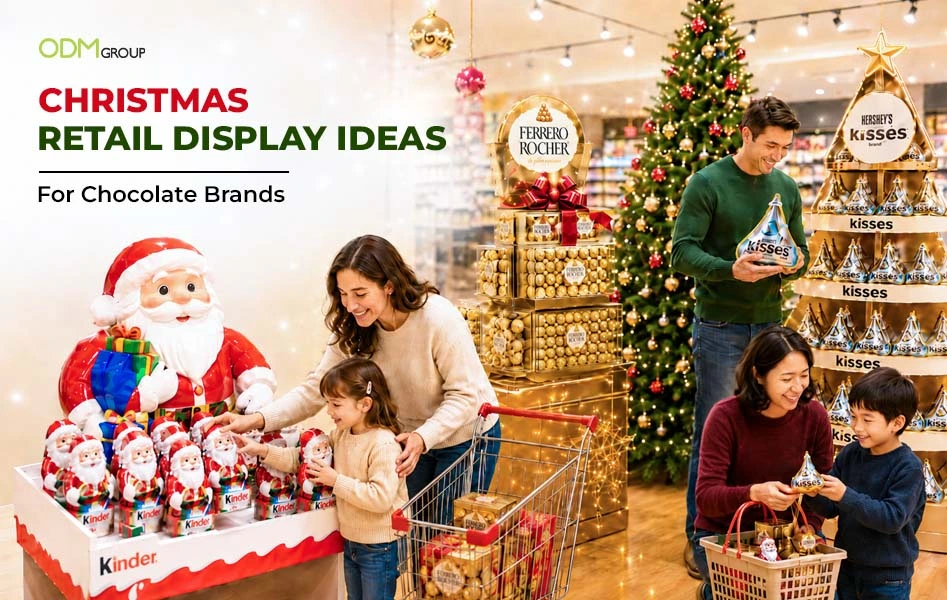
How to Plan Your Christmas Retail Display?
Before developing a display concept, chocolate brands should identify why the customer is likely to buy the product. Christmas confectionery purchases usually fall into several categories.
1. Gifting
Premium chocolate boxes, tins, and gift sets need displays that communicate value and presentation. These products may perform better in dedicated gifting areas, near wine and hampers, or at the entrance to a department store.
2. Sharing
Larger packs are often purchased for offices, family gatherings, parties, and holiday hosting. Displays for these products should emphasize quantity, variety, and convenience.
3. Stocking Fillers
Small-format chocolates, character products, and novelty items work well near checkouts, counters, and other high-traffic areas where shoppers can add them to their baskets quickly.
4. Self-Treating
Not every Christmas chocolate purchase is a gift. Limited flavors, festive designs, and seasonal packaging can also encourage shoppers to buy something for themselves.
The display format, product arrangement, campaign message, and retail location should all reflect the intended shopping mission.
Christmas Retail Display Ideas That Support Different Campaign Goals
Rather than choosing a display format because it looks festive, brands should select one that supports the campaign objective.
1. Gift-Led Displays
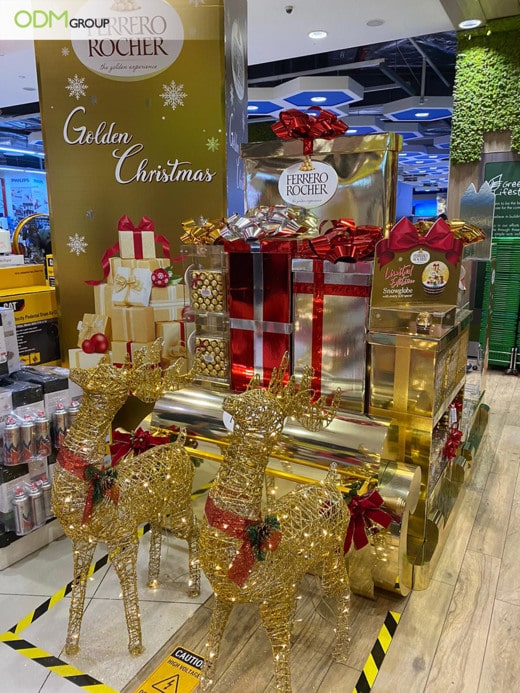
A large gift box, ribbon structure, or premium gifting wall can help transform chocolate into a more desirable present.
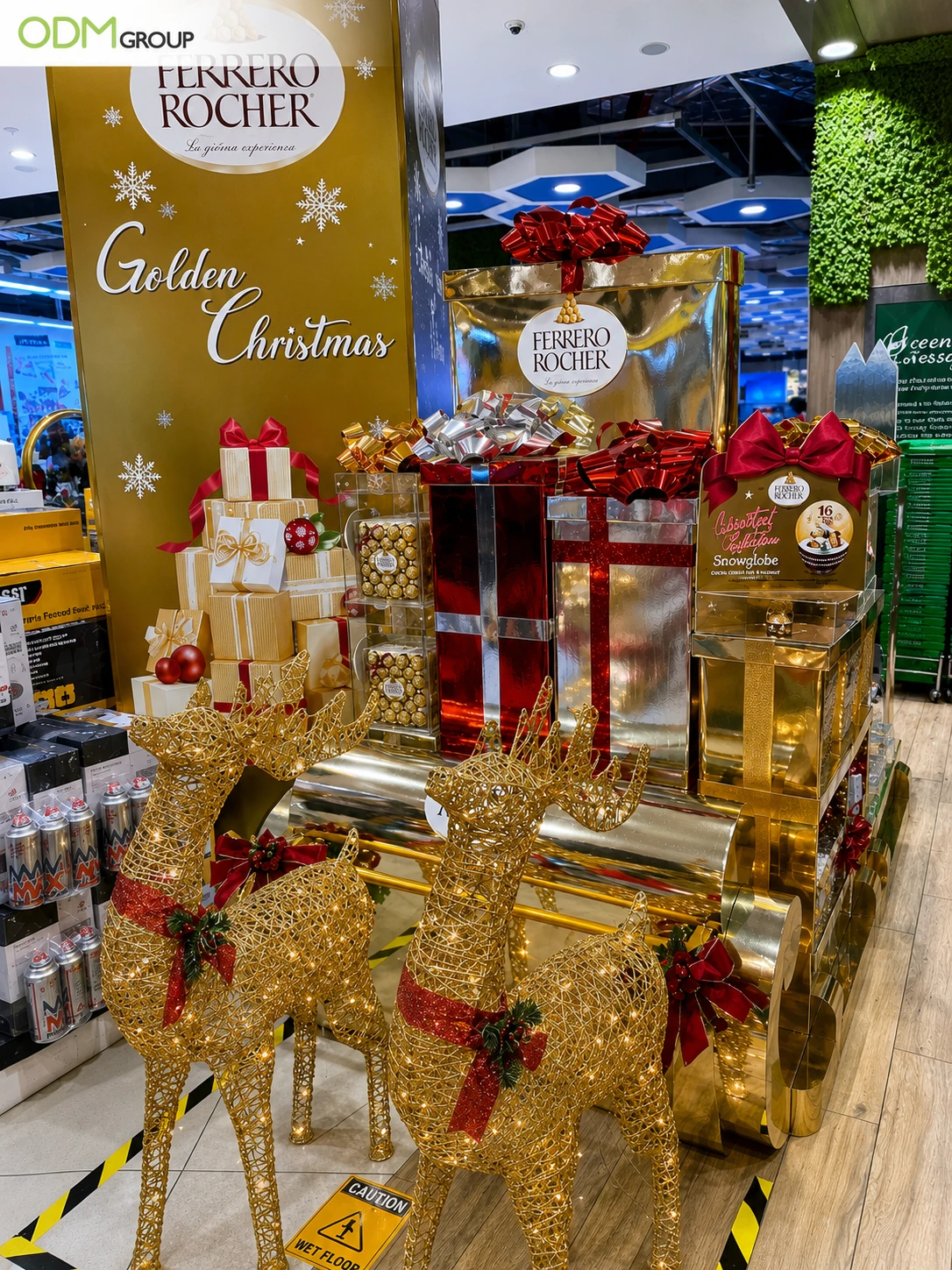
This format works particularly well for boxed chocolates, curated gift sets, and limited-edition collections. The display should make the product feel ready to give, reducing the amount of decision-making required from the shopper.
Gift-led displays can also help brands introduce different price tiers, such as small tokens, mid-range presents, and premium gift sets.
2. Advent Calendar-Inspired Displays
Advent calendar displays can create a sense of discovery, even when the product itself is not an Advent calendar.
Numbered sections, opening panels, daily offers, QR interactions, or sample compartments can encourage shoppers to spend more time with the brand.
The interaction should remain simple. A feature that is difficult for store staff to manage may lose its impact once the campaign is live.
3. Countertop Stocking-Filler Units
Smaller displays can be highly effective when placed in the right location.
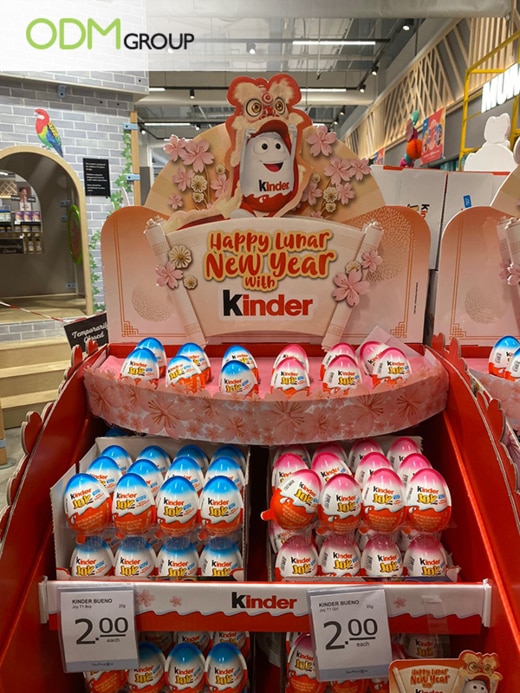
Countertop units are suitable for mini chocolate packs, coins, lollipops, character products, and lower-priced gifts. Their purpose is to make the purchase feel quick and easy.
Clear pricing and simple product organization are more valuable here than elaborate decoration.
4. Christmas Tree Displays
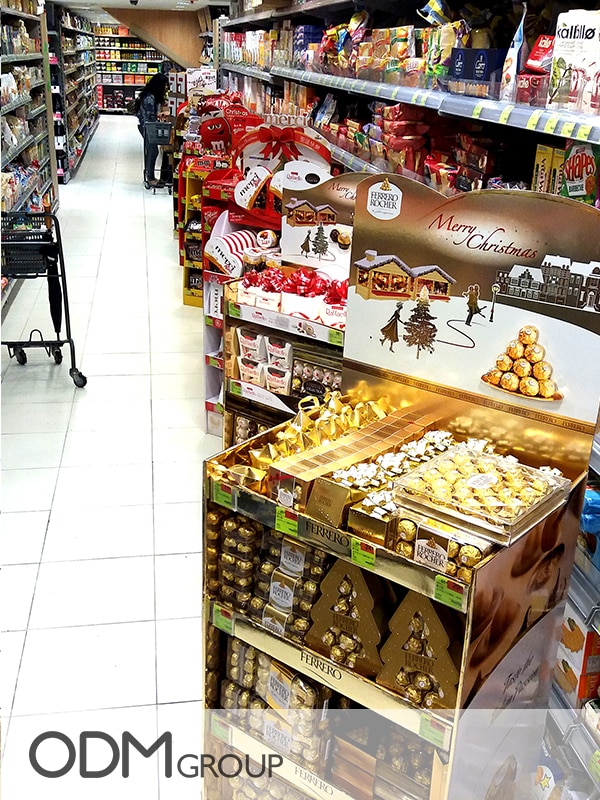
Tiered product displays inspired by Christmas trees can create height and improve visibility across a busy store.
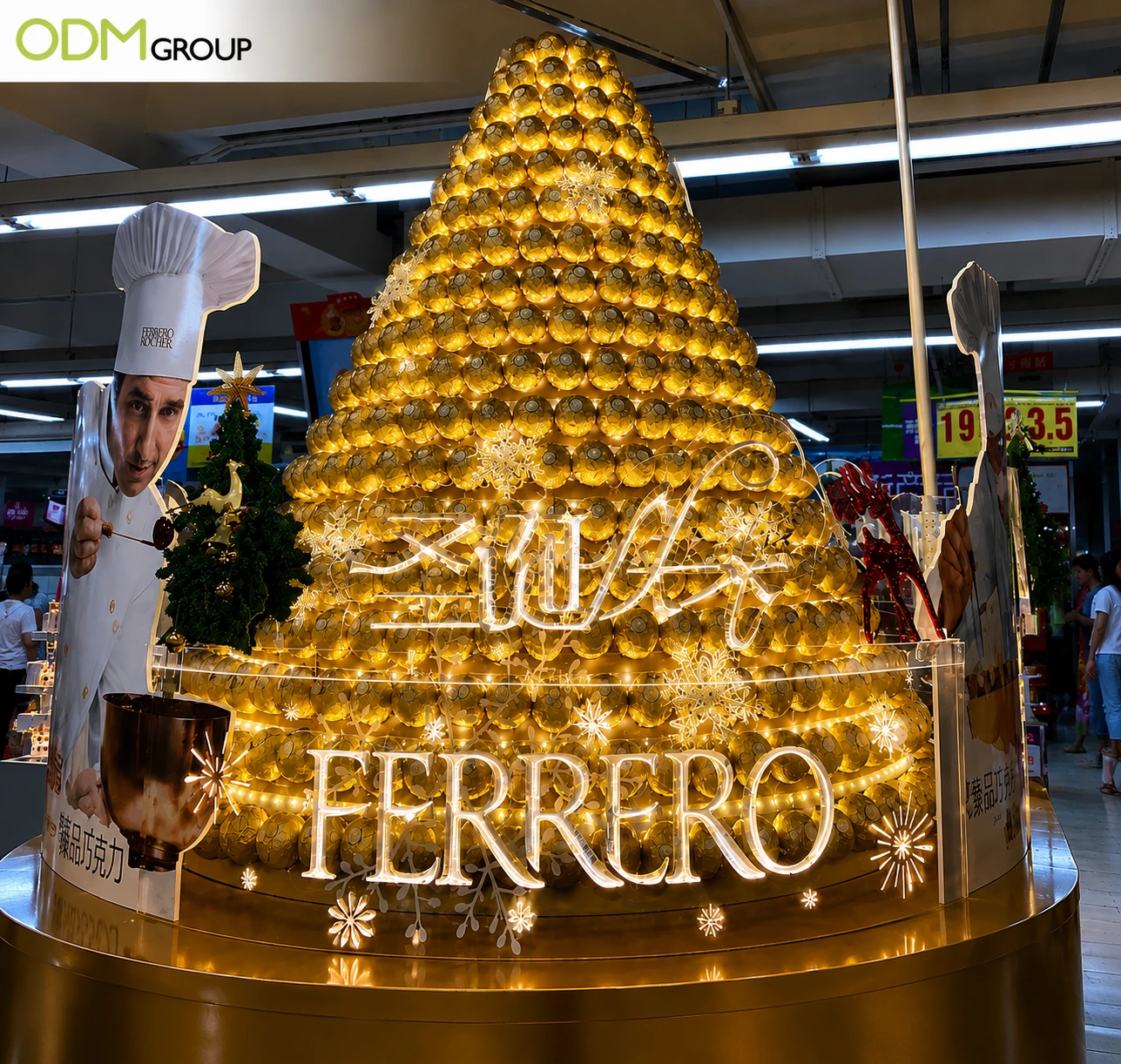
The structure can organize products by size, flavor, price, or gifting purpose. A strong branded topper can make the campaign recognizable without overwhelming the products below.
This idea is particularly suitable for store entrances, supermarket promotional areas, mall activations, and travel retail.
5. Cross-Merchandising Displays
Chocolate brands can increase relevance by placing products alongside complementary Christmas categories.
Possible pairings include:
- Chocolate and wine
- Chocolate and coffee
- Chocolate and festive tableware
- Chocolate and gift wrapping
- Chocolate and holiday hampers
- Chocolate and greeting cards
Cross-merchandising places the product within a broader gifting or entertaining occasion. It can also help brands reach shoppers outside the traditional confectionery aisle.
6. Interactive Seasonal Displays
Interactive holiday POS displays can create stronger engagement when they serve a clear purpose.
Examples include:
- QR codes linking to recipes or gifting ideas
- Digital screens showing product stories
- Spin-to-win mechanics
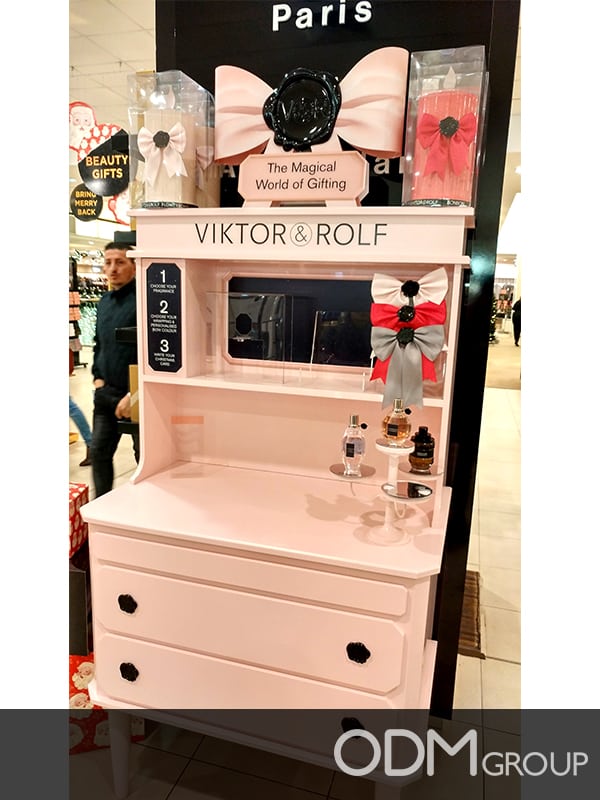
- Personalization stations
- Sampling areas
- Photo opportunities
- Gift-message features
Technology should support the campaign rather than distract from the product. The strongest interactive displays make the buying experience easier, more memorable, or more rewarding.
Packaging and Display Should Tell the Same Story
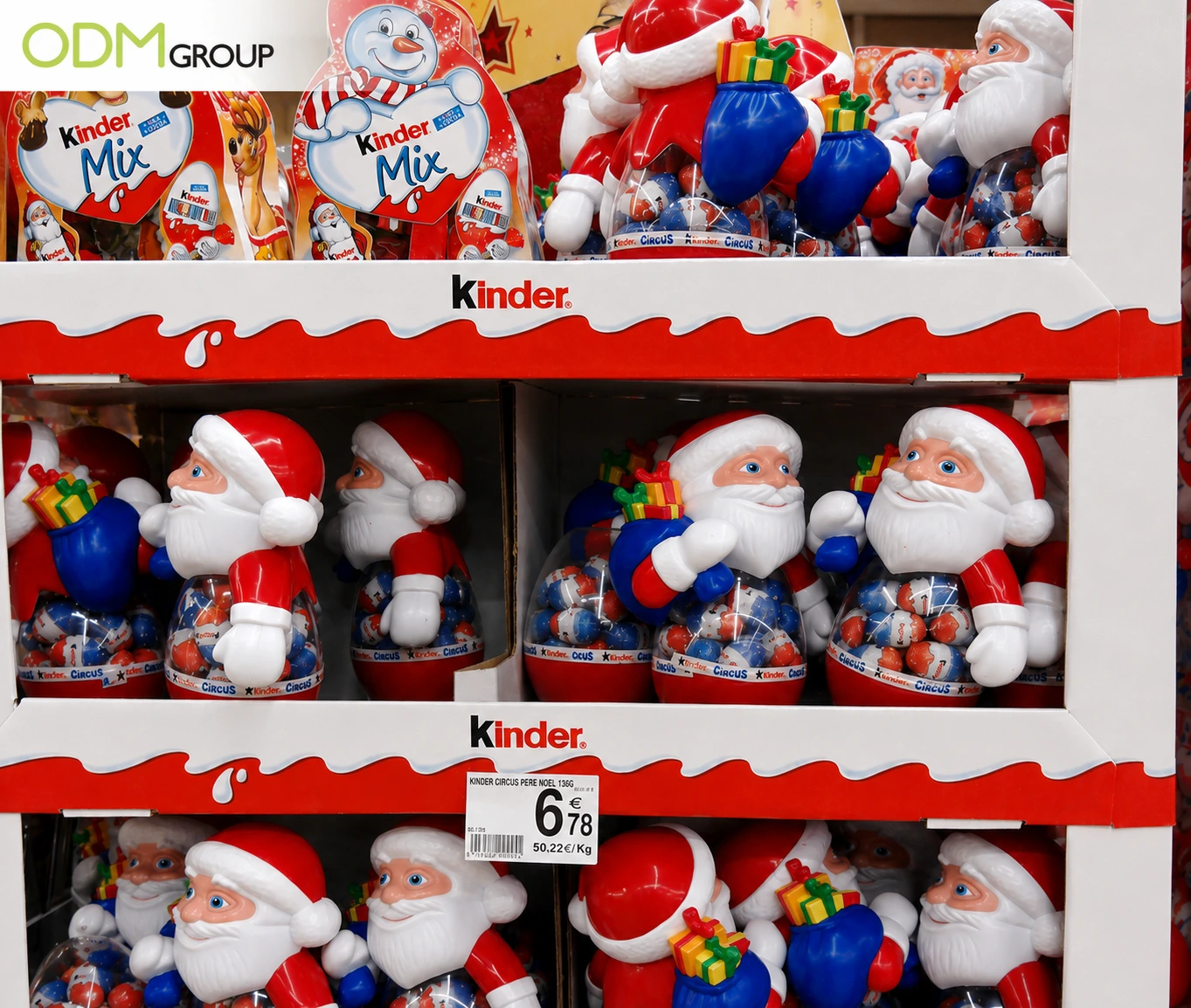
The Kinder promotion demonstrates the value of consistency. The Santa-shaped chocolate packaging created immediate seasonal recognition, while the larger retail presentation amplified the effect. Had the same products been placed among regular confectionery packs, much of that impact would have been lost.
Brands should develop packaging and POS displays as parts of the same campaign system.
The packaging may communicate:
- The product format
- The gifting occasion
- The brand identity
- The price tier
- The seasonal theme
The retail display should reinforce those messages while helping shoppers navigate the range.
For example, premium gold packaging may benefit from a refined gifting display rather than a playful cartoon structure. A novelty chocolate character may perform better in a colorful, high-energy display positioned for impulse purchases.
Consistency does not mean repeating the same graphic everywhere. It means ensuring that every campaign element supports the same commercial idea.
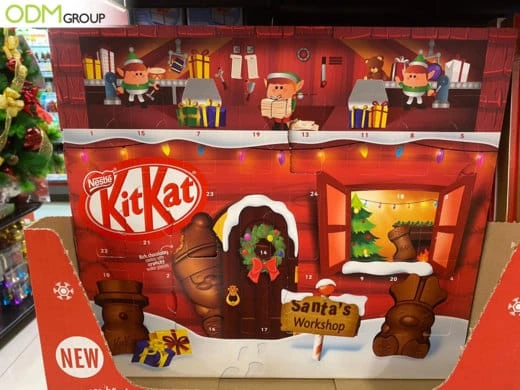
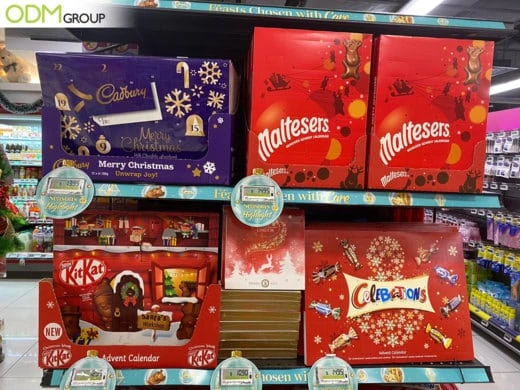
Holiday-Themed Retail Displays
Chocolates are sweet treats that are loved by all, young or old. Here are some chocolate marketing ideas that you might be interested in as well.
Moreover, we believe that packaging is an essential part in boosting sales and brand visibility. Check out these blogs for other packaging case studies where we share why packaging is important and could increase your brand value.
If you are interested in ODM Group‘s products and services, feel free to contact our staff. The company has many years of experience in the promotional products industry, with our staff willing to assist in your marketing campaigns. Furthermore, we also have an in-house design agency, Mindsparkz, who will be able to assist you with your design needs. Otherwise, you can view our blogs for inspiration! We’ve written over 8,000 blogs with many promotional product ideas that you can consider.
Frequently Asked Questions (FAQ)
What are some other packaging materials companies can use for food?
Some common food packaging materials include glass, paper, plastics and metals such as aluminum, foils and laminates and tin-free steel.
What other ways can I package my chocolate?
Besides Christmas plastic eggs like these, you could place them into Christmas Boxes. This would make your product more premium as well.
Other Related Blogs
Promotional Beer Bottle Opener: A Bottle-Shaped Gift for Brewery Campaigns
bottle shaped bottle opener, automatic bottle opener, promotional product for beer, beer promos
Custom Promotional Hand Warmers: A Practical Winter Gift for Brand
Winter is an ideal season for creative promotions and practical gifting. Custom hand warmers offer a thoughtful way to combine comfort, seasonal relevance, and memorable branding. Available in various [...]
Custom Confectionery Displays: Ideas That Win Attention In-Store
Confectionery is one of the most impulse-driven categories in retail. Shoppers may not plan to buy chocolate, candy, or snack products, but the right confectionery displays can change that [...]
19+ Promotional Products for the Music Industry That Boost Fan Engagement
Discover innovative promotional products and merchandise for the music industry. From concert giveaways to premium collector items, explore creative solutions designed to enhance fan engagement and elevate live events.
 Gallery
Corporate Board Games That Build Friendship and Connection
Branded promotional products, Drinks promotional products, Giveaway promotional items, Marketing, Observance Day Gifts, Premium promotional products, promotional gift, Promotional gifts for food industry, Promotional Products, Trending innovative promotions-


Corporate Board Games That Build Friendship and Connection
Friendship is not just personal. In business, it is strategic. Strong relationships between employees, clients, and partners directly influence collaboration, trust, and long-term success. As organizations place more emphasis on [...]
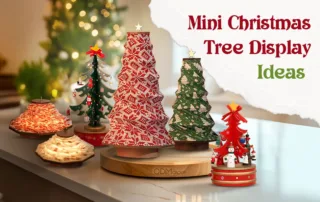
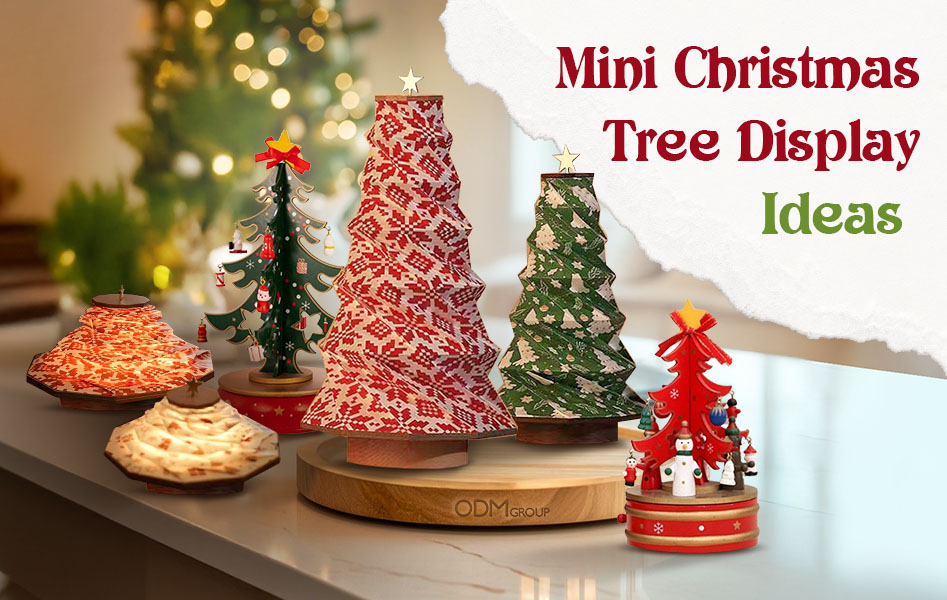
Mini Christmas Tree Display Ideas to Get Your Holiday Marketing Rocking
The Christmas season is always a magical time for retail. Stores light up, shoppers feel more generous, and brands have a golden opportunity to make their displays stand out. One [...]

8 Christmas Gift Ideas for Business
The holiday season is a crucial time for building connections and showing appreciation. Whether you're planning a corporate event, organizing year-end gifting, or thanking key partners and employees, choosing [...]
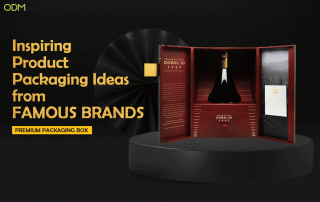
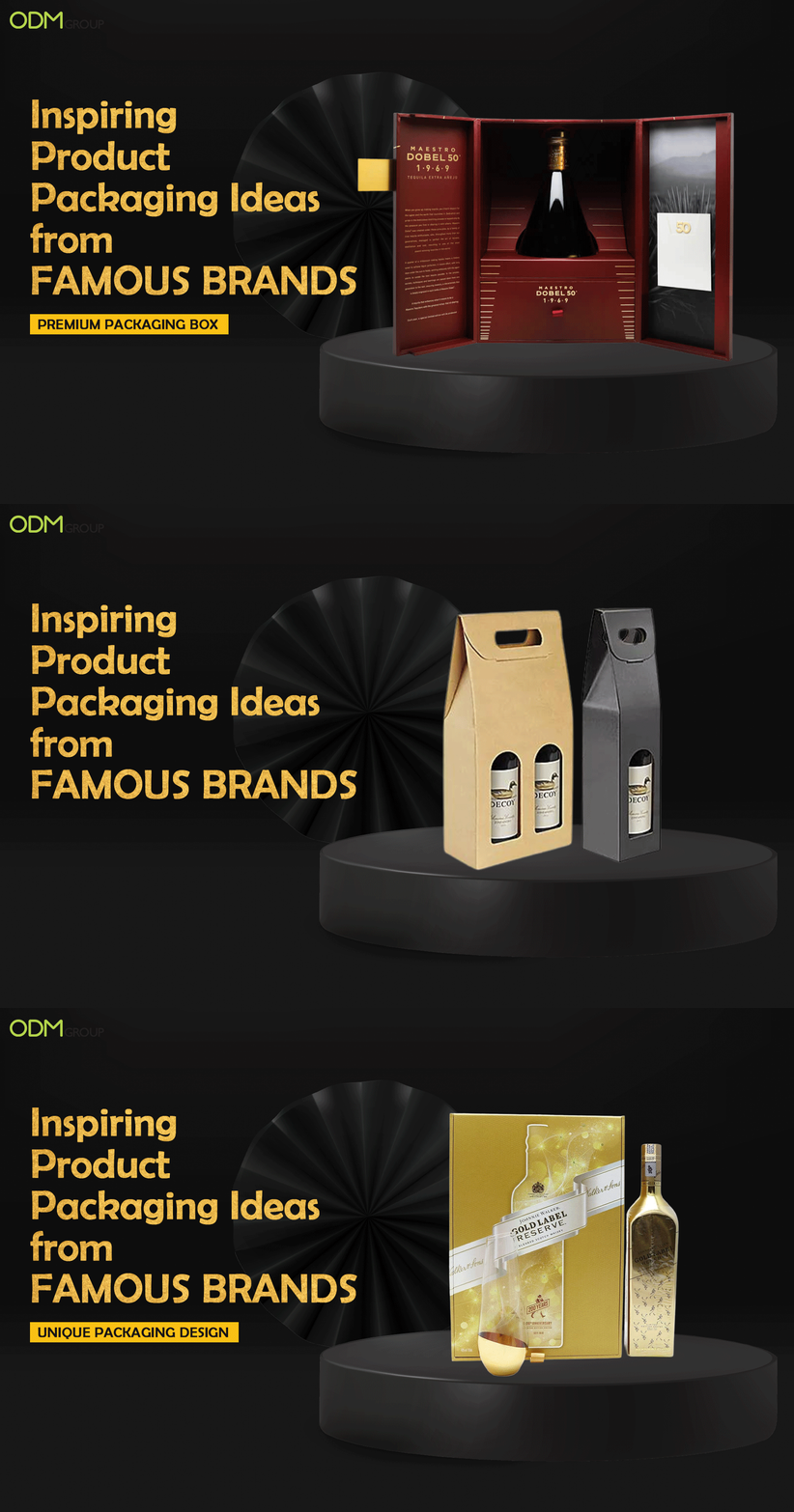
Inspiring Product Packaging Ideas from Famous Brands
Feeling overwhelmed when searching for packaging inspiration? Don’t be. We understand it’s easy to get lost because of oversaturated options, especially when they seem impractical or out of reach. [...]
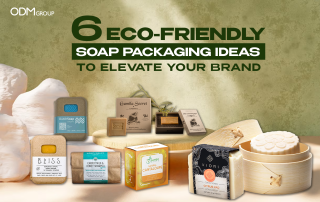
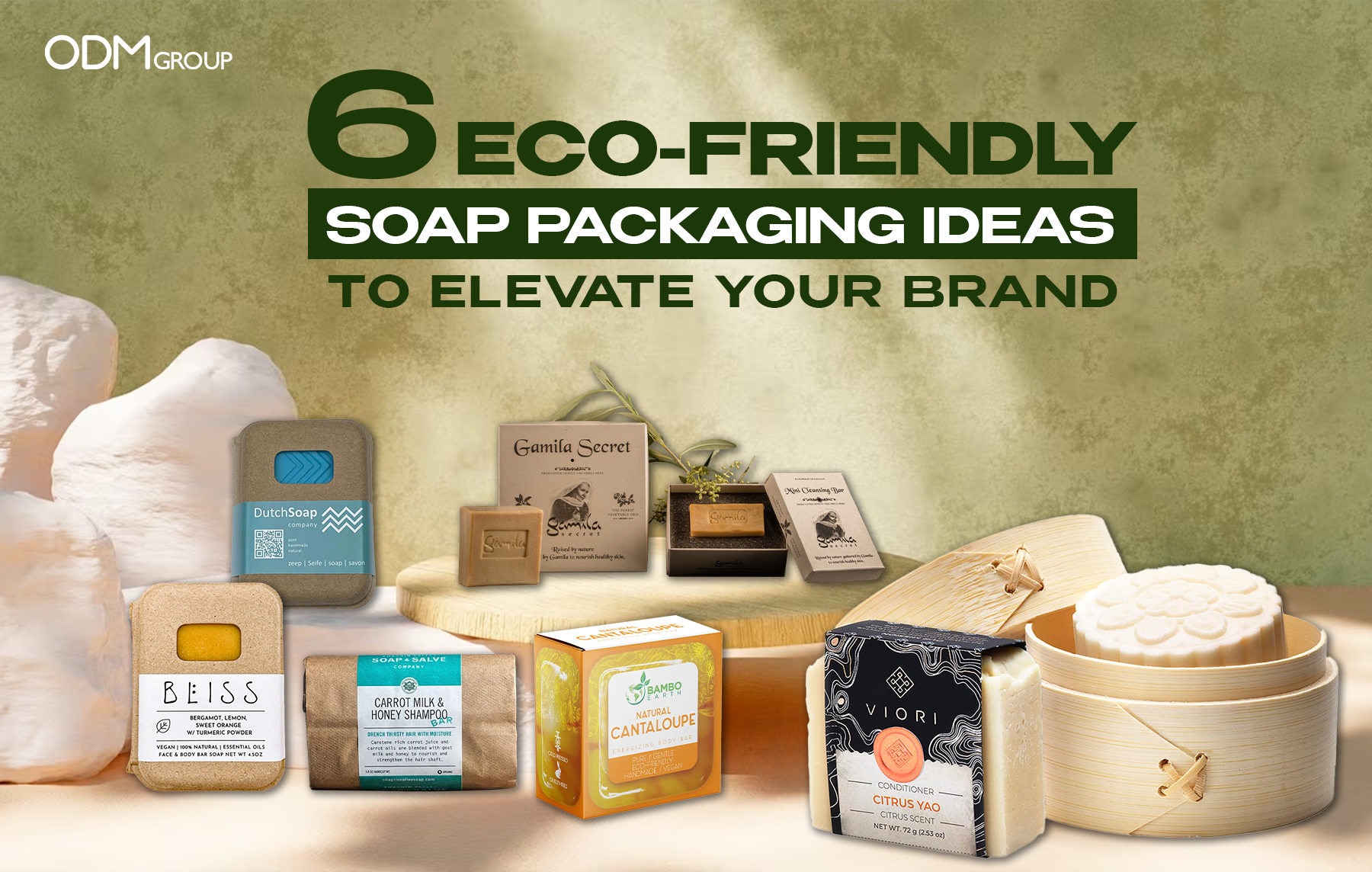
6 Eco-friendly Soap Packaging Ideas To Elevate Your Brand
Proper packaging is a powerful tool for brand identity, differentiation, and storytelling tool. It protects your soap and communicates your unique brand story and values. How you pack and [...]
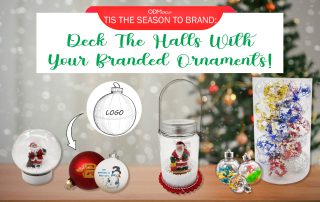

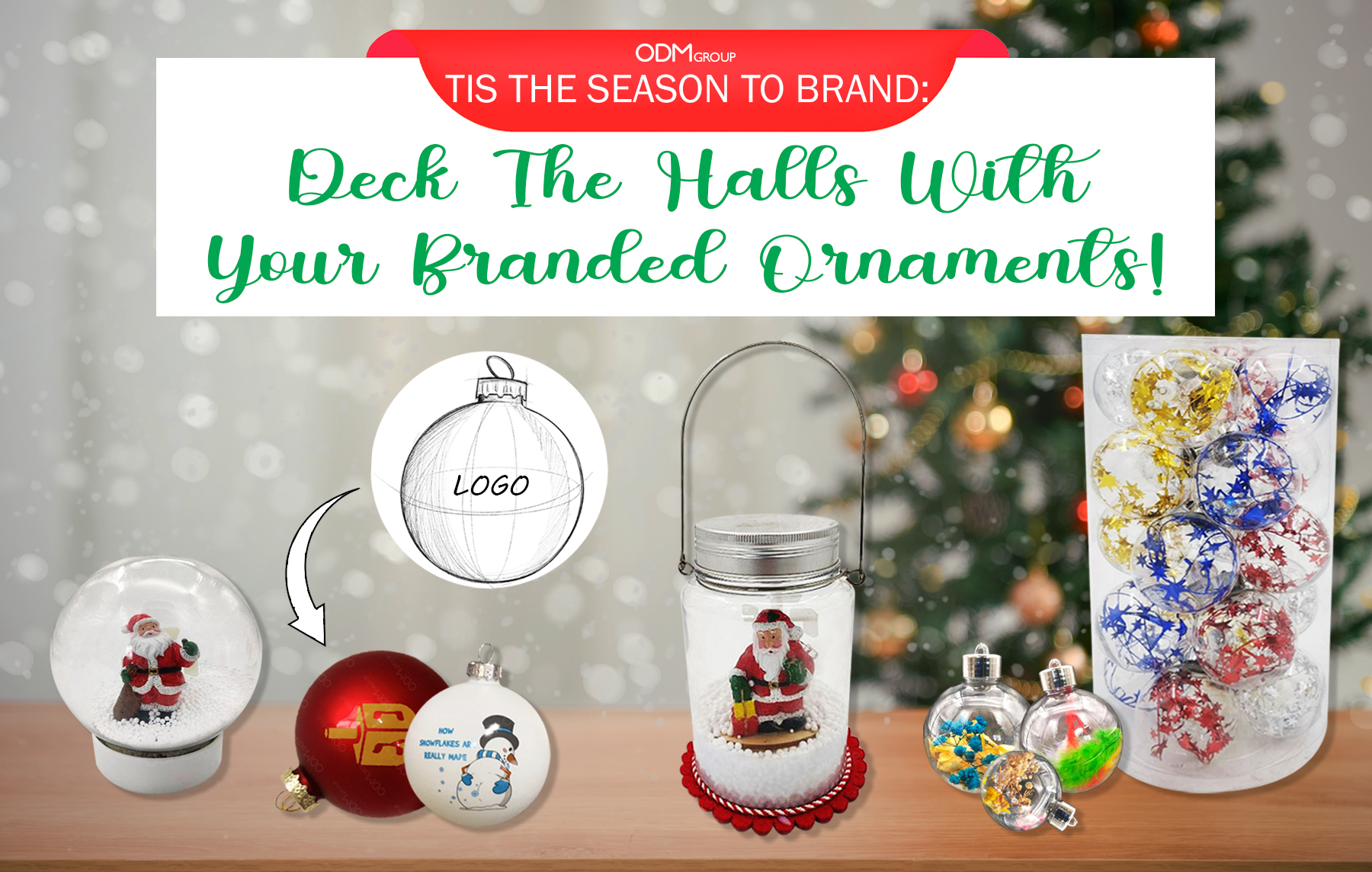
10 Promotional Christmas Ornaments To Spark Joy in Your Market!
For as long as everyone can remember, every important holiday of the year is celebrated with decorations all over the house, the streets and the stores. As the holidays [...]
Related posts:
 Christmas POS Displays – Excellent Examples by Global Chocolate Brands
 Celebrate CNY with Kinder Bueno’s Retail Chocolate Display Stand!
 The Perfect Chocolate Marketing Ideas for the Festive Season!
 Custom Retail Packaging by Viktor&Rolf- Ideal for Christmas Promotions
 Chocolate POS Display – What You Can Learn From Ferrero