
An innovative mall advertising display can do more than showcase products. It can capture shoppers’ attention, create memorable brand experiences and encourage interaction in busy retail environments. With multiple brands competing for visibility in shopping malls, businesses need creative ways to make their products noticeable, communicate their brand identity and connect with consumers.
From oversized product replicas and interactive brand activations to themed pop-up kiosks, there are plenty of creative approaches worth exploring.
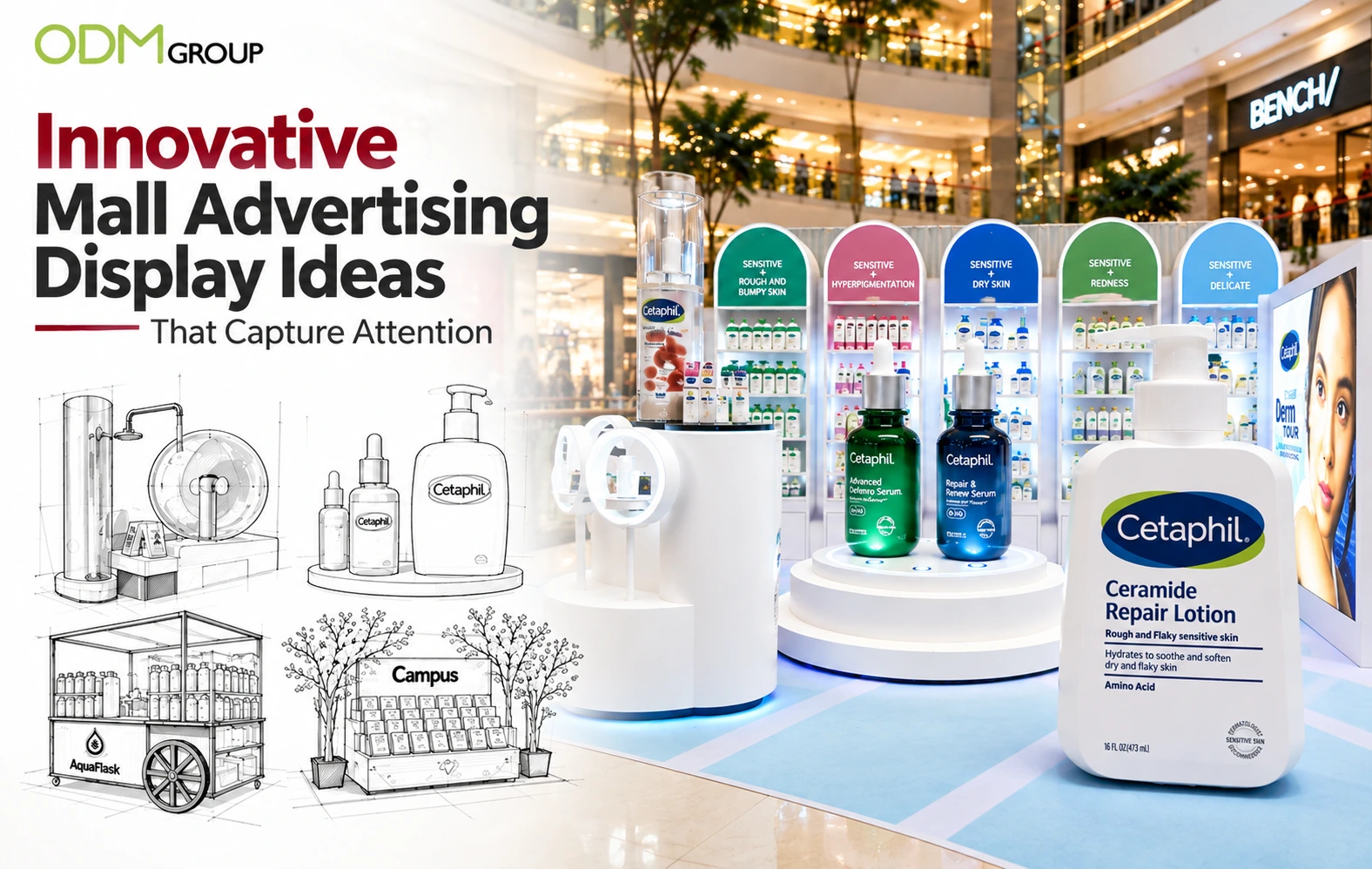
In this article, we look at nine mall display concepts, including examples we recently spotted in the market, and explain how businesses can use similar ideas when planning their next retail marketing campaign.
Disclaimer: The retail displays featured in this article are examples observed in the market and are shared for inspiration and educational purposes. They were not designed or manufactured by ODM Group.
How to Make Innovative Mall Displays Work for Your Brand
1. Make Products Stand Out with Oversized Replicas
One way to capture shoppers’ attention is to make familiar products larger than life.
Oversized product replicas transform ordinary merchandise into eye-catching visual attractions. Instead of relying entirely on conventional shelves or promotional posters, brands can use enlarged versions of their products as the centerpiece of their mall installations.
For example, we spotted a Cetaphil retail activation featuring a giant Ceramide Repair Lotion bottle positioned prominently in front of its product display. The oversized replica makes the product instantly recognizable while reinforcing the brand’s presence throughout the installation.
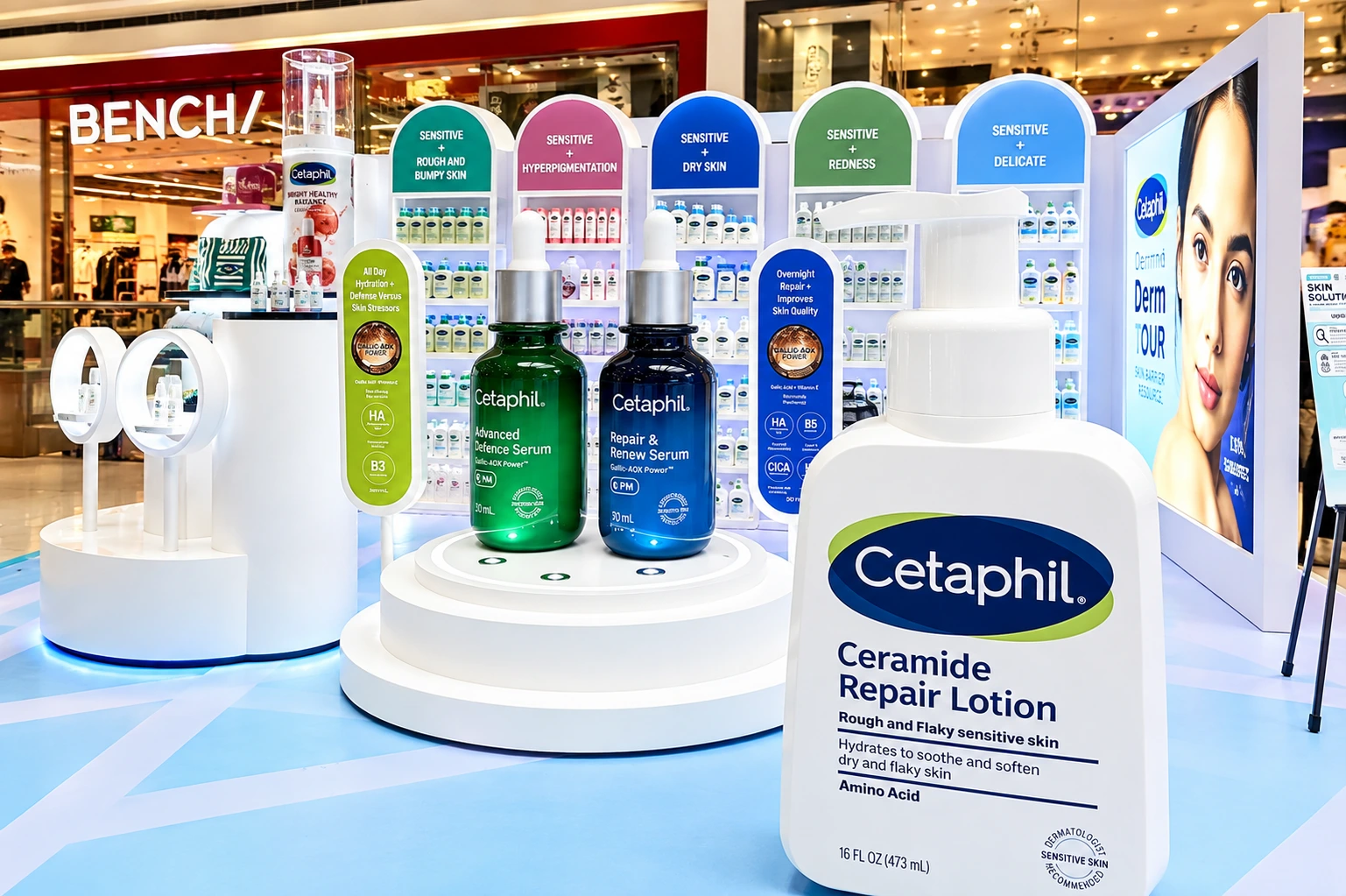
This approach is particularly effective for beauty, skincare, food and beverage brands with distinctive packaging.
How brands can use this idea:
- Create enlarged versions of best-selling products to establish a visual focal point.
- Use oversized replicas to introduce new product launches.
- Position smaller merchandise around the larger installation to encourage product discovery.
- Incorporate brand messaging and product benefits into the surrounding display.
ODM insight: Oversized product replicas require careful product modeling, material selection, and structural planning. The final design should accurately represent the original packaging while remaining stable and suitable for its intended retail environment.
2. Create Interactive Product Experience Zones
A product display becomes more interesting when shoppers can do more than just look at it.
Interactive product experience zones allow customers to explore product features, discover different variants, and participate in activities that make the brand more memorable.
We spotted several skincare brand activations featuring dedicated product zones, educational signage, illuminated displays and enlarged product installations.
The CeraVe and Cetaphil examples show how brands can organize products around specific skin concerns and benefits. Instead of presenting merchandise as a collection of individual items, the displays help communicate a more complete product story.
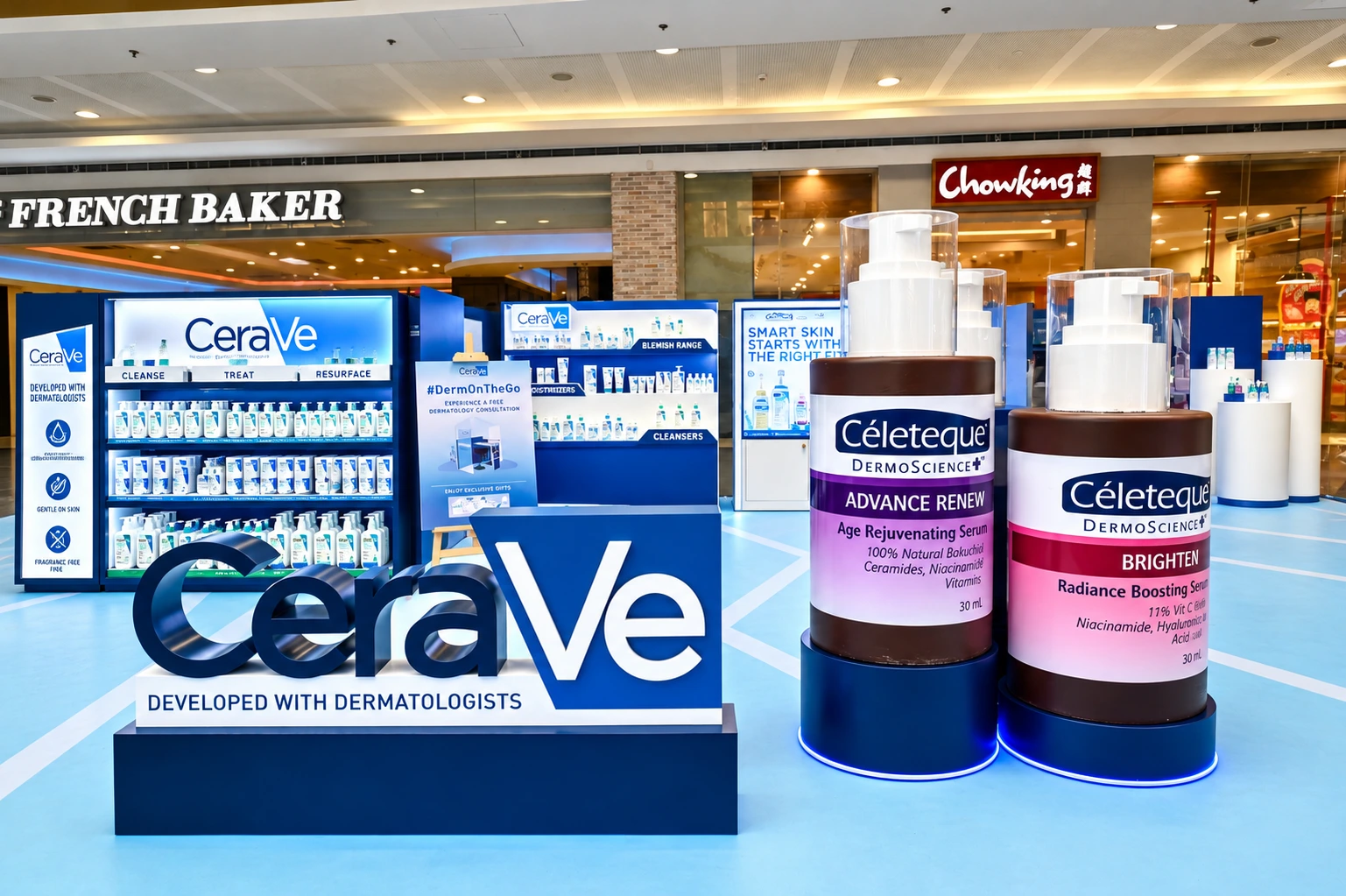
This approach is particularly useful for brands offering products that require explanation or demonstration.
How brands can use this idea:
- Add product testing stations where appropriate.
- Incorporate touchscreens that provide product information.
- Create consultation or product demonstration areas.
- Use clearly organized sections to help customers navigate different product categories.
- Include QR codes linking to tutorials, product information, or promotional offers.
The objective is to make product discovery easier while encouraging shoppers to spend more time engaging with the brand.
3. Use Oversized Branding to Establish a Strong Visual Identity
A mall installation should communicate its brand identity even before shoppers approach it.
Large three-dimensional logos, illuminated brand names, and prominent product signage can help businesses establish a strong visual presence in busy retail environments.
One interesting example we spotted was a CeraVe installation featuring a large freestanding brand logo positioned at the front of the display. The dimensional lettering makes the branding highly visible and gives the installation a recognizable identity.
This technique can work particularly well for product launches, promotional campaigns and temporary mall activations.
How brands can use this idea:
- Incorporate dimensional lettering into the front of the display.
- Use illuminated logos to improve visibility.
- Coordinate display colors with the brand’s visual identity.
- Position prominent branding where shoppers can see it from different directions.
- Combine product displays with branded architectural elements.
ODM insight: Incorporate branding into the display’s overall design rather than treating it as an afterthought. The placement, proportions, materials and lighting all contribute to the final presentation.
4. Turn Temporary Retail Spaces into Branded Destinations
Pop-up retail displays offer brands an opportunity to create temporary shopping experiences without committing to a permanent store.
However, an effective pop-up installation needs more than product shelves. Its structure, layout, and visual presentation should communicate what the brand represents.
We spotted an AquaFlask retail installation featuring dedicated product sections, branded shelving and a coordinated kiosk structure.
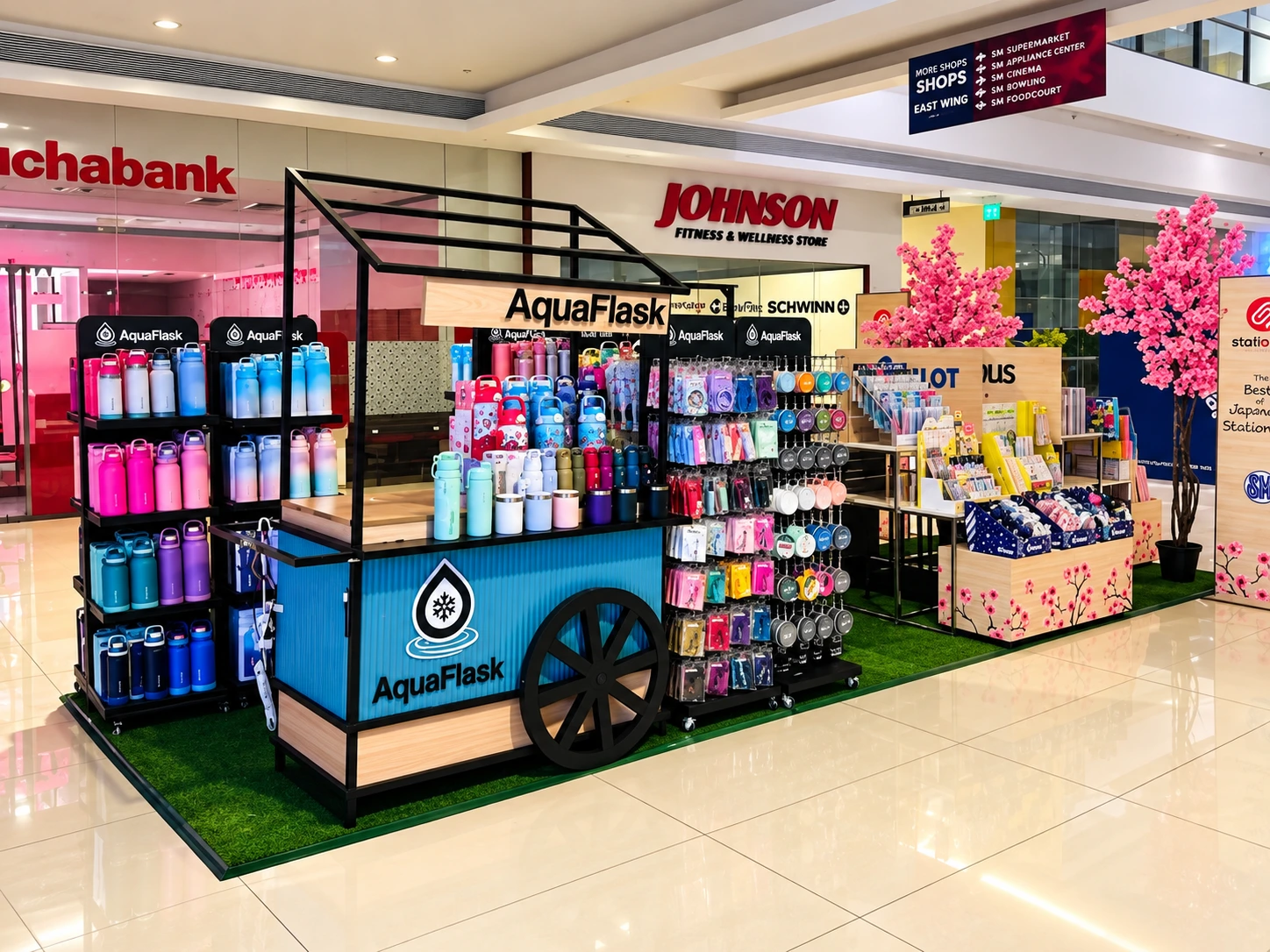
This example shows how temporary retail spaces can become recognizable brand destinations.
How brands can use this idea:
- Develop modular display structures that can be assembled and relocated.
- Use dedicated shelving for different product categories.
- Incorporate storage into the display to keep merchandise organized.
- Add branded headers and signage for better identification.
- Plan the layout to accommodate customer movement and product access.
For businesses participating in seasonal mall promotions, pop-up kiosks can provide a flexible way to introduce new products and reach shoppers.
5. Use Themed Displays to Create an Immersive Shopping Experience
A strong retail display does not always need complicated technology. Sometimes, a cohesive theme and thoughtful presentation are enough to make an installation memorable.
One example we spotted was a Japanese stationery display featuring artificial cherry blossom trees, wooden finishes, and coordinated product arrangements.
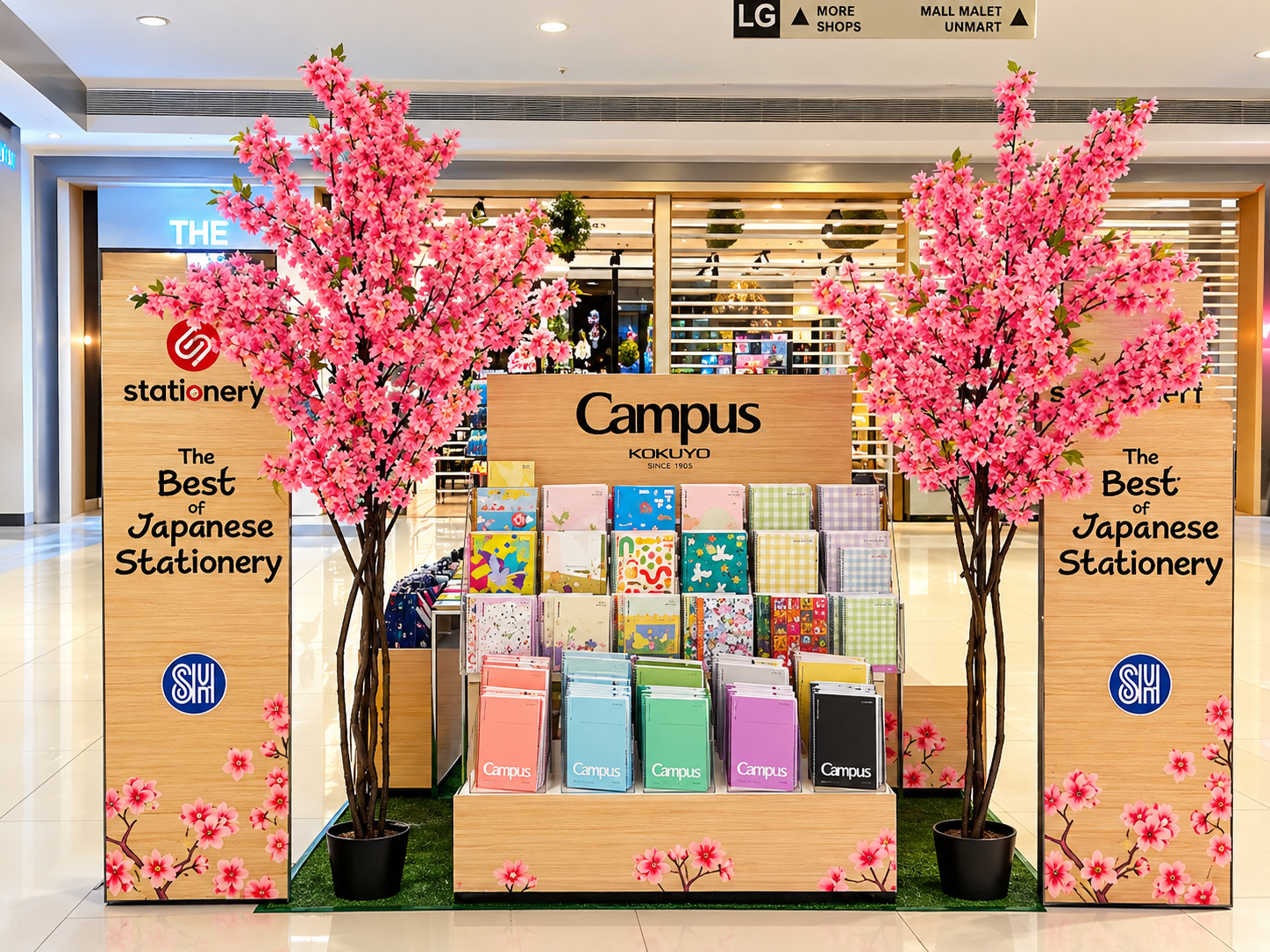
The decorative elements create a Japanese-inspired atmosphere that complements the stationery products. Rather than presenting notebooks and other merchandise on ordinary shelves, the brand creates an environment that communicates a particular aesthetic.
This is a useful approach for brands that want to establish an emotional connection with their target audience.
How brands can use this idea:
- Develop a theme that reflects the brand’s identity or product origin.
- Use decorative structures to create a recognizable environment.
- Coordinate colors, textures, and materials.
- Incorporate seasonal elements for limited-time campaigns.
- Arrange products to complement the overall theme.
Themed retail displays are particularly suitable for lifestyle products, stationery, beauty merchandise, gifts and seasonal promotional campaigns.
6. Combine Product Displays with Educational Messaging
Customers are more likely to understand a product’s value when its benefits are communicated clearly.
This is particularly important for products with multiple variants, technical features, or specialized applications.
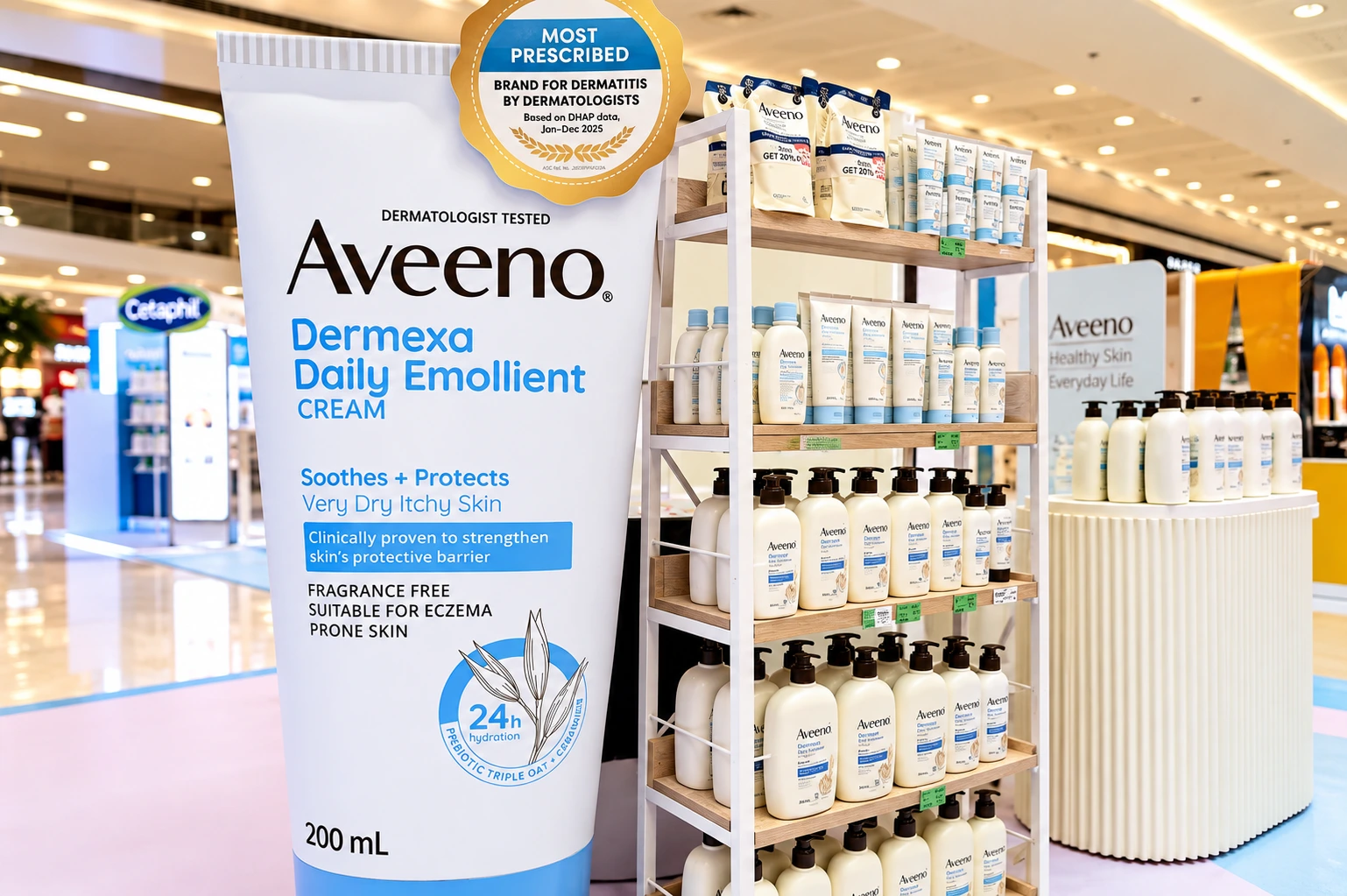
The Aveeno display we spotted is an interesting example. A prominent, oversized product representation sits alongside shelves displaying the actual merchandise. Its messaging highlights product benefits and specific skin concerns.
The approach combines visual advertising with product education.
Instead of relying on shoppers to read individual packaging labels, the display communicates important information at a larger scale.
How brands can use this idea:
- Highlight three or four key product benefits.
- Use category signage to organize different product variants.
- Incorporate comparison panels where appropriate.
- Include concise instructions or product information.
- Use digital screens to provide more detailed educational content.
Keep the messaging concise. A display should help shoppers understand the product quickly without overwhelming them with unnecessary information.
7. Integrate Digital Screens and Interactive Technology
Technology can introduce another dimension to traditional retail displays.
Digital screens, interactive touch panels, and LED installations allow brands to present information in ways that conventional printed signage cannot.
For example, a brand can use a digital screen to demonstrate how a product works, showcase different product variations or present campaign videos.
An interesting direction is to combine physical product displays with digital content. The physical installation attracts attention, while the digital component provides additional information and engagement opportunities.
Some technology options worth considering include:
- Interactive touchscreens: Allow shoppers to explore product information, features, and product recommendations.
- LED displays: Add movement, lighting effects and dynamic promotional messaging.
- Digital product demonstrations: Show how products work without requiring a salesperson to demonstrate every feature.
- QR code integration: Connect physical displays to online campaigns, product catalogs, and promotional landing pages.
- Motion-activated content: Trigger visual content when shoppers approach the installation.
Technology should serve a specific marketing purpose. Adding digital features simply because they look impressive may increase costs without improving the customer experience.
8. Design Modular Displays for Flexible Retail Campaigns
Not every brand needs a large, permanent retail installation.
For businesses that participate in multiple promotional events, modular display structures can offer greater flexibility.
A modular display is made up of components that can be assembled, rearranged or adapted to suit different locations and campaign requirements.
The AquaFlask and stationery kiosk examples provide inspiration for organizing merchandise within dedicated retail structures.
Brands can take this concept further by developing display systems with interchangeable panels, removable branding elements and adjustable shelving.
How brands can use this idea:
- Create interchangeable brand panels for different campaigns.
- Use adjustable shelving to accommodate different product sizes.
- Incorporate lightweight structural components for easier transportation.
- Design reusable display elements to reduce the need for complete replacements.
- Plan for different configurations depending on the available floor space.
For procurement teams, modularity is worth considering early in the development process. A display that can be reused across several campaigns may offer better long-term value than a single-use installation.
9. Use Unexpected Product Demonstrations to Capture Attention
Not every retail display needs an oversized product replica or digital screen to stand out. Sometimes, presenting a product in an unexpected way can be just as effective.
One example from our original article is Blu’s innovative mall advertising display. The water filtration brand used a shower-inspired installation to communicate the importance of clean water in everyday life.
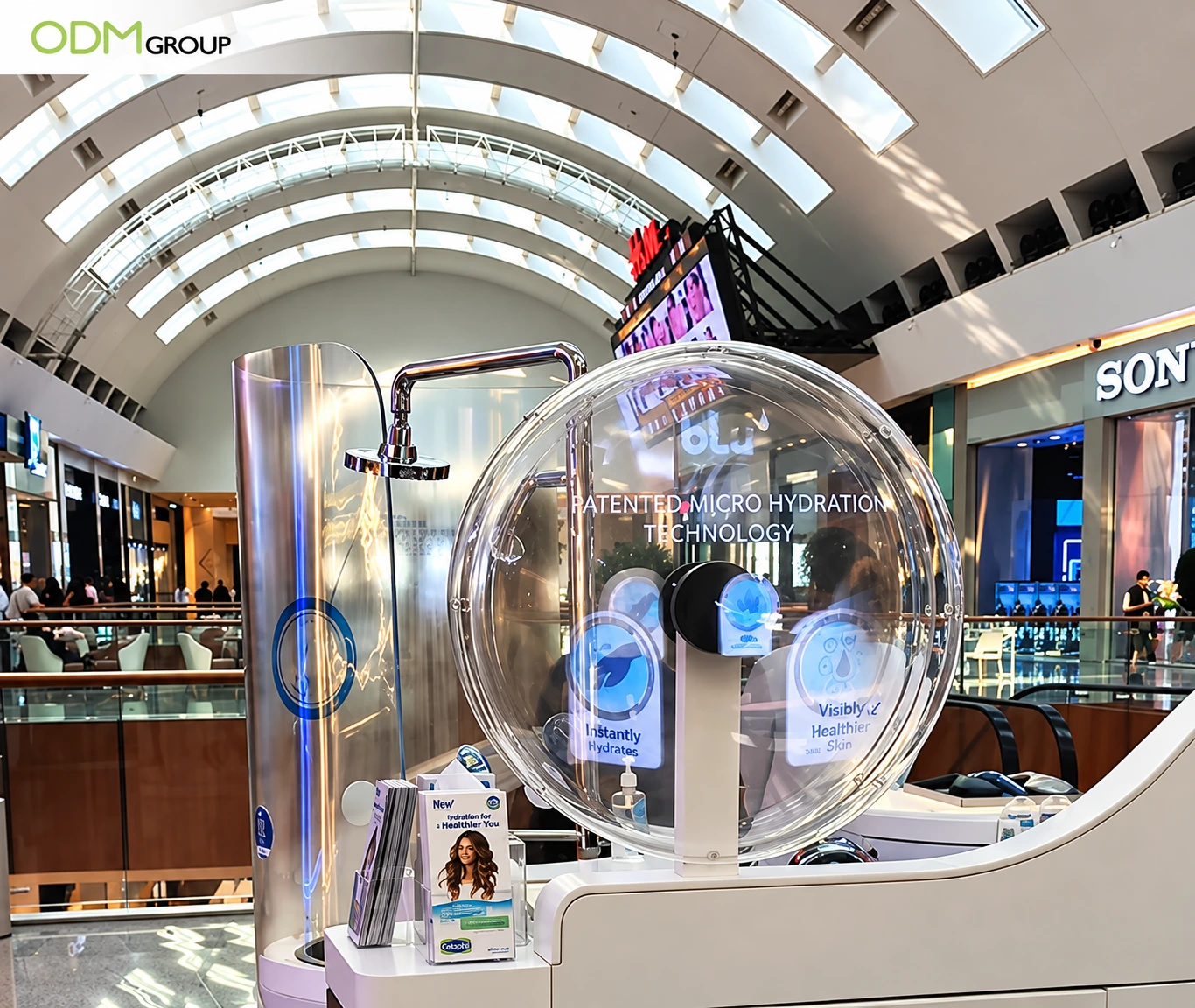
This concept is interesting because it connects the product’s purpose to a familiar daily activity. Rather than simply placing water filtration products on shelves, the installation uses a shower setting to help shoppers understand the relevance of clean water.
Another distinctive feature is its snow-globe-like table display, which adds an unusual visual element and encourages people to take a closer look.
Are you looking for a more innovative advertising display for your next marketing? Take a look at these examples from ODM.
These holographic displays are integrated with advanced technology, allowing businesses to showcase their brands effectively. Choose which design suit your company!
See more innovative display ideas below:
There’s a little similarity between Blu’s display and this advertising in retail idea we found in a Vietnam store. Take a look at this marketing.
Our team got pulled into this bespoke display by the renowned confectionery brand, M&M in an airport in Dubai. The brand utilised LED lights around its brand name and shelves for a merchandising display that is easy to see and pleasing.
In this example, Licor 43 opted for branded floor displays with LED for their Duty-Free marketing. The displays are hard to miss. Here’s why we love their LED POS product display!
The famous camel icon indeed creates a “wow” effect for this store display idea. Take a closer look at this promotion.
What Should Brands Consider When Developing a Mall Advertising Display?
Creative concepts are important, but the success of a retail display also depends on how well it is planned and developed.
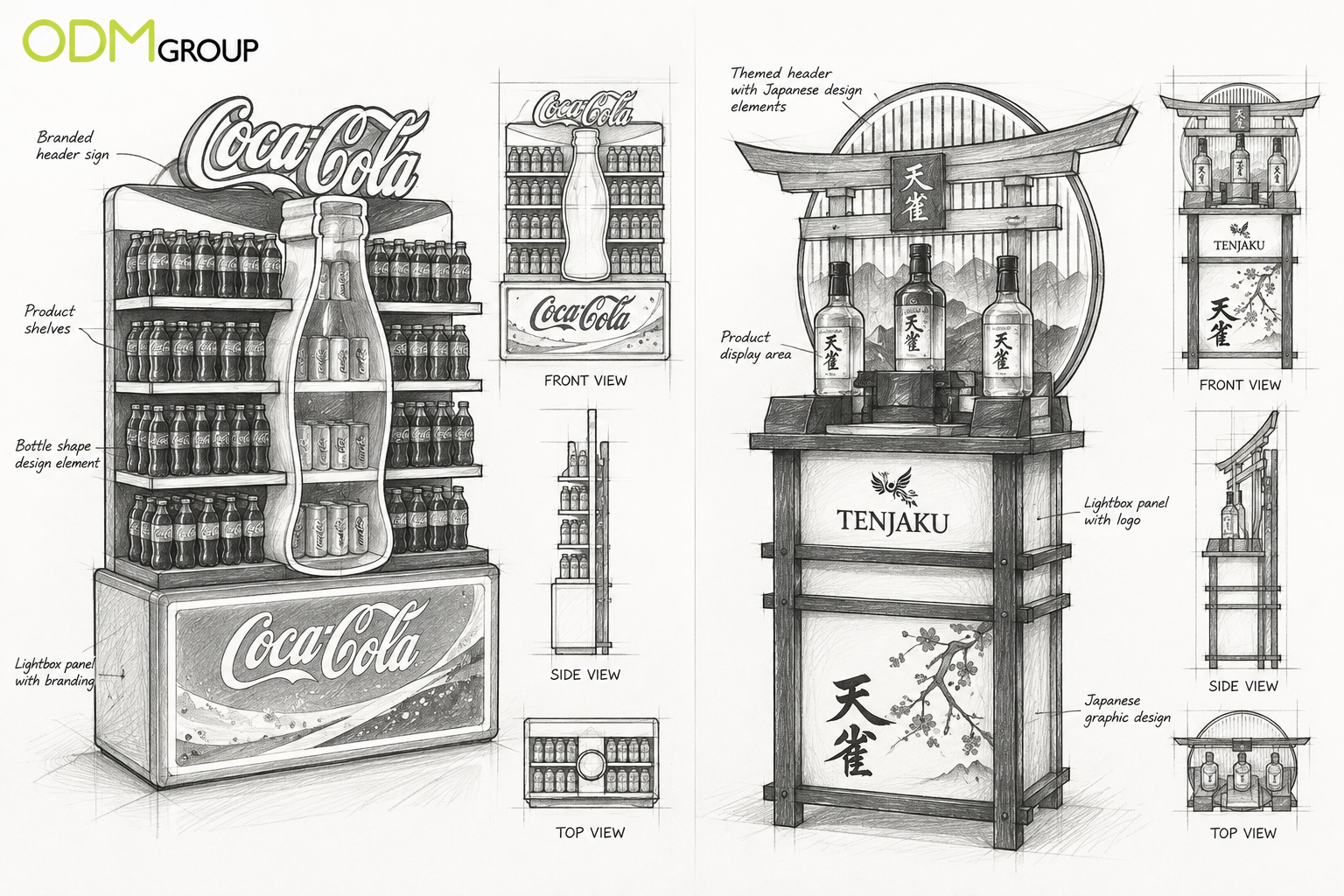
Before commissioning a custom display, businesses should consider the following factors.
1. Understand the Campaign Objective
Start by identifying what the display needs to achieve.
Is it intended to introduce a new product, increase brand awareness, encourage product trials, support a seasonal campaign or generate sales?
The objective will influence the display’s design, size, features, and overall layout.
2. Know Your Target Audience
A display should appeal to the people the brand wants to reach.
For example, a stationery brand targeting students may benefit from a colorful, accessible and themed installation. A premium skincare brand may prefer a cleaner aesthetic with illuminated product showcases and consultation areas.
3. Consider the Available Mall Space
The display must fit its designated location without obstructing customer movement or creating unnecessary congestion.
Consider its footprint, height, visibility, accessibility and storage requirements.
It is also important to check mall regulations concerning installation, electrical connections, structural safety and permitted advertising materials.
4. Choose Suitable Materials
Material selection affects the display’s appearance, durability, weight and cost.
Depending on the design, potential materials may include acrylic, metal, wood, MDF, plastics and illuminated components.
The choice should reflect the campaign’s duration, intended environment and transportation requirements.
5. Plan for Transportation and Installation
Large or complex installations may require multiple components, specialized packaging and professional installation.
Consider whether the display can be transported efficiently, assembled on-site and dismantled without damaging its components.
These requirements should be addressed during the design and engineering stages.
6. Measure Performance
A visually attractive display is only one part of a successful campaign.
Businesses should establish measurable objectives, such as customer engagement, product demonstrations, QR code scans, sampling participation, foot traffic and sales conversions.
These indicators help marketing teams understand whether the installation is delivering the intended results.
Final Thoughts:
Mall advertising continues to evolve as brands explore more creative ways to connect with shoppers.
From oversized product replicas and immersive themed installations to modular kiosks and technology-enabled displays, businesses have numerous opportunities to make their retail campaigns more engaging.
The examples featured in this article demonstrate how thoughtful product presentation, strong branding and interactive elements can transform an ordinary display into a more memorable shopping experience.
The key is to develop a concept that reflects your brand, supports your campaign objectives and gives customers a reason to stop and engage.
Develop Your Next Custom Retail Display with ODM Group
At ODM Group, we help businesses develop promotional products and custom display solutions that support their marketing and branding objectives.
From initial concept development and product design to prototyping and manufacturing, our team works with businesses to turn creative ideas into practical promotional solutions.
Whether you are planning an oversized product replica, a branded pop-up kiosk, an illuminated product showcase or a custom point-of-sale display, we can help explore the possibilities.
Have a retail display concept in mind? Contact ODM Group to discuss your next product development project.
ODM POS Display Projects
ODM designs eye-catching POS displays that amplify your in-store presence and drive sales. Our innovative designs, including LED displays, bottle glorifiers, and countertop solutions, are fully customizable to match your brand’s unique identity.
Frequently Asked Questions
What are some creative mall advertising display ideas for brands?
Brands can explore oversized product replicas, interactive product demonstration zones, themed retail installations, modular pop-up kiosks, illuminated signage and digital displays. The most suitable concept depends on the product, target audience, campaign objectives and available mall space.
How do you develop an effective retail display concept?
Developing an effective retail display concept starts with understanding the brand's marketing objectives and target audience. The process involves researching creative references, brainstorming display ideas, sketching initial concepts and considering the layout, materials, branding and interactive features. The concept should balance visual appeal with practical requirements such as accessibility, stability and installation.
What should businesses consider when designing a custom mall display?
Businesses should consider the display's dimensions, location, intended audience, materials, structural requirements, lighting, branding and installation. It is also important to consider mall regulations, transportation requirements and whether the display will be temporary or reusable for future campaigns.
Why is prototyping important when developing a custom retail display?
Prototyping helps evaluate a display concept before it moves into production. It allows businesses to review the structure, dimensions, appearance, material choices and functionality. It can also reveal potential design issues that may need to be addressed before coordinating with a manufacturing partner.
What to Read Next?
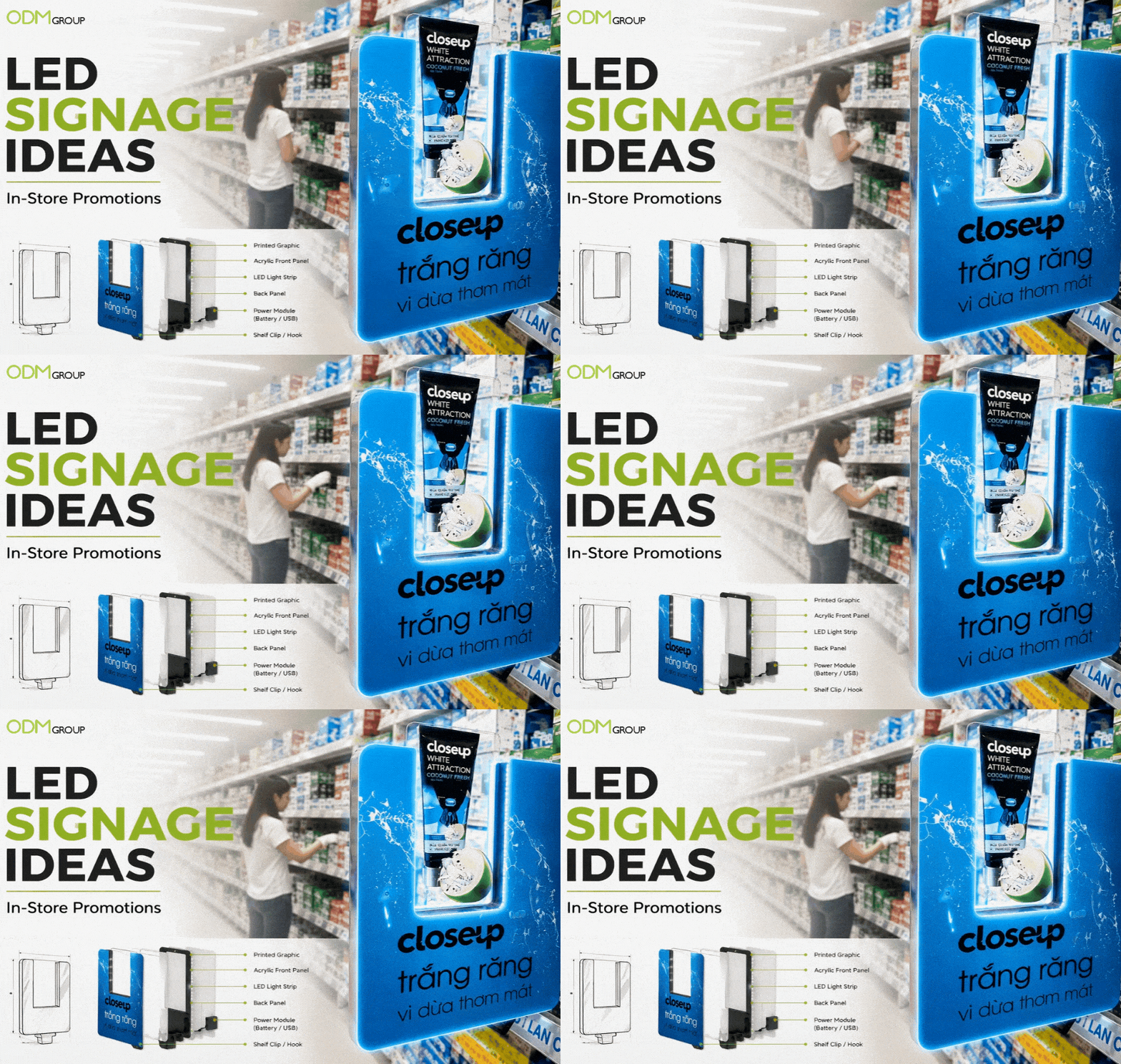
Creative LED POP Signage Ideas for In-Store Promotions
In a busy retail aisle, shoppers do not always [...]
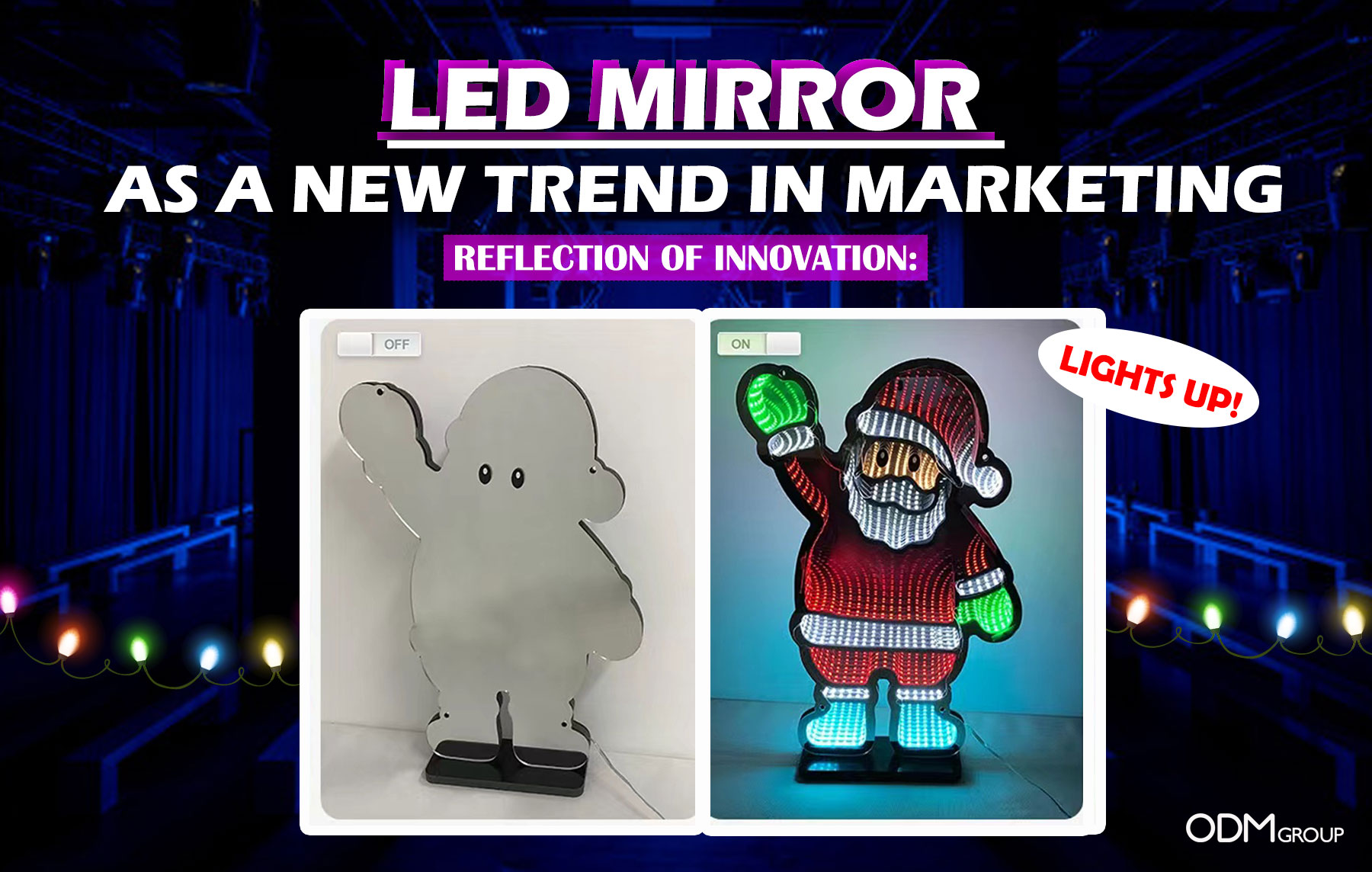
5 Ways to Improve Your Brand Image with Mirror LED Display
Needless to say, the concept of "mirror LED display" [...]

Maximizing Brand Impact: 4 Tips from An LED Display Manufacturer
As marketing strategies move forward with technology, the market [...]

4 Ways to Leave A Lasting Impression With this Innovative Display Idea
Your brand is arguably a vital part of your [...]

How Does Dior Pull in Customers With its High-End Retail Display Ideas?
With over 70 years in the industry, Christian Dior [...]