Effective liquor marketing strategies do more than place bottles on a shelf. They combine branded merchandise, retail displays, promotional packaging, and consistent campaign design to attract attention and encourage purchase.
Carlsberg offers a useful example. Through its retail promotions in Vietnam, the beer brand has used practical gifts, distinctive displays, and coordinated branding to create a stronger presence at the point of sale.
In this article, we examine four liquor marketing strategies demonstrated by Carlsberg and explain how other beverage brands can adapt them for their own promotions.
Why Liquor Marketing Requires a Coordinated Approach
Liquor brands compete in a category where packaging, price, shelf position, and brand recognition can strongly influence the purchase decision. Marketing is also subject to age restrictions, advertising standards, labeling requirements, and retail regulations that vary by market.
This makes campaign planning especially important. A promotional gift may encourage purchase, but customers must first notice and understand the offer. A display may attract attention, but it must also support the brand and present the products clearly. Packaging must protect the purchase while contributing to the overall experience.
The strongest campaigns connect these elements instead of treating them as separate projects.
1. Use Gift-With-Purchase Merchandise to Add Value
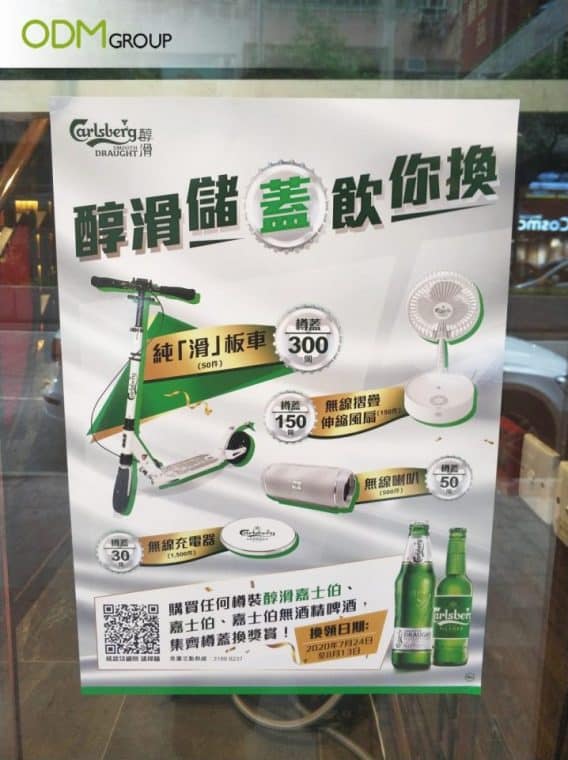
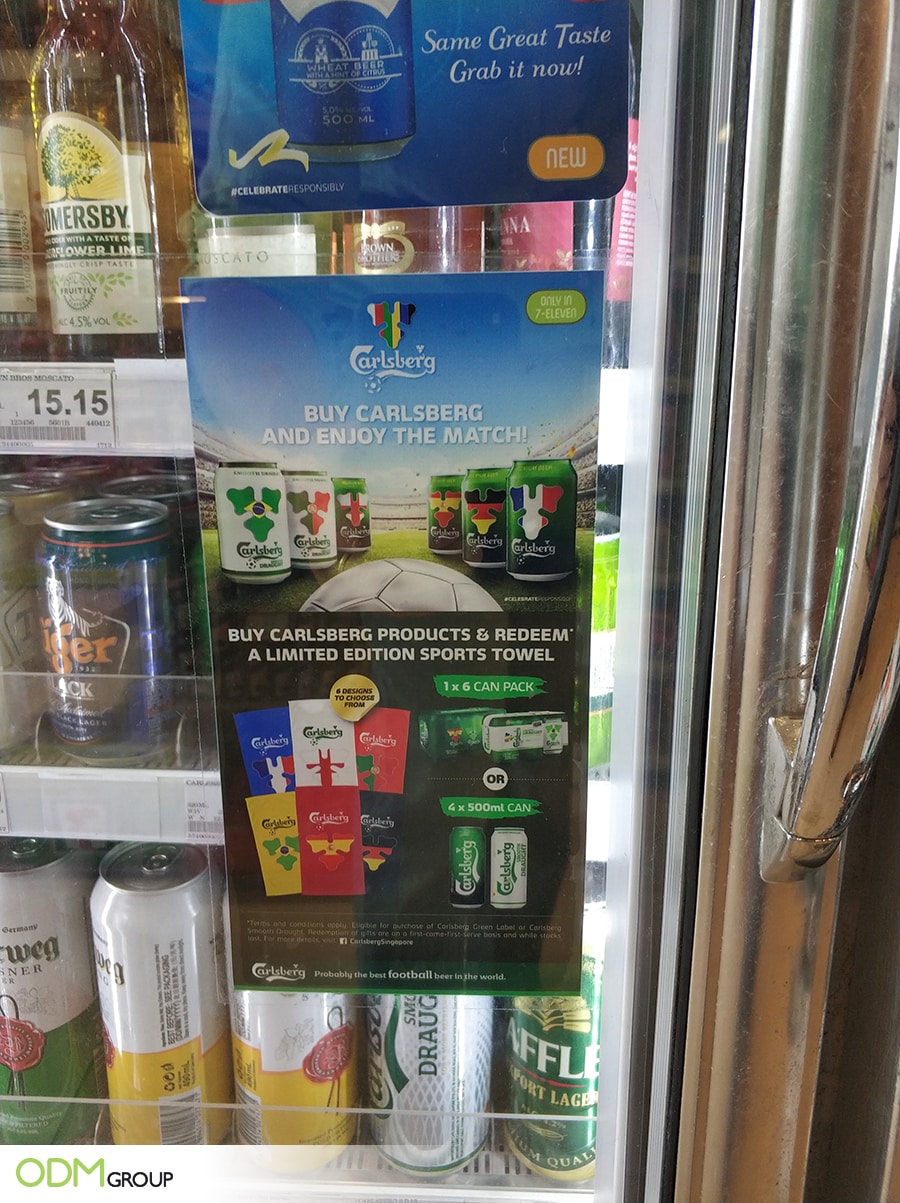
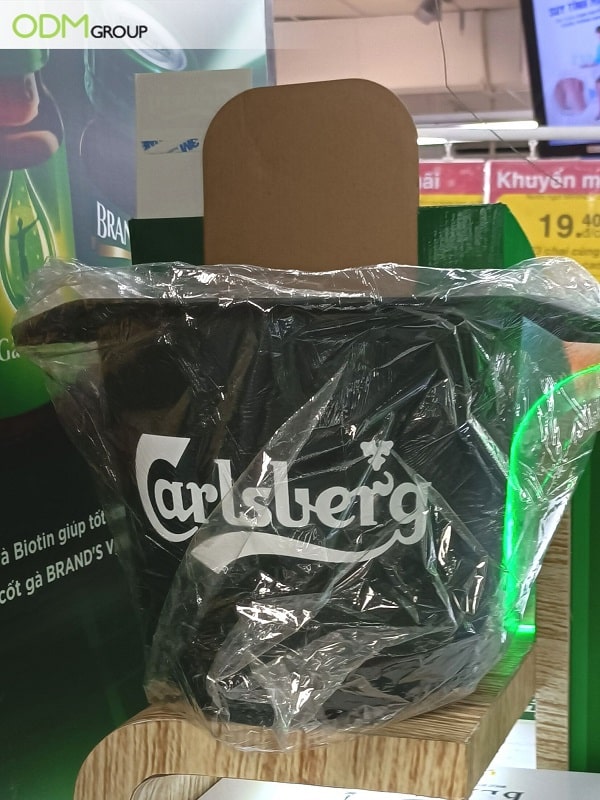
One of the most visible elements of Carlsberg’s retail activity was its use of freebie merchandise. Depending on the promotion, shoppers could receive items such as branded ice buckets, promotional thermos bottles, or custom glassware when purchasing selected products.
This is a classic gift-with-purchase strategy, but its effectiveness depends on the relevance of the gift. Drinkware, coolers, ice buckets, and bar accessories naturally extend the product experience. Customers can use them while serving, sharing, or enjoying the beverage, keeping the brand visible after the purchase.
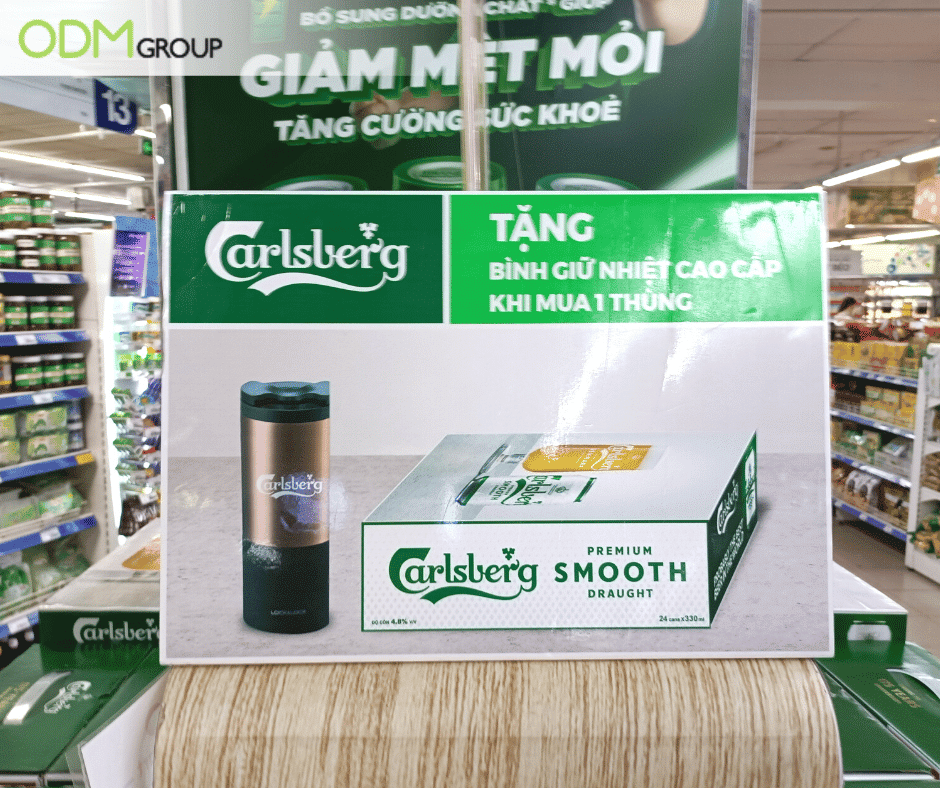
A GWP can also protect the perceived value of the main product. Instead of relying only on a price reduction, the brand gives shoppers an additional reason to choose its offer. The promotion can be structured around a multipack, a spending threshold, a seasonal release, or a limited-edition gift.
Brands do not need to offer several gifts at once. One well-designed item that fits the audience and campaign can create more impact than multiple generic products.
Before selecting a gift, consider:
- Who will receive and use it
- How closely it relates to the beverage
- Whether it supports the intended brand positioning
- How it will be packed, displayed, or redeemed
- The target quantity, budget, and distribution schedule
These decisions help turn the merchandise into a campaign asset rather than a simple giveaway.
2. Create Retail Displays That Interrupt the Shopper Journey
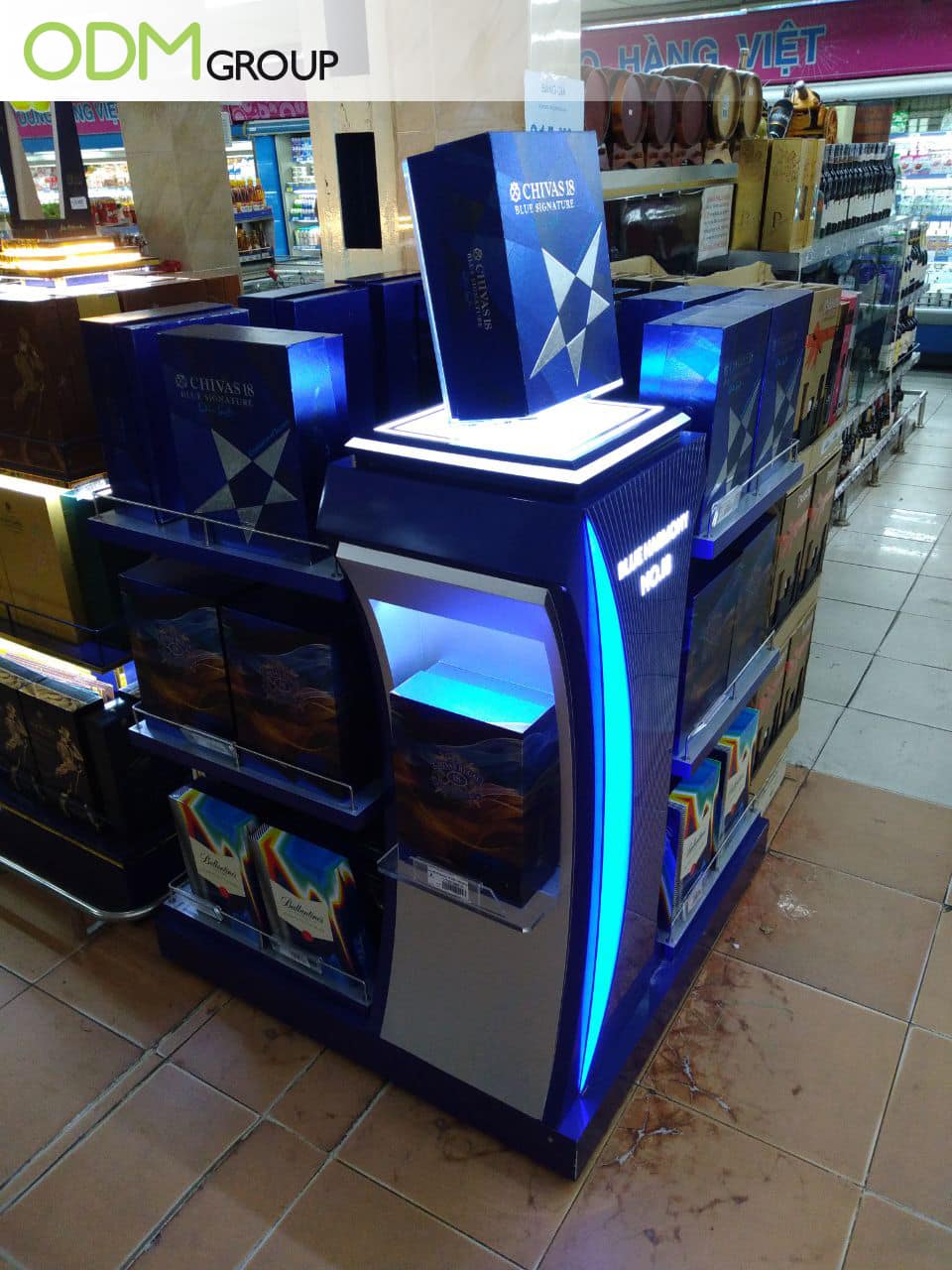
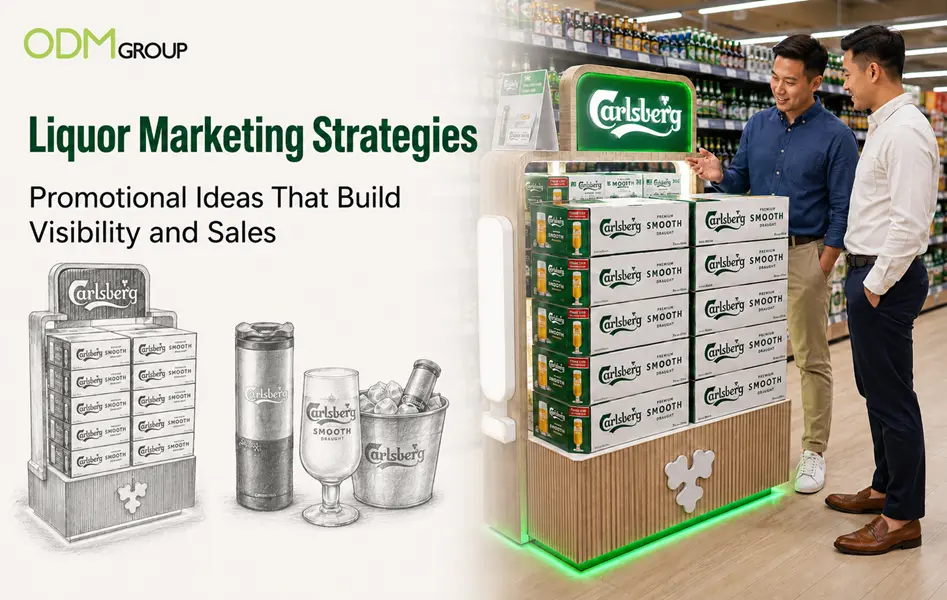
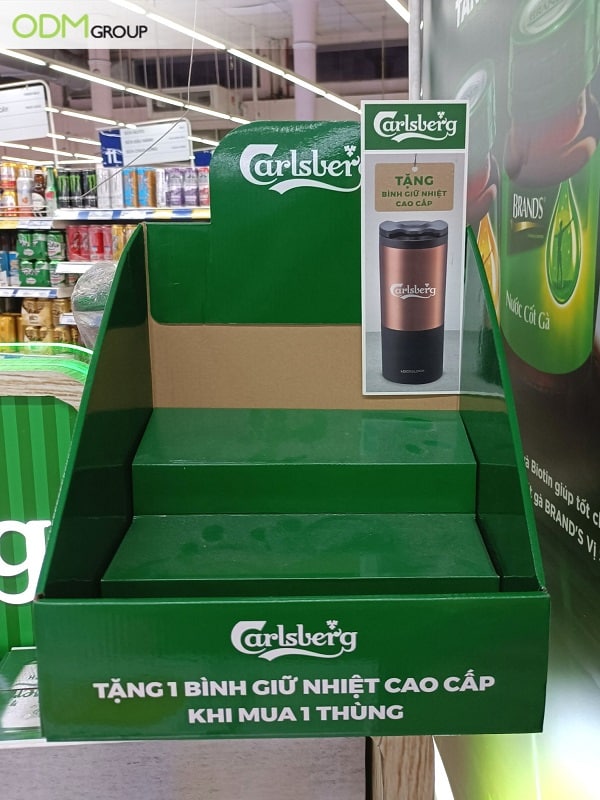
Carlsberg also invested in branded retail presentation. Its illuminated display, glass elements, and wood-effect construction helped create a recognizable space around the products.
This matters because beverage aisles are visually crowded. Competing bottles and cartons often have similar formats, and shoppers may make decisions quickly. A well-designed liquor display stand can interrupt that journey and draw attention to a launch, promotion, or featured product range.
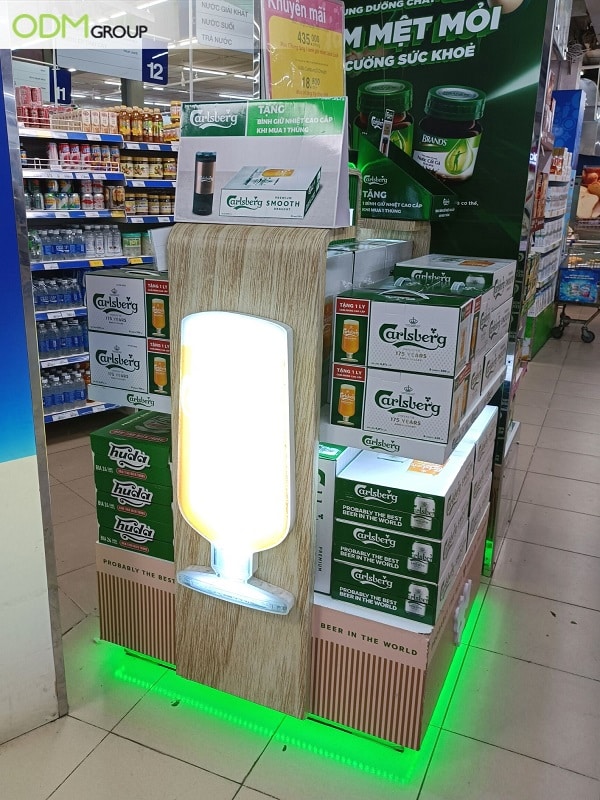
However, visibility alone is not enough. A display should communicate the offer within seconds. Shoppers need to understand which product is included, whether there is a promotional gift, and what action they must take.
Useful display formats can include:
- Countertop units for small products or redemption gifts
- Shelf frames and shelf talkers for existing retail fixtures
- Bottle glorifiers for premium or limited-edition products
- Floor-standing display units for multipacks and larger campaigns
- Illuminated elements for nightlife, hospitality, or premium retail settings
Materials should be selected according to the campaign duration and environment. Cardboard may suit a short-term rollout, while wood, metal, acrylic, or mixed-material structures can support longer campaigns or premium positioning.
The display must also be stable, easy to assemble, suitable for the available retail footprint, and practical for store staff to replenish.
3. Turn Packaging Into Part of the Promotion
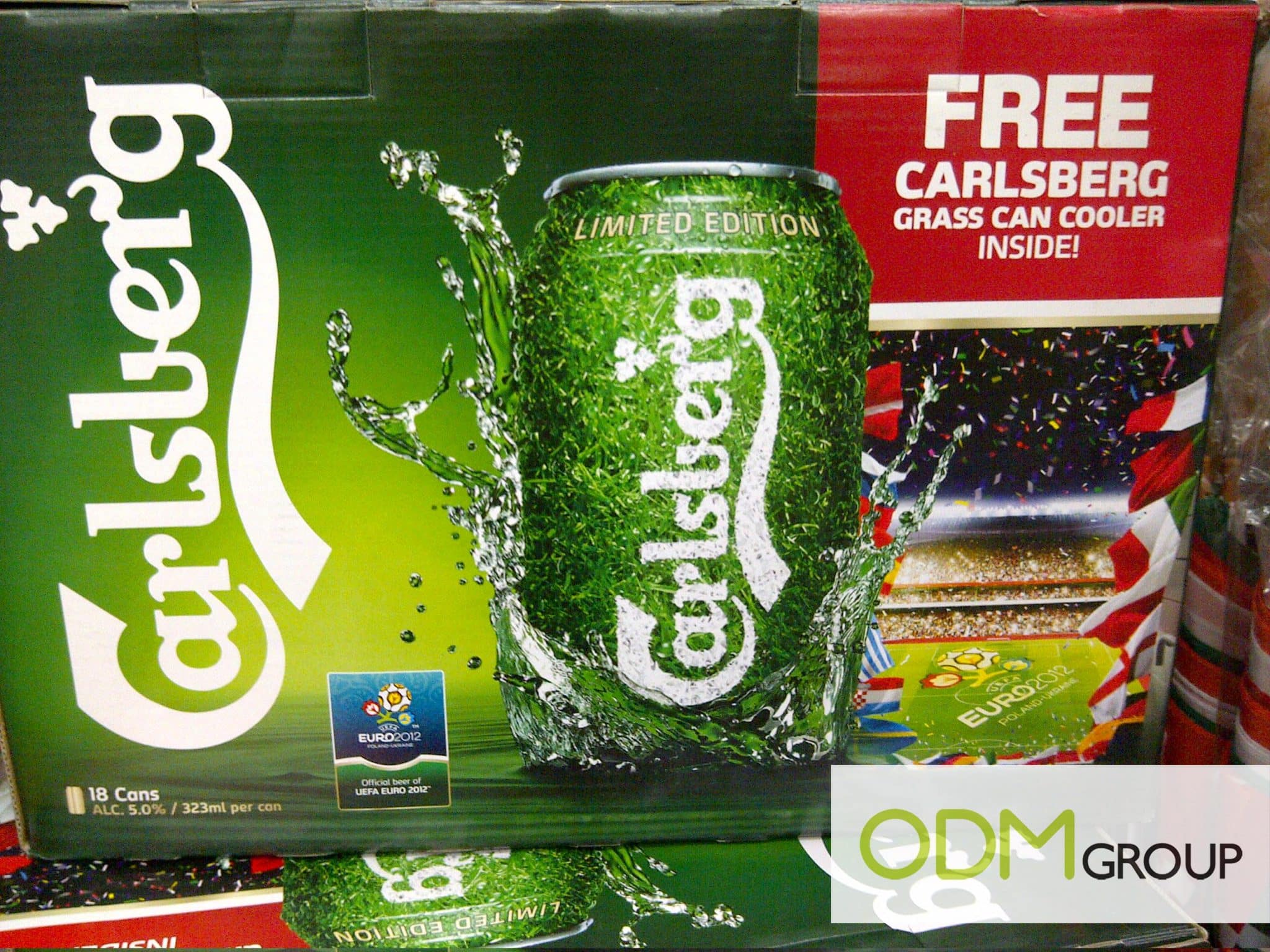
Carlsberg’s promotional packaging did more than contain the products. The addition of a carry handle made multipacks easier for shoppers to transport while creating another visible branded surface.
This illustrates an important point: packaging can support both convenience and communication. It protects the bottles or cans, presents the products as a coordinated set, and gives the brand space to explain the promotion.
For beverage campaigns, custom packaging can be developed around:
- Multipack and bundle promotions
- Gift sets with glassware or bar accessories
- Limited-edition seasonal releases
- Influencer and public-relations kits
- Premium presentation boxes
- Gift-with-purchase redemption packs
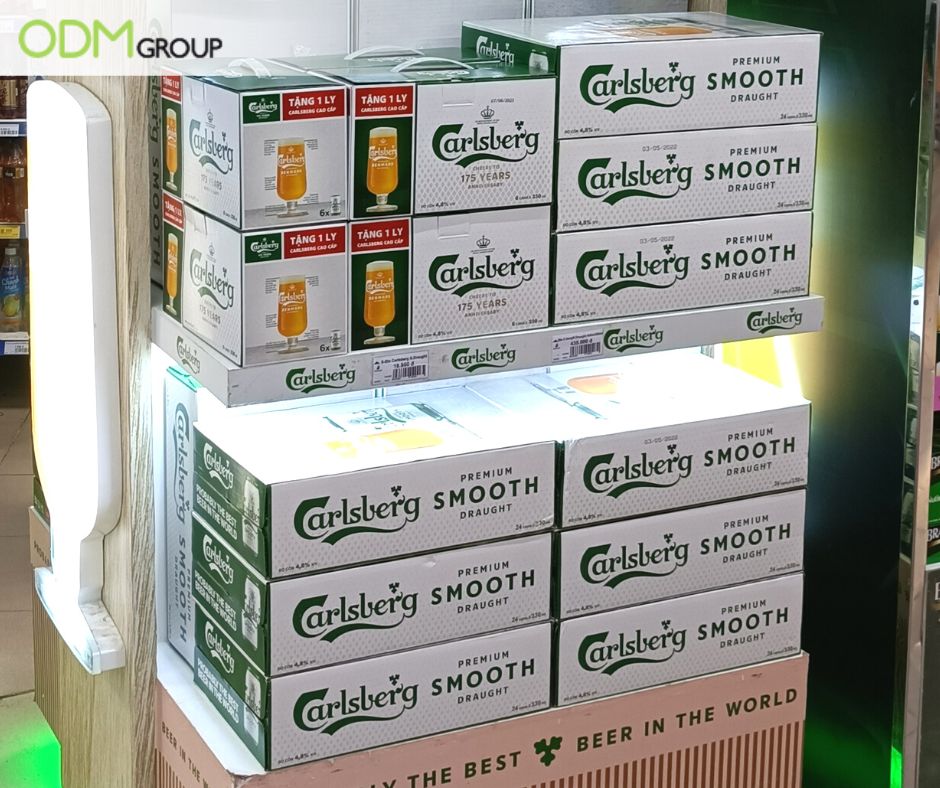
Structural details can make a significant difference. Carry handles, fitted inserts, opening mechanisms, windows, dividers, and reusable components can improve the customer experience. At the same time, graphics can reinforce the campaign message and help the pack stand out on the shelf.
Packaging should be planned alongside the merchandise—not after it. This allows the structure to fit the product correctly, control packed volume, reduce unnecessary materials, and withstand handling throughout distribution.
4. Build One Consistent Campaign Identity
Carlsberg applied its visual identity across multiple touchpoints, including its displays, glassware, tumblers, ice buckets, and packaging. This consistency made the promotion easier to recognize inside the store.
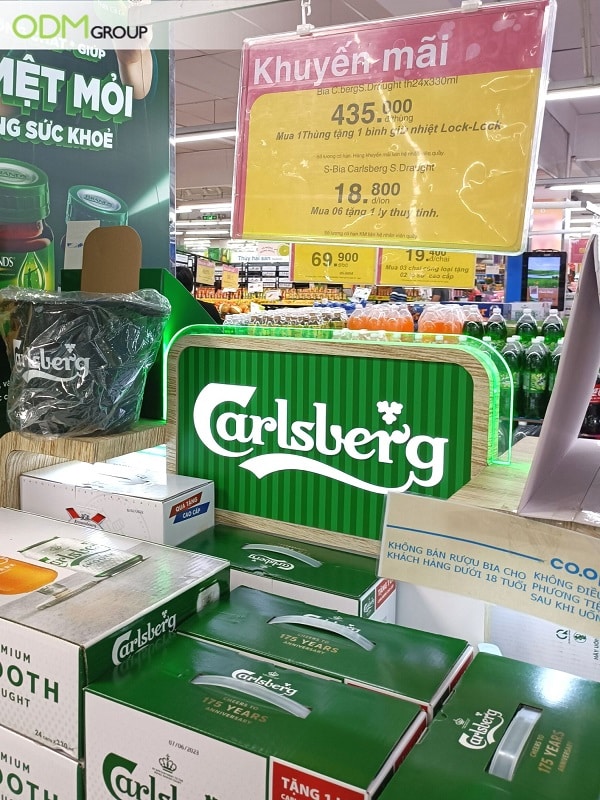
Effective branding is not simply a matter of placing the largest possible logo on every item. The objective is to create a connected family of campaign materials.
Depending on the product and manufacturing method, branding can include:
- Printed or engraved logos
- Brand-matched colors
- Custom shapes and structural details
- Campaign graphics or seasonal artwork
- Branded components, labels, and packaging
- Coordinated finishes across different materials
Logo size, placement, contrast, and production method should be considered during design development. A premium glass set may call for subtle decoration, while a temporary retail display may need stronger visual communication from a distance.
When merchandise, packaging, and displays share the same design language, the campaign feels deliberate rather than assembled from unrelated promotional items.
Carlsberg never failed to impress our team with its liquor marketing strategies for the past years. Here are some of the brand’s marketing ideas we featured before.
 Gallery
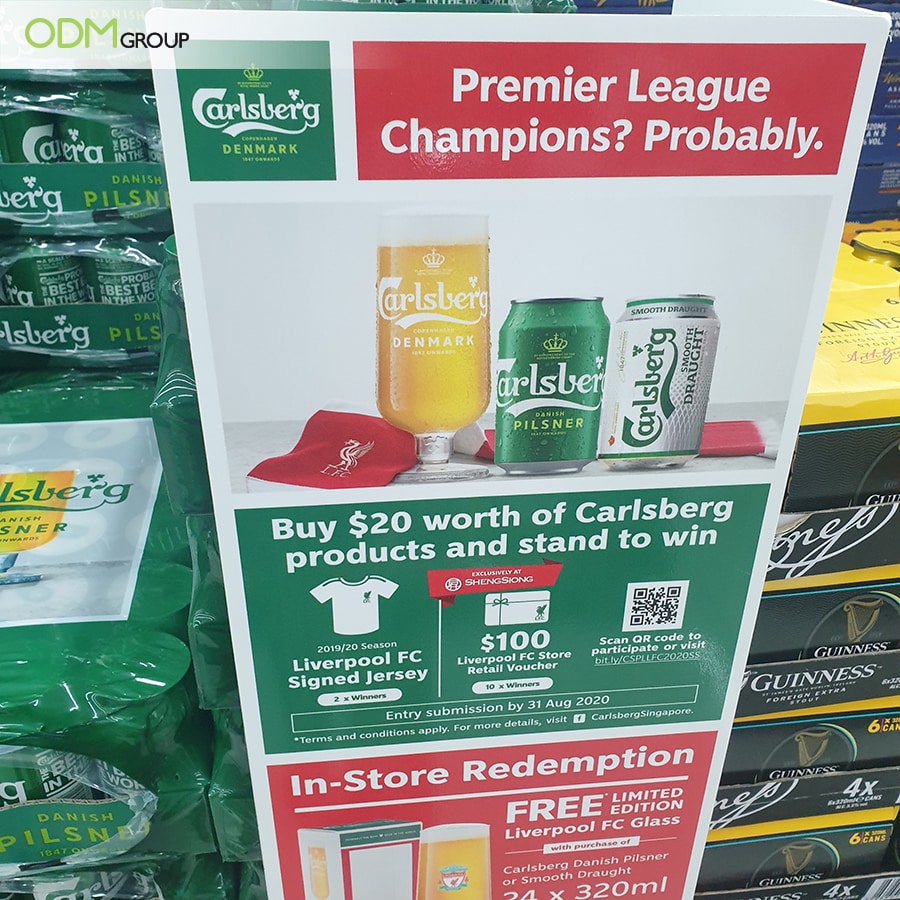
Carlsberg Scores in In-Store Promotion with Custom Beer Gifts!
Branded promotional products, Corporate promotions, Drinks promotional products, FMCG Food, Gift with purchase, Giveaway promotional items, Marketing, Premium promotional products, promotional gift, Promotional gifts for food industry, Promotional Products, Sports promotional items-
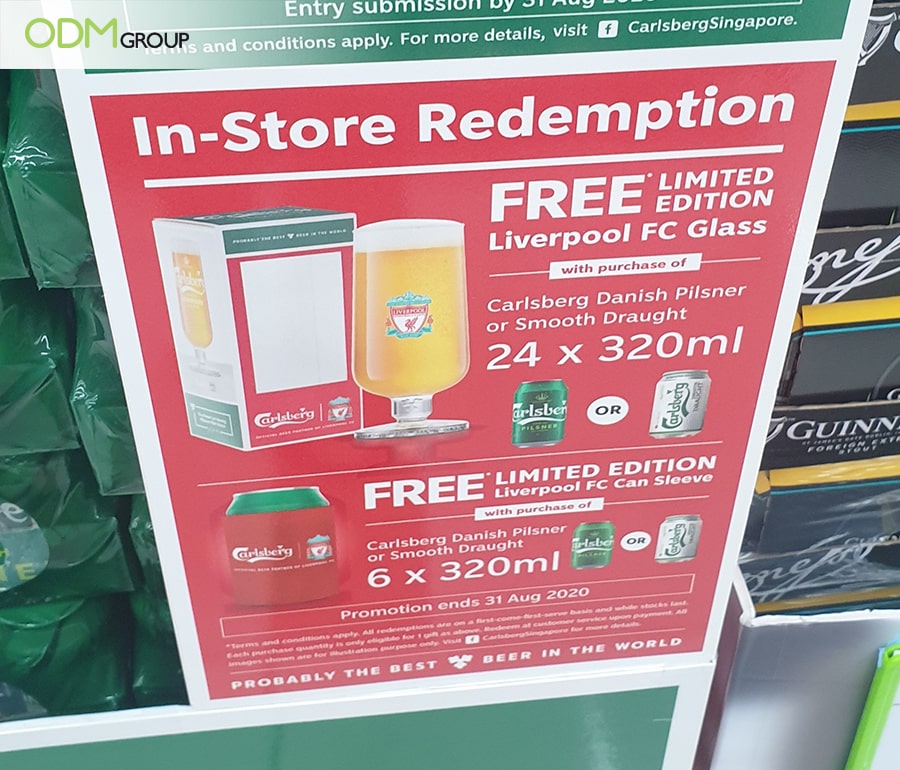
Carlsberg Scores in In-Store Promotion with Custom Beer Gifts!
In 2020, Liverpool F.C has been declared champions of the [...]
Marketing Beer with Branded Merchandise- Awesome Carlsberg Gift Redemption
With so many different products vying for customers' attention, marketing [...]
Carlsberg Offers Football Fans a Custom Sports Towel
During the 2018 World Cup Carlsberg offered their customers a Branded [...]
How ODM Supports Beverage Marketing Campaigns
A successful beverage promotion requires more than selecting an item from a catalog. The product, packaging, retail presentation, and distribution plan must support the same campaign objective.
ODM works with beverage brands, marketing agencies, distributors, and procurement teams to develop these ideas into coordinated promotional programs. We sell ideas—not products—and help clients determine how merchandise can solve a campaign challenge, strengthen the customer experience, or improve retail visibility.
Our support can include concept development, market research, industrial sketching, 3D CAD, structural and packaging design, prototyping, factory selection, production coordination, and on-site quality control. We can also coordinate freight and logistics according to the campaign destination and delivery schedule.
For retail-focused projects, our team can connect the merchandise with its point-of-sale presentation. This may include developing bottle glorifiers, countertop displays, floor-standing units, promotional packaging, or redemption kits that communicate the offer clearly.
Rather than applying a logo to a standard item, we consider the target audience, brand guidelines, campaign mechanics, materials, budget, quantity, lead time, and route to market. This allows the final concept to feel relevant to the brand and practical to execute.
Potential concepts include promotional wine gifts, custom printed ice buckets, bottle glorifier displays, custom beer flight sets, glassware, bar accessories, coolers, serving sets, and beverage display stands.
Final Thoughts
Carlsberg’s retail activity shows that effective liquor marketing strategies are rarely built around one promotional item alone. The strongest programs connect useful merchandise, attractive packaging, visible retail displays, and consistent campaign branding.
Other beverage brands can learn from these ideas without copying the execution. The opportunity is to adapt the format around their own customers, product positioning, retail environment, and commercial objectives.
If you are planning a beverage promotion, ODM can help turn the initial idea into coordinated merchandise, packaging, and point-of-sale materials. Contact our team to discuss your campaign.
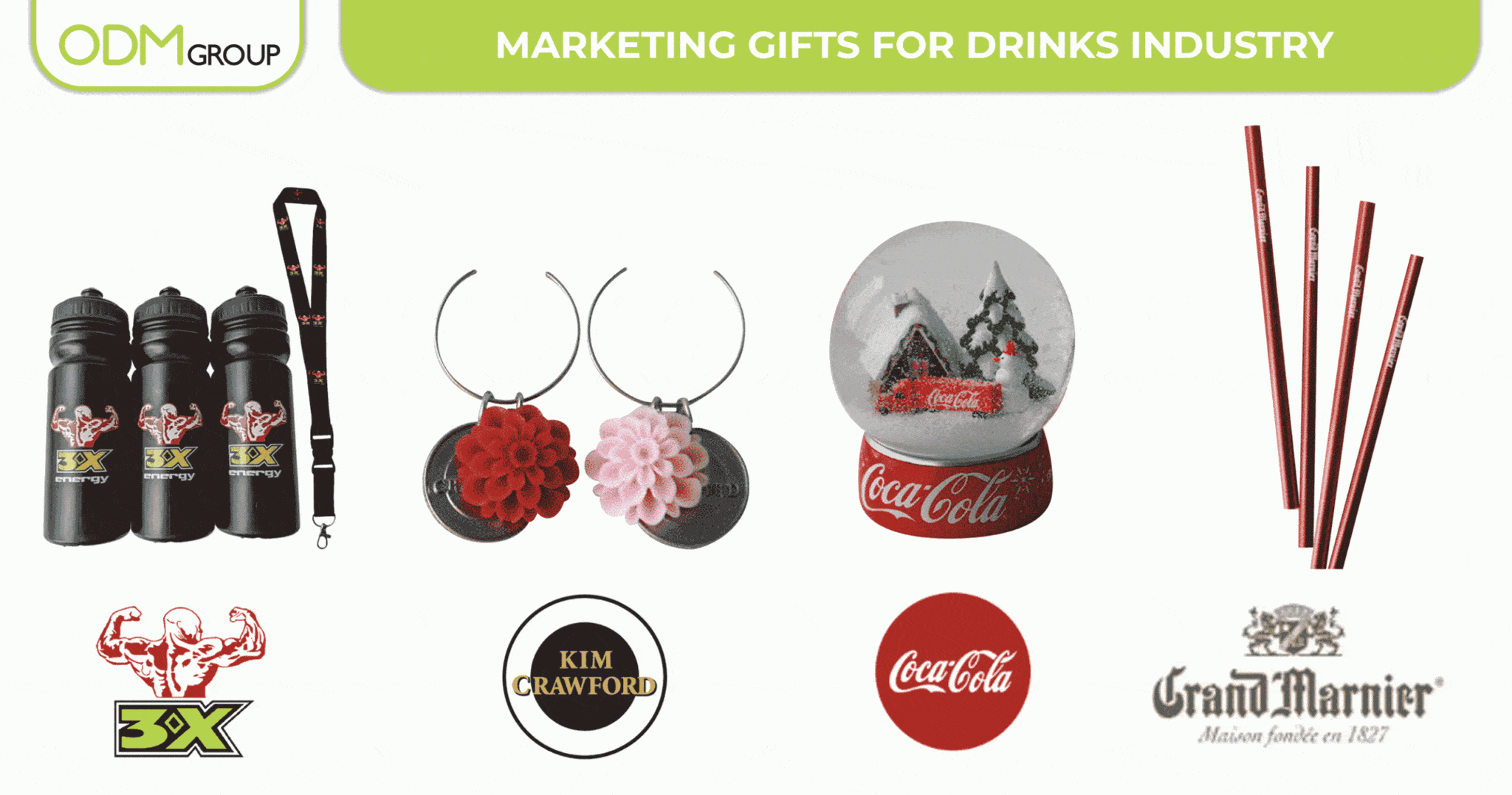
Knowing how tough the competition is in the drinks industry, our merchandisers from ODM and product designers from Mindsparkz keep searching and creating innovative promotional product designs.
Here are some of the creative ideas we have for you!
Liquor Marketing Strategies FAQs
All you need to know about liquor marketing strategies!
What is alcohol marketing?
Alcohol marketing is the broad range of ways that brands and retail stores use to entice consumers to purchase liquor.
How do you market liquor?
You can market liquor using one or more marketing strategies such as employing custom point-of-sale displays, and incentivising consumers through branded merchandise.
What factors do I have to consider when planning my liquor marketing strategy?
The factors you must consider in planning your liquor marketing are your target market's preferences, your branding and your allotted budget for the promotion. From this, you can find a liquor promotion that you can fit for your marketing needs.
What to Read Next?
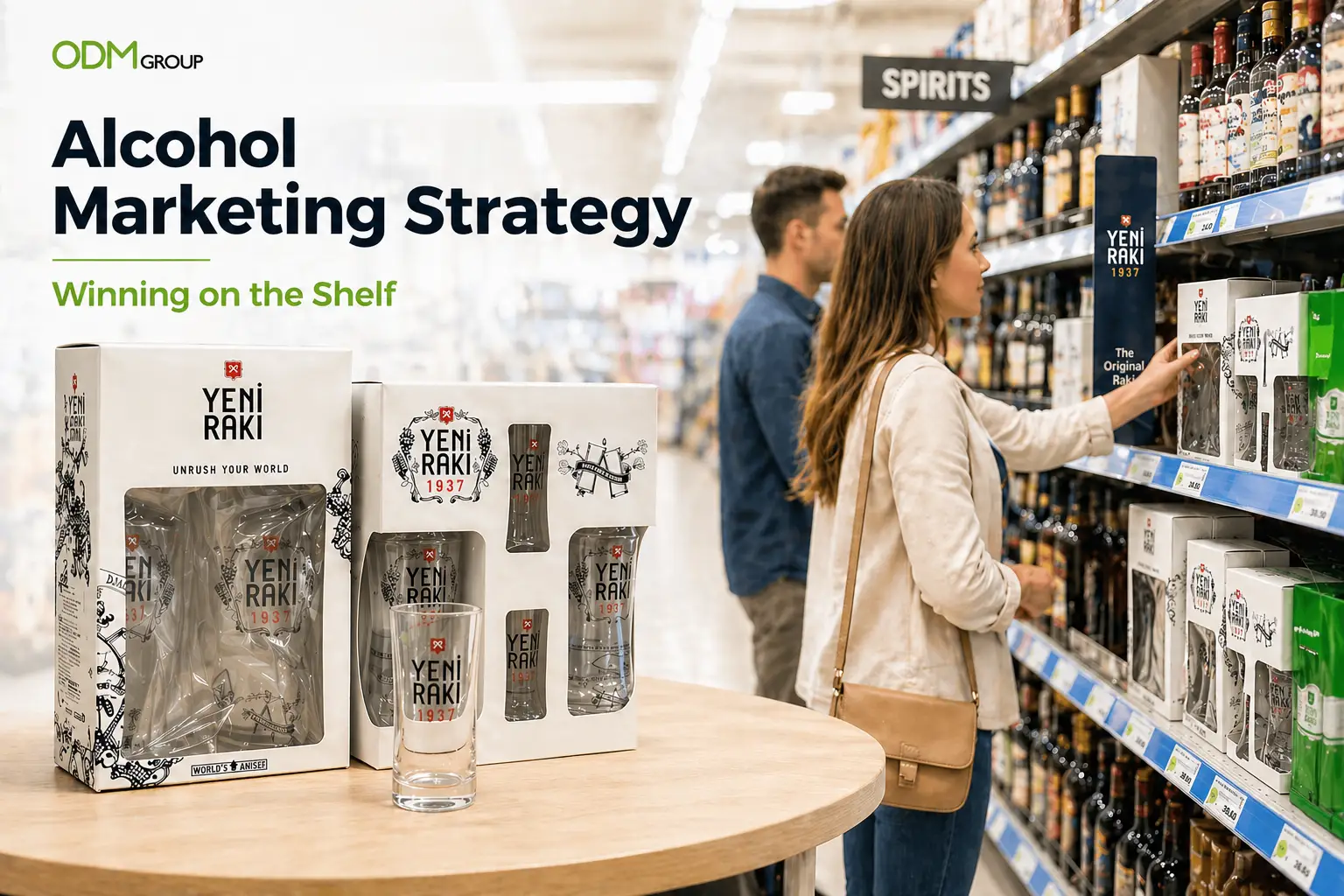
Alcohol Marketing Strategy 2026 : Trends, Channels & Expert Tips
The global alcoholic beverages market is projected to reach [...]
What Are The Benefits of 1664 Blanc In-Pack Premium Offer?
Customer incentivising is a tried and tested marketing strategy [...]
10 Creative and Unique Marketing Gifts in the Beverage Industry
The beverage industry is highly competitive so marketing gifts [...]
How Corona Custom Brewery Merchandise Sell #LaVidaMasFina?
How can you charm consumers to buy more of [...]
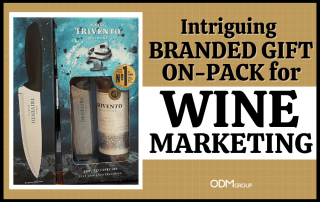
How Trivento Branded Gift On-Pack Boosts Wine Sales In-Store?
Wine is a complex and nuanced product with a [...]