
Most products do not lose sales because of pricing. They lose sales because shoppers never notice them in the first place.
In modern retail environments, attention is limited, shelves are overcrowded, and buying decisions happen within seconds. Even globally recognized brands compete aggressively for visibility once customers enter the aisle.
That is why free standing cardboard displays continue to play such an important role in retail marketing. They help brands break away from crowded shelves, interrupt shopper flow, and create impulse-purchase opportunities in places where standard merchandising alone is no longer enough.
Why Shelf Placement Alone Is No Longer Enough
Retail shelves are crowded.
In categories like chocolate and snacks, dozens of competing products fight for visibility at eye level. Even strong brands can disappear when surrounded by aggressive packaging, price promotions, and competing displays.
That is why secondary retail placements have become such an important merchandising strategy.
Free standing cardboard displays allow brands to move beyond fixed shelving and create additional visibility in high-traffic areas such as:
- aisle entrances
- checkout zones
- promotional islands
- seasonal sections
- store walkways
- cross-merchandising areas
Instead of competing within a single shelf section, brands gain the opportunity to intercept shoppers throughout the store.
How Free Standing Displays Influence Shopper Behavior
Impulse buying is heavily driven by visibility and convenience.
A well-positioned display can immediately change how customers interact with a product category. Rather than searching for an item within a crowded shelf, shoppers encounter the brand directly in their path.
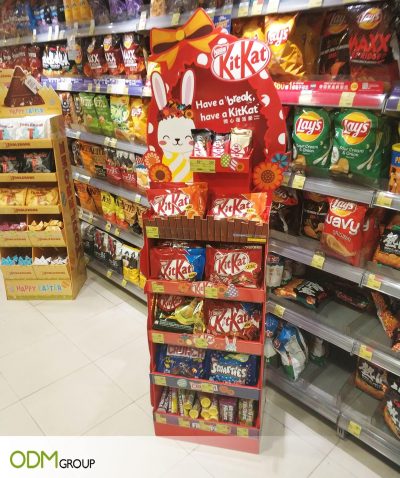
This creates several advantages:
- faster product discovery
- stronger visual interruption
- increased basket-building opportunities
- easier product access
- stronger campaign recall
In confectionery marketing specifically, secondary displays perform extremely well because purchases are often emotional and spontaneous rather than pre-planned.
Bright colors, layered packaging, and oversized brand visuals help create quick emotional engagement that encourages immediate purchasing decisions.
Why Confectionery Brands Continue Investing in FSDUs
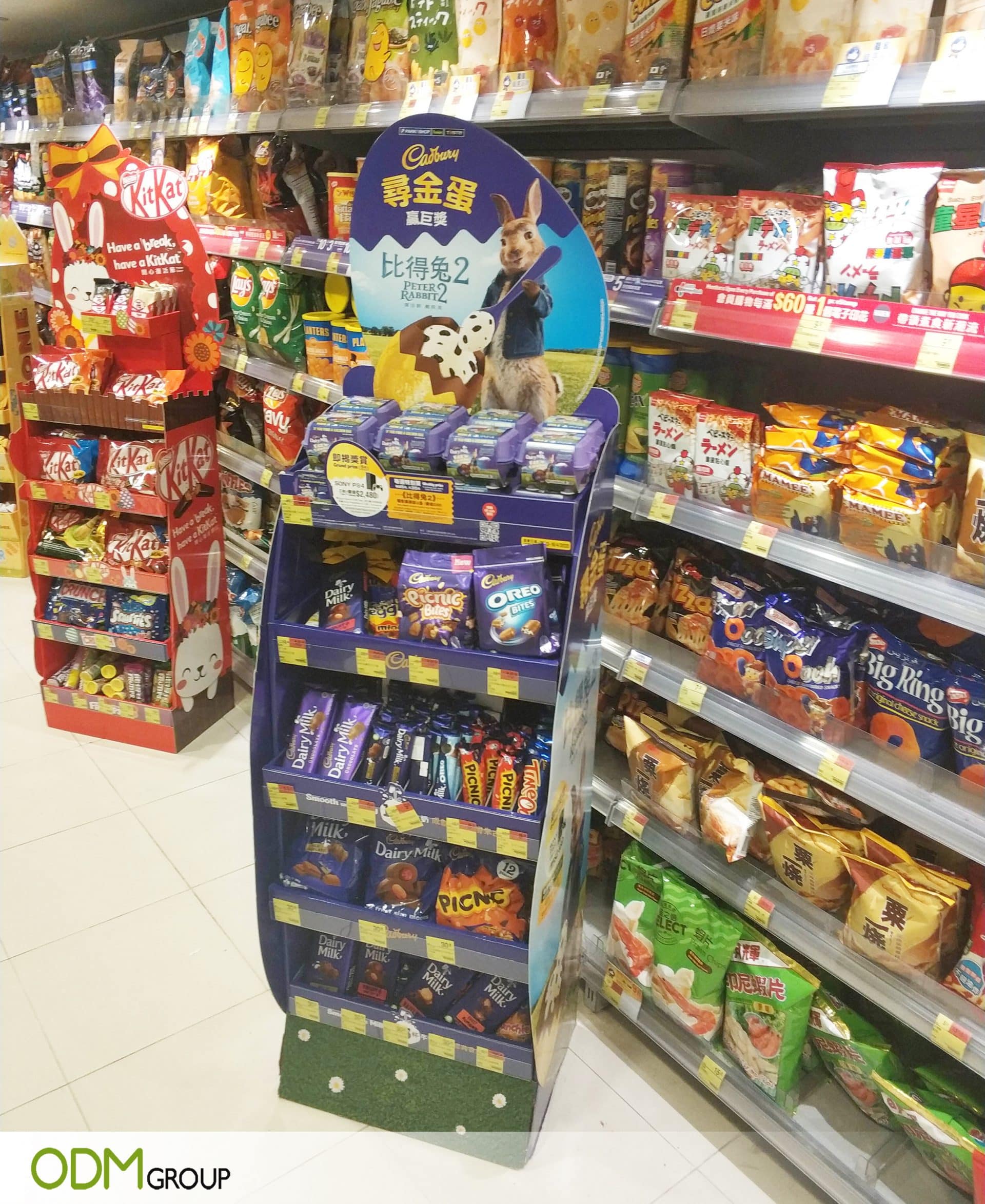
The Cadbury and KitKat displays shown here are strong examples of how large brands approach retail merchandising strategically.
Rather than relying only on packaging design, the displays extend the campaign into the physical retail environment itself.
Several elements make these displays effective:
- bold brand color blocking
- multiple product facings
- easy shopper access
- vertical visibility from a distance
- protruding shelves that highlight featured products
- strong use of recognizable branding
The result is a display that attracts attention before shoppers even approach the aisle.
For confectionery brands, this matters significantly because product visibility directly influences impulse conversion rates.
The Most Effective Displays Do More Than Hold Products
Many brands underestimate how much structural creativity affects retail performance.
The best free standing cardboard displays are designed not only for storage, but also for interaction, navigation, and visual storytelling.
Modern FSDUs may include:
- layered shelf architecture
- custom-shaped headers
- dimensional product replicas
- interactive sections
- integrated lighting
- seasonal campaign graphics
- mixed-material finishes
- modular refill systems
These elements help transform a temporary display into part of the overall brand experience.
In crowded retail environments, structural creativity often becomes the difference between being noticed and being ignored.
Placement Strategy Matters More Than Most Brands Realize
Even strong display designs can fail if positioned incorrectly. Successful retail merchandising depends heavily on placement planning and shopper movement patterns inside the store.
Some of the strongest FSDU locations include:
Aisle Entry Points
Ideal for interrupting shopper movement early.
Checkout Areas
Perfect for low-consideration impulse purchases.
Seasonal Campaign Zones
Effective during holidays, sporting events, and limited-time campaigns.
Cross-Merchandising Areas
Allows brands to connect products with complementary categories.
For example, confectionery displays placed near beverage or gift sections can naturally increase basket size.
Why Some Retail Displays Fail to Deliver Results
Not every display performs successfully in-store.
Many temporary retail displays fail because they focus too heavily on appearance while ignoring execution realities.
Common issues include:
- weak structural stability
- complicated assembly
- difficult replenishment access
- oversized footprints
- poor branding hierarchy
- limited product visibility
- low durability during long campaigns
Retailers want displays that are easy to install, easy to maintain, and capable of surviving heavy customer interaction.
That balance between creativity and practicality is where real retail expertise becomes important.
Designing Displays Retailers Actually Want to Install
Retailers manage limited floor space and constant operational pressure.
If a display becomes difficult to assemble, refill, move, or maintain, retailers are less likely to support large-scale deployment.
Strong retail display development, therefore, requires consideration beyond visual design alone.
Important factors include:
- flat-pack shipping efficiency
- assembly simplicity
- structural durability
- replenishment speed
- weight distribution
- retail compliance
- transportation protection
- campaign rollout consistency
The strongest retail programs succeed because the display works both operationally and visually.
From Retail Display Production to Campaign Execution
Retail displays today are expected to do far more than hold products.
They need to attract attention in crowded environments, support campaign storytelling, fit retailer requirements, survive transportation, and remain consistent across multiple store locations. A display that looks impressive in a presentation still needs to function effectively on the retail floor.
That is why brands increasingly look for partners that understand the full execution process behind successful retail campaigns.
At ODM Group, display projects are approached as part of a broader retail and promotional strategy rather than a standalone production order. The focus is not only on how the display looks, but also on how it performs operationally throughout the campaign lifecycle.
Support may include:
- retail display concept development
- structural and industrial design
- custom prototyping and sampling
- packaging design
- production management and supplier coordination
- quality control and compliance checks
- logistics
The objective is not simply to produce a display unit.
It is helping brands develop retail display systems that balance creativity, shopper engagement, structural practicality, and large-scale execution consistency from concept through final deployment.
Final Thoughts
Free-standing cardboard displays remain one of the most effective ways to increase visibility and influence shopper behavior inside retail environments.
When executed well, they do far more than hold products. They help brands interrupt attention, strengthen campaign presence, and encourage impulse purchases in highly competitive retail spaces.
The challenge is not simply creating an attractive display. Brands also need to balance structural durability, retailer practicality, shipping efficiency, and rollout consistency across multiple locations.
At ODM Group, retail display projects are approached from both a creative and operational perspective — helping brands develop retail-ready display systems that perform effectively in-store.
Looking to create custom free standing cardboard displays for your next campaign? Contact ODM Group to explore retail display concepts, structural design solutions, and end-to-end execution support tailored to your brand goals.


Frequently Asked Questions
Why do some retail displays attract attention instantly while others get ignored?
The difference usually comes down to visual interruption. Strong free standing cardboard displays are designed to break normal shopper scanning patterns through bold structure, color contrast, dimensional elements, or unexpected placement. Displays that blend too closely into existing shelves often fail to create enough visual impact to influence shopper behavior.
Are cardboard displays still effective now that retailers are becoming more digital?
Yes — physical retail still heavily influences purchasing decisions, especially for impulse categories like snacks, beverages, cosmetics, and seasonal products. In fact, as digital advertising becomes more crowded, physical retail displays can create stronger real-world engagement because they interact with shoppers directly at the point of purchase.
Why do confectionery brands invest so heavily in temporary displays?
Confectionery purchases are often emotional and impulsive rather than planned. Temporary retail displays help brands capture attention quickly during seasonal promotions, limited-edition launches, movie tie-ins, sporting events, and holiday campaigns where visibility directly impacts sales performance.
Can free standing displays help smaller brands compete against larger competitors?
Absolutely. Strategic display placement can help smaller brands create visibility outside traditional shelf competition. In many cases, a well-designed secondary display can outperform larger brands that rely only on shelf presence.
Related Blogs
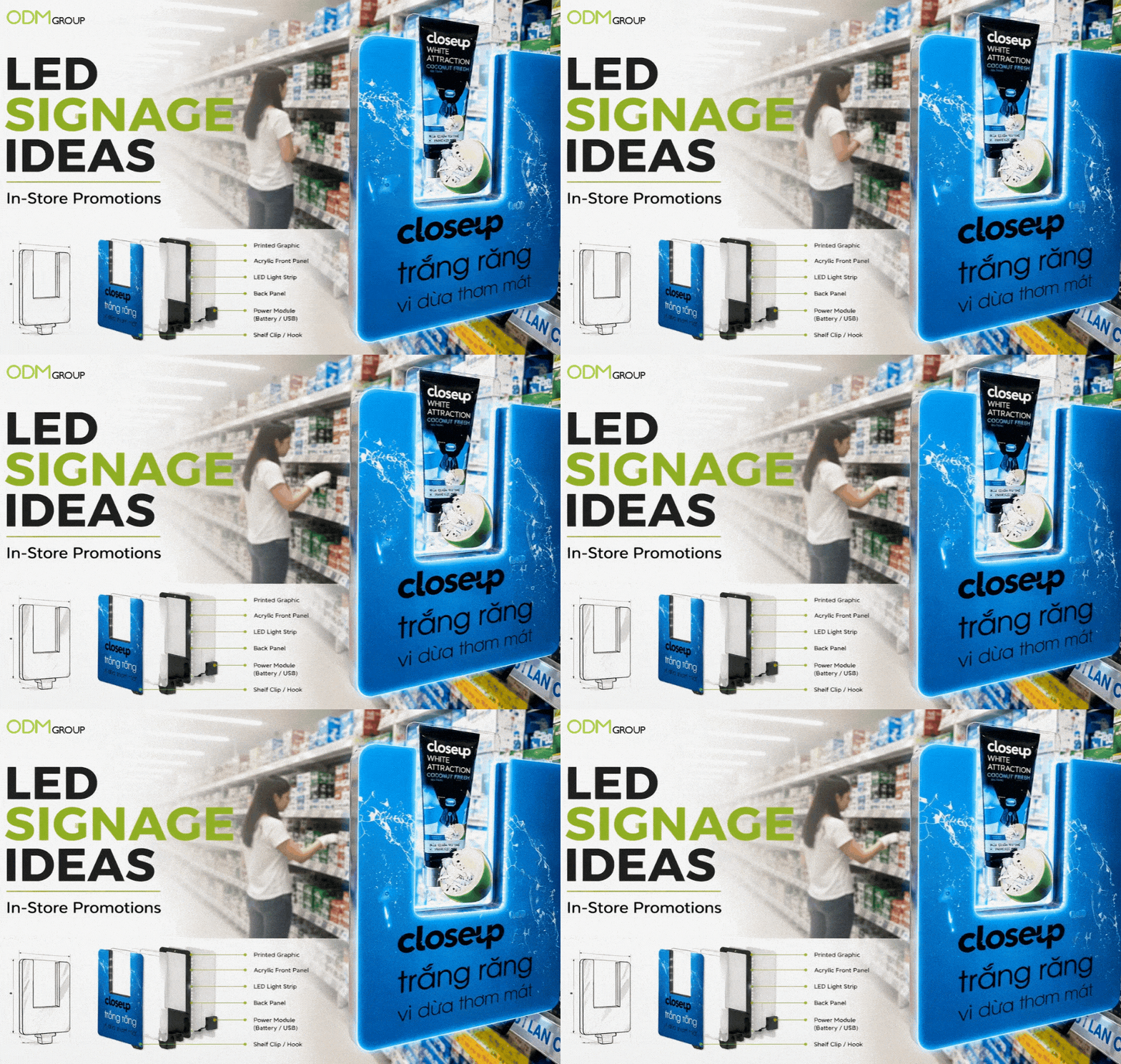
Creative LED POP Signage Ideas for In-Store Promotions
In a busy retail aisle, shoppers do not always [...]
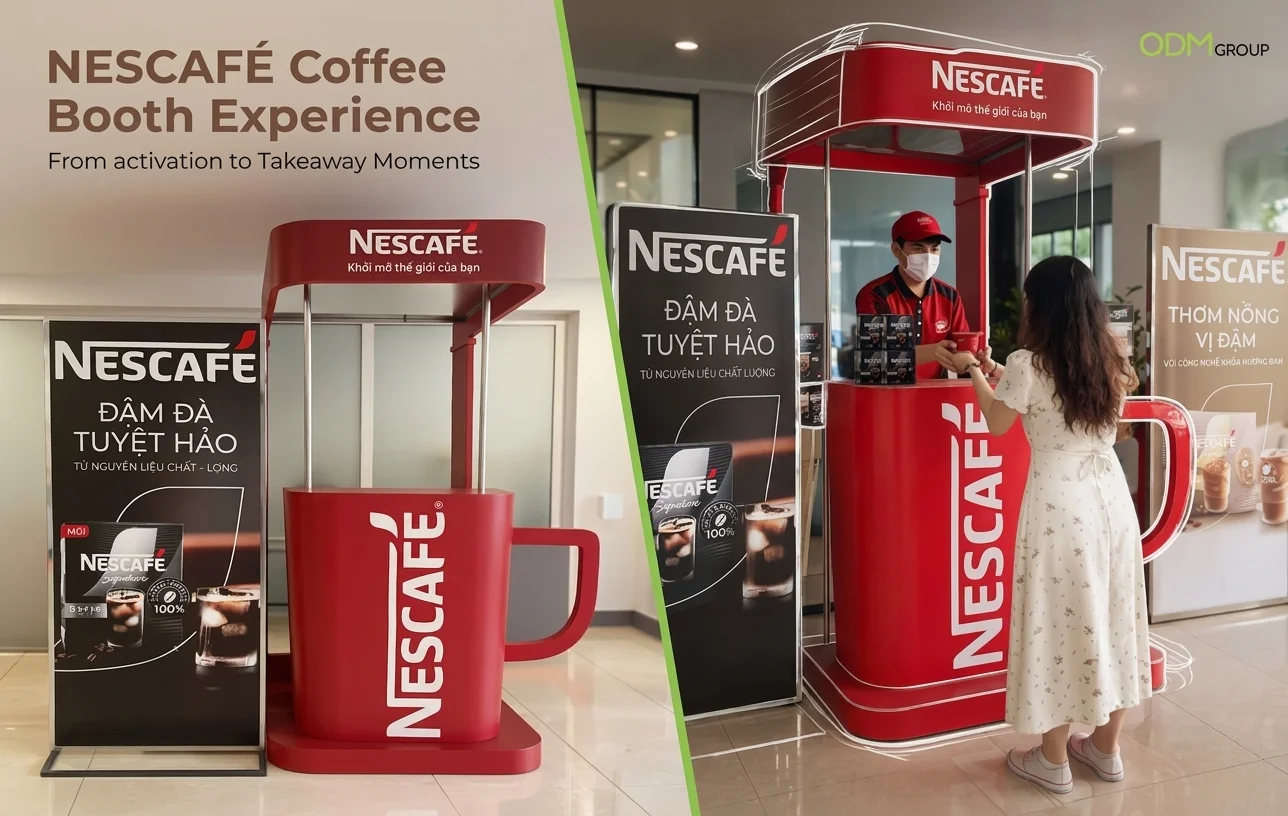
How Nescafe Coffee Booth Activations Drive Real Engagement in Office Spaces
Discover how a Nescafe coffee booth turns sampling into a daily brand experience using smart design, POS displays, and packaging strategies.
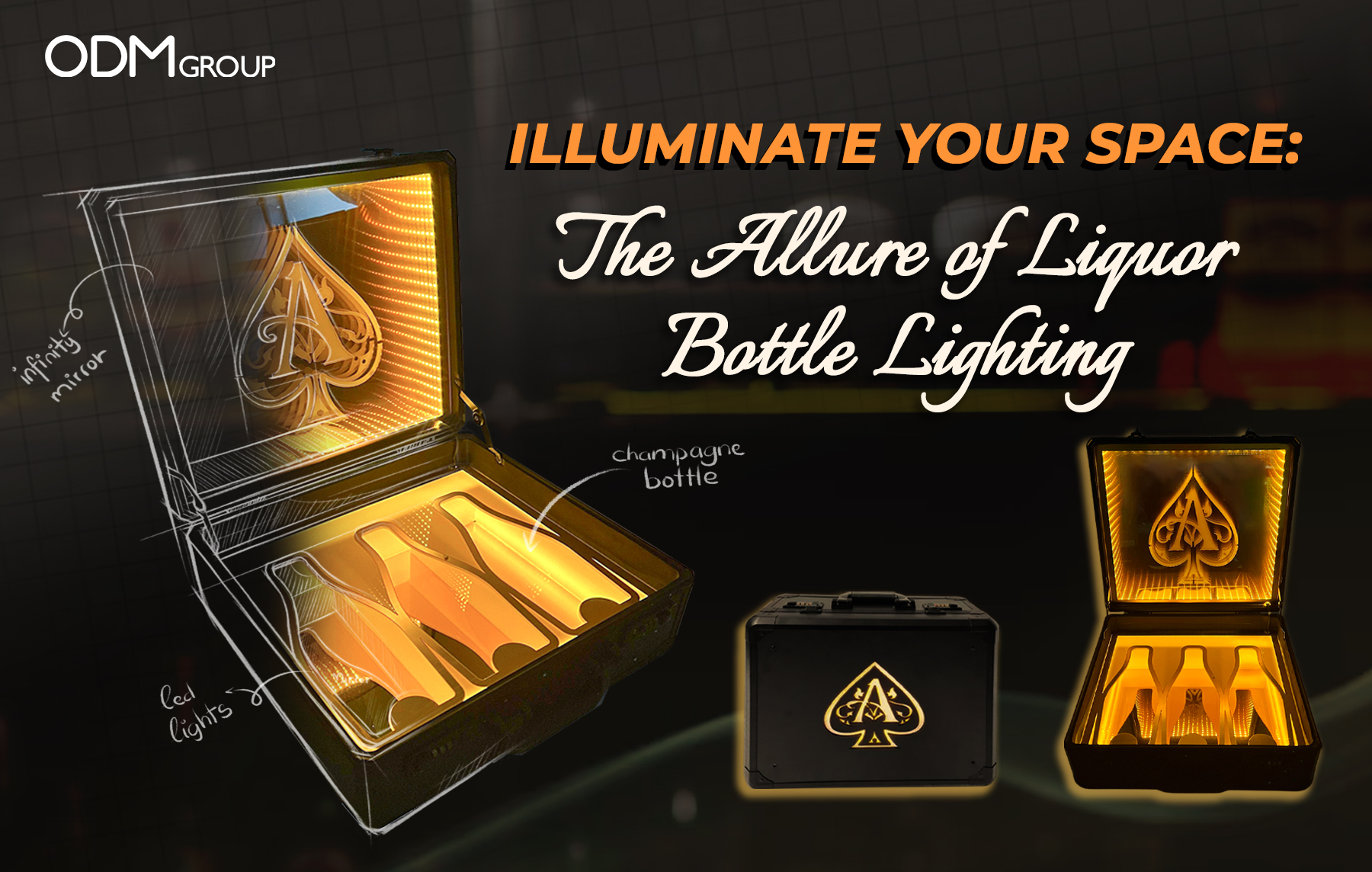
Marketing Advantages of Using A Liquor Bottle Lighting
Creating a captivating and memorable experience is the key [...]
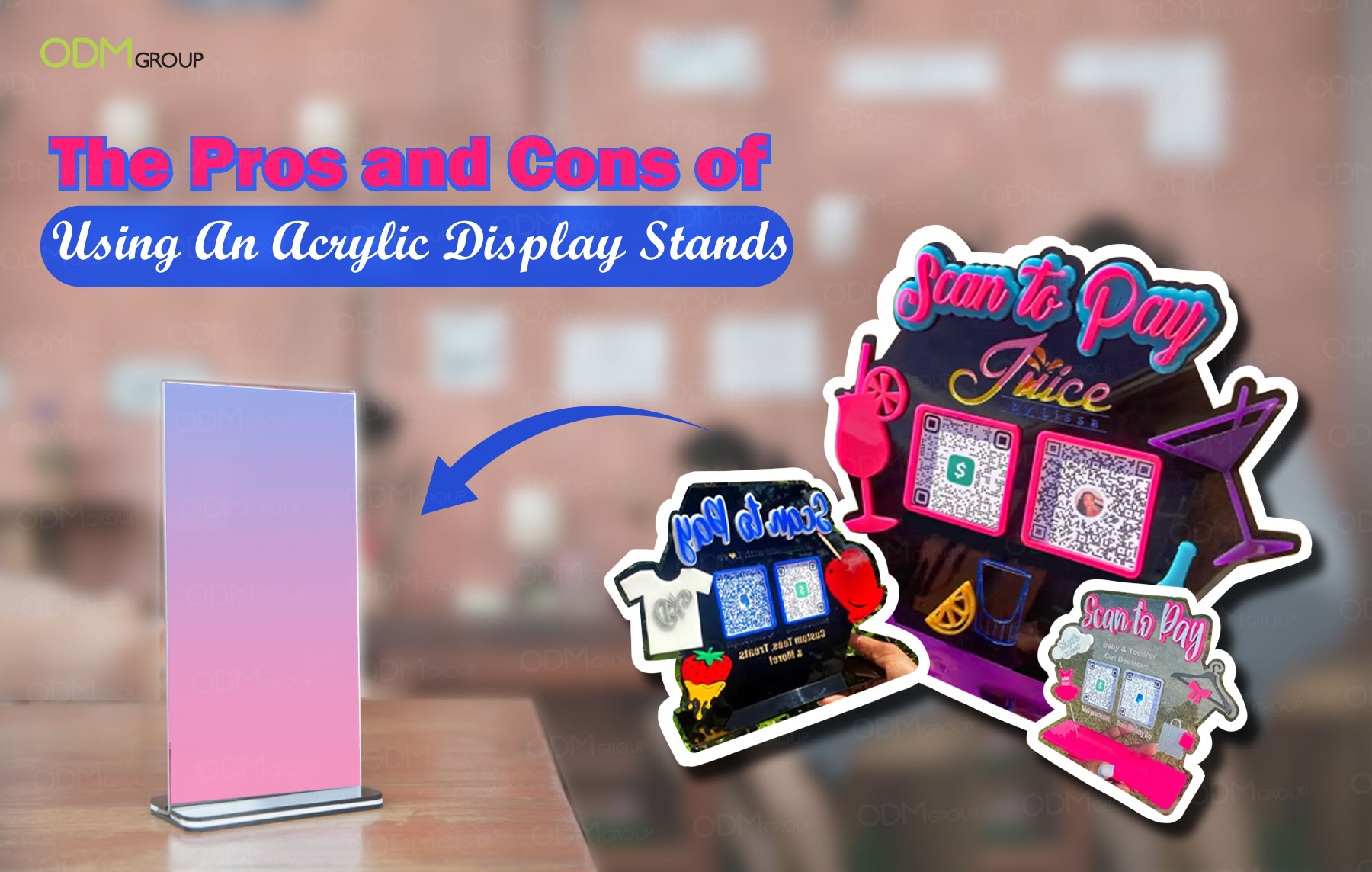
What are the Pros & Cons of a Custom Acrylic Display Stand in Retail?
POS display units are very common to see in various [...]
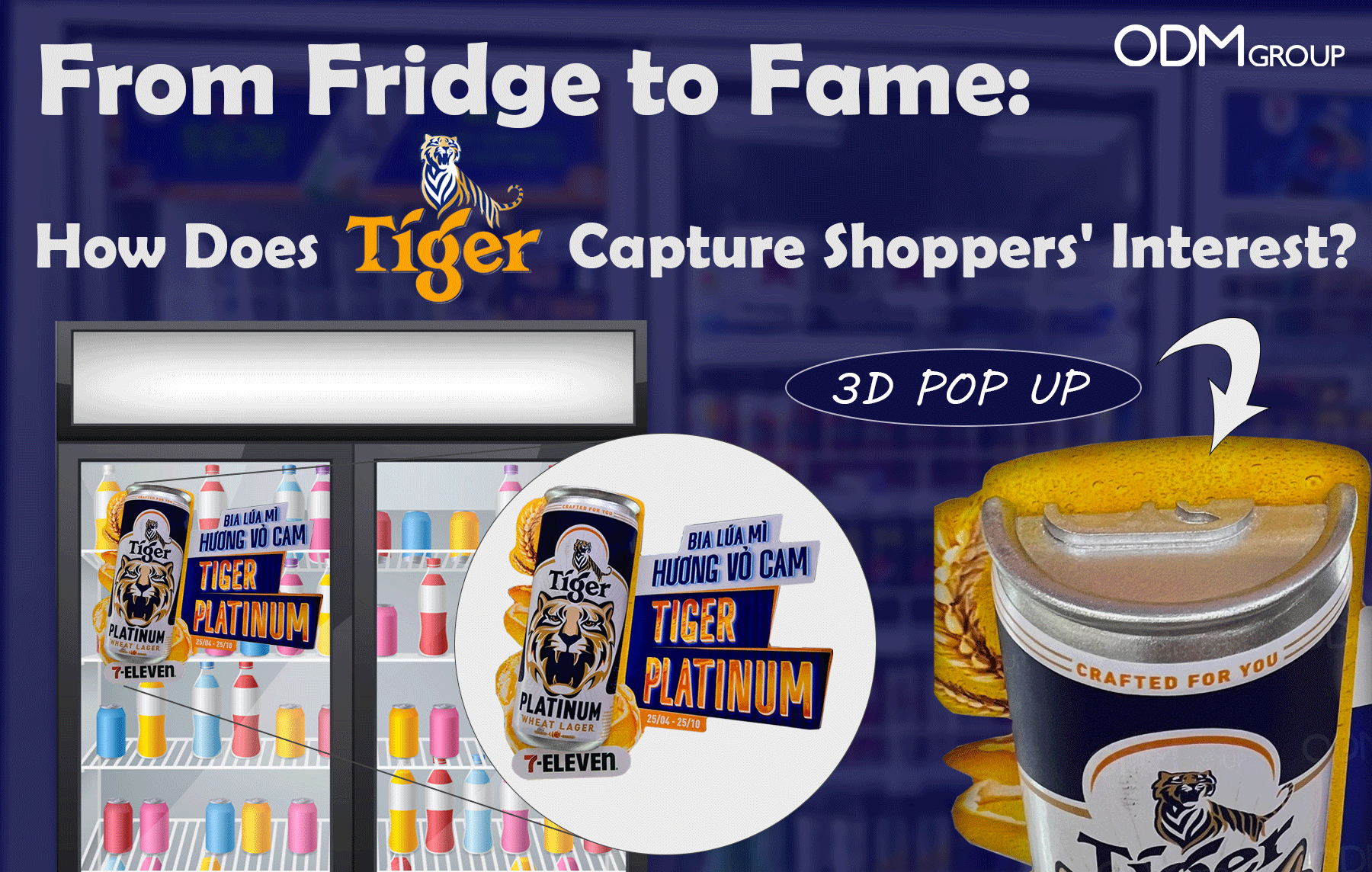
How Tiger Beer Grabs Shoppers’ Interest with its 3D POP Display?
In the fiercely competitive world of beverage marketing, standing [...]
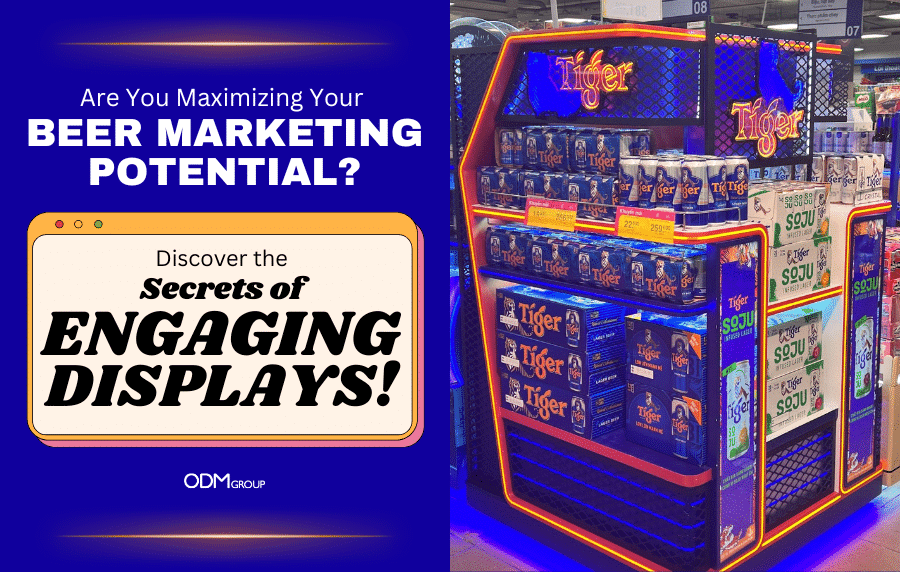
Beer Discovery Zone: What Made Tiger Beer Store Display A Success?
Shoppers usually go to stores with lists of things [...]
Related posts:
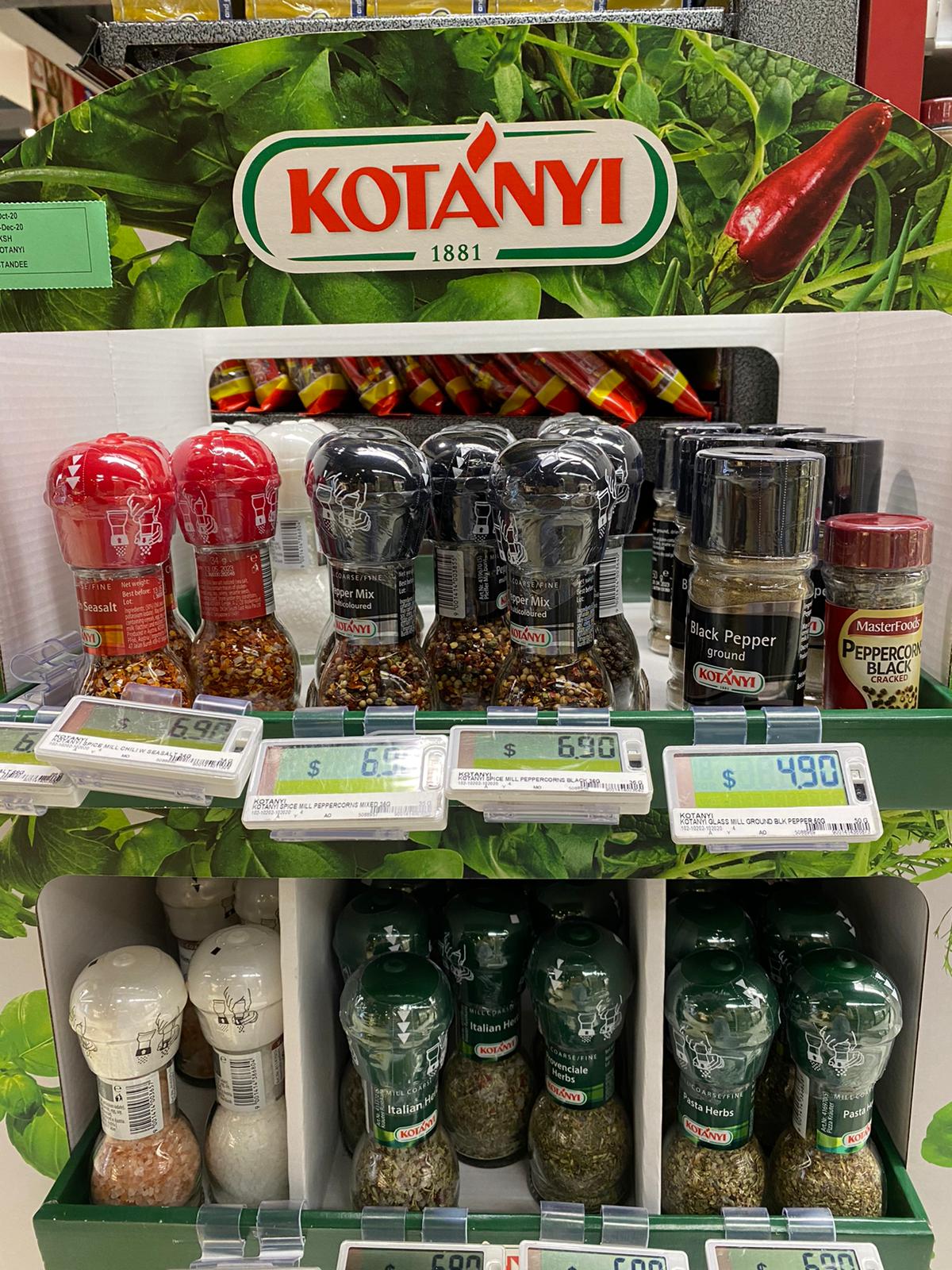 The Amazing Value of Custom Free Standing Cardboard Retail Displays
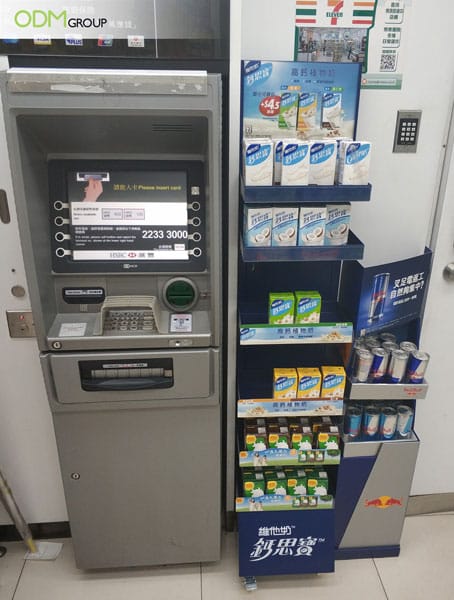 Designing Free-Standing Displays – Corrugated Cardboard Vs Metal
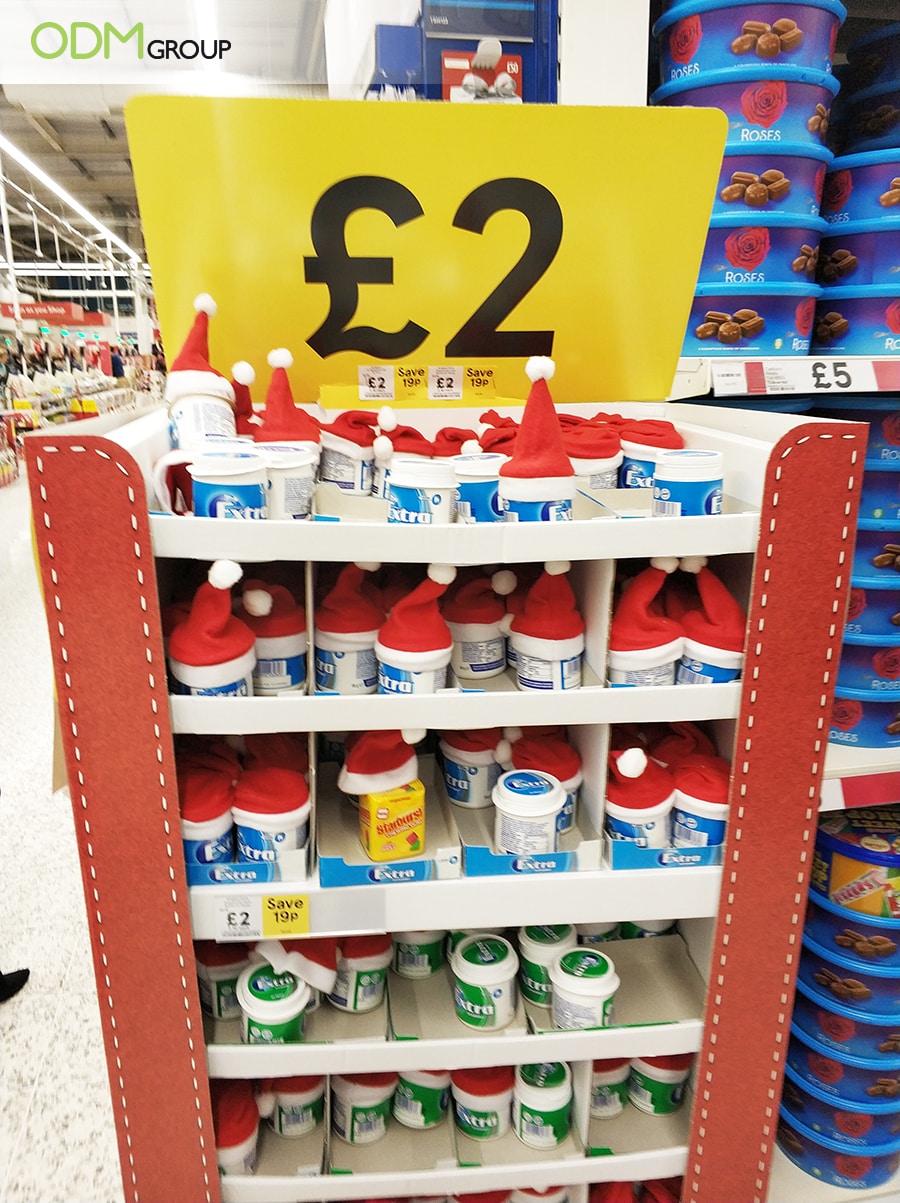 Look! Festive Free Standing Store Display To Boost Sales
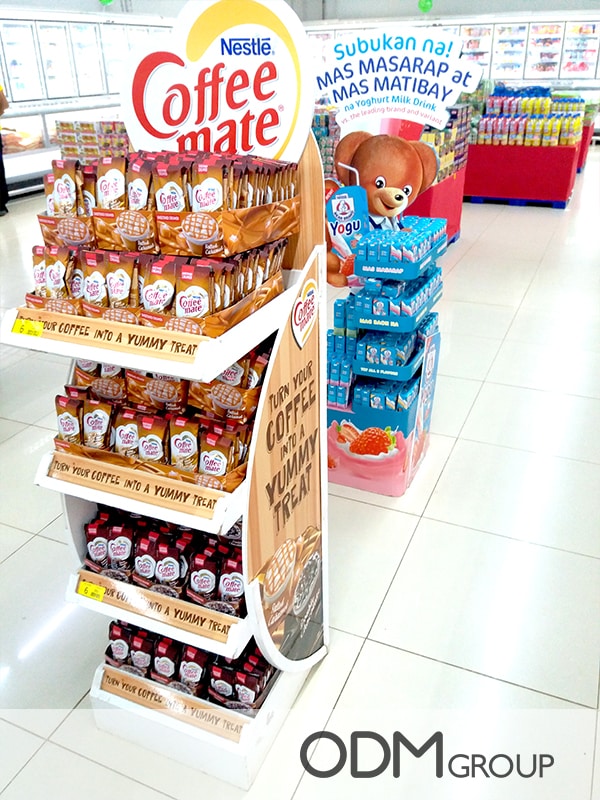 Brand Promotion: Free Standing POS Display by Nestlé
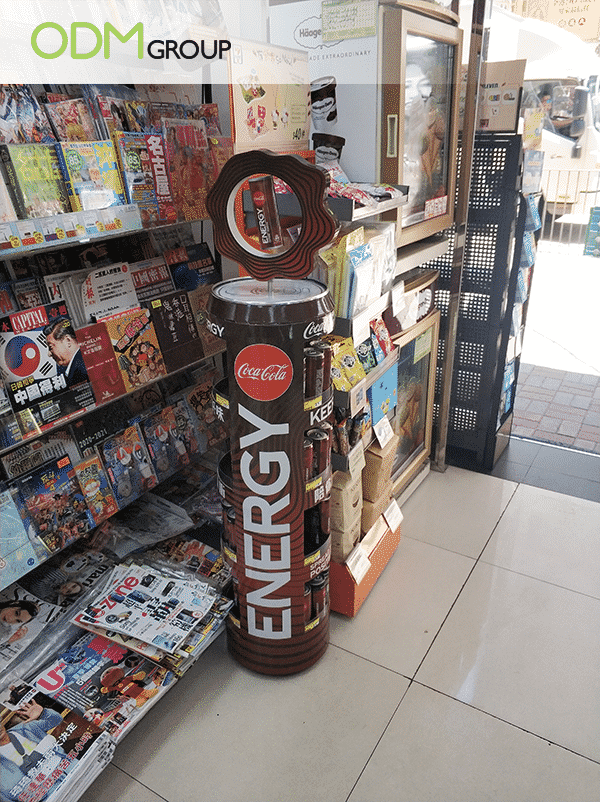 Custom Free Standing Display Energizes Coca Cola Energy Sales